
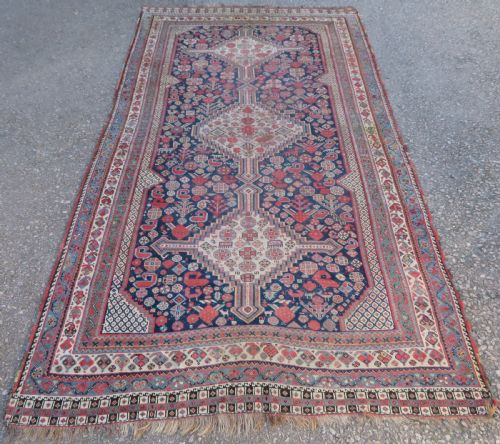
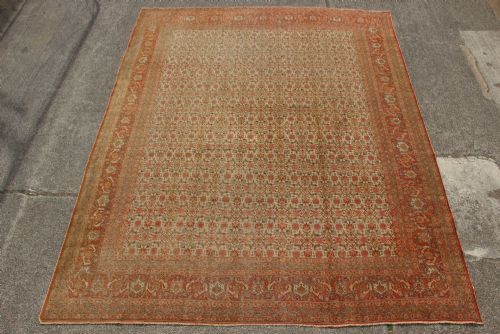




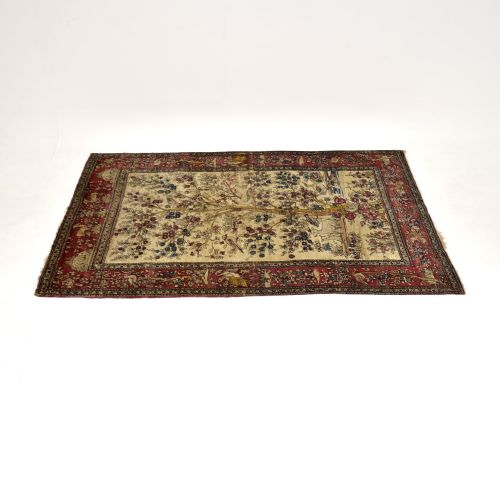

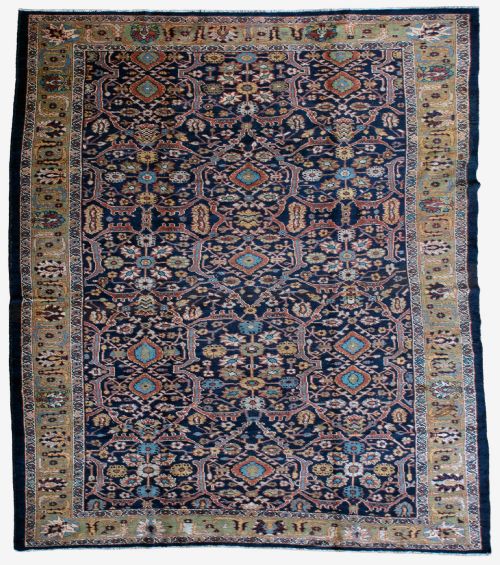
Traditional Woven Floor Carpet
A traditional woven floor carpet brings enduring texture and regional design into a room, grounding the space with centuries of handcraft.
Traditional Woven Floor Carpet
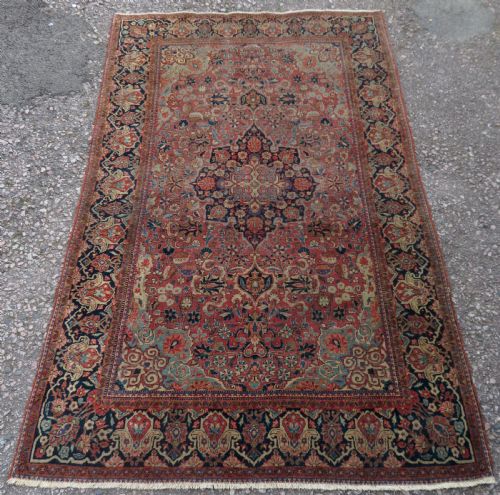
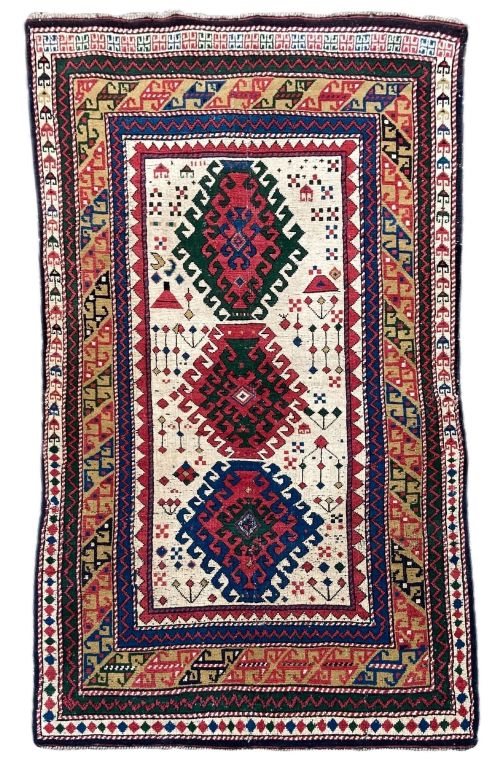
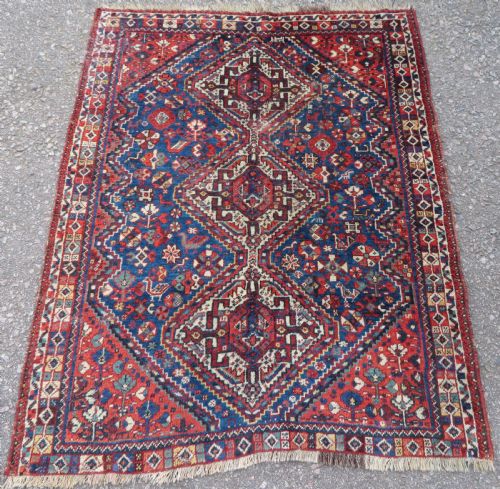
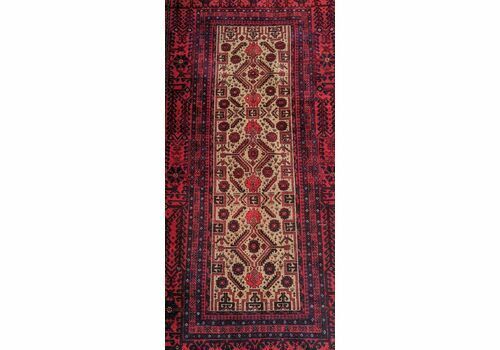
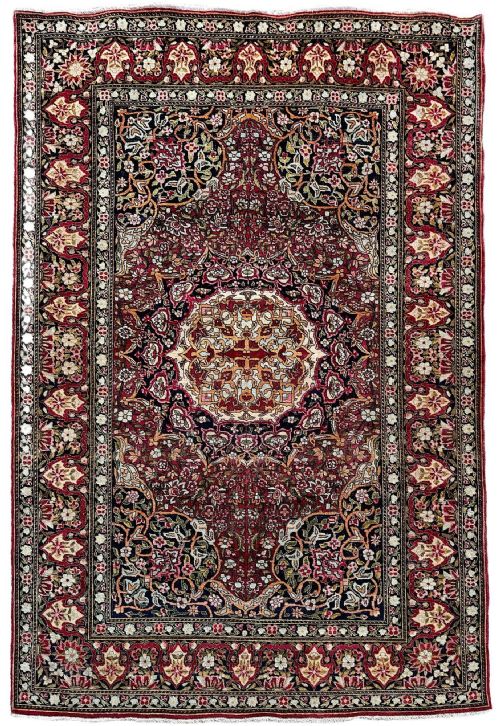
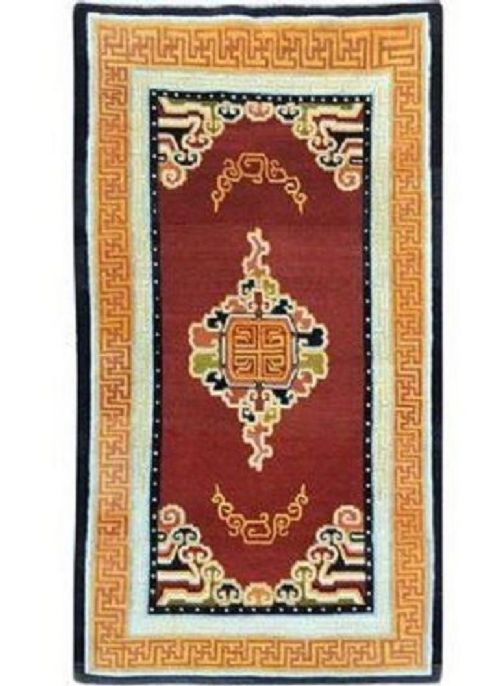
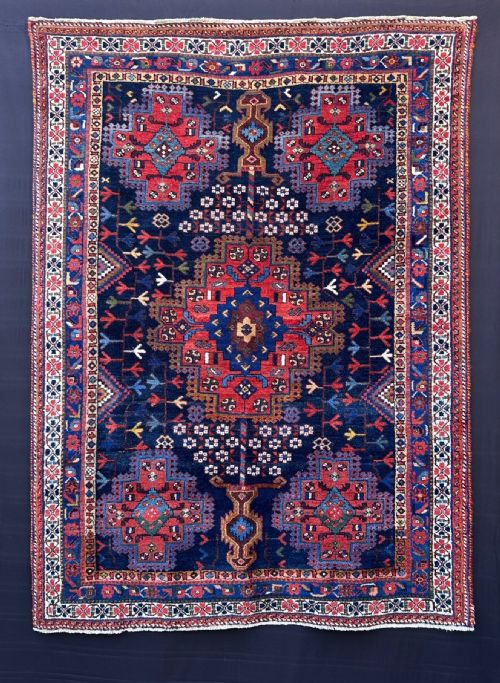
A traditional woven floor carpet encompasses hand-knotted and woven room-size rugs, large carpets, and hallway runners designed for domestic spaces. These floor coverings emerge from various international weaving traditions, including Persian, Caucasian, Ottoman, and Tibetan workshops and tribal groups.
Buyers browsing this selection will most frequently encounter nineteenth-century and early twentieth-century examples, spanning from eighteen-fifty to nineteen-thirty. The inventory ranges from compact area rugs to large carpets and expansive runners suitable for substantial rooms.
Regional origins shape these pieces significantly, with village workshops, nomadic confederacies, and city looms all producing distinct aesthetic traditions. The resulting floor coverings function as practical textiles that carry the visual language of specific historic weaving centres.
What varies in quality in traditional woven floor carpets
Knot density and the precision of the weave distinguish finer city workshops from coarser tribal productions, though both hold distinct aesthetic merits. Tighter knots allow for sharper rendering of geometric or floral motifs across the field and borders.
The choice of materials and the quality of the wool fleece dictate the handle, sheen, and longevity of the surface. Superior wool retains natural lanolin, which imparts a soft lustre and protects the textile from heavy foot traffic.
Nomadic weavers occasionally embedded small protective amulets directly into the pile to guard against misfortune.
The Traditional Woven Floor Carpet Glossary
- Pile
- The upright yarn loops or tufts that form the usable surface of the carpet. This dense layer absorbs foot traffic and displays the woven design.
- Warp
- The stationary vertical threads stretched tightly on the loom before weaving begins. Weavers knot the pile directly onto these foundation strings.
- Weft
- The horizontal threads passed alternately over and under the warp threads to hold the knots in place. These structural shots stabilise the woven fabric.
- Runner
- A long, narrow carpet format specifically proportioned for hallways, corridors, and staircases. These pieces guide movement through domestic floor plans.
- Medallion
- A large, symmetrical central ornament placed in the middle of the carpet field. This prominent motif often anchors the entire composition.
Traditional Woven Floor Carpet: Frequently Asked Questions
How do I style a large carpet in a modern room?
A large antique carpet anchors contemporary furniture arrangements by pulling disparate seating elements together over the exposed floor.
Allow enough surrounding bare floorboards to frame the textile and let the regional patterns define the visual centre of the room.
What is the difference between a rug and a runner?
Runners are narrow, elongated floor coverings specifically woven for hallways, passages, and narrow transitional spaces in the home.
Standard rugs possess more balanced rectangular proportions suited for centring beneath dining tables or living room seating groups.
How do I identify Persian regional carpets?
Persian carpets often display specific regional characteristics, such as the bold geometric medallions of Heriz or the fine curvilinear floral arrangements of Tabriz and Isfahan.
Examining the specific knotting style, palette, and border motifs helps connect a piece to its historical weaving origin.
Are these carpets suitable for heavy foot traffic?
Hand-knotted wool carpets are inherently durable and designed for daily domestic use in busy areas of the home.
Quality wool pile combined with a sturdy cotton foundation allows these textiles to endure decades of regular walking when paired with an appropriate underlay.