

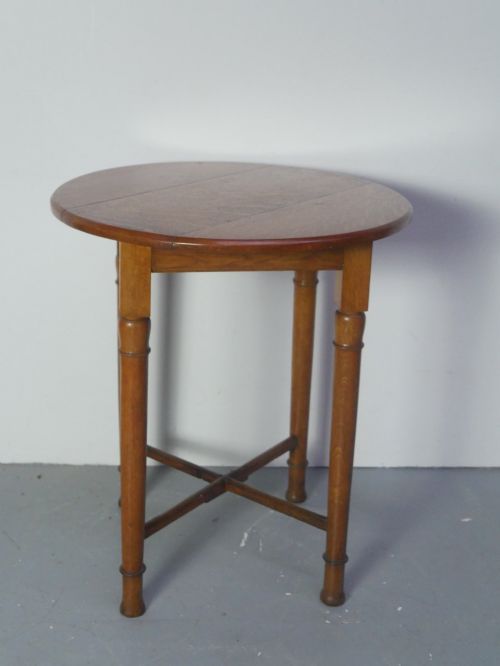
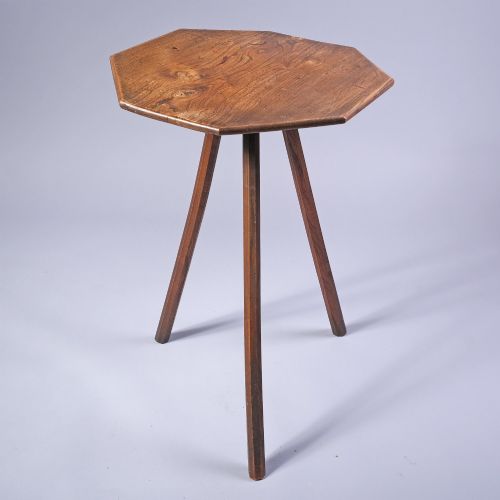

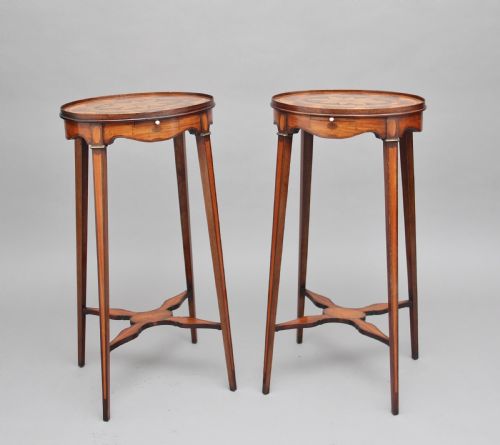


Traditional Wooden Wine Table
A traditional wooden wine table brings centuries of compact British craftsmanship into a modern room, offering a sturdy perch for a glass or a lamp.
Traditional Wooden Wine Table
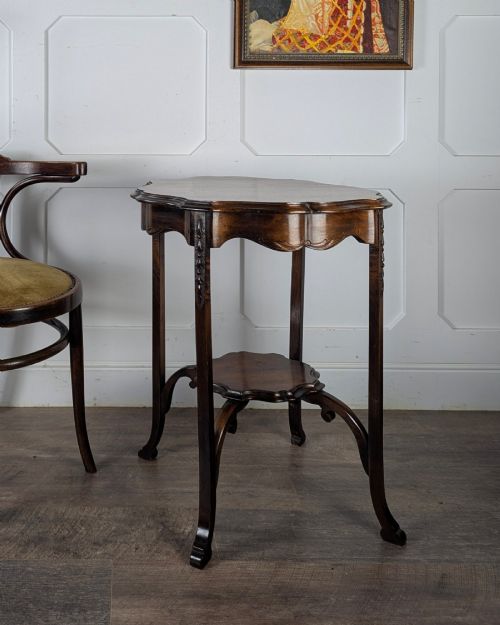
A traditional wooden wine table is a small, portable piece designed originally for holding glasses or decanters near seating areas. The selections on this page span several centuries, including pieces from the eighteenth, nineteenth, and early twentieth periods.
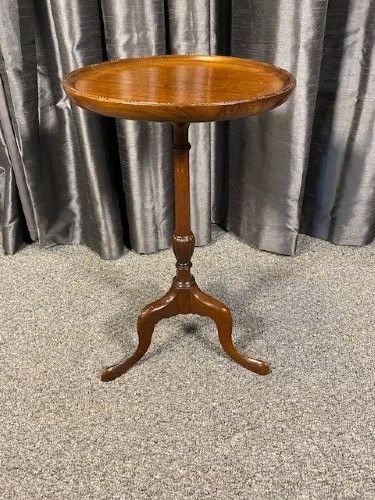
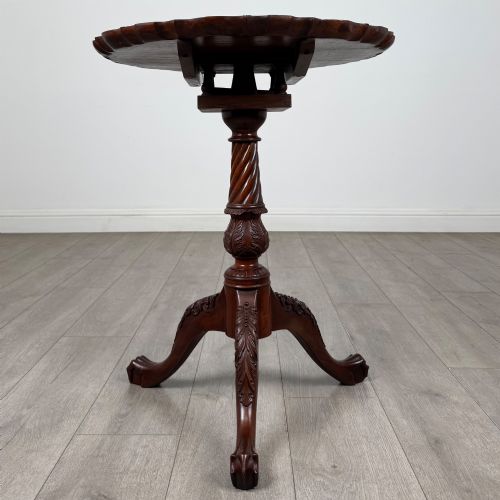
Most examples you will encounter take the form of tripod tables with a central pedestal and three legs, alongside occasional tables, tilt-top mechanisms, and urn stands. These versatile items served diverse domestic roles in taverns, parlours, and formal drawing rooms.
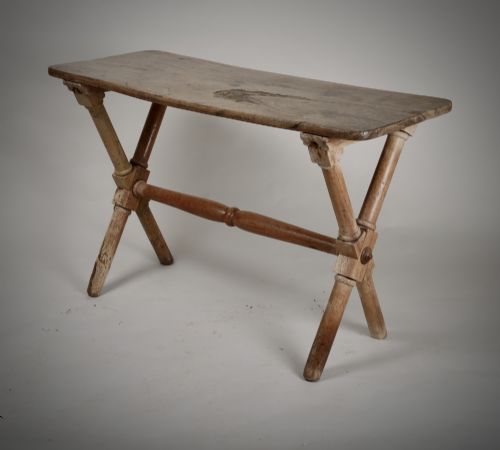
Makers utilised various regional timbers and revival aesthetics, creating items shaped by Georgian, Regency, Victorian, and Edwardian design philosophies. They range from simple elm tavern tables to figured mahogany pedestal pieces.
Materials and construction
Cabinetmakers worked with dense hardwoods such as mahogany, walnut, oak, elm, yew wood, and ash, often selecting figured boards for prominent table tops. Some pieces incorporate subtle satinwood inlay or brass fittings to accent the primary timber structure.
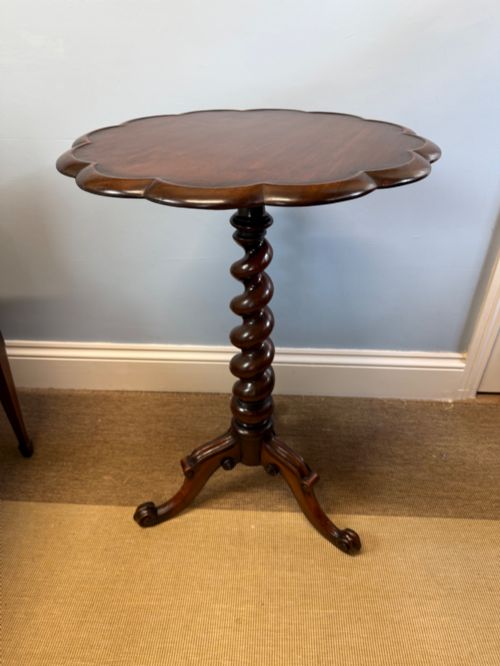
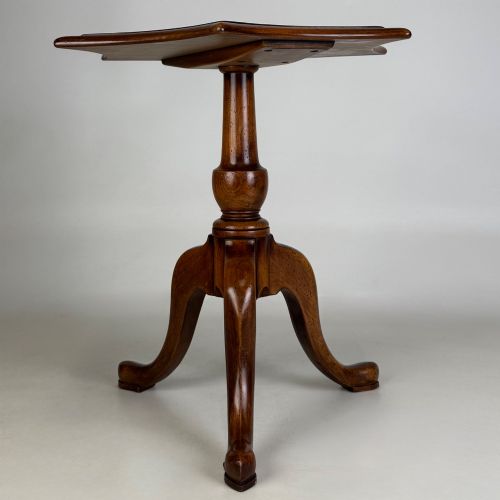
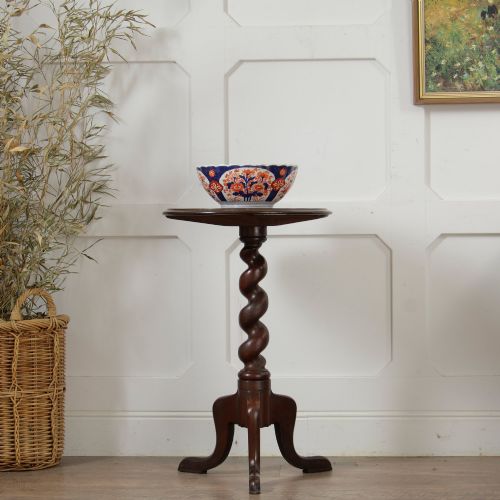
Construction techniques relied on sturdy central pillars, sometimes featuring birdcage mechanisms or barley twist turnings, supported by three splayed legs. Tops were frequently fashioned to tilt, allowing the furniture to be stored flat against a wall when not in use.
Listings feature timbers such as mahogany, oak, walnut, elm, yew wood, ash, and Chinese elm across the eighteenth, nineteenth, and early twentieth centuries.
Assessing quality and character
Quality rests in the choice of timber and the crispness of the turning on the central pedestal and legs. Finer examples display well-figured mahogany or walnut grains and balanced proportions that ensure stability on the floor.
The sophistication of the mechanism also marks the grade of the piece, from simple fixed tops to complex birdcage fittings that rotate and tilt smoothly. Surface patination achieved through decades of wax polishing distinguishes a piece with genuine age.
The Traditional Wooden Wine Table Glossary
- Tripod table
- A small freestanding table supported by a central pillar resting on three legs. This form became popular during the eighteenth century for its stability on uneven floors.
- Tilt-top mechanism
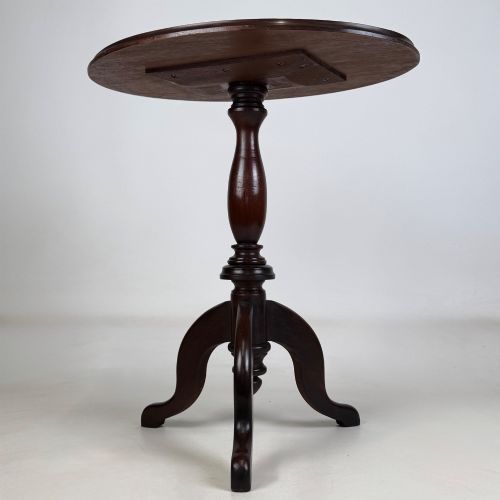
- A hinged box or catch beneath the tabletop that allows the surface to pivot into a vertical position. It enabled compact storage against walls when the room was cleared.
- Birdcage
- A timber framework beneath the top of a pillar table that allows the surface to both rotate and tilt. This intricate assembly is associated with finer eighteenth and nineteenth-century examples.
- Barley twist
- A spiral turning carved into the central column or legs of a table. This decorative feature appears frequently on Victorian pieces.
- Treen
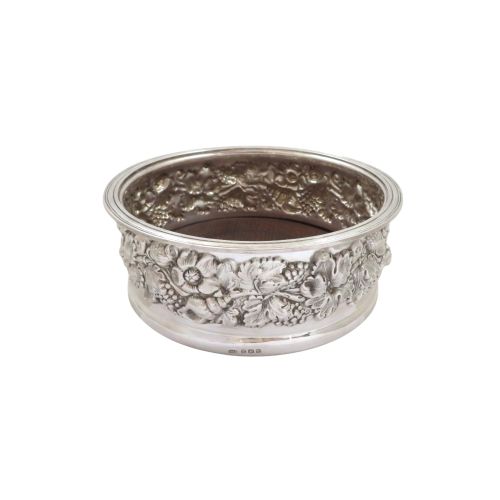
- Small handmade wooden objects and household utensils. In this context, it often describes turned wooden bottle coasters and small stands.
Traditional Wooden Wine Table: Frequently Asked Questions
What is a wine table used for?
These small tables were designed to hold drinking vessels, decanters, or candles close to the user in a drawing room or dining space.
Today they function effectively as lamp tables, plant stands, or compact side surfaces beside an armchair.
How do I spot a tilt-top table?
Look beneath the tabletop for a wooden catch, block, or birdcage pivot that connects the surface to the central pillar.
When released, the top swings upward to a vertical position, a feature historically used to save floor space.
What woods were commonly used?
Mahogany, walnut, and oak dominate the formal styles, while elm, ash, and yew wood appear in country or tavern pieces.
Cabinetmakers selected these hardwoods for their strength and ability to take a smooth polished finish.
How do I date an antique table?
Dating relies on observing the timber species, construction joints, leg shapes, and turning styles relative to known historical periods.
Georgian pieces often show lighter tripod proportions, whereas Victorian examples frequently feature heavier pedestals and darker finishes.