


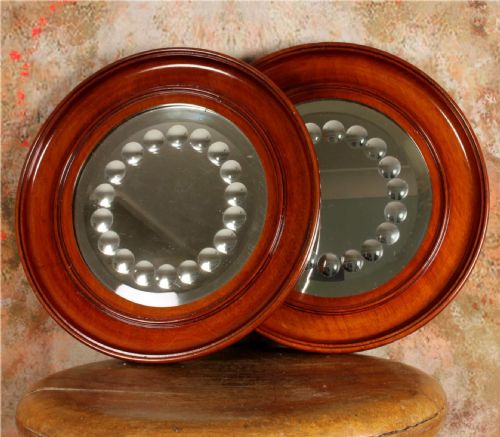
Traditional Wooden Wall Mirror
A traditional wooden wall mirror brings depth and character to a room, utilising period timbers and glass to catch the light.
Traditional Wooden Wall Mirror
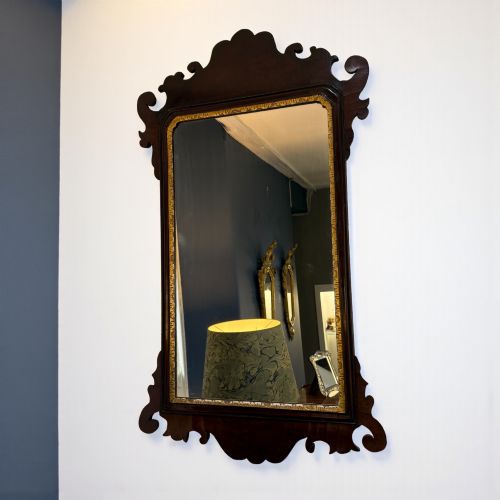
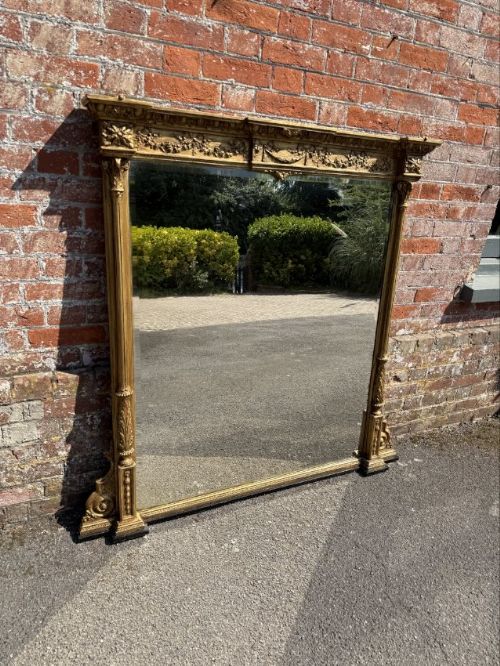
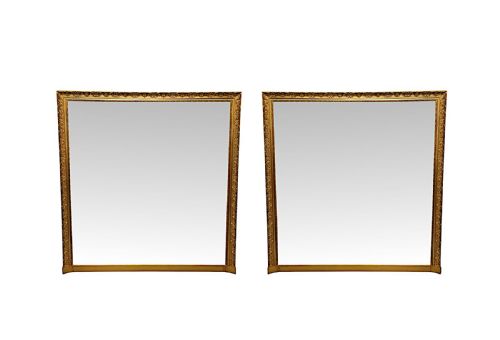
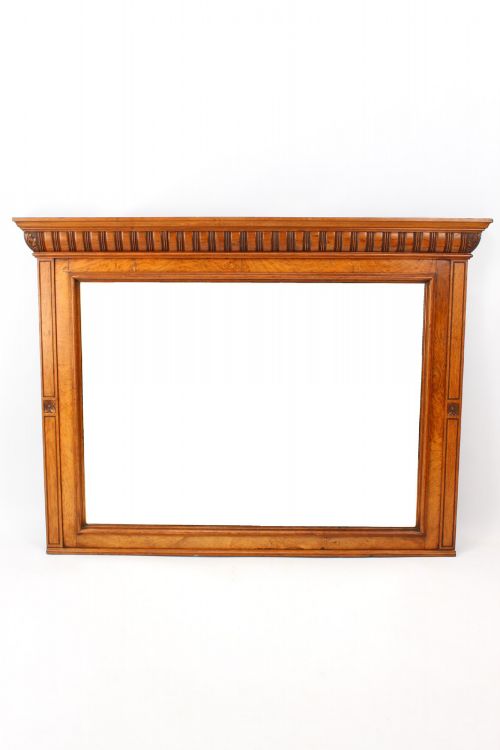
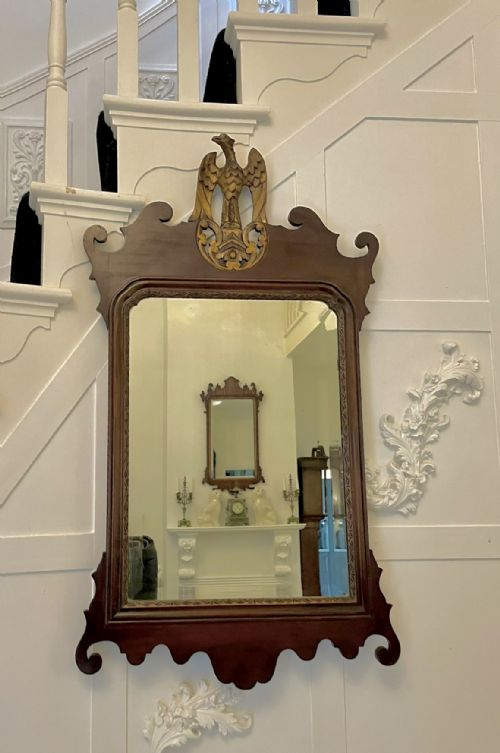
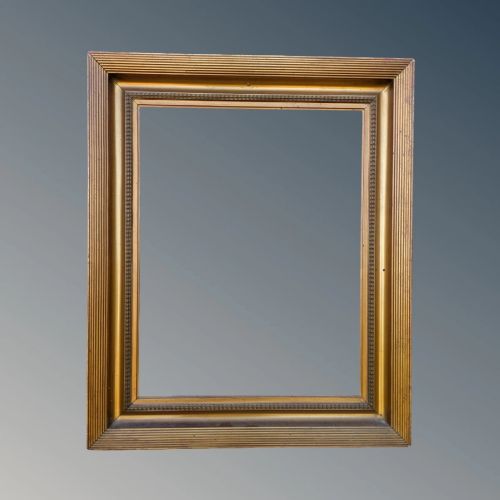
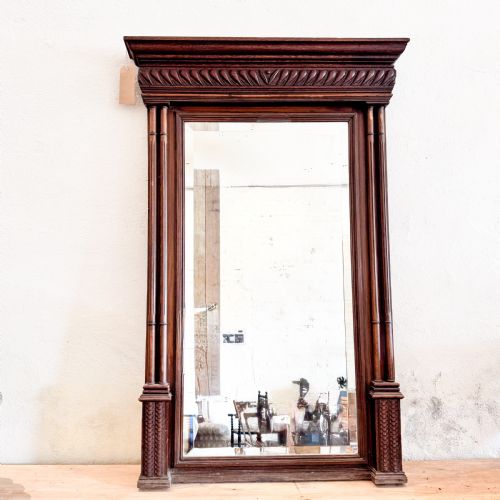
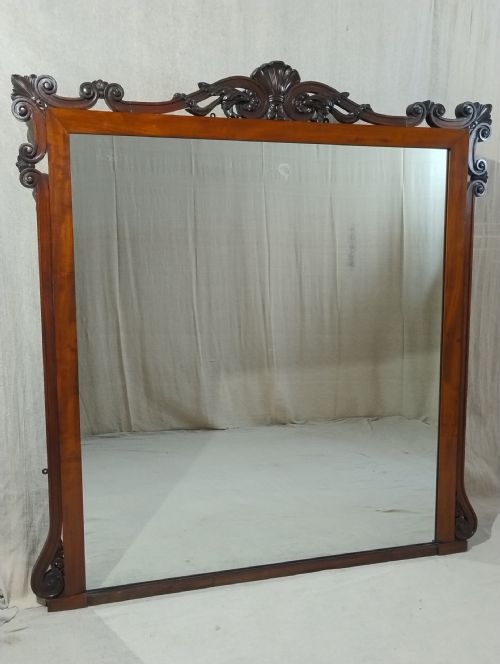
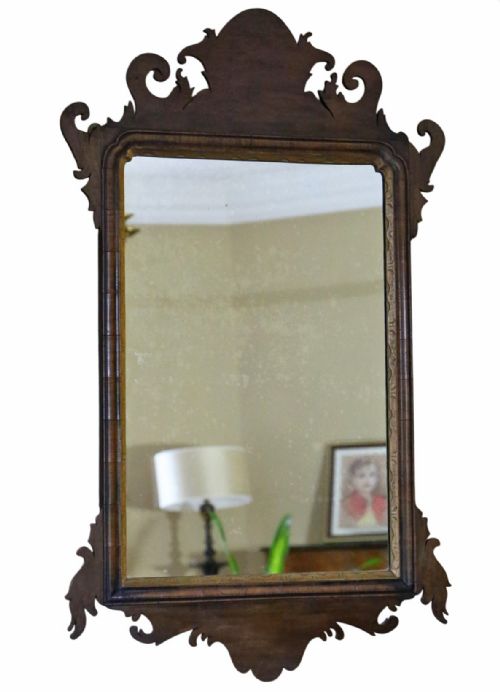
When you examine a traditional wooden wall mirror on this page, you encounter pieces spanning from the eighteenth century through to the twentieth century. These furnishings range from simple domestic oak and walnut frames to grand giltwood and gesso overmantel mirrors designed for principal rooms.
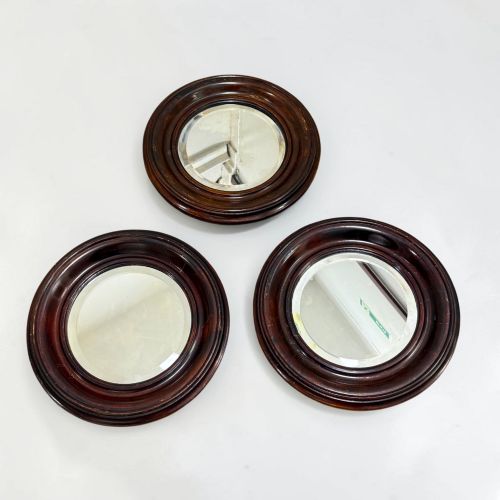
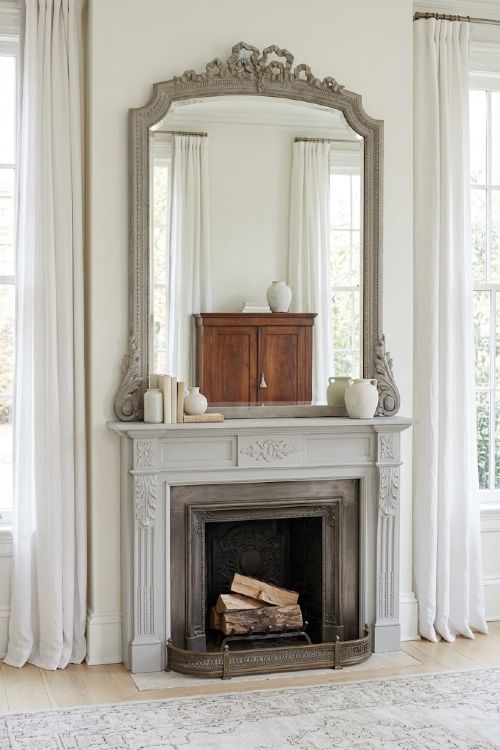
The selection frequently includes overmantel mirrors intended to sit above fireplaces, alongside smaller fret cut wall mirrors, picture frames, and occasional pieces in mahogany, rosewood, and burr walnut. Regional variations such as Anglo-Indian mirror sconces and French rectangular frames also appear within the collection.
Makers and craftsmen utilised diverse stylistic idioms, yielding Georgian style fretwork, Victorian carved mahogany, Edwardian inlaid designs, and twentieth century revivals. Buyers looking for practical room placement will find items varying widely in scale, from intimate wall-hung pieces to large architectural mirrors.
Materials and construction methods
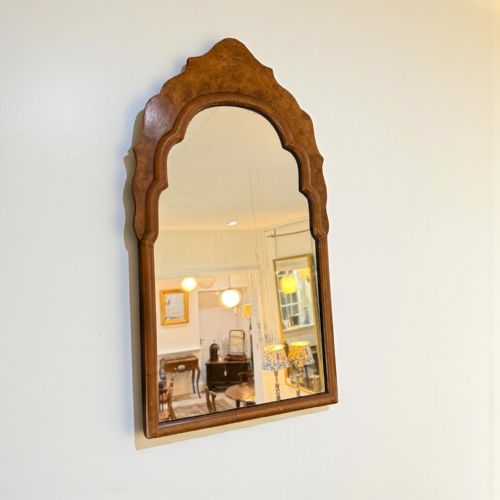
Cabinetmakers constructed these frames using solid and veneered hardwoods such as mahogany, walnut, oak, and occasionally rosewood. Timber selection dictated the structural integrity and grain pattern, with burr walnut and marquetry providing decorative surfaces on finer pieces.
Giltwood and gesso elements relied on carved wood bases built up with plaster layers before applying gold leaf or paint finishes. Brass detailing and mercury silvered glass plates further define the period authenticity of nineteenth century and earlier examples.
The collection spans periods from eighteenth century Georgian to twentieth century revivals and vintage pieces.
Distinctions in craftsmanship and condition
The distinction between standard domestic pieces and the finest examples rests upon the depth of the carving, the precision of fret cut woodwork, and the richness of the timber grain. Superior items exhibit crisp joinery and thoughtful proportions that reflect the aesthetic standards of their period.
Surface patination and the preservation of original gilding or polish determine the visual appeal of an antique frame. Subtle details such as brass ornamentation and the quality of the glass plate distinguish workshop production from mass manufacturing.
The Traditional Wooden Wall Mirror Glossary
- Overmantle Mirror
- A large mirror specifically proportioned to hang on the wall directly above a fireplace mantelpiece. These pieces often feature arched tops or gilt column frames.
- Gesso
- A plaster-based mixture applied to wood frames to create a smooth surface for carving or gilding. It allows for intricate decorative reliefs.
- Fret Cut
- Woodwork shaped using a fretsaw to create intricate geometric or scroll patterns, typical of Georgian style mirrors. This technique requires considerable manual dexterity.
- Marquetry
- The art of applying decorative veneer pieces to a structure to form intricate designs. Cabinetmakers utilised contrasting timbers to create pictorial surface patterns.
- Convex Mirror
- A round mirror with a curved glass surface designed to reflect a wide panoramic view of the interior. These are sometimes referred to as sorcerer's or witch's mirrors.
Traditional Wooden Wall Mirror: Frequently Asked Questions
How do I hang a heavy overmantel mirror?
Large overmantel mirrors require secure wall fixing into masonry or substantial timber studs using appropriate brackets to bear the considerable weight safely.
Professional installation is strongly advised for heavier nineteenth century giltwood and carved wood examples to prevent structural strain on the frame and fixings.
Are these mirrors fitted with original glass?
Many older pieces retain their original glass plates, which often display characteristic minor blemishes, foxing, or age spots reflecting their long history.
Replacement glass does occur during restoration, so examining the silvering and backing boards helps determine whether the mirror plate is contemporary with the frame.
How should I clean an antique wooden frame?
Maintain the timber and gilt surfaces by dusting gently with a dry, soft cloth to prevent the accumulation of dirt without introducing moisture.
Avoid modern chemical polishes and abrasive cleaners, as these can strip original wax finishes, damage fragile gesso, and degrade historic gilding.