



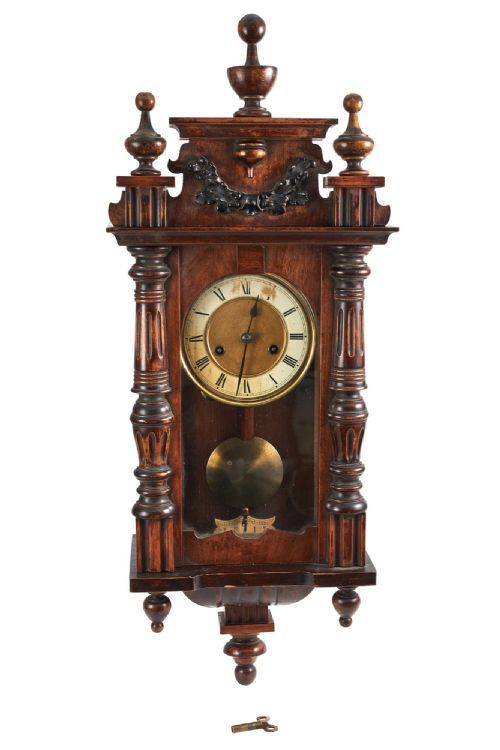
Traditional Wooden Wall Clock
These traditional wooden wall clock examples bring timekeeping heritage into a room through carved walnut, rich mahogany and disciplined dial work.
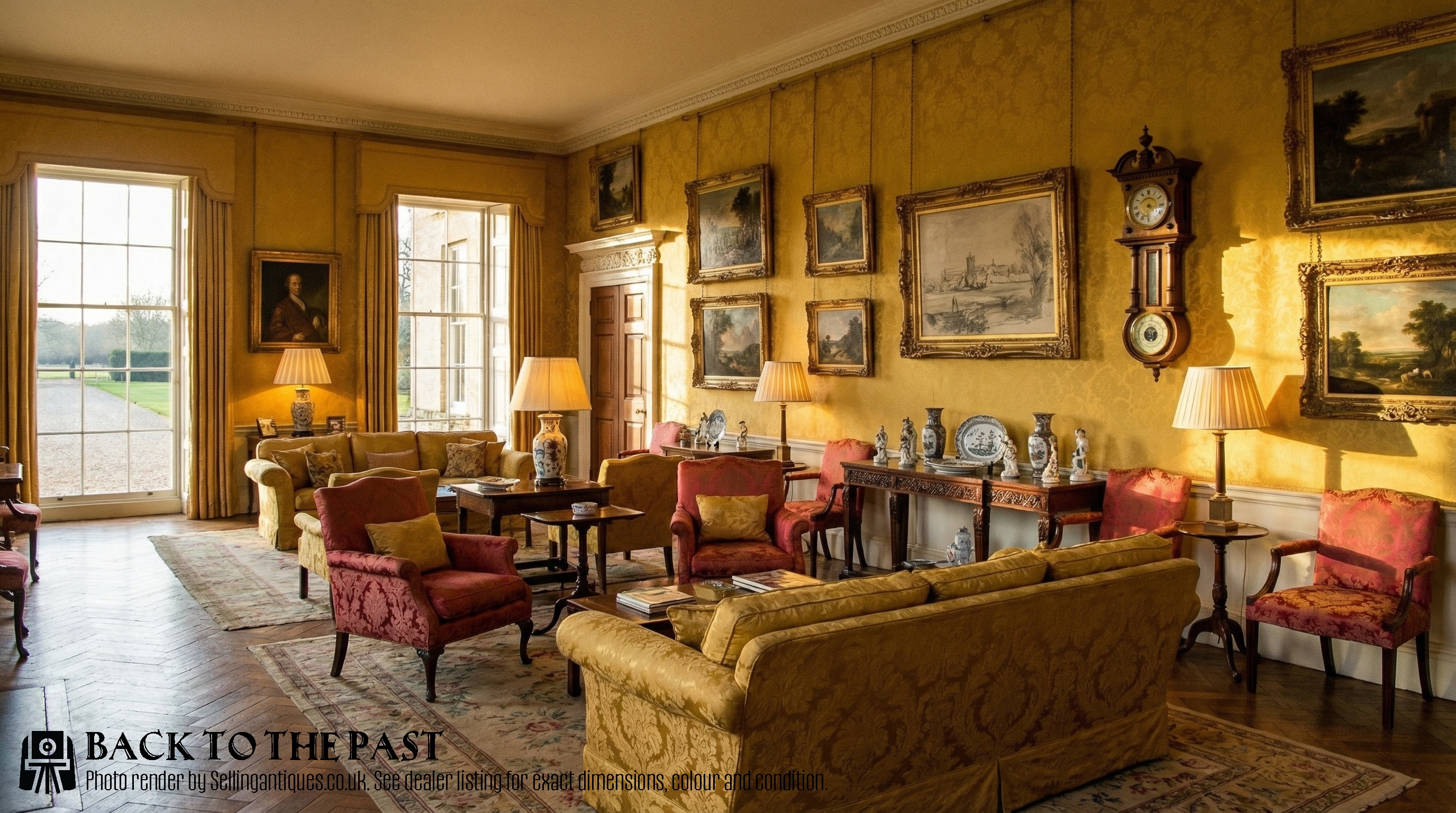
Traditional Wooden Wall Clock
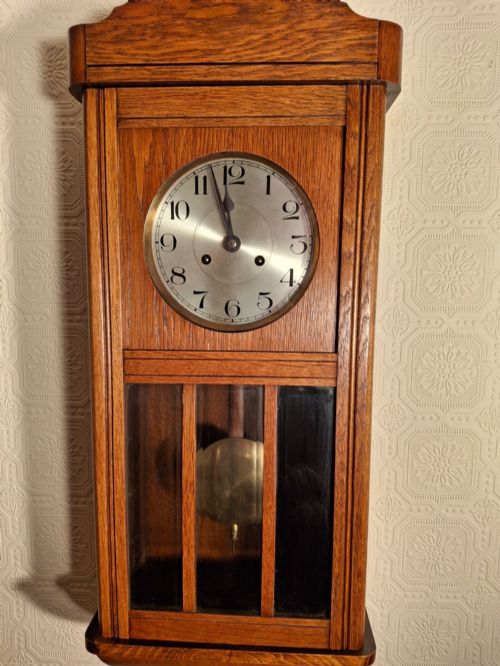
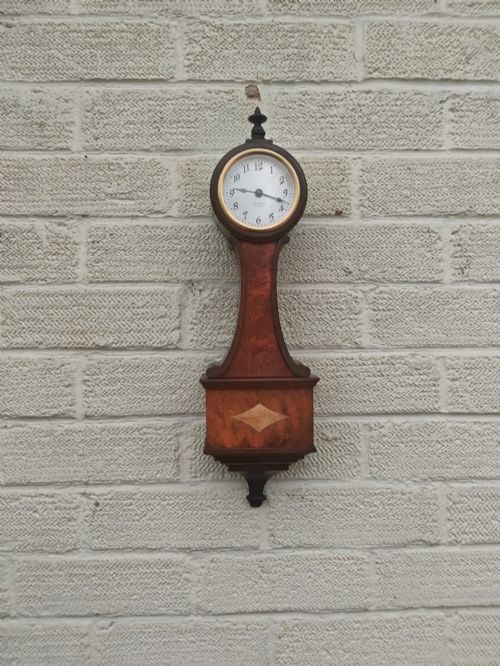
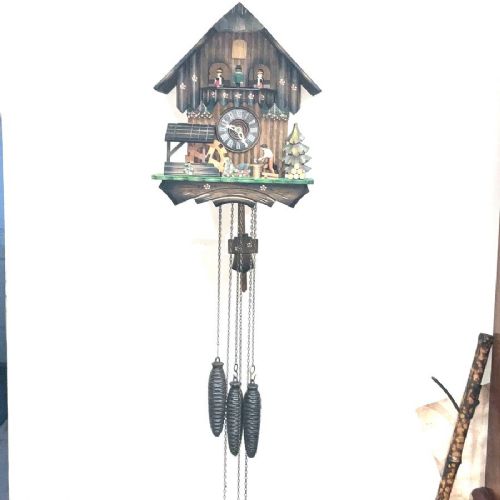
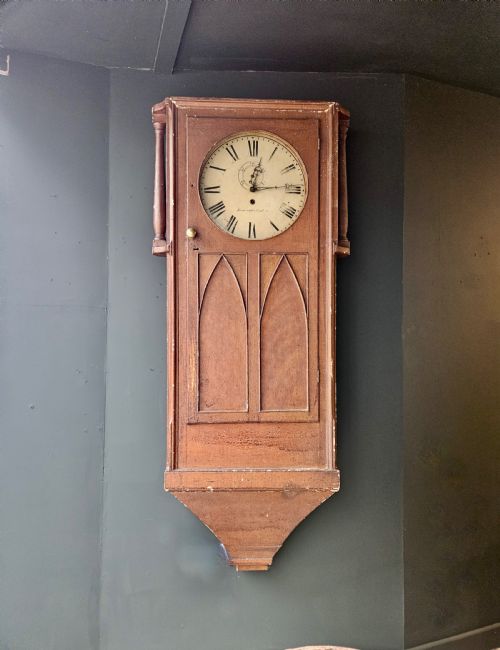
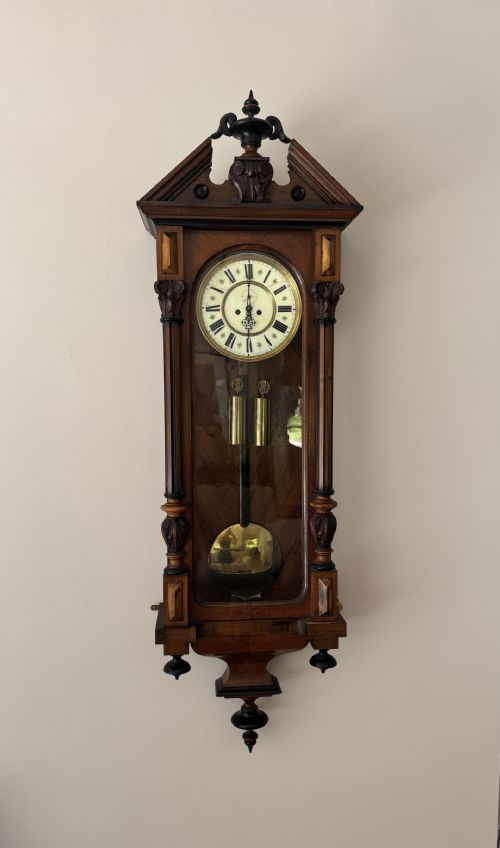
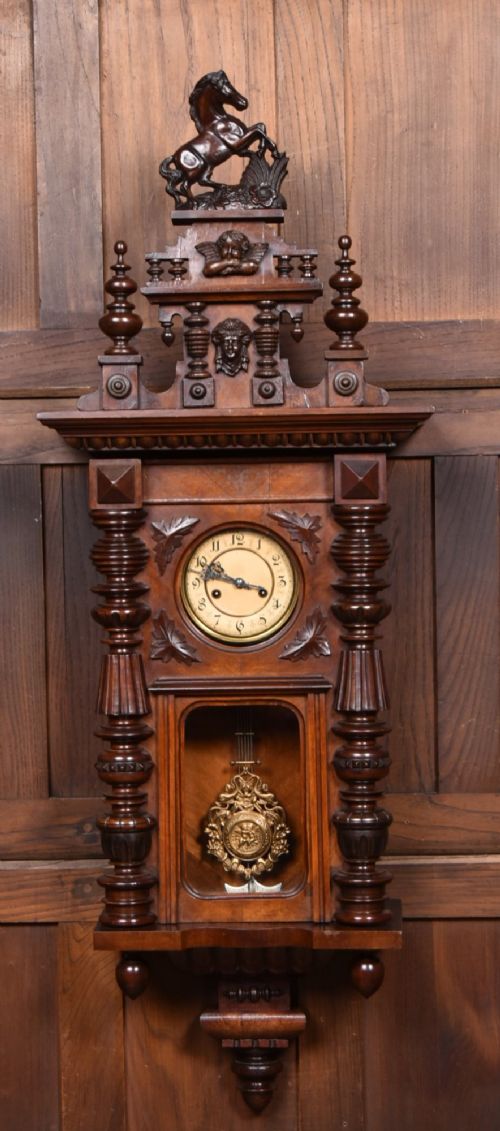
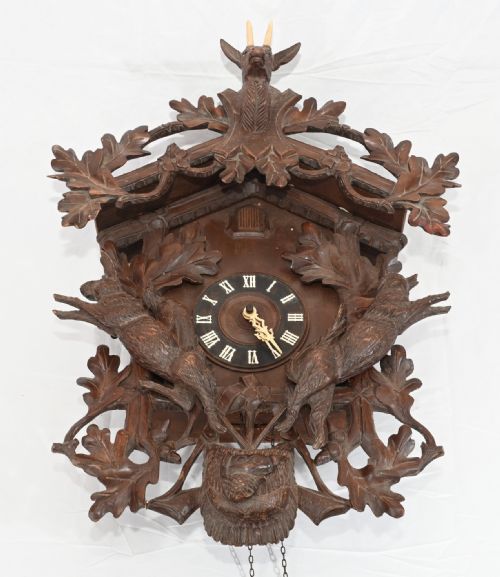
A traditional wooden wall clock spans compact dial clocks, architectural Vienna regulators, carved Black Forest cuckoo clocks and regional Dutch pieces. These objects serve as functional timepieces and wall furniture, anchoring domestic spaces with visible mechanics and timber cases.
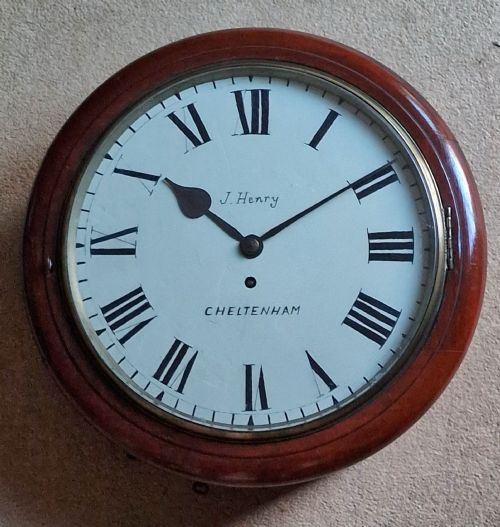
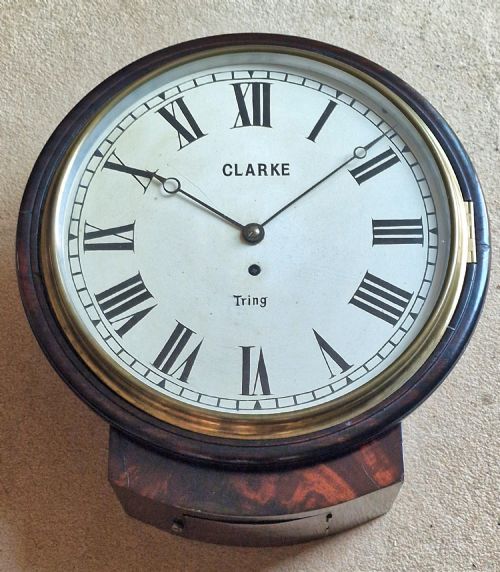
The selections here draw from Georgian, Victorian and Edwardian eras, alongside nineteenth and early twentieth century workshops. Buyers encounter mahogany drop dials, oak school clocks, and elaborate walnut carvings originating from British, German and Dutch makers.
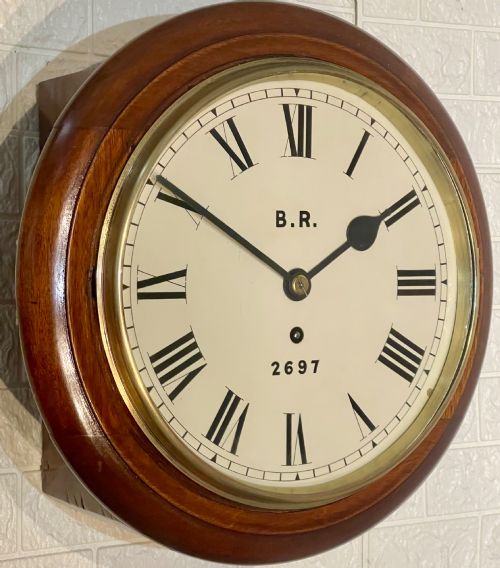
Dial clocks from railway stations and taverns appear alongside domestic Vienna wall clocks and mechanical musical automatons. Each form reflects the domestic and public timekeeping demands of its period, utilising timber cases designed to house weight-driven or spring-driven movements.
Materials and construction
Cabinetmakers built these clock cases primarily in mahogany, walnut and oak, occasionally turning to pine for regional tavern pieces. Solid timbers and veneers were shaped into drum heads, drop dials and architectural architectural backboards, then polished or painted.
Movements rely on brass components, iron gear trains and fusee mechanisms designed to maintain even tension as the driving spring unwinds. Glass doors and bezels protect paper, enamel or painted metal dials, while lead or brass bobs regulate the pendulum swing.
Traditional Wooden Wall Clock Retail Price Guide 2026
Typical asking prices for traditional wooden wall clock among the pieces listed under this phrase on Sellingantiques today, from the lower quarter to the upper quarter. They describe what is for sale here now, not the wider market.
Certain nineteenth-century German wall clocks incorporate mechanical musical automatons alongside traditional cuckoo calls.
Evaluating workmanship
Quality rests in the crispness of the timber carving, the selection of figured wood veneers and the precision of the dial markings. Superior examples display restrained, balanced proportions and harmonious integration between the dial housing and the lower trunk or pendulum window.
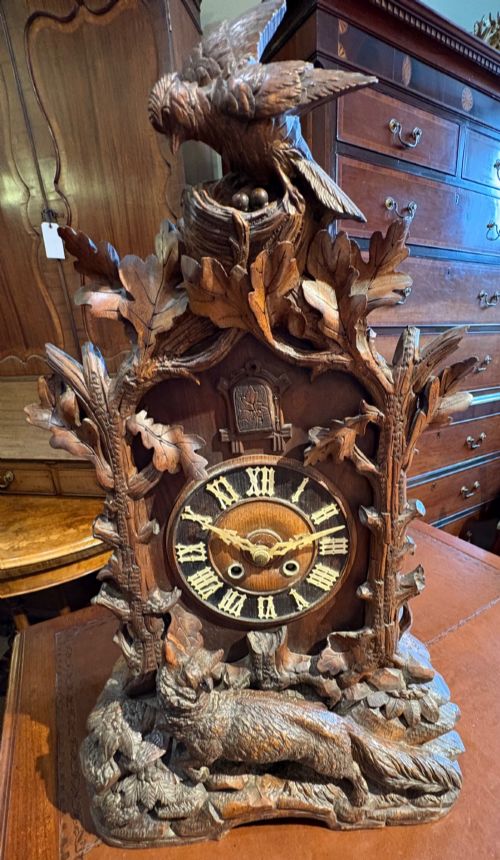
Movement finishing distinguishes standard production clocks from masterwork timepieces, showing in polished brass plates, clean wheel cutting and signed dial faces. Original paint surfaces on pine tavern clocks or deeply undercut foliage on walnut Black Forest carvings elevate the piece.
Seth Thomas·J Henry·George Clarke·John Walker·Henry Lamb·Cording·Connell·Henry Deykin·Johann Baptist Beha·J C Ralls·Butt Co Ltd·J A Wheatley·George Buckmaster
The Traditional Wooden Wall Clock Glossary
- Fusee
- A conical pulley connected to the mainspring by a chain or cord, designed to equalise the torque as the spring unwinds. This mechanism ensures consistent force is delivered to the clock escapement throughout the running period.
- Dial clock
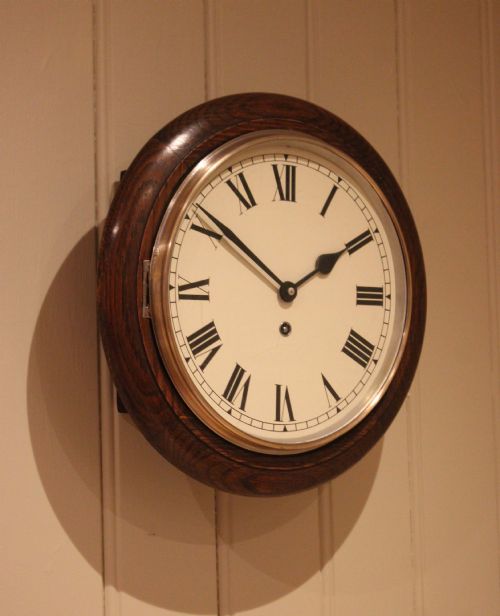
- A wall clock featuring a prominent circular face, frequently encased in mahogany or oak with a side or bottom access door. These clean designs originated for use in offices, railway stations and domestic halls.
- Vienna regulator
- A precision wall clock developed in nineteenth century Austria, housing a weight-driven movement visible through a glazed trunk door. They are celebrated for exact timekeeping and architectural walnut or mahogany cases.
- Black Forest cuckoo clock
- A carved wooden wall clock originating from the Black Forest region of Germany, driven by mechanical movements and often featuring automated figures. They are distinguished by elaborate vine, bird and foliage carvings executed in walnut.
Traditional Wooden Wall Clock: Frequently Asked Questions
How do fusee movements work?
A fusee movement uses a conical pulley and a fine chain to regulate the pull of the mainspring. As the spring loses tension, the chain rides higher on the cone to maintain steady power.
This clever engineering prevents the clock from losing or gaining time as it runs down between windings.
Where should I hang a dial clock?
Dial clocks suit hallways, kitchens and studies where clear visibility and straightforward timber cases complement the room. Choose a sturdy wall that avoids excessive vibrations from doors.
Ensure the clock hangs at a comfortable eye level so winding and pendulum observation remain straightforward.
What is a Vienna regulator?
Vienna regulators are refined wall clocks featuring long glazed cases that showcase the swinging pendulum and weighted brass works. Originating in nineteenth-century workshops, they prioritise exceptional timekeeping accuracy.
Their polished walnut and mahogany frames make them striking focal points in traditional interiors.