


Traditional Wooden Side Table
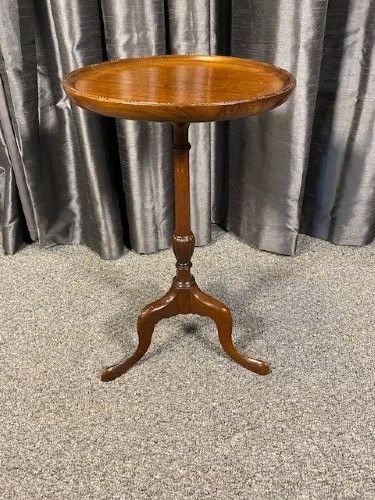
A traditional wooden side table anchors a room with practical surface space, drawing on centuries of cabinet-making in oak, mahogany and walnut.
Traditional Wooden Side Table
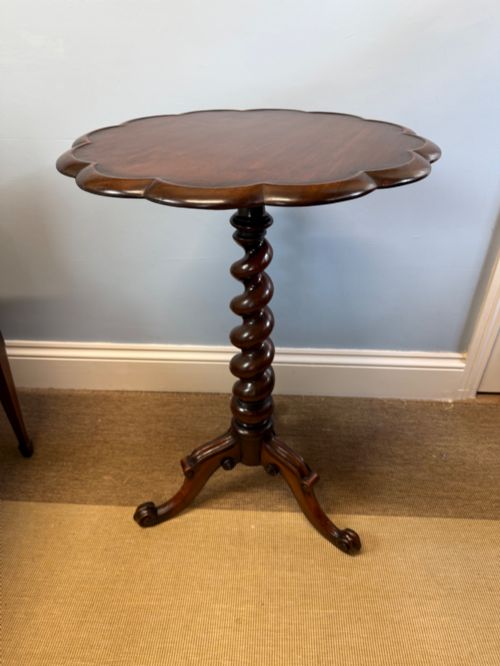
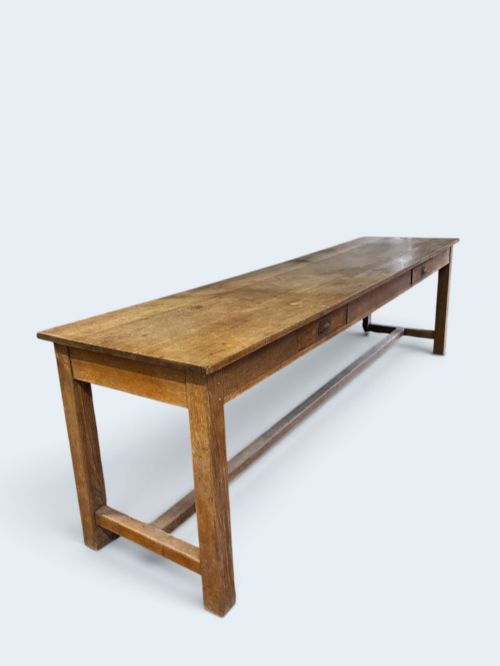
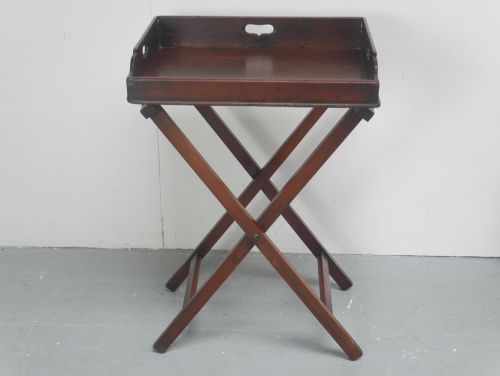
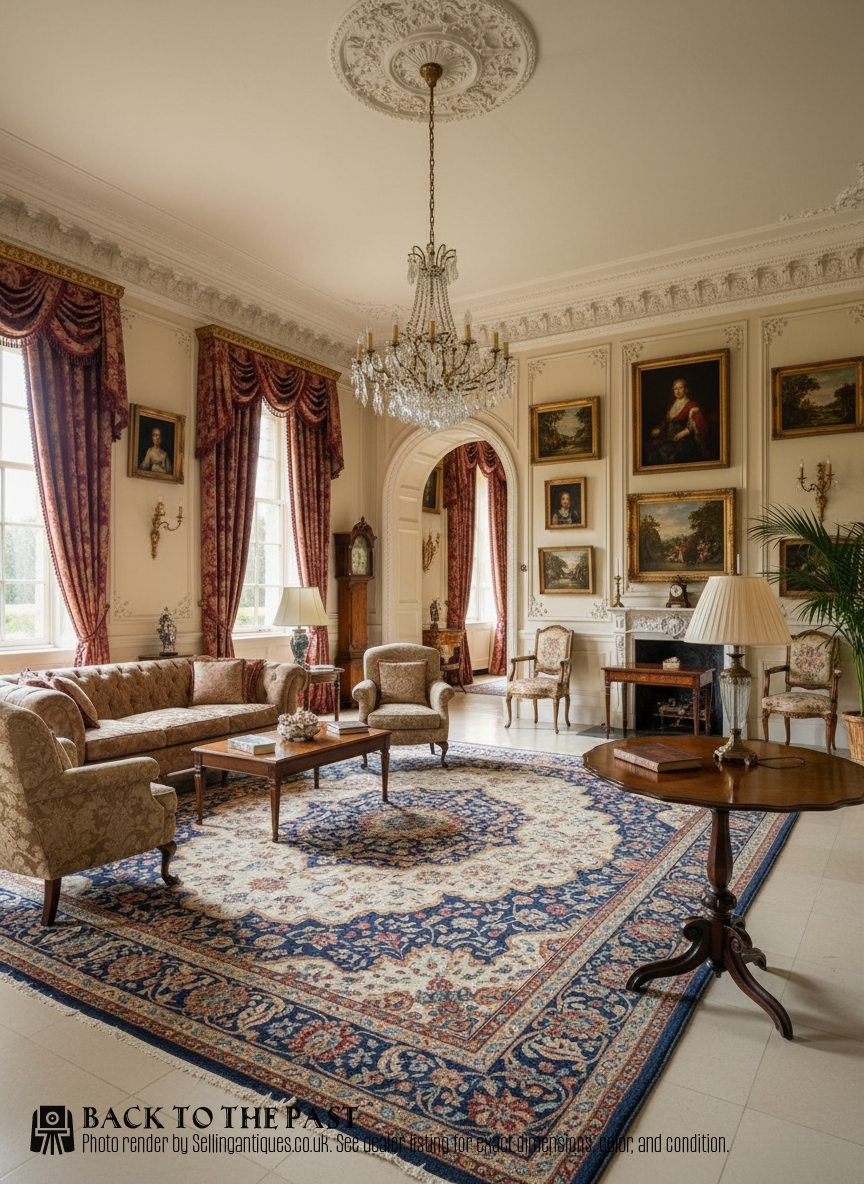
A traditional wooden side table encompasses a diverse array of small furniture forms, ranging from occasional and lamp tables to nests of tables, gateleg designs, and butler's trays on folding stands. These pieces emerge predominantly from the nineteenth and twentieth centuries, alongside select eighteenth-century examples spanning Georgian and Edwardian periods.
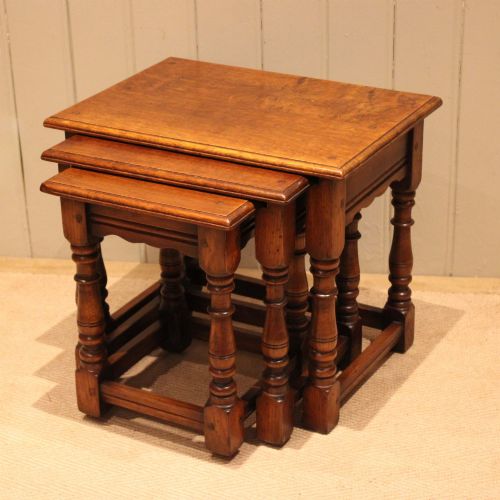
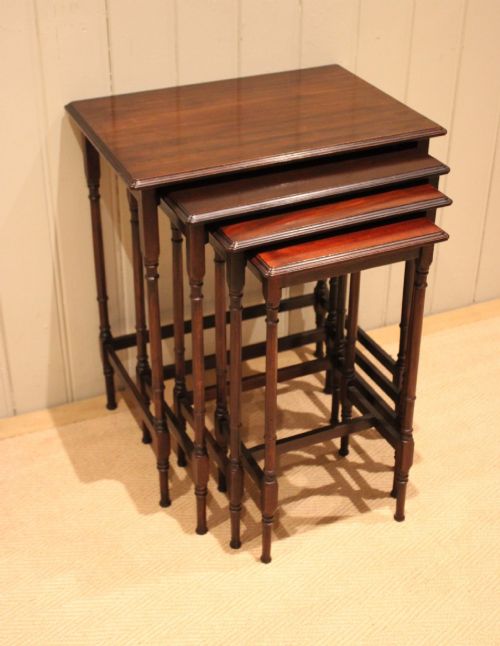
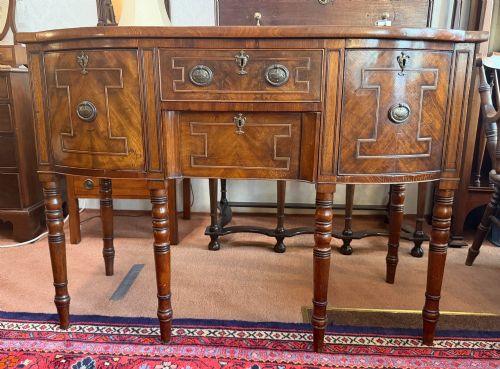
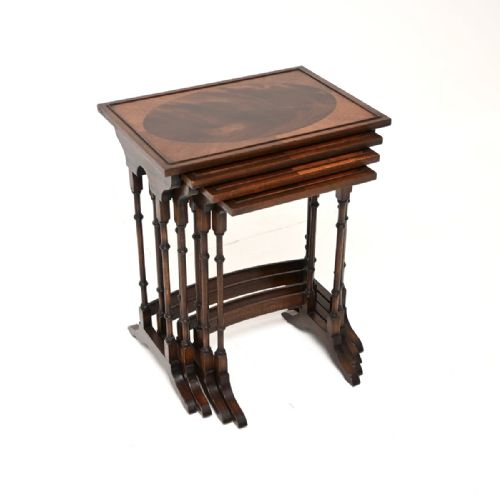
The most common iterations encountered on this page are mahogany and oak tables, frequently taking the form of side tables, occasional tables, or multi-tiered nests originating from the Victorian and Edwardian eras. Buyers also find utilitarian forms such as serving tables, lowboys, and joint stools constructed from regional timbers.
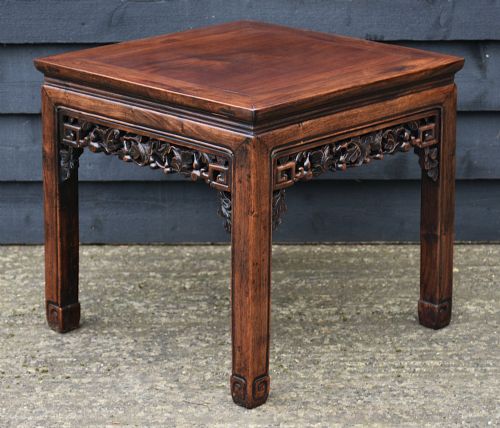
Origins stretch from English country workshops to metropolitan cabinet makers, incorporating occasional continental or imported hardwoods like Chinese rosewood and burr wood alongside native British oaks, pines, and yew.
Materials and construction
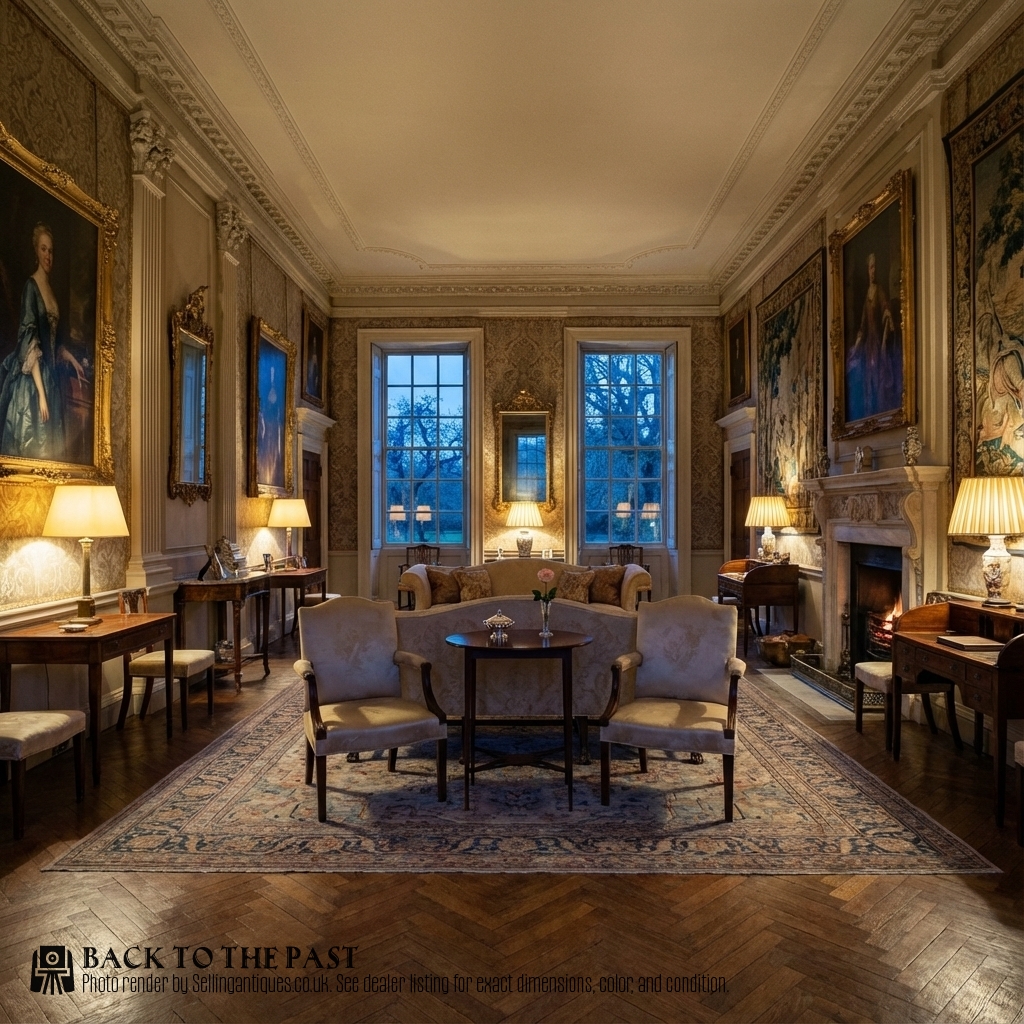
Makers utilised a deliberate selection of timbers, relying heavily on durable hardwoods such as oak and mahogany for structural integrity, complemented by walnut, yew wood, sycamore, and ash for specific surfaces and details. Secondary woods appear in internal framing, while brass and iron provide functional hardware like hinges, castors, and birdcage mechanisms.
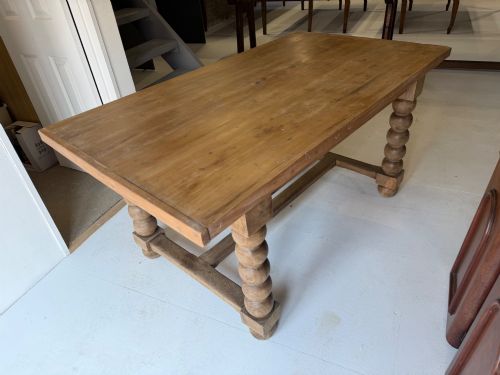
Construction techniques combine solid timber framing with thoughtful turning, jointing, and occasional veneer work, visible in bobbin legs, gateleg actions, and tilt-top mechanisms. Surfaces range from plain waxed finishes to honey and golden tones that highlight the natural grain of the wood.
Traditional Wooden Side Table Retail Price Guide 2026
Typical asking prices for traditional wooden side table among the pieces listed under this phrase on Sellingantiques today, from the lower quarter to the upper quarter. They describe what is for sale here now, not the wider market.
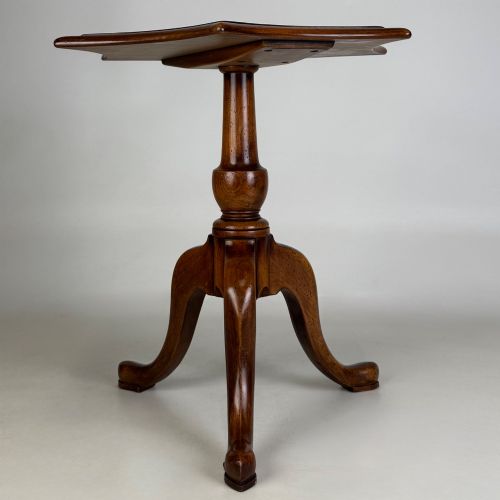
A birdcage mechanism lets a small table tilt its face to the wall like a polite servant caught napping.
Evaluating construction and timber
Quality rests upon the selection of timber and the precision of the joinery, distinguishing between utilitarian vernacular pieces and finer metropolitan cabinet work. Dense, well-figured grains in mahogany, walnut, or oak indicate superior material selection by the maker.
Structural integrity relies on the tightness of joints and the smooth operation of moving parts, such as gateleg folding actions, drop-leaves, tilt-top birdcage mechanisms, and removable butler's trays. Subtleties in turning, such as bobbin legs or shaped aprons, separate standard workshop output from exceptional examples.
The Traditional Wooden Side Table Glossary
- Butler's tray
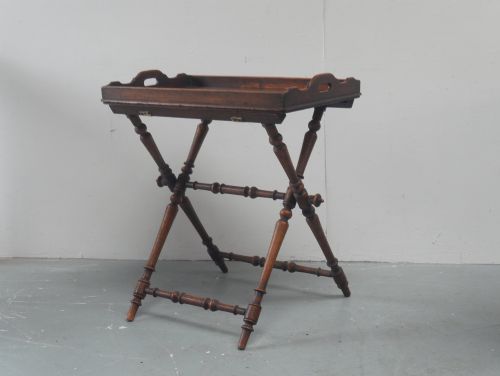
- A removable wooden tray with hinged or fixed sides, designed to sit upon a separate folding stand. These versatile pieces were traditionally used for serving or clearing.
- Gateleg table
- A table featuring drop leaves supported by hinged legs that swing outward like a gate. This clever design allows the table surface to expand or contract significantly.
- Lowboy
- A small domestic table with one or more rows of drawers beneath the top, typically standing on four tall legs. They served variously as dressing tables, side tables, or small writing desks in the eighteenth century and later.
- Sutherland table
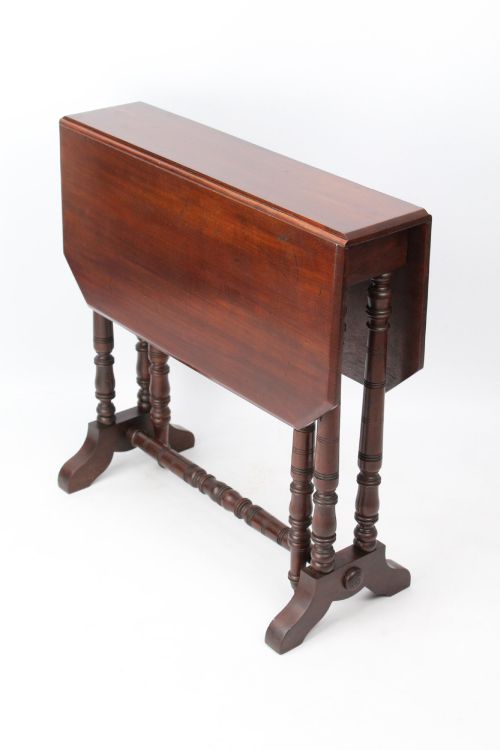
- A narrow drop-leaf table where the leaves comprise a large portion of the top, supported by gatelegs that fold nearly flat. The design maximises space-saving utility in smaller rooms.
- Birdcage mechanism
- A rotating wooden framework beneath a tilt-top table that allows the tabletop to pivot as well as tilt vertically. This sophisticated feature appeared on better quality occasional tables.
Traditional Wooden Side Table: Frequently Asked Questions
What is a traditional wooden side table used for?
These tables provide convenient surface space for lamps, books, and decorative objects in living rooms, hallways, and bedrooms. Their compact proportions make them adaptable to tight corners or beside seating.
Historically, specific variants such as butler's trays or lowboys fulfilled domestic tasks like serving refreshments or personal grooming.
How do I date an antique side table?
Dating relies on examining the timber species, construction joints, hardware, and stylistic indicators such as leg turning or edge moulding. Eighteenth-century pieces often display hand-cut joinery and native hardwoods like oak, while Edwardian and later examples introduce machine-sawn elements and varied veneers.
Comparing the piece against documented regional styles helps narrow down its period of manufacture.
Are nest of tables a recent invention?
Nests of tables gained significant popularity during the Edwardian period and the 1920s, offering a clever solution for entertaining in smaller domestic spaces. Sets typically comprise three or four graduated tables that slide neatly beneath one another.
Earlier centuries focused primarily on single occasional tables, gateleg designs, or folding tray stands rather than nested suites.
How do I care for a wooden side table?
Maintain the finish by dusting regularly with a soft, dry cloth and applying natural beeswax periodically to nourish the timber. Avoid placing wooden furniture in direct sunlight or near heat sources, which can dry out the wood and cause splitting.
Using coasters and mats prevents moisture rings and heat damage to the polished surface.