


Traditional Wooden Seating
Traditional wooden seating offers robust chairs, benches, and stools spanning multiple periods to anchor any room.
Traditional Wooden Seating
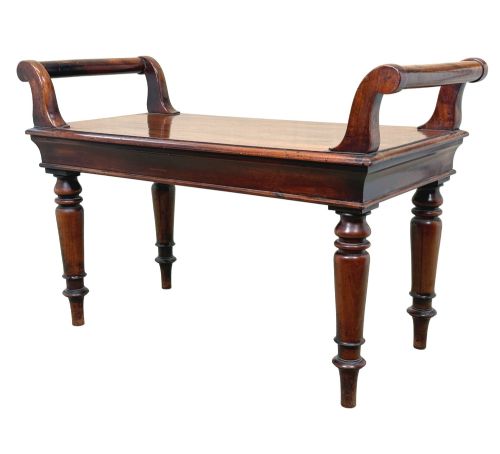
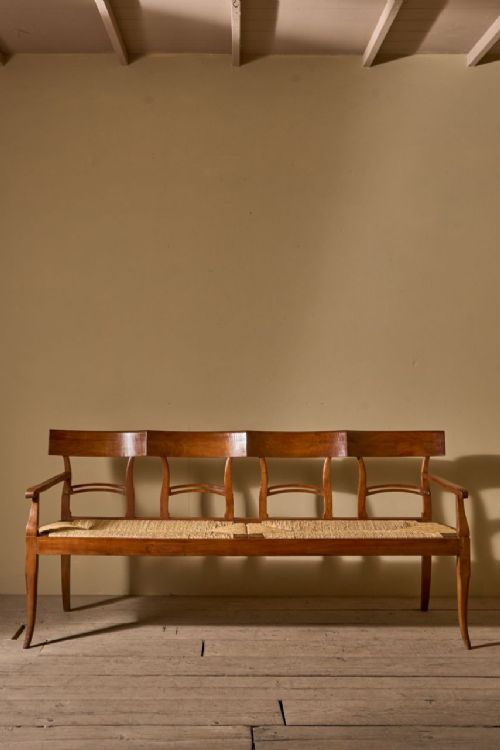
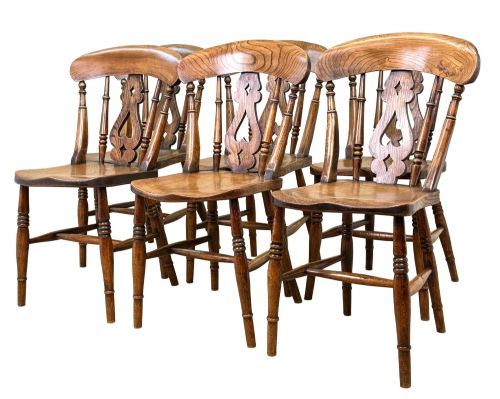
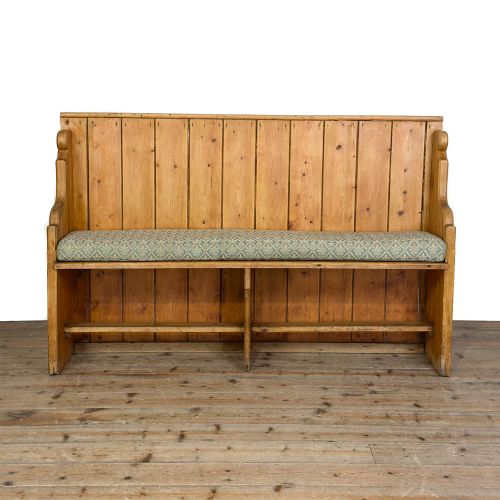
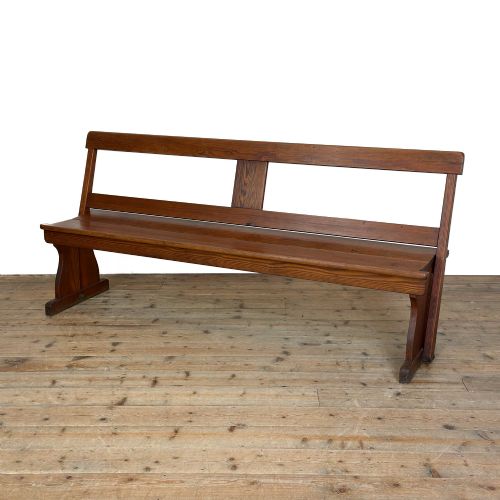
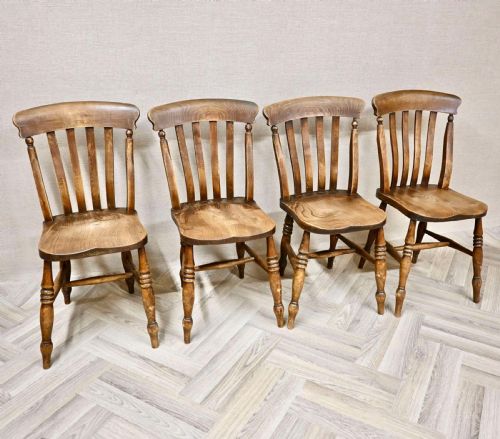
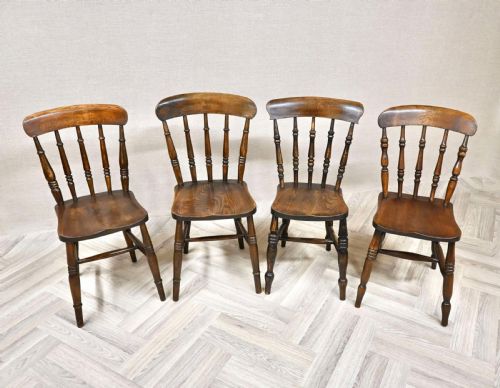
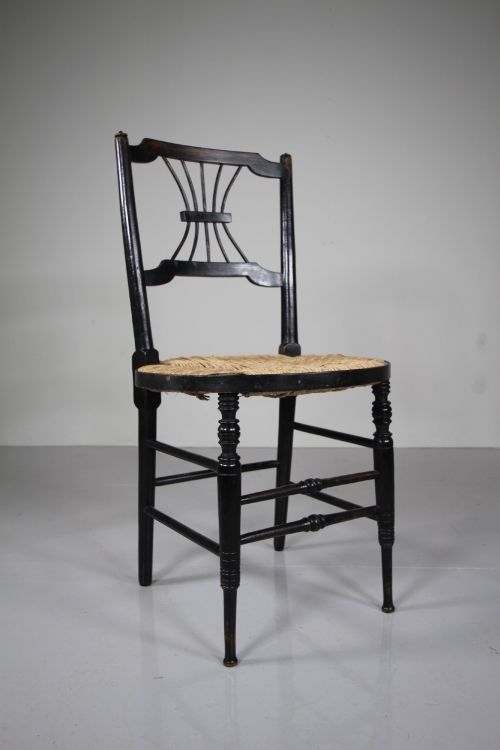
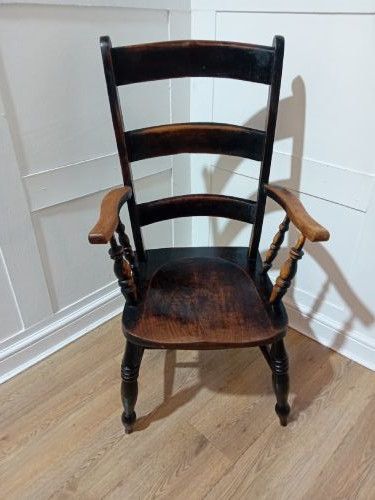
Traditional wooden seating encompasses dining chairs, armchairs, benches, settles, and stools designed for practical everyday use. Buyers searching for traditional wooden seating often encounter Windsor chairs, ladderbacks, and sturdy benches shaped from native timbers.
The selections span the Georgian, Victorian, and Edwardian eras, alongside pieces from the nineteenth and early twentieth centuries. Dining chairs and country armchairs dominate the offerings, frequently appearing as matched sets or individual carvers.
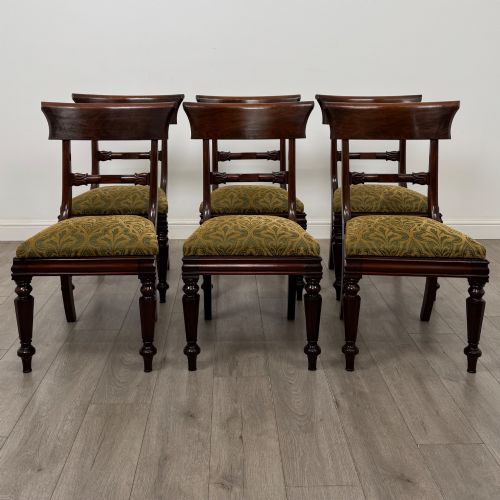
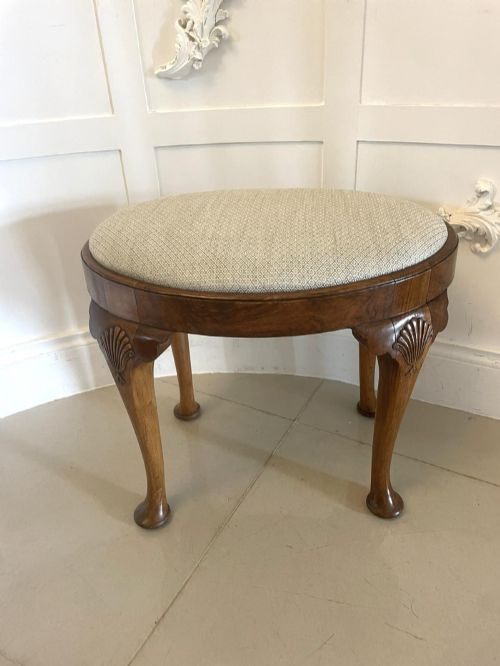
Regional forms such as Thames Valley Windsor chairs and Welsh oak settles sit alongside formal Regency and William IV mahogany dining seats. Utility chairs and pub stools complete the spectrum of utilitarian domestic furniture.
How they were made
Turned spindles, steam-bent bows, and joined frameworks define the construction methods used by vernacular and formal cabinet makers. Woods like elm, ash, and beech provide the flexible strength needed for Windsor bow backs and spindle legs.
Mahogany, oak, and walnut serve for more formal dining chairs and benches, where carved ladderbacks and bar backs display precise joinery. Surfaces often retain original finishes or develop deep patination through decades of domestic handling.
Secreted in country kitchens, a stout tavern stool quietly witnesses centuries of spilled ale and heated village debates.
What varies in quality
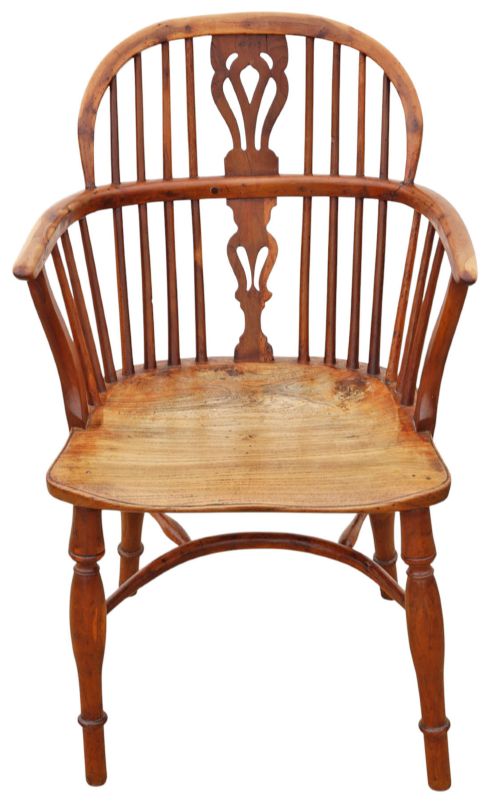
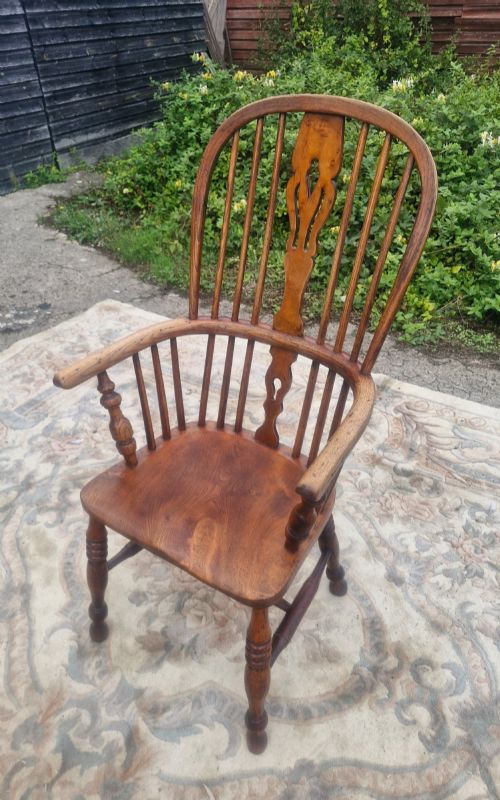
The refinement of turning on spindles and legs distinguishes workshop output, separating standard kitchen seating from commissioned cabinet work. Timber selection matters greatly, particularly in Windsor chairs where contrasting woods like yew and elm highlight deliberate material pairing.
Originality of surface finish and the preservation of structural integrity dictate the standing of individual pieces. Well-balanced proportions and intact wedged joints elevate vernacular seating far above utilitarian replacements.
William Morris·Rossetti
The Traditional Wooden Seating Glossary
- Windsor chair
- A chair built with a solid wooden seat into which the legs and back spindles are directement inserted. They frequently feature steam-bent bowed backrests and contoured saddle seats.
- Settle
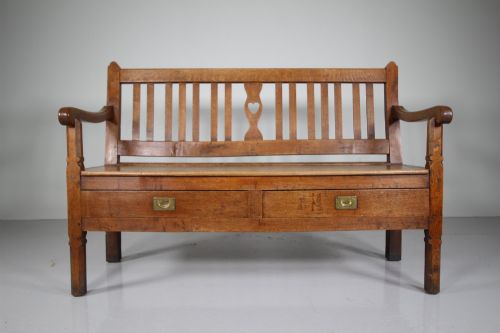
- A high-backed wooden bench with solid arms and a storage box base beneath the seat. They historically protected inhabitants from draughts in domestic hallways and tavern kitchens.
- Carver
- An armchair designed to match a set of single dining chairs, traditionally placed at the head of a table. They incorporate substantial elbow rests.
- Joint stool
- A low wooden seat constructed with mortise and tenon joints pegged together securely. These early forms preceded lighter chair designs in domestic interiors.
- Bar back
- A dining chair style featuring a horizontal wooden splat shaped like the top rail of a horse bridle. This design gained popularity during the Regency and William IV periods.
Traditional Wooden Seating: Frequently Asked Questions
What is a Windsor chair?
A Windsor chair is a seating form featuring a solid wooden saddle seat that directly receives turned legs and back spindles.
These chairs often incorporate steam-bent wooden bows and sometimes combine timbers like yew and elm for visual contrast.
How do I identify a settle?
A settle is a high-backed wooden bench designed with solid wooden arms and often a hinged seat concealing a storage box.
They were placed near hearths or in hallways to block cold draughts in older homes.
Where were Windsor chairs made?
Windsor chairs emerged from various regional English production centres, notably the Thames Valley and rural workshops across the countryside.
Local timber availability dictated whether makers utilised elm, ash, beech, or yew for construction.
How should I care for wooden seating?
Traditional wooden seating requires stable indoor humidity levels to prevent timber shrinkage and movement in joints.
Periodic application of appropriate wax polish helps nourish the surface and preserve the historic finish.