
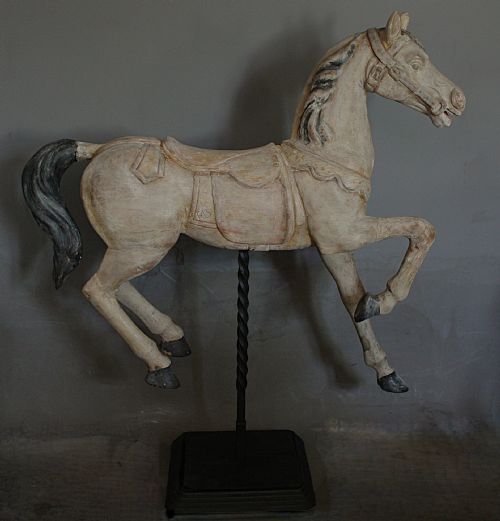


Traditional Wooden Rocking Horse
A traditional wooden rocking horse brings enduring charm to a room, offering both heirloom character and the warmth of carved timber.
What traditional wooden rocking horse examples look like
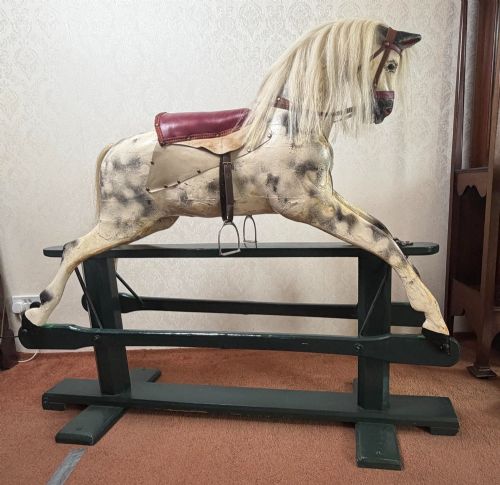
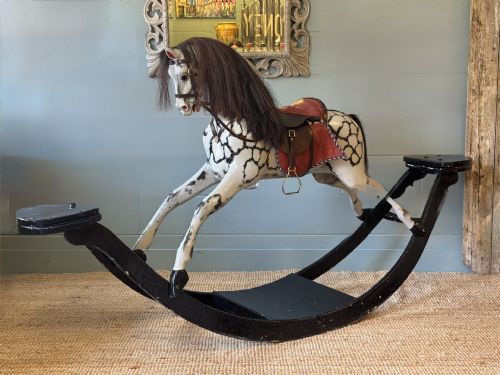
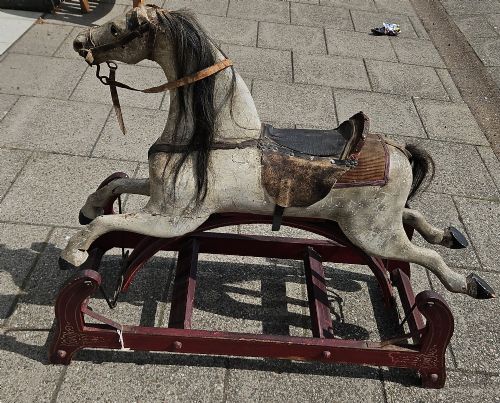
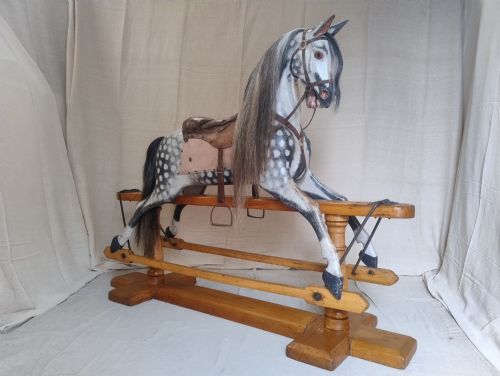
When you search for a traditional wooden rocking horse, you encounter sturdy pieces dating from the Victorian era up through the early twentieth century. These objects include both sophisticated workshop creations and naive folk art interpretations.
The pieces typically stand upon original wooden bow rockers, designed to provide a smooth motion during play. You will find examples hailing from British makers, American workshops, and Spanish folk traditions.
Victorian and Edwardian versions dominate the selection, showcasing carved timber bodies equipped with saddles and reins. Each piece reflects the specific aesthetic of its origin, ranging from polished British craftsmanship to rustic painted surfaces.
Construction and materials
These pieces rely on solid wood, often carved by hand to shape the body and head of the animal. Artisans incorporated metal, iron, steel, and brass for structural reinforcement and hardware.
Makers finished the horses with organic materials including genuine leather for tack and horsehair for manes and tails. Glass eyes completed the lifelike appearance, while paint decorated the folk art and Victorian examples.
Retail Price Guide 2026
Typical UK retail prices for traditional wooden rocking horse, calculated from the Sellingantiques database of over a million retail prices indexed since 2003. This retail price guide relies exclusively on Sellingantiques data; no external sources or auction records are used, so the figures do not describe the wider market.
Materials recorded across these objects include wood, leather, horsehair, metal, iron, glass, steel, and brass.
Judging quality and character
Superior quality rests in the depth of the carving and the preservation of original surfaces, particularly on pieces retaining their initial paint or finish. The presence of an original rocker substantially elevates the integrity of the object.
At the lower end, heavy restoration or replacement tack alters the historical coherence of the piece. The skill of the carver dictates the liveliness of the expression and the overall proportion of the animal.
F.H. Ayres·Lines Bros Sportiboy
The Traditional Wooden Rocking Horse Glossary
- Bow rocker
- The curved wooden stand beneath the horse that allows the rocking motion. Original rockers are integral to the historical value of the piece.
- Tack
- The harness, saddle, and reins fitted onto the horse. These elements often combine leather and metal hardware.
- Folk art
- Objects created by self-taught or traditional artisans rather than commercial workshops. These pieces often feature naive painted surfaces and simpler construction.
- Victorian
- Pertaining to the reign of Queen Victoria, a period noted here for detailed carved wooden horses. Pieces from this era show distinct nineteenth-century craftsmanship.
Frequently Asked Questions
How do I date a wooden rocking horse?
Dating relies on examining the construction methods, the style of the carving, and the materials used for tack and eyes. Victorian pieces often show heavier, more detailed carving compared to later Edwardian examples.
Changes in hardware, such as the transition from hand-forged iron to mass-produced steel, also help narrow down the period of manufacture.
Are these rocking horses safe for children?
While built solidly from wood and metal, antique rocking horses are primarily valued as decorative historical objects rather than modern toys. Their aged wooden structures and historical finishes require careful handling.
Collectors generally preserve them in domestic settings as display pieces rather than active playthings for young children.
What is folk art style?
Folk art refers to pieces made outside academic traditions, often by local craftsmen or rural makers. Spanish and British examples in this style display charmingly naive painted decoration and simpler bodily proportions.
This aesthetic prioritises character and local tradition over strict anatomical accuracy.
How should I care for the wood and leather?
Keep wooden rocking horses away from direct sunlight and steady heat sources to prevent the timber from splitting. Maintaining a stable indoor climate protects both the carved wood and the historic leather tack.
Dust the surface gently with a dry cloth and avoid harsh modern cleaning chemicals.