

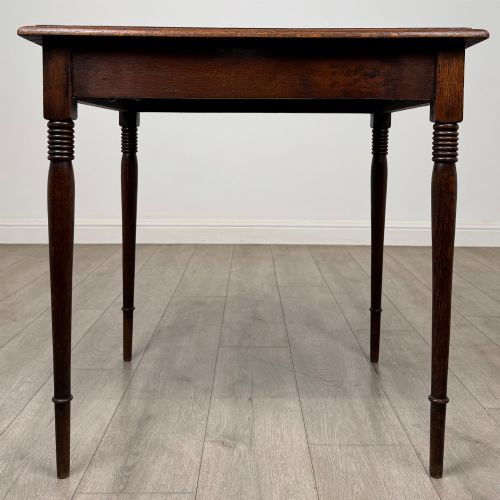
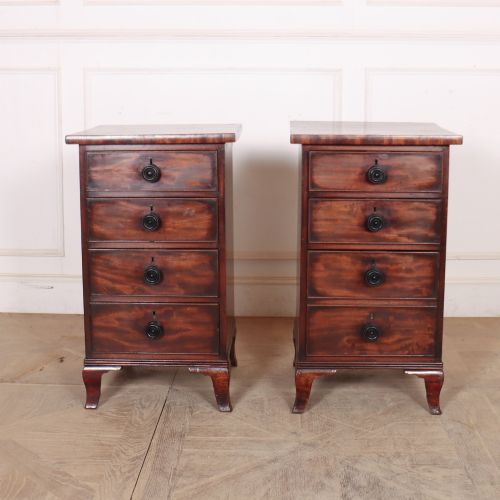
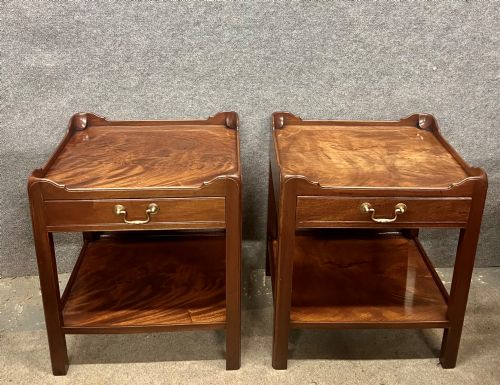
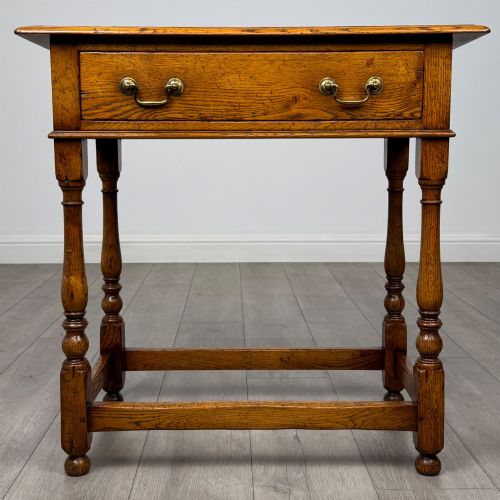


Traditional Wooden Nightstands
Traditional wooden nightstands are solid timber bedside storage pieces that keep nighttime essentials close at hand while anchoring a bedroom scheme.
Traditional Wooden Nightstands
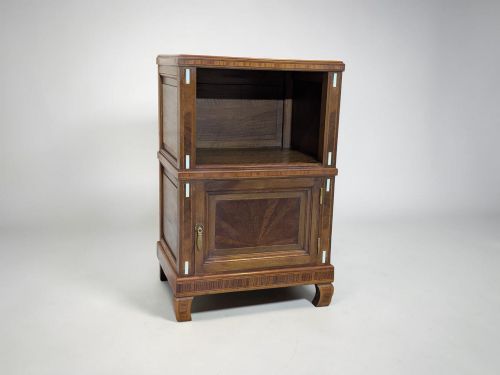
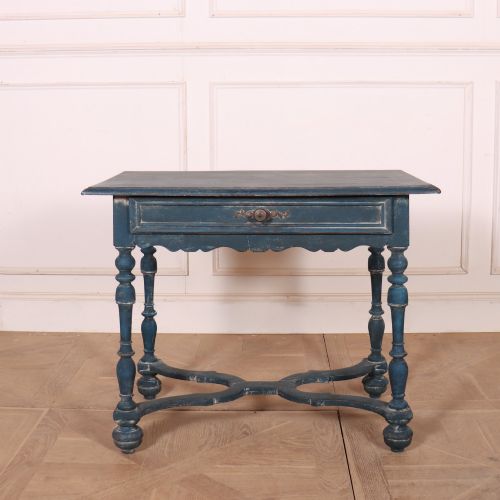
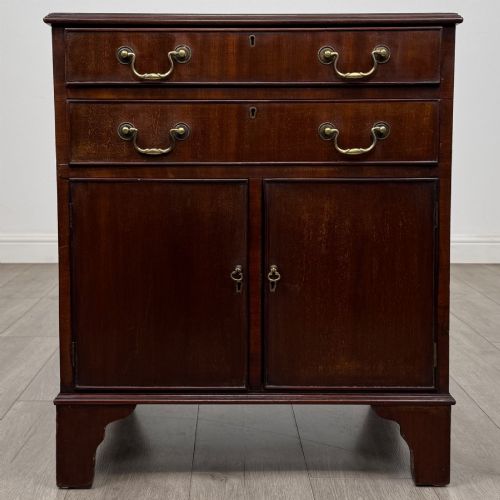
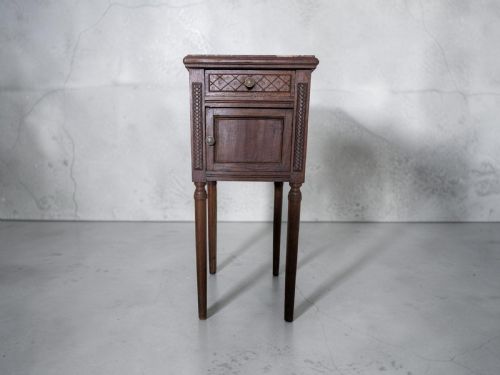
Traditional wooden nightstands encompass a variety of compact bedside forms, including enclosed bedside cabinets with cupboards, small side tables, and diminutive chests of drawers. These pieces emerge from periods ranging from the eighteenth century through the Edwardian era and the nineteen-thirties.
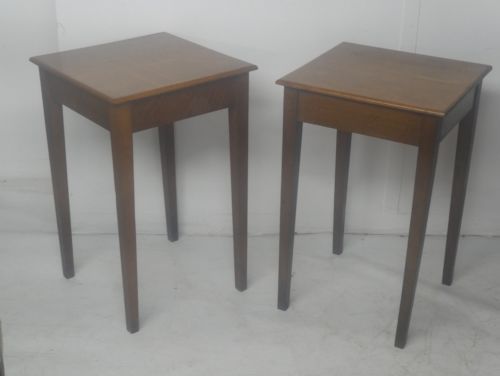
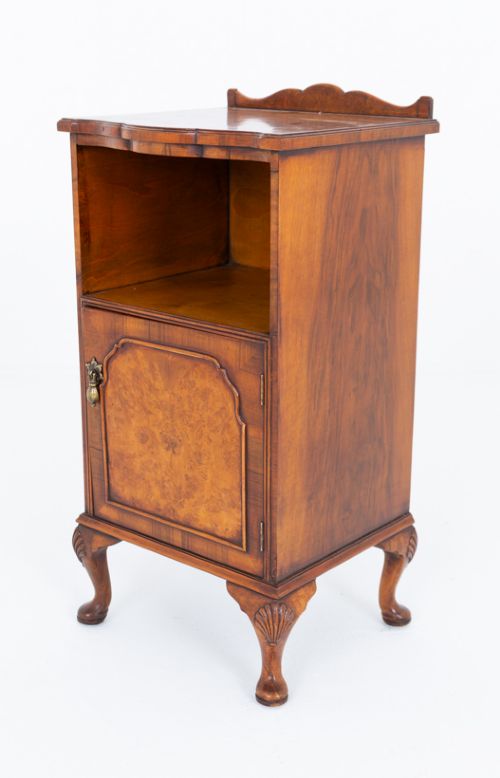
The version most commonly met on this page is the single-door bedside cabinet or small side table in mahogany, oak, or walnut. Makers constructed these items primarily for domestic bedrooms, adapting them over successive decades to changing domestic habits and storage needs.
Design influences across the selection draw heavily upon Georgian, Queen Anne, and Regency styles alongside English country traditions. Buyers encounter everything from carved Victorian oak cupboards to slender Edwardian side tables in golden oak.
How they were made
Cabinet makers utilised dense hardwoods such as mahogany, oak, and walnut, frequently selecting figured veneers like burr walnut and burr elm for top surfaces. These timbers provided the structural integrity needed for daily use alongside rich grain patterns.
Construction techniques relied upon traditional joinery, including dovetailed drawers and panelled cabinet doors, paired with brass handles and hinges. Certain pieces also incorporate carved decorative details or painted finishes executed directly onto the timber.
Periods represented span from the eighteenth century through Victorian, Edwardian, and nineteen-thirties eras.
What varies in quality
Quality rests upon the selection of timber figures, such as the richness of burr elm or Cuban mahogany, and the crispness of any carved ornamentation. Cabinets built with well-matched veneers and substantial timber framing sit at the higher end of the range.
The refinement of internal construction and drawer assembly also separates standard utility pieces from finer examples. Superior specimens display careful attention to drawer linings and stable, well-proportioned framing that withstands decades of bedside use.
The Traditional Wooden Nightstands Glossary
- Burr walnut
- A figured veneer taken from the abnormal growth of a walnut tree, prized for its swirling grain patterns. Cabinet makers applied these decorative veneers to prominent surfaces like table tops and cabinet doors.
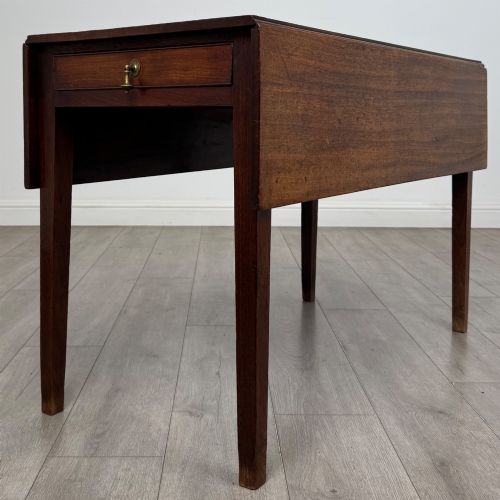
- Pembroke table
- A small occasional table featuring hinged flaps on either side that can be raised or lowered. These tables typically include a single drawer and slender legs.
- Oak
- A durable, heavy hardwood utilised extensively across English furniture production. Its prominent grain and warm tone make it a staple of traditional bedroom pieces.
- Cupboard
- An enclosed piece of furniture fitted with one or more doors to conceal storage space. In bedside pieces, these compartments keep chambers or personal items out of sight.
Traditional Wooden Nightstands: Frequently Asked Questions
How do I choose the right height?
Match the table top level to the top of the mattress so reaching for items remains comfortable in the dark.
Consider the clearance needed for bedside lamps and alarm clocks before making a final selection.
Are these pieces suitable for modern beds?
Traditional wooden nightstands offer versatile proportions that integrate easily beside contemporary bed frames.
Their classic timber tones warm up minimalist bedrooms while providing necessary surface space.
How do I care for antique timber?
Keep wooden surfaces away from direct heat sources and strong sunlight to prevent the timber from drying out.
Apply natural beeswax occasionally to maintain the lustre of mahogany, oak, and walnut finishes.