

Traditional Wooden Kitchen Table
A traditional wooden kitchen table anchors the room through plain utility, bearing the marks of daily preparation and communal meals across generations.
Traditional Wooden Kitchen Table
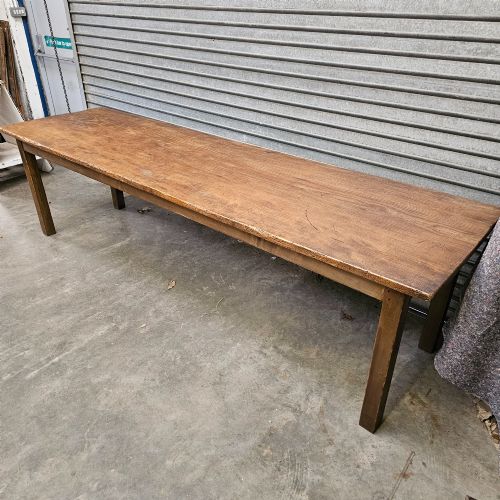
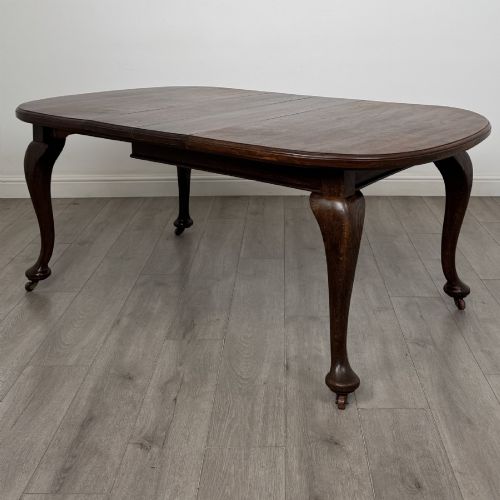
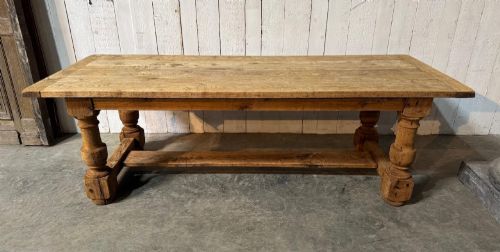
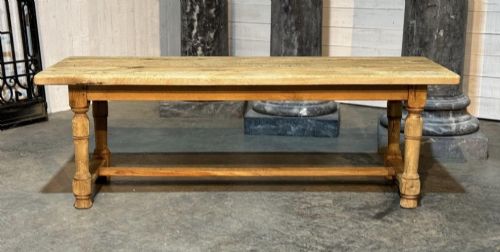
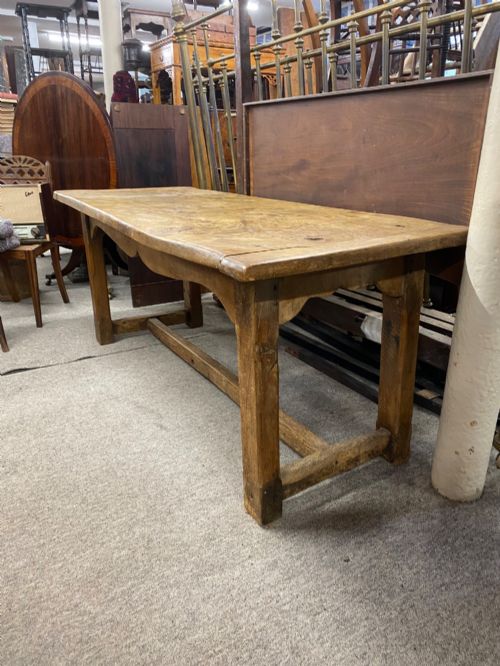
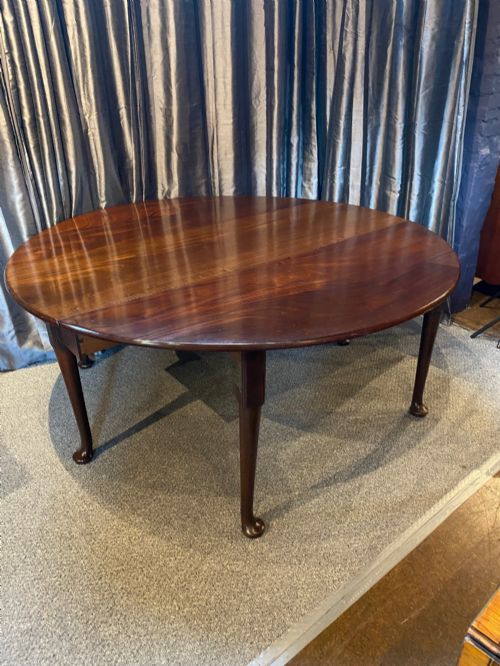
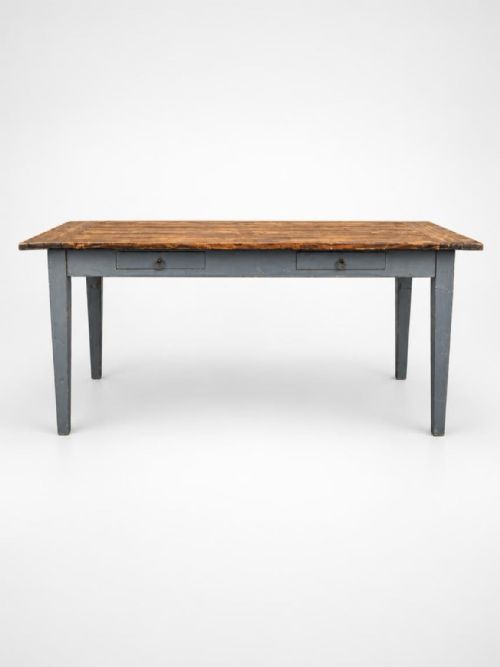
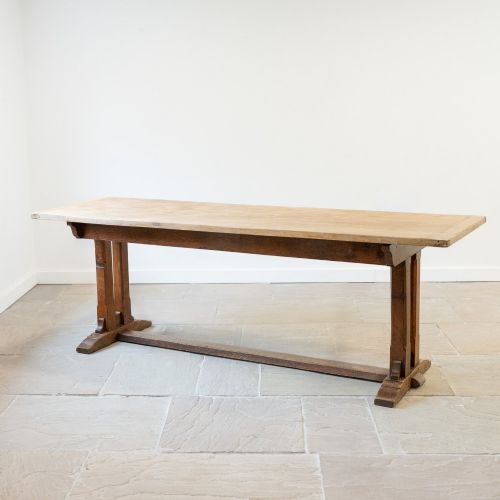
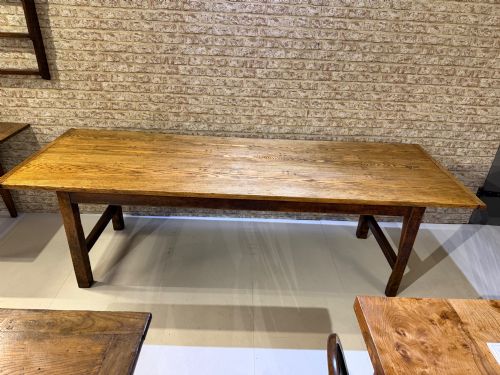
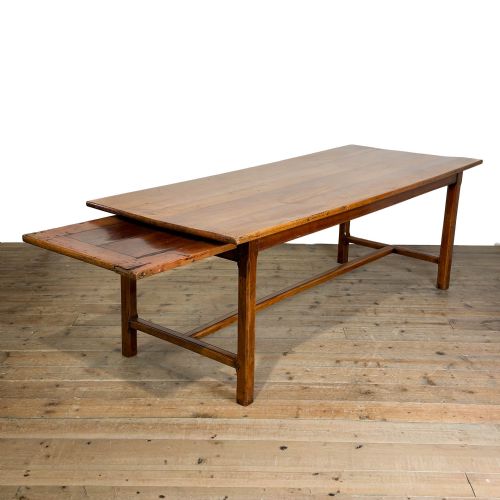
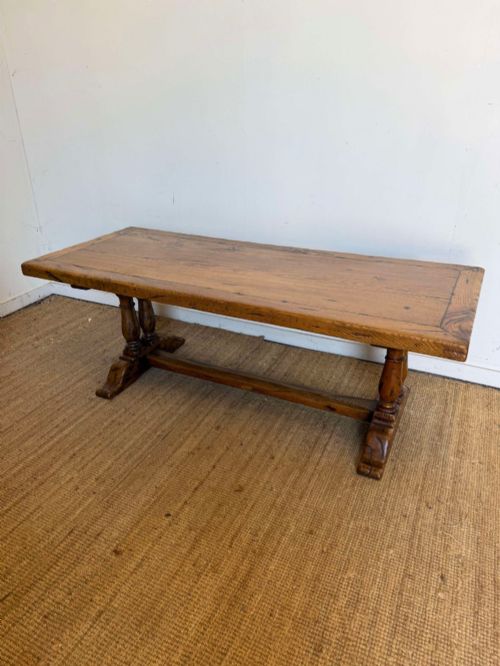
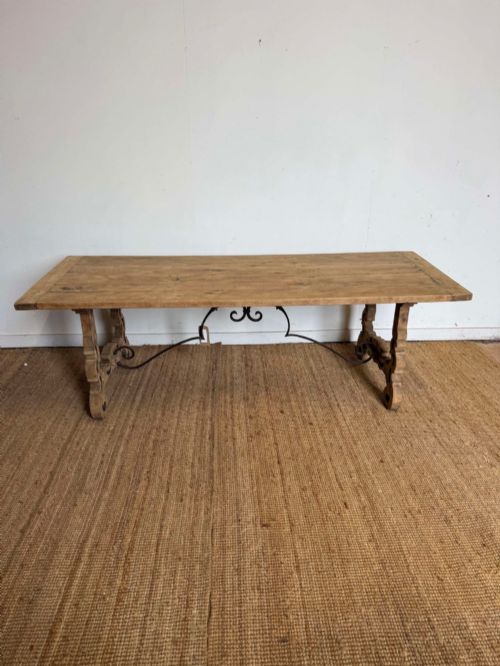
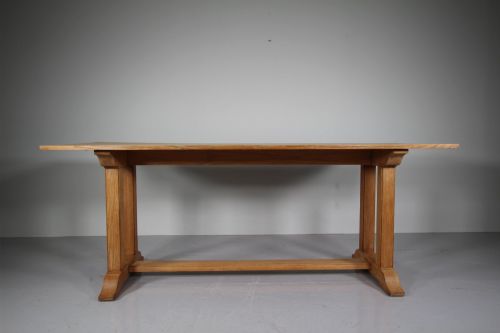
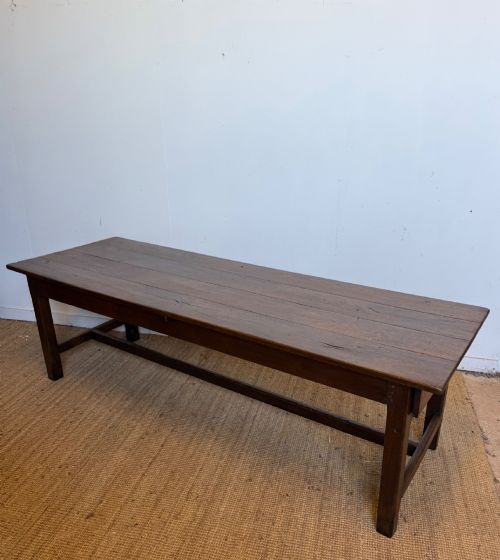
A traditional wooden kitchen table serves as the central work surface and gathering place in the home, taking forms such as refectory tables, draw leaf extensions, and simple farmhouse boards. These pieces emerge from periods spanning the eighteenth through the early twentieth centuries, reflecting the domestic habits of those eras.
Buyers will most frequently encounter nineteenth-century and Edwardian examples finished in oak, pine, or fruitwood, often showing styles grouped under rustic farmhouse or French country designations. These domestic workhorses range from compact side tables to long dining boards capable of seating larger households.
How they were made
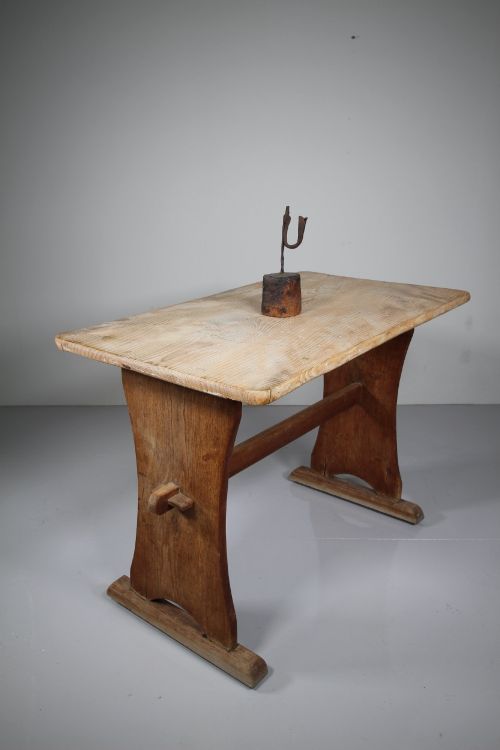
Carpenters built these tables using solid hardwoods and softwoods such as oak, beech, pine, and fruitwood, selecting materials for structural resilience under heavy daily use. Timbers were joined using traditional framing methods, often pairing thick tops with sturdy legs secured by stretchers, trestles, or potboards.
Surfaces were shaped by hand and left with simple finishes like wax or bare grain, allowing the wood to absorb the patina of regular domestic labour over decades.
Traditional Wooden Kitchen Table Retail Price Guide 2026
Typical asking prices for traditional wooden kitchen table among the pieces listed under this phrase on Sellingantiques today, from the lower quarter to the upper quarter. They describe what is for sale here now, not the wider market.
Several tables arrive with stubborn flecks of old paint still clinging to their stretcher bases from forgotten prep room walls.
What varies in quality
The standard of a traditional wooden kitchen table rests upon the integrity of its timber selection, distinguishing dense solid oak or seasoned fruitwood from more utilitarian soft pine boards. Heavier construction, such as thick refectory tops paired with substantial trestle ends or shaped legs, indicates a higher grade of manufacture intended for heavy service.
Design restraint and proportion further separate finer examples from basic utilitarian pieces, with well-balanced joinery and thoughtful detailing marking the work of more capable makers.
The Traditional Wooden Kitchen Table Glossary
- Refectory table
- A long, narrow dining table traditionally built for monastic dining halls and later adopted for domestic kitchens. These pieces typically feature sturdy stretcher bases supporting thick timber tops.
- Draw leaf table
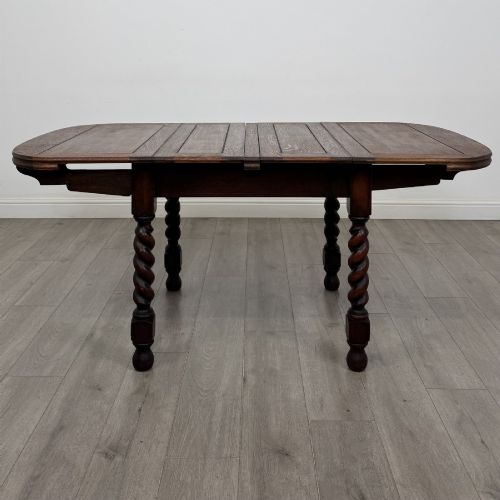
- A dining table equipped with sliding extension leaves stored beneath the main top. This mechanism allows the surface area to expand quickly when hosting larger gatherings.
- Potboard
- A lower slatted shelf fitted between the legs of a dresser base or heavy table. It provides open storage for pots, pans, and household utensils.
- Bobbin leg
- A turned furniture leg shaped with a series of rounded, spool-like swellings. This decorative woodworking detail appears frequently on seventeenth-century revival and nineteenth-century pieces.
Traditional Wooden Kitchen Table: Frequently Asked Questions
What defines a traditional wooden kitchen table?
These tables are practical domestic surfaces constructed from timbers like oak, pine, and fruitwood, designed for daily food preparation and family dining.
They display utilitarian forms shaped by regional workshops and period styles spanning from the eighteenth century into the Edwardian era.
How do I care for a wooden kitchen table?
Maintain the wood by cleaning surfaces with a damp cloth and applying appropriate natural waxes to preserve the finish.
Avoid excessive moisture and direct heat sources to prevent the solid timber boards from warping or splitting over time.
How do I identify the period of a table?
Examine the construction methods, tool marks on the underside, and the specific timber varieties used in the frame and top.
Stylistic cues such as tapered legs, trestle ends, or draw leaf mechanisms point towards specific manufacturing eras like the Georgian or Edwardian periods.
Were these tables used only in kitchens?
While many served as central workspace surfaces for food preparation in farmhouse kitchens, larger refectory and dining formats were built for communal dining rooms.
Their robust construction allowed them to function equally well as work tables, serving surfaces, or general household assembly points.