
Traditional Wooden Hall Chair
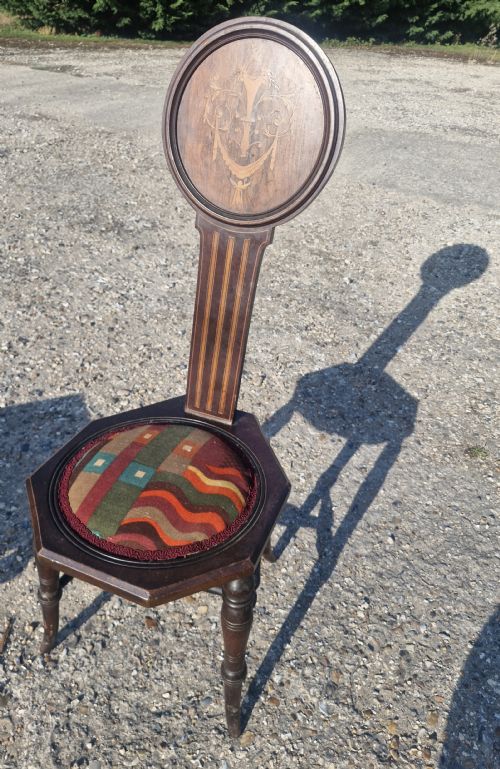
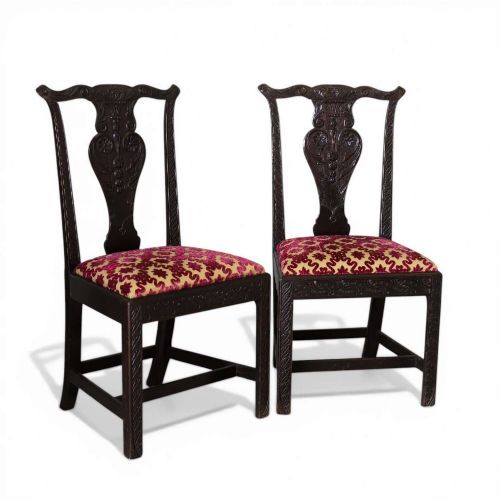
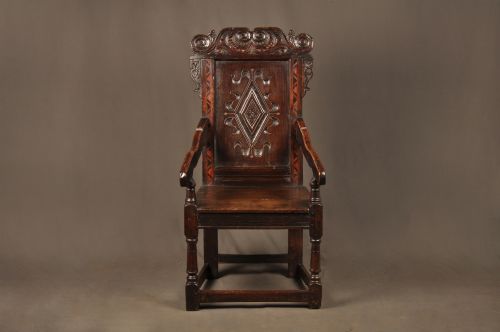
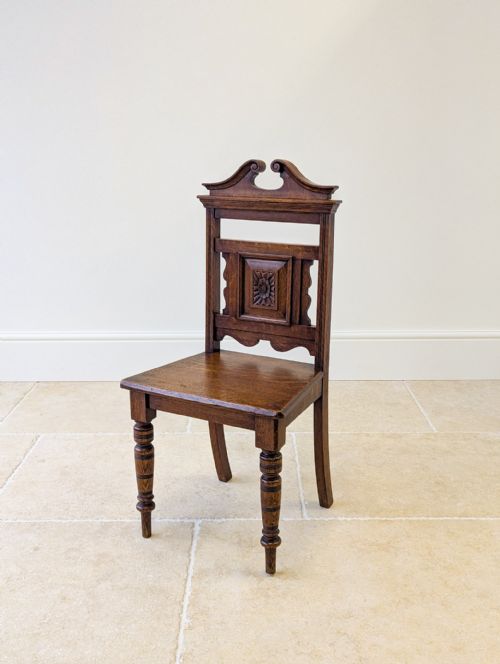
These traditional wooden hall chair examples combine functional entrance seating with period craftsmanship spanning several centuries.
Traditional Wooden Hall Chair
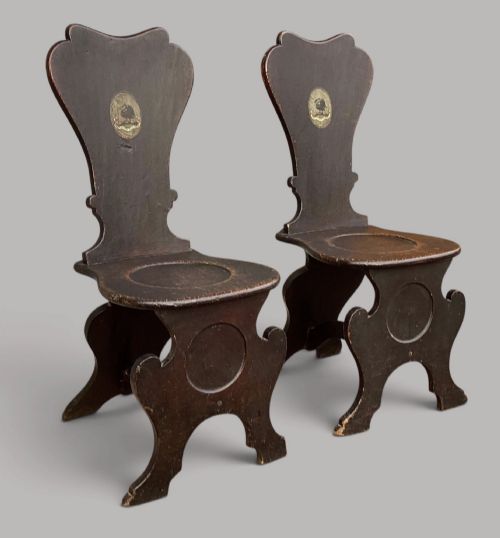
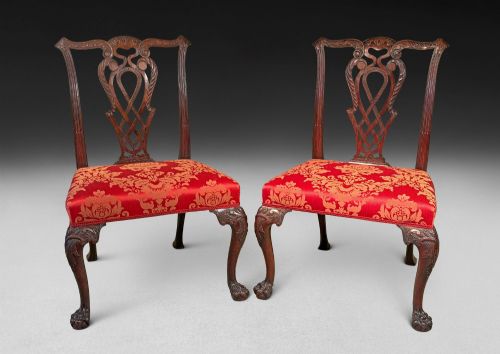
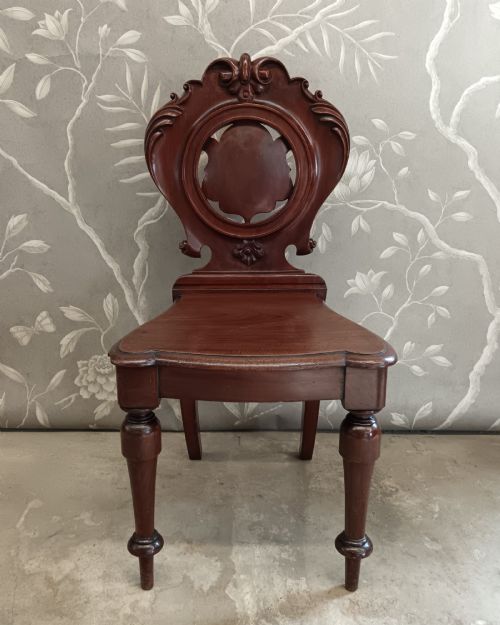
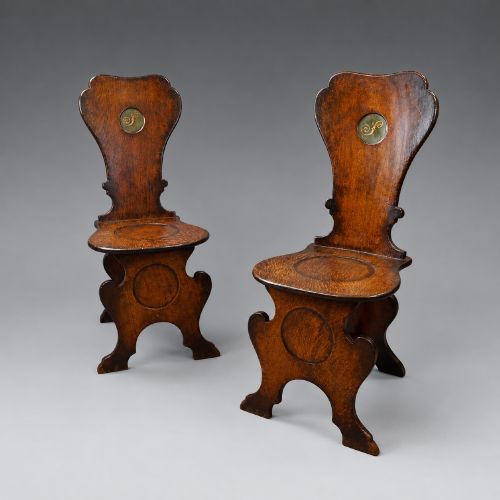
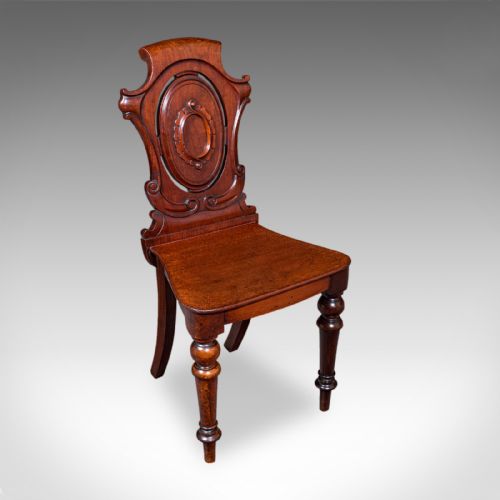
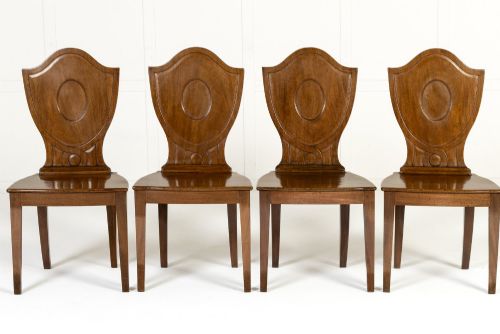
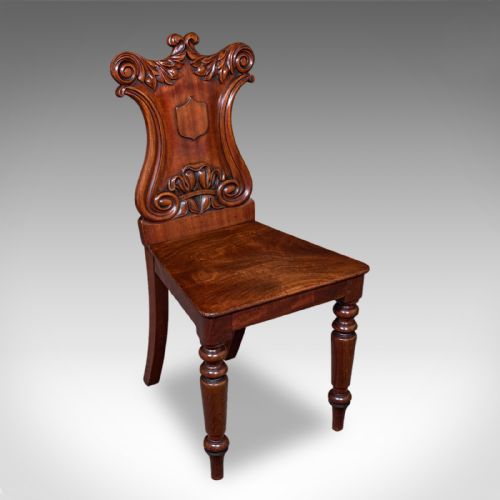
A traditional wooden hall chair serves as practical entrance seating, drawing from a variety of historical periods including the 17th, 18th, and 19th centuries. Buyers frequently encounter Victorian and Georgian designs constructed primarily for display and brief seating in domestic hallways.
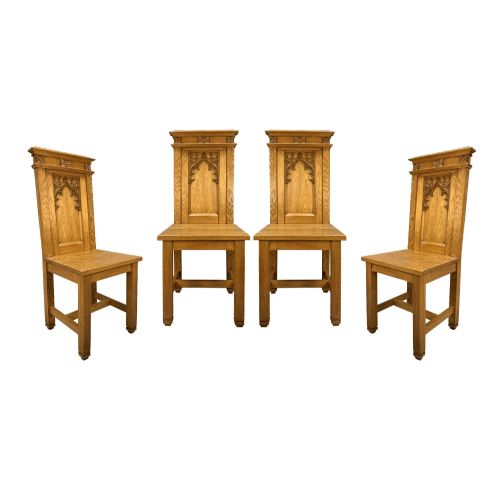
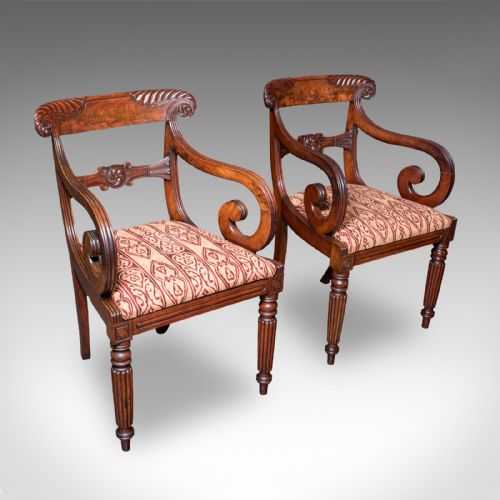
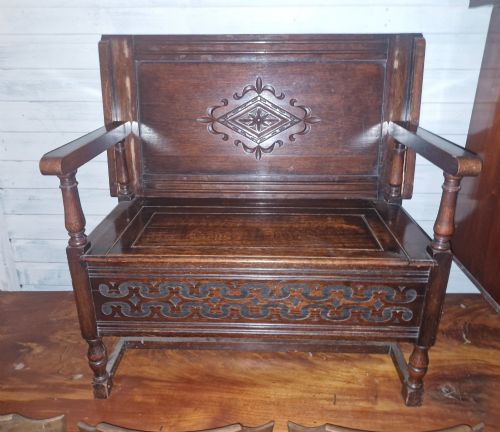
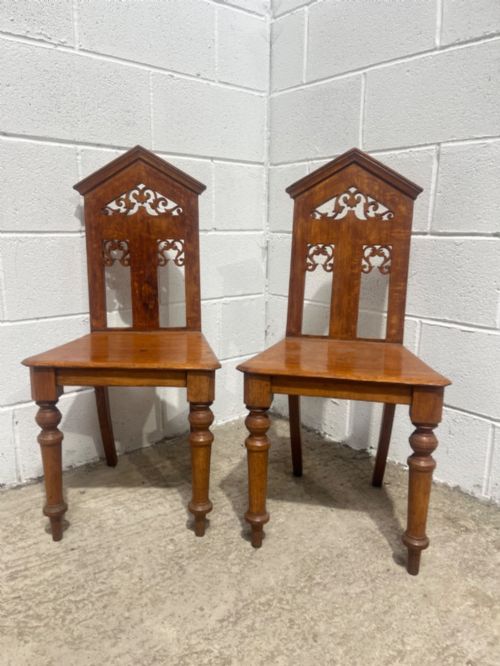
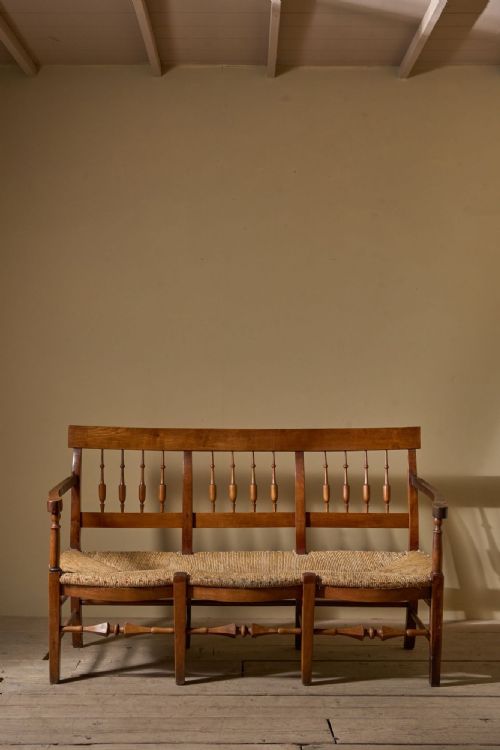
The inventory demonstrates substantial variety in object types beyond standard seating, incorporating benches, settles, and elbow chairs alongside traditional side chair formats. Many pieces reflect stylistic revivals such as Jacobean and Regency interpretations executed in durable hardwoods.
Materials and Construction
Makers relied heavily on solid hardwoods like oak and mahogany, utilising traditional joinery techniques suited to heavy daily use in entranceways. Elm, walnut, and cherrywood also appear across regional English, Scottish, and continental European workshops.
Surface finishes range from polished timber grains to painted treatments, while select seating variations incorporate rush, fabric, or velvet inserts. Construction methods span from bobbin-turned framing to heavily carved solid wood panels.
Craftsmanship and Proportion
Quality rests in the crispness of hand-carved details and the integrity of the timber framing, distinguishing finely proportioned examples from simpler utilitarian seating. Superior specimens display well-balanced proportions and harmonious wood grain selection across the backrest and seat.
The depth of historical carving and the retention of original surface patination separate standard regional pieces from exceptional examples of cabinetmaking. Structural stability combined with untouched timber surfaces defines the upper tier of available seating.
The Traditional Wooden Hall Chair Glossary
- Wainscot chair
- A heavy wooden armchair dating from the 17th century featuring panelled construction and turned supports. These pieces represent early domestic seating built with solid joinery.
- Sgabello
- A portable wooden chair originating from the Italian Renaissance featuring a box base or trestle supports rather than four legs. The backrest is typically upright and narrow, designed for hallway use.
- Bobbin turning
- A form of woodturning utilising a lathe to produce a series of rounded spheres resembling bobbins along the length of a furniture leg or stretcher. This technique is common on 17th-century furniture.
- Settle
- A wooden bench featuring a high back designed to block draughts, often incorporating storage space beneath the lift-up seat. They were positioned near hearths or within large entrance halls.
- Patina
- The surface sheen and colour developed by wood over centuries of handling, exposure, and polishing. This quality indicates age and authenticity in antique timber furniture.
Traditional Wooden Hall Chair: Frequently Asked Questions
Where should I place a traditional wooden hall chair?
These chairs suit narrow entranceways, hallways, and landings where floor space is limited and structural impact matters. They function well as solitary accent pieces rather than primary lounging seats.
Because original seating surfaces are often rigid timber, they are designed for brief occupation rather than extended sitting.
Are these chairs comfortable for daily use?
Traditional hall seating prioritises upright posture and architectural presence over deep cushioning. Many examples feature solid carved wooden seats or tight rush webbing without soft padding.
Placing them in low-traffic areas helps preserve fragile antique timber while maintaining their visual purpose.
What is the difference between an oak and mahogany chair?
Oak furniture tends to display a coarse grain with prominent medullary rays, characteristic of 17th and 18th-century English and Welsh vernacular pieces. Mahogany offers a finer, denser reddish-brown grain frequently associated with Georgian and Victorian formal designs.
Both timbers provide durability, but their visual weight alters the mood of an interior space.