

Traditional Wooden Chairs
Traditional wooden chairs bring warmth to a room, offering honest construction and sturdy timbers shaped by generations of makers.
Traditional Wooden Chairs
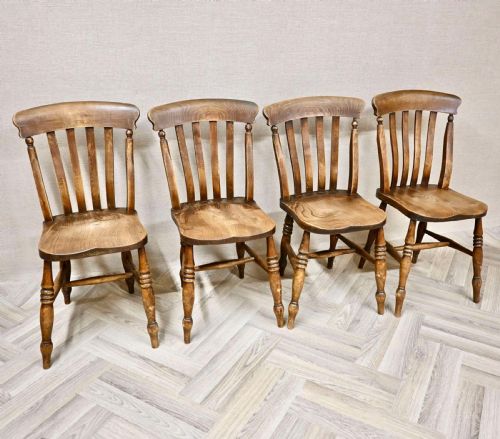
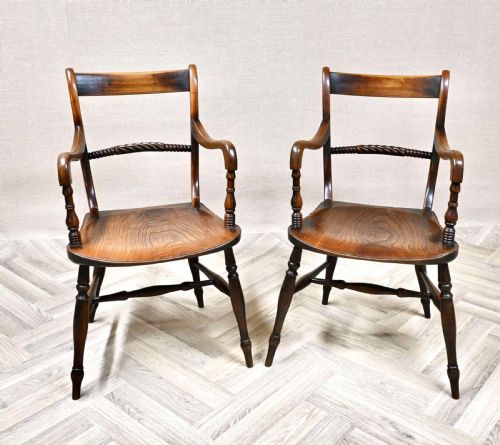
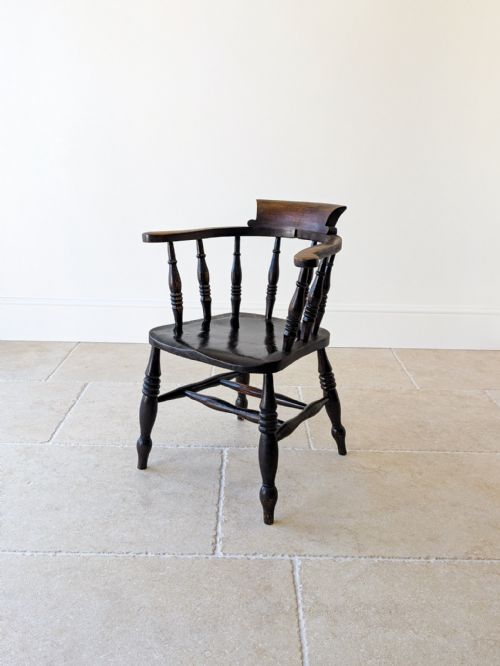
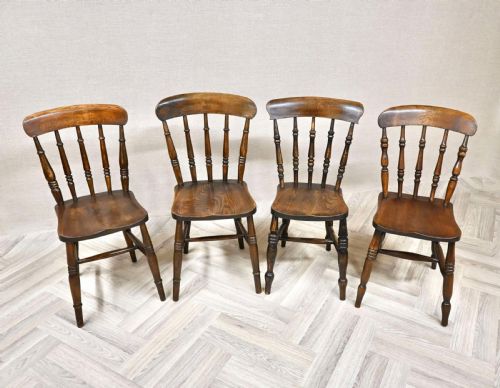
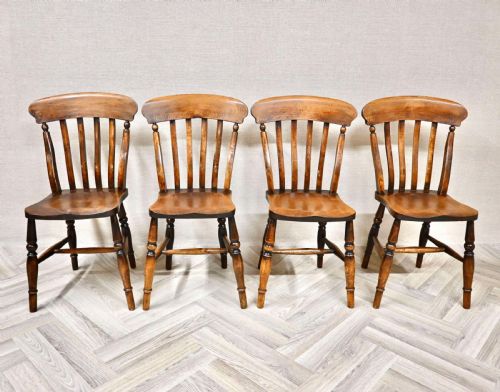
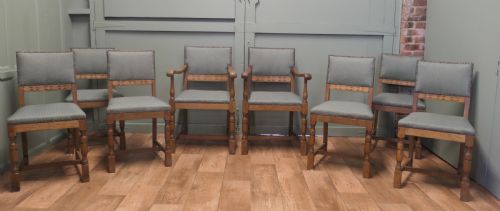
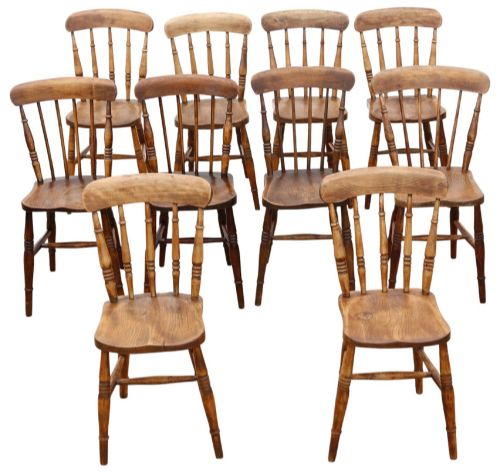
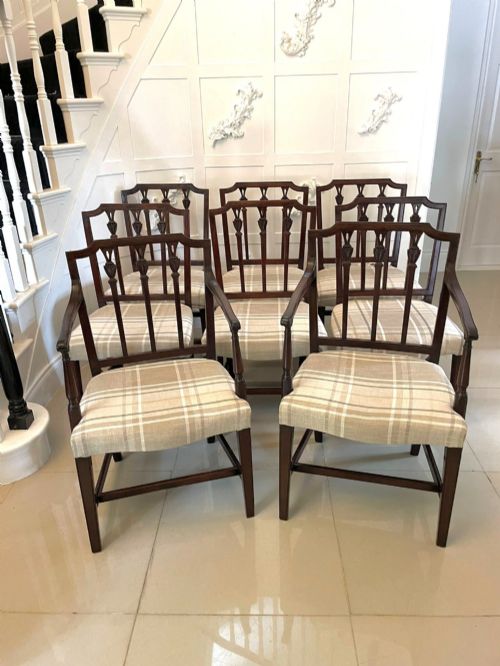
The selection ranges from single carvers and desk chairs to matched sets of six or eight pieces suitable for a dining table. Regional variations such as Thames Valley Oxford chairs and ladderback designs appear regularly among the available inventory.
How they were made
Cabinet makers and bodgers utilised solid timbers like oak, mahogany, walnut, and yew, often combining flexible ash or beech for spindles with durable elm for shaped seats. Construction relied heavily on traditional joinery such as mortise and tenon joints, steam bending, and turned components.
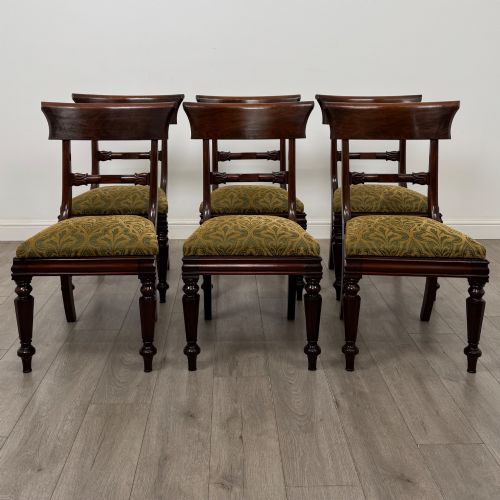
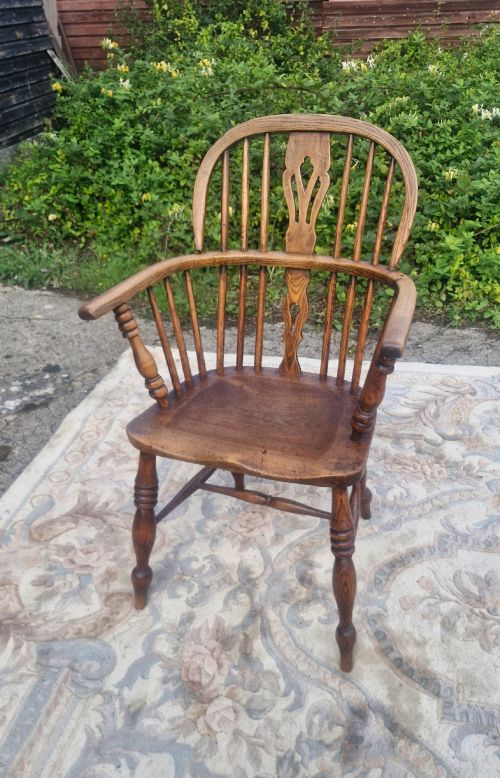
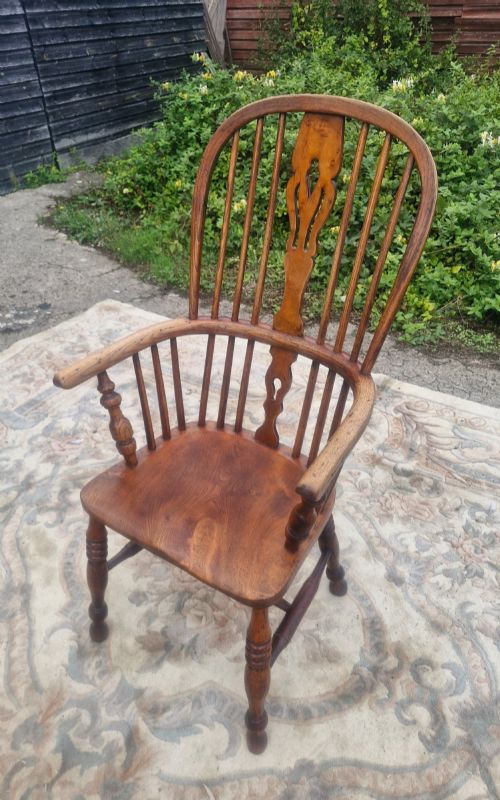
Many country pieces feature saddle seats sculpted from a single thick slab of wood, into which legs and spindles were wedged and pinned. Formal dining chairs display carved mahogany backs, drop-in tapestry seats, and occasional fabric upholstery.
Traditional Wooden Chairs Retail Price Guide 2026
Typical asking prices for traditional wooden chairs among the pieces listed under this phrase on Sellingantiques today, from the lower quarter to the upper quarter. They describe what is for sale here now, not the wider market.
Materials documented across the inventory include solid mahogany, oak, walnut, elm, ash, beech, and yew.
What varies in quality
The standard of a traditional wooden chair rests upon the selection of timber, the crispness of any carved detail, and the integrity of the original construction. Fine examples retain their original surface finishes and patination accumulated through decades of use.
Pieces that demonstrate superior craftsmanship maintain tight joints without excessive modern repairs, while lesser items may show signs of mismatched components or heavy alterations over time.
William Morris·Howard and Sons·Rossetti
The Traditional Wooden Chairs Glossary
- Windsor chair
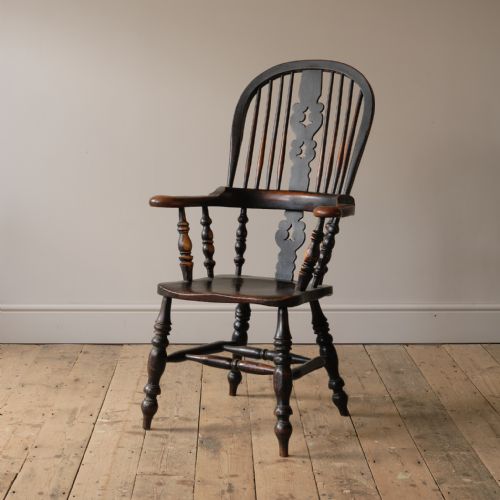
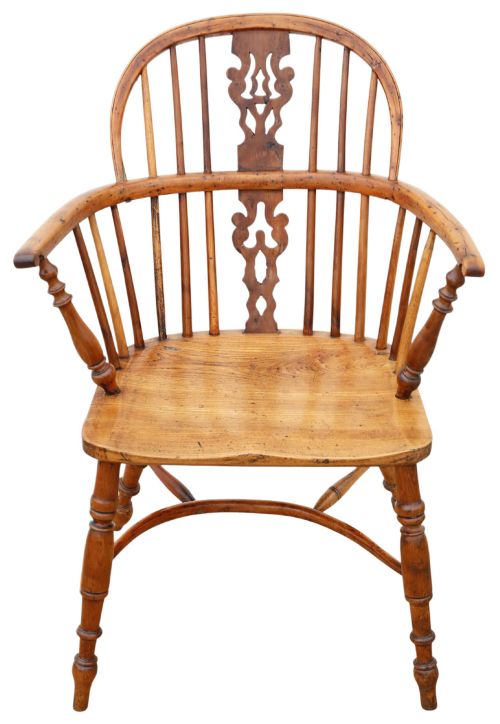
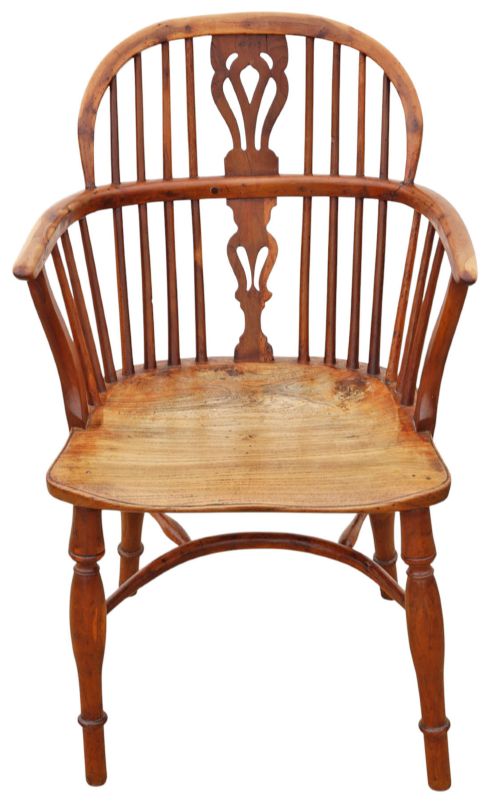
- A chair built with a solid wooden seat into which the back and legs are dowelled directly. These chairs often feature bentwood hoops and shaped arms.
- Barback
- A chair style featuring a horizontal wooden slat across the upper backrest, frequently seen on nineteenth century dining chairs.
- Carver
- An armchair designed to match a set of smaller side chairs, usually placed at the heads of a dining table.
- Lathe back
- A chair back constructed with vertical wooden slats turned on a lathe, commonly found in country kitchen seating.
- Sgabello
- A Renaissance style wooden hall chair featuring a high back and solid trestle supports instead of conventional legs.
Traditional Wooden Chairs: Frequently Asked Questions
How do I identify a Windsor chair?
Windsor chairs are defined by their thick wooden seats where the legs and back spindles insert directly into drilled holes rather than connecting to a traditional frame.
Look for a bowed wooden backrest and a contoured seat carved for comfort.
Are these chairs suitable for daily dining?
Most antique wooden dining chairs are structurally robust enough for everyday household use provided the joints remain secure and stable.
Checking that the timber shows no deep structural cracks ensures they withstand regular sitting.
What is the difference between an elm and a mahogany chair?
Elm was typically used for country vernacular seating like Windsor and captain's chairs due to its tough, interlocking grain that resists splitting.
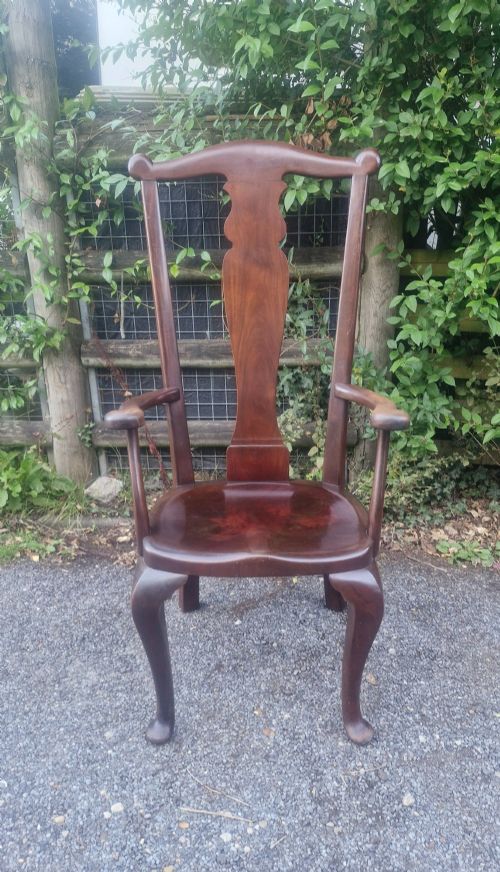
Mahogany appears on formal Georgian and Victorian dining chairs, prized for its dark reddish tone and suitability for fine carving.
How do I care for antique wooden chairs?
Maintain wooden chairs by keeping them away from direct heat sources and sudden humidity changes that cause timber to dry and crack.
Applying a traditional beeswax polish occasionally helps nourish the surface and preserve the historic finish.