


Traditional Wooden Blanket Chest
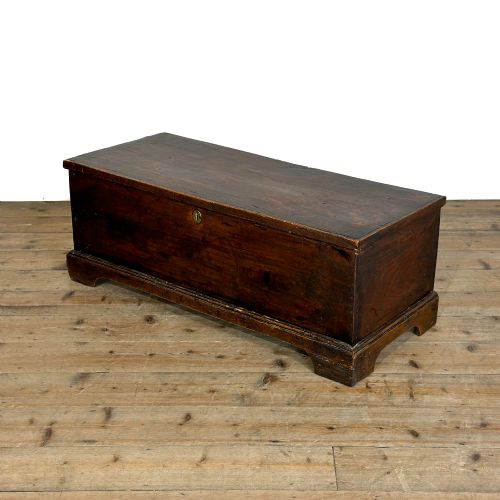
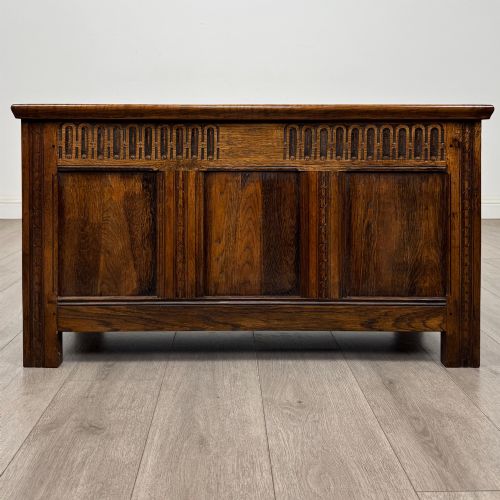
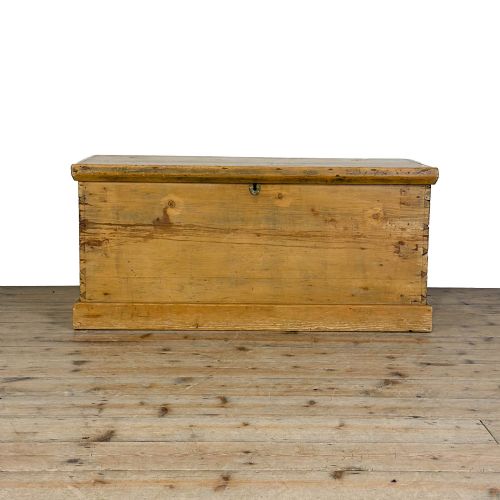
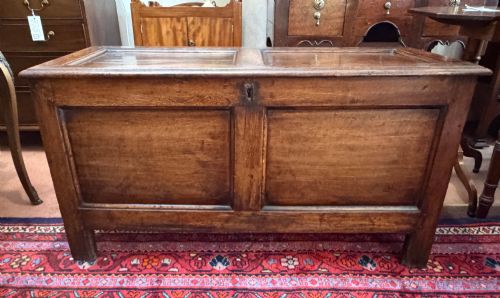
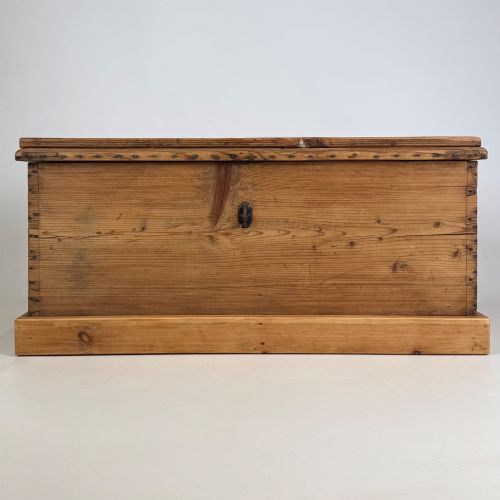
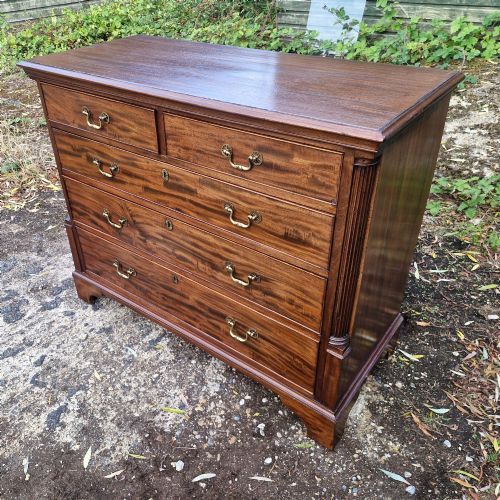
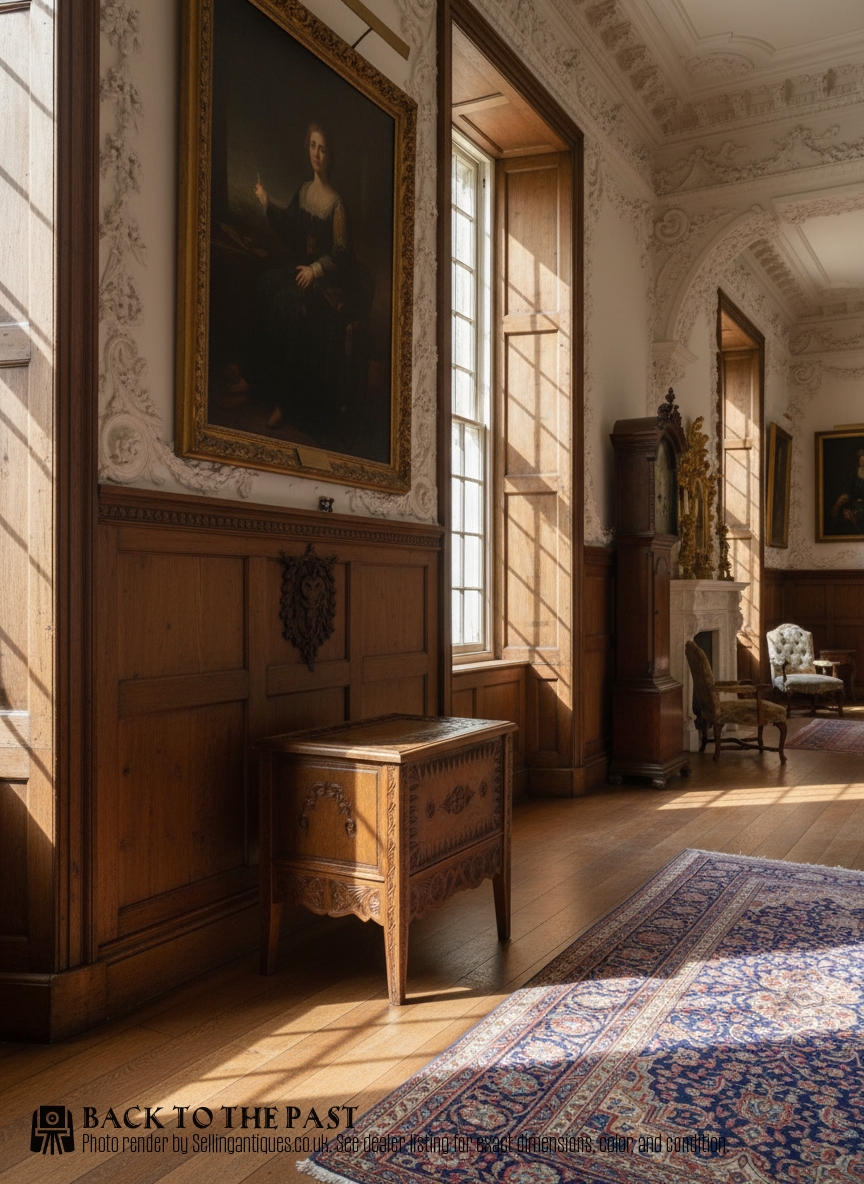
A traditional wooden blanket chest offers timeless storage, appearing here in sturdy oak, pine, and elm across periods from the seventeenth century onward.
Traditional Wooden Blanket Chest
A traditional wooden blanket chest serves as a robust domestic storage vessel designed to hold textiles, linen, and garments securely. These pieces function historically as practical furniture that doubles as seating or a table surface within the home.
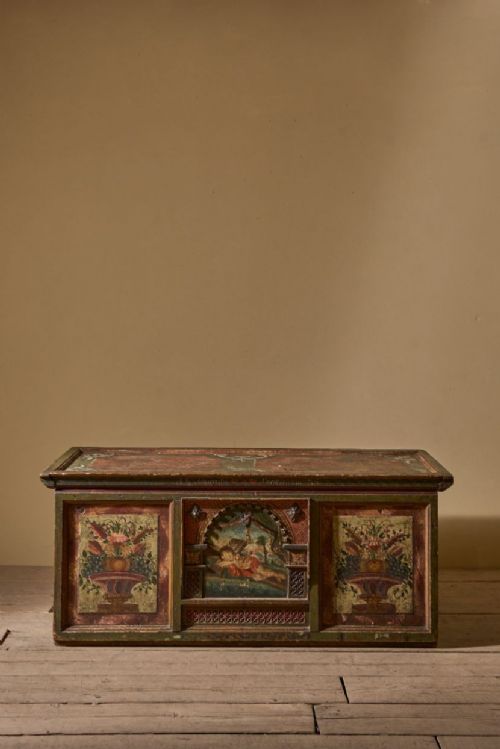
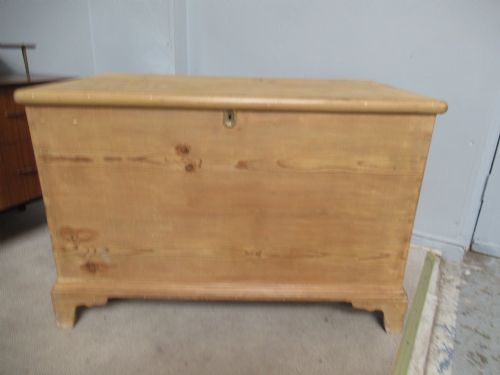
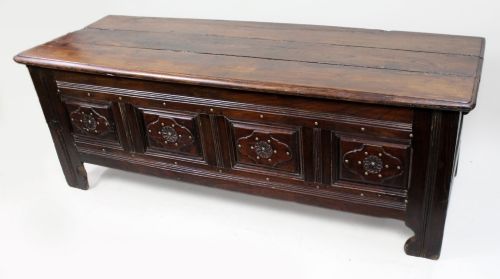
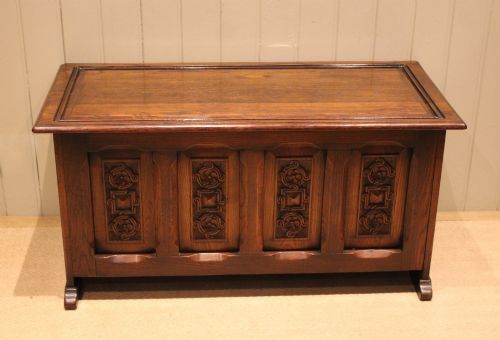
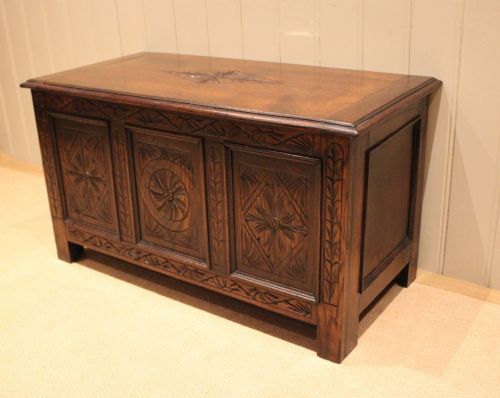
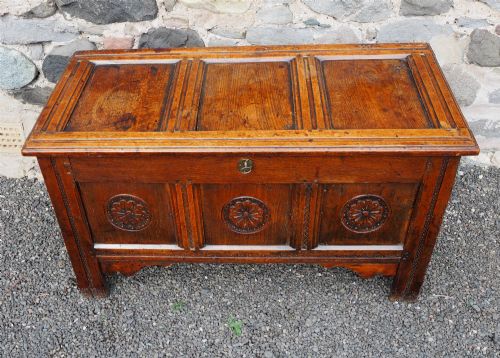
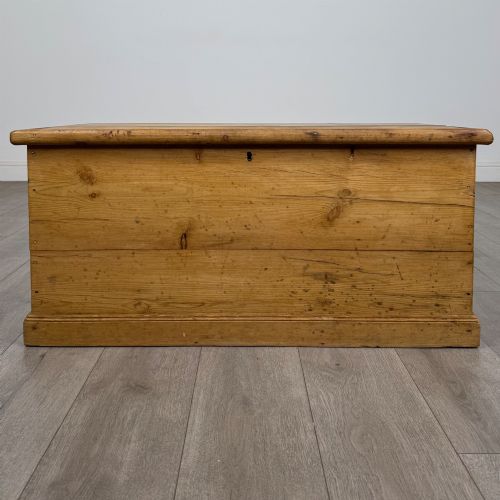
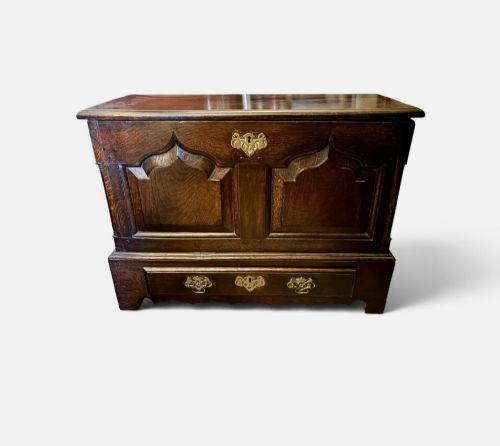
The selection on this page centres heavily on oak and pine examples, ranging from seventeenth-century joined constructions to nineteenth-century Victorian blanket boxes and painted pine trunks. Buyers frequently encounter regional forms such as Welsh mule chests, six-plank coffers, and French provincial coffers.
Makers utilised resilient hardwoods and softwoods alike, producing diverse styles from Jacobean revival to Georgian crossbanded designs and rustic farmhouse variants. Each piece reflects the utility and domestic requirements of its specific period.
How they were made
Carpenters constructed traditional wooden blanket chests primarily using solid oak, pine, elm, and mahogany, often reinforced with hand-forged iron strapwork or brass fittings. Early examples rely on sturdy frame-and-panel techniques or simple six-plank assembly to maintain structural integrity.
Surface ornamentation involved carving, inlay, crossbanding, and occasionally painted finishes. Joinery methods evolved from pegged mortise and tenon joints in earlier centuries to simpler box construction in later Victorian tool chests and blanket boxes.
Traditional Wooden Blanket Chest Retail Price Guide 2026
Typical asking prices for traditional wooden blanket chest among the pieces listed under this phrase on Sellingantiques today, from the lower quarter to the upper quarter. They describe what is for sale here now, not the wider market.
Camphor wood chests arrived from distant voyages carrying aromatic timber that naturally kept adventurous moths away from winter woollens.
What varies in quality
Quality in these chests rests upon the integrity of the timber, the sophistication of the joinery, and the degree of original hand-carved or inlaid detail. Pieces featuring dense solid oak with traditional pegged joints and intact original hardware stand at the upper end of the range.
The Traditional Wooden Blanket Chest Glossary
- Coffer
- A heavy wooden chest traditionally used for storing valuables, documents, or textiles. These pieces often feature sturdy lid construction and pegged framing.
- Mule chest
- A traditional storage chest featuring one or more drawers beneath the main lift-top compartment. These hybrid items bridge the gap between simple blanket boxes and chests of drawers.
- Six-plank coffer
- A primitive form of chest constructed from six individual boards joined simply at the edges. This method represents some of the earliest surviving domestic furniture forms.
- Crossbanding
- A decorative border technique where thin strips of veneer are laid across the grain of the primary wood. This treatment frequently appears on Georgian mahogany and oak pieces to frame the surface.
- Strapwork
- Flat ornamental bands of metal, leather, or carved wood applied to a surface in geometrical patterns. On these chests, iron strapwork often reinforces corners and lids.
Traditional Wooden Blanket Chest: Frequently Asked Questions
What is a mule chest?
A mule chest is a storage box that incorporates one or more drawers at the base beneath the main lift-up lid. This design evolved to provide easier access to smaller garments without needing to unload the top compartment.
They appear frequently in eighteenth-century vernacular furniture traditions, particularly in regions like Wales and Lancashire.
How do I date an old chest?
Dating relies heavily on observing the timber species, joinery techniques, and surface decoration. Seventeenth-century examples typically feature hand-carved joined oak with pegged framing, while nineteenth-century pieces often utilise pine or mahogany with simpler mechanical fixings.
Stylistic cues such as Jacobean carvings or Georgian crossbanding further narrow down the era of manufacture.
How do I use a blanket chest today?
These chests serve modern interiors effectively as living room coffee tables, end-of-bed linen storage, or hallway seating. Their robust construction allows them to support weight while hiding away clutter.
Placing them in dry interior spaces protects the aged wood and historical finishes from excessive moisture fluctuations.