

Traditional Wood Pedestal Table
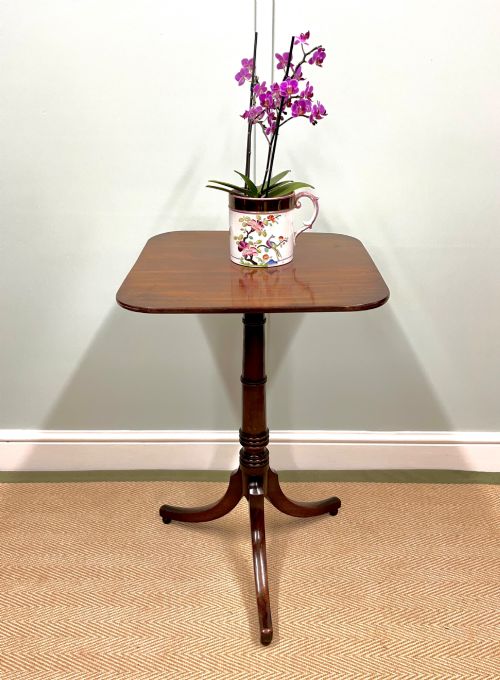
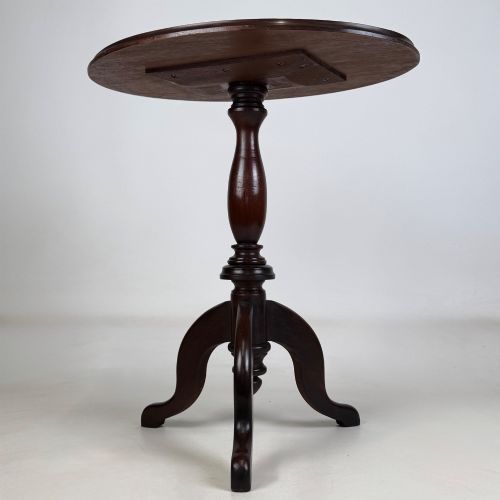
A traditional wood pedestal table stands on a central column, offering steady support and classic form for dining, wine, or bedside use.
Traditional Wood Pedestal Table
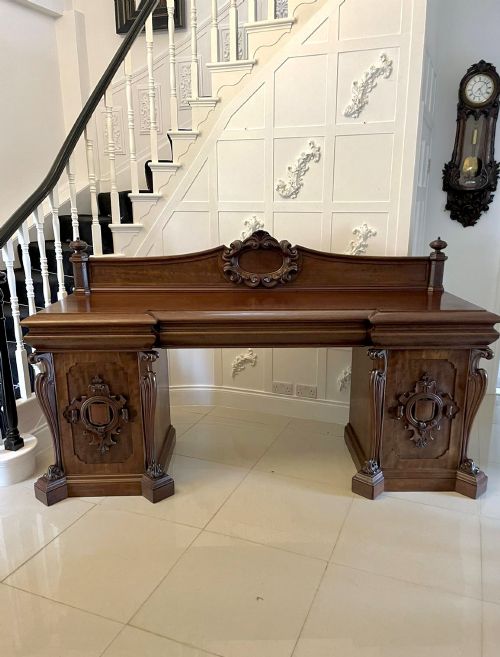
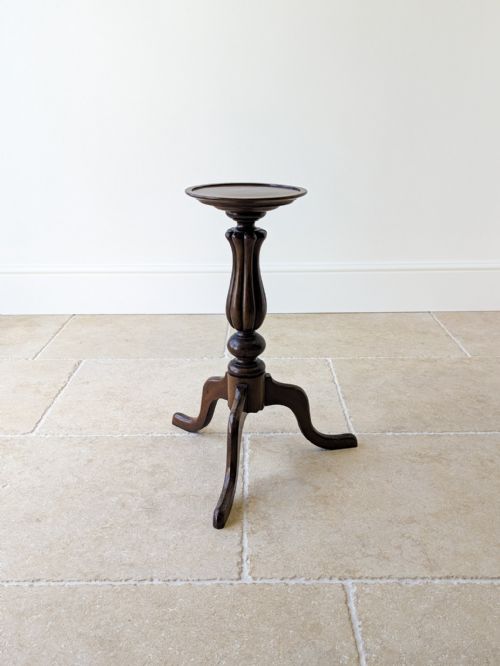
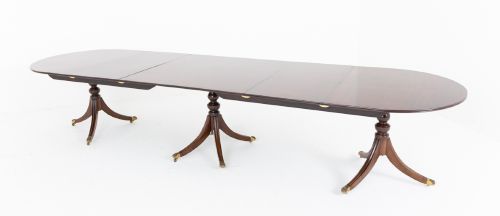
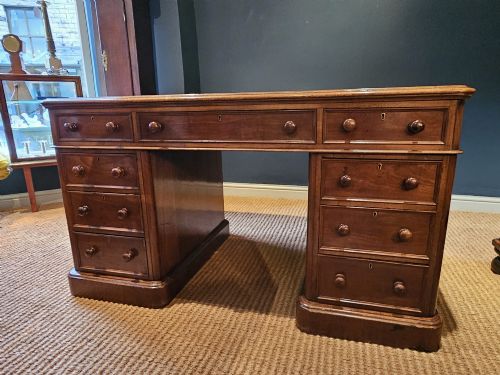
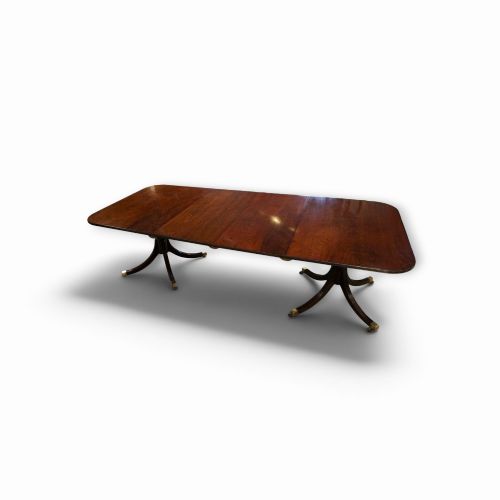
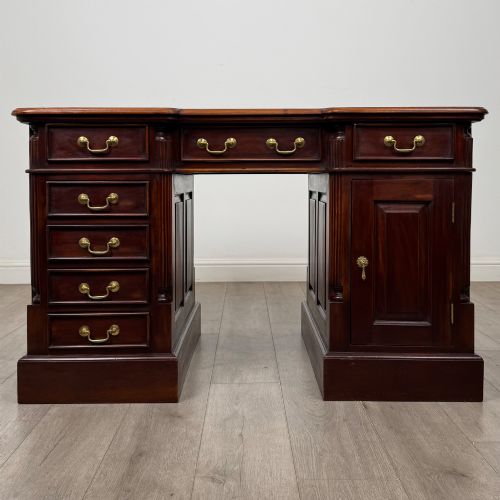
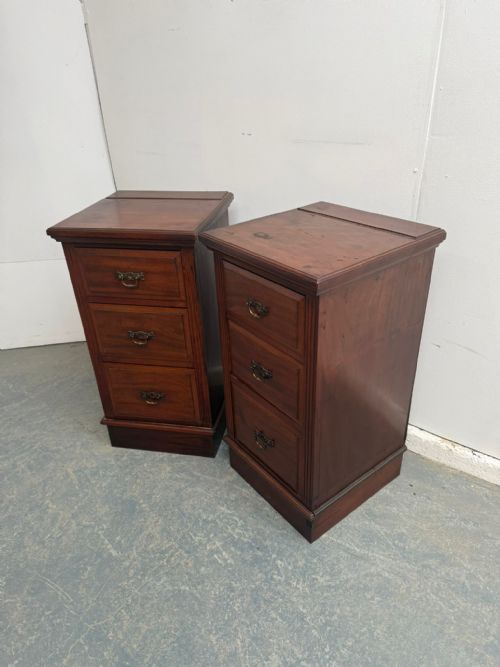
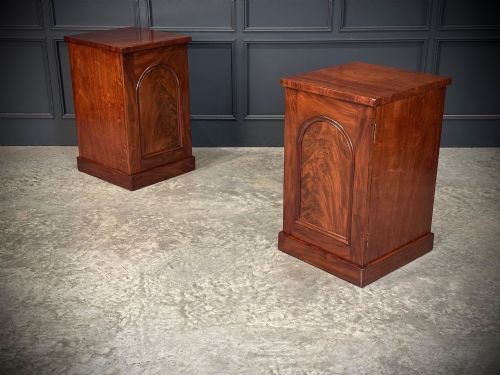
A traditional wood pedestal table appears in several distinct forms across this page, ranging from expansive dining tables and partner desks to compact wine tables and bedside cabinets.
The inventory spans multiple periods, including the Georgian, Victorian, and Edwardian eras, alongside later revivals that replicate earlier aesthetic standards.
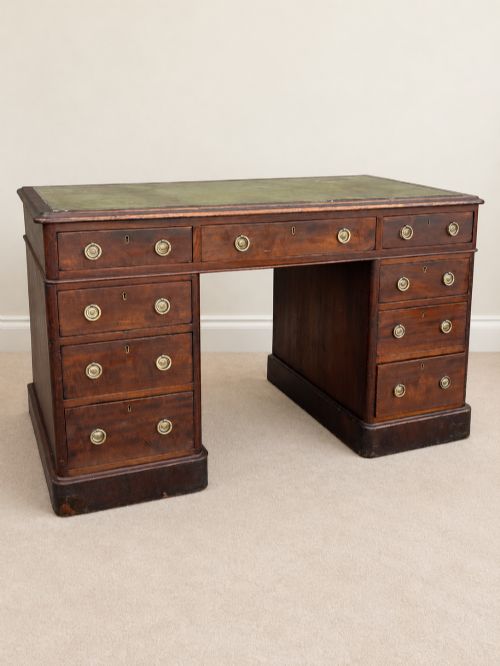
Makers utilised various formats such as tripod bases with shaped tops, multi-pillar dining structures, and heavy pedestal desks fitted with drawers or leather writing surfaces.
Materials and construction
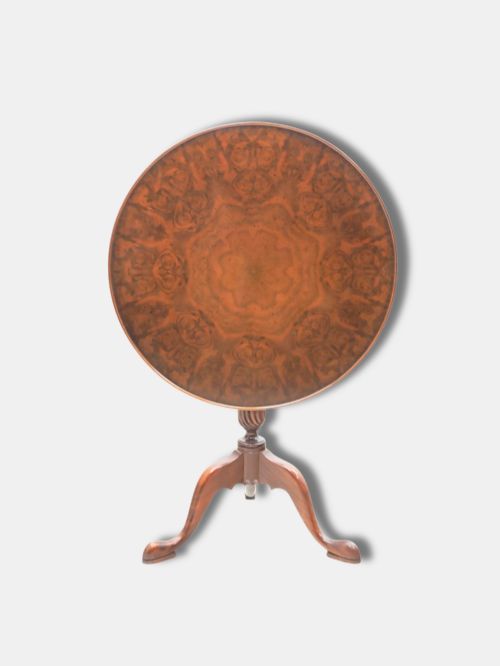
Makers relied heavily on mahogany, walnut, and oak, frequently employing flame mahogany veneer or burr walnut to create figured surfaces on tabletops and desk fronts.
Construction techniques include central turned columns supported by tripod legs, substantial multi-pillar frameworks for large dining boards, and fitted cabinetry for desks and bedside units.
Materials recorded across the selection comprise mahogany, brass, leather, walnut, burr walnut, flame mahogany veneer, oak, and burr walnut veneer.
Build and finish
Superior examples display careful selection of timber grain, such as figured mahogany and burr walnut, matched across expansive surfaces and table leaves.
Joinery and stability distinguish finer pieces, particularly in the alignment of pedestal columns, the balance of tripod bases, and the smooth operation of desk drawers.
Trollope and sons
The Traditional Wood Pedestal Table Glossary
- Pedestal table
- A table supported by a central pillar or column rather than four corner legs. This design allows for greater seating clearance around dining tables and smaller footprints for occasional pieces.
- Tripod table
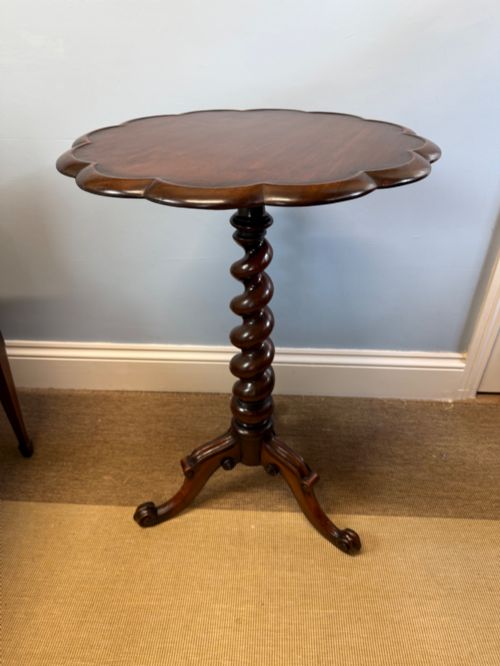
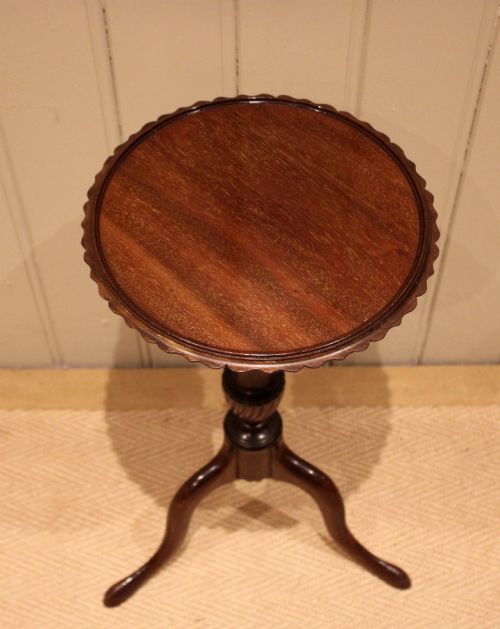
- A small occasional table resting on a central column that splits into three feet at the base. These pieces frequently feature round or shaped tops and were used for serving wine or tea.
- Flame mahogany
- A veneer cut from the fork of the mahogany tree where the branch meets the trunk. It creates a distinctive, fiery pattern that makers prized for tabletops and drawer fronts.
- Kneehole desk
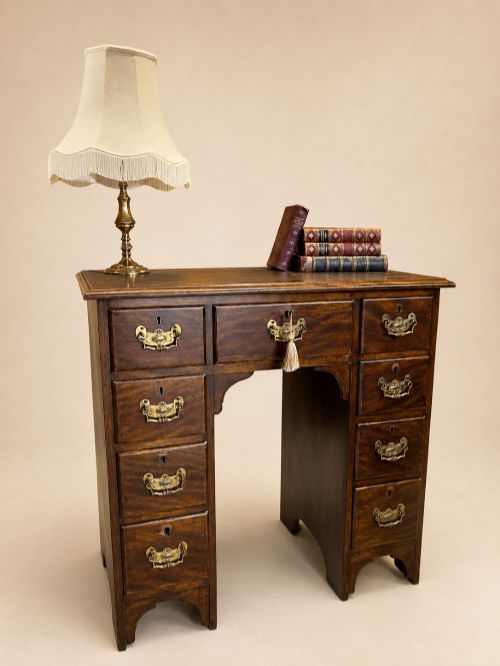
- A pedestal desk featuring a recessed central space for the user's legs, flanked by banks of drawers. Victorian and Georgian versions often incorporate leather inserts on the writing surface.
Traditional Wood Pedestal Table: Frequently Asked Questions
What is a pedestal table used for?
These tables serve multiple functions depending on their scale, acting as dining surfaces, writing desks, or small stands for lamps and wine.
Smaller tripod versions move easily around a room, while large multi-pillar examples remain stationary in dining spaces.
How do I identify a Victorian pedestal table?
Victorian pieces often feature dense mahogany or walnut timbers, sometimes combined with turned columns and heavy base structures.
Characteristics vary from barley twist supports on occasional tables to leather-topped pedestal desks with multiple drawers.
Are these tables made of solid wood?
Many examples combine solid timber frames with decorative veneers applied to tabletops and drawer fronts.
Woods such as mahogany, walnut, and oak appear in both solid construction and figured veneer formats.
How do I care for a wood pedestal table?
Maintain the wood surface by keeping it away from direct heat sources and consistent moisture.
Regular dusting and occasional waxing help preserve the finish of older mahogany and walnut timbers.