


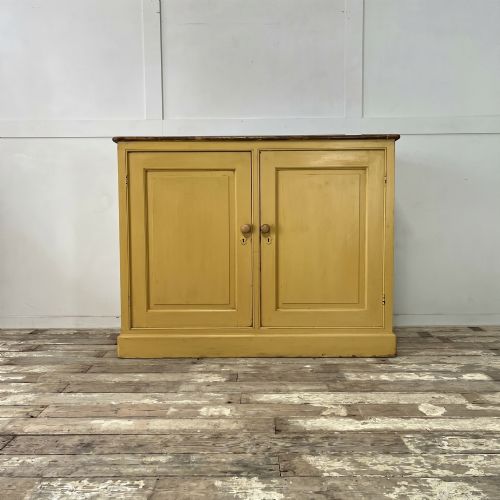
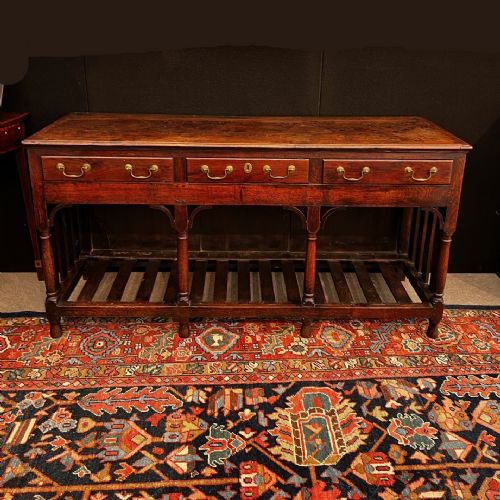


Traditional Wood Credenza
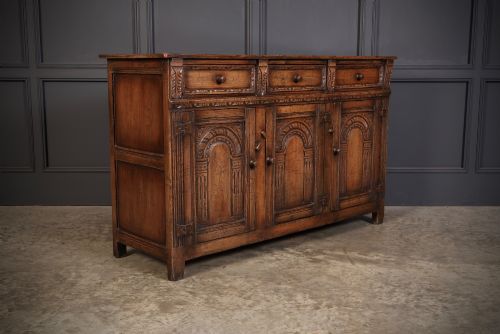
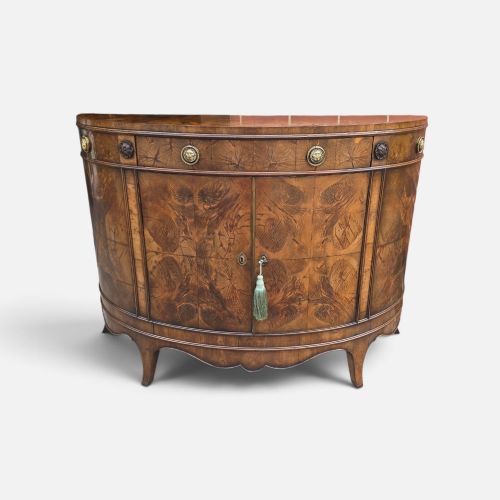
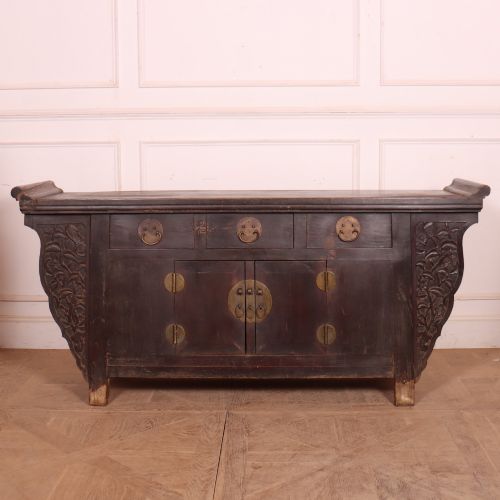
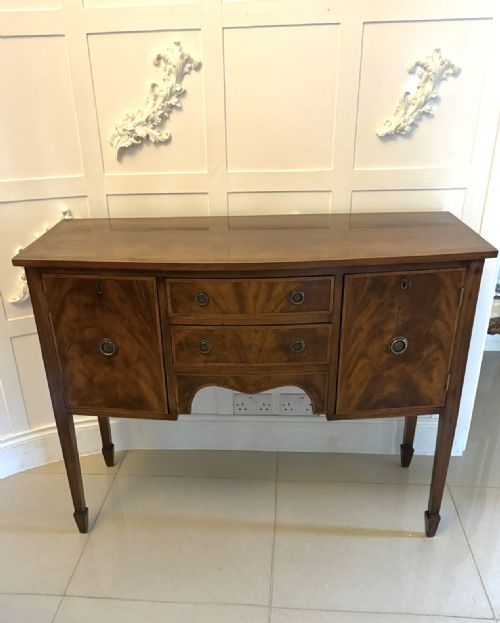
Traditional wood credenza search results bring together substantial storage furniture built from timbers like mahogany and oak across several centuries.
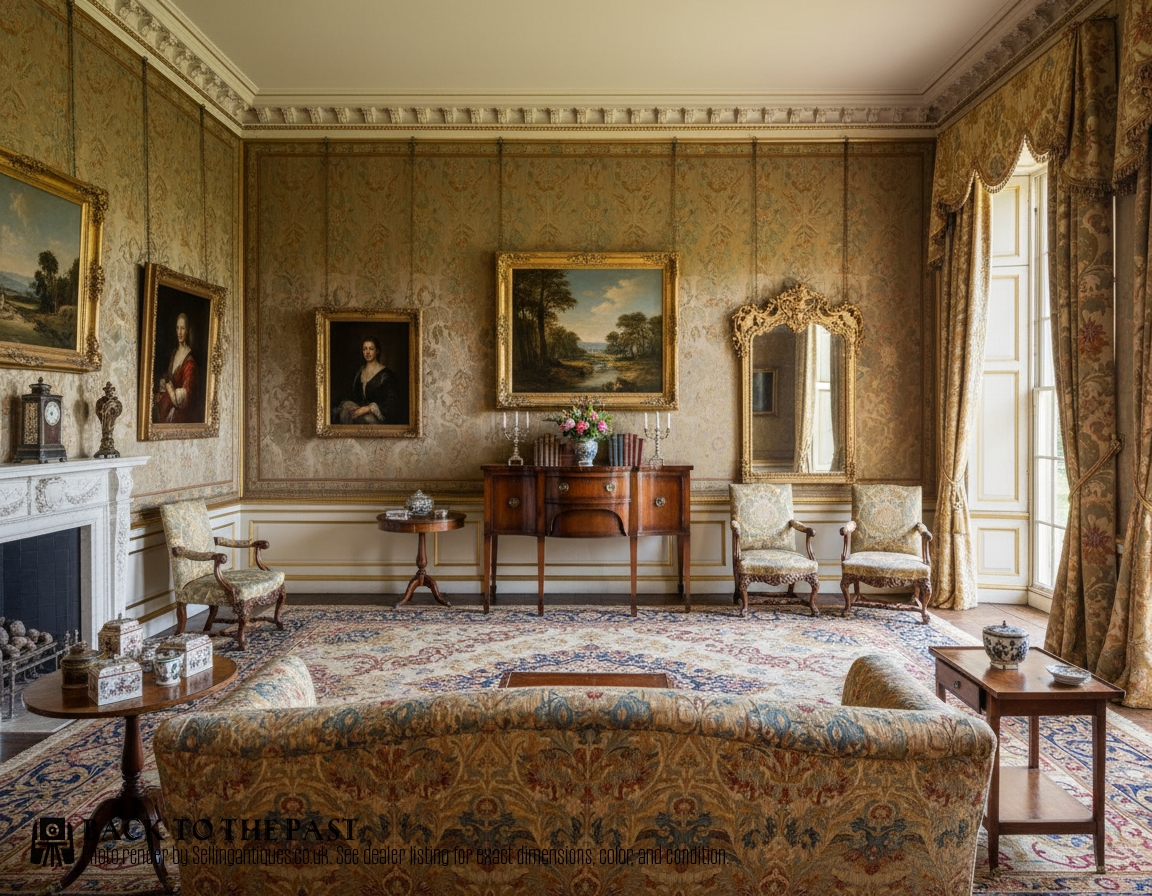
Traditional Wood Credenza
When buyers search for a traditional wood credenza, they encounter a diverse selection of storage furniture including sideboards, dresser bases, side cabinets, and chiffoniers. These pieces serve dining rooms, halls, and living spaces primarily as functional storage for serving ware and household items.
The assortment spans periods from the 18th century through the Edwardian era and 1920s, reflecting centuries of cabinet-making traditions. Pieces range from formal Georgian and Victorian mahogany designs to sturdy oak and elm country dresser bases.
Alongside British and European furniture, listings feature Chinese elm and Shanxi province storage cabinets alongside painted pine school cupboards. This variety means buyers find both formal dining room servers and rustic provincial bases sharing the same functional category.
Materials and construction methods
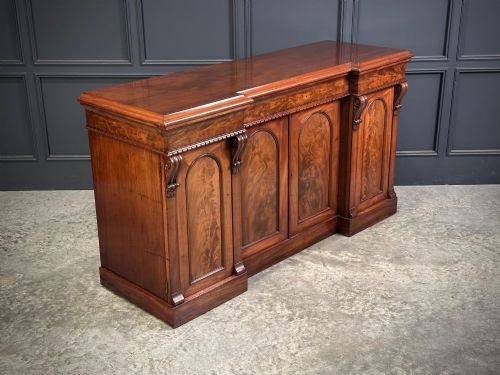
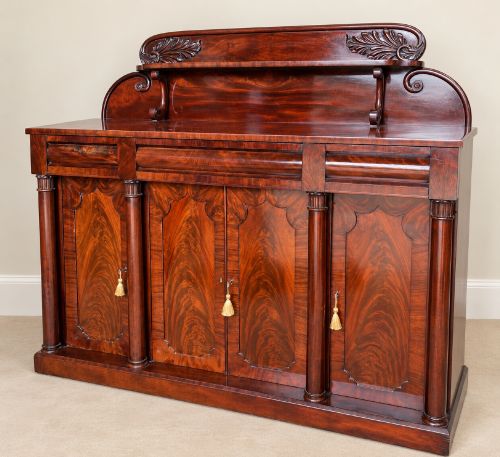
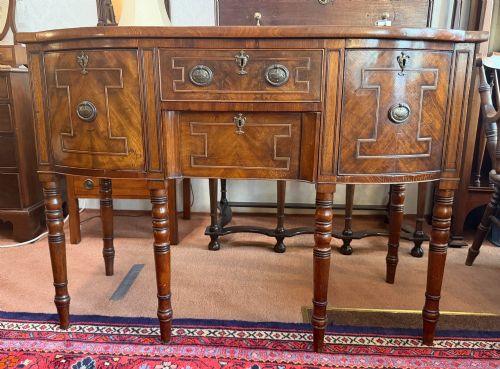
Mahogany dominates the formal end of the selection, frequently utilised as solid timber or displayed as flame mahogany veneer on bow-front and breakfront carcases. Oak and elm provide sturdy construction for earlier dresser bases and Jacobean revival pieces, while pine and chestnut appear in provincial furniture.
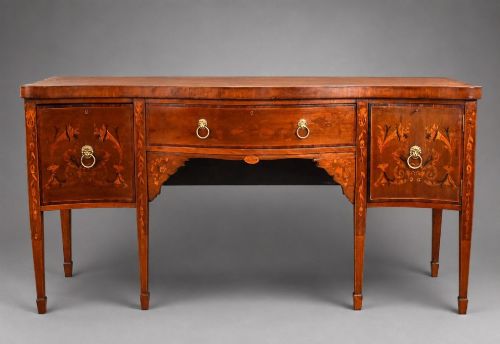
Cabinet makers employed traditional joinery techniques, mounting doors on hinges and constructing drawers with dovetail joints. Surface ornamentation relies on natural wood figures, decorative inlays, carved details, and brass hardware rather than applied synthetic finishes.
Current listings demonstrate a strong representation of 19th-century mahogany sideboards alongside 18th-century oak and elm dresser bases.
Factors influencing quality and craftsmanship
Quality rests principally on the selection of timber and the precision of the cabinet work, distinguishing superior figured mahogany veneers and solid quarter-sawn oak from utilitarian pine. The integrity of the original construction, including the tightness of joints and the smooth operation of drawers and doors, determines the enduring value of each piece.
Proportion and decorative restraint set finer examples apart from heavier or more utilitarian items. Superior pieces exhibit balanced proportions, refined carving or inlay work, and well-chosen brass furniture that complements the primary timber.
The Traditional Wood Credenza Glossary
- Bow-front
- A cabinet front curved outward in a convex arc. This shape gained popularity during the Georgian and Edwardian periods to soften the rectangular lines of dining room furniture.
- Dresser base
- A low wooden storage unit featuring drawers above cupboards or open space. These pieces originated in country houses as functional food preparation and storage tables.
- Chiffonier
- A compact sideboard or low cabinet equipped with shelves or a small superstructure. Victorian versions frequently incorporated mirror backs and display surfaces.
- Breakfront
- A large cabinet or sideboard whose central section projects forward from the flanking wings. This architectural arrangement creates depth and visual interest on formal dining room servers.
- Flame mahogany
- A wood veneer showing a distinct torch-like grain pattern created by slicing through boughs or branch forks. Cabinet makers prized this figure for principal drawer fronts and doors.
Traditional Wood Credenza: Frequently Asked Questions
What is a traditional wood credenza used for?
These pieces provide substantial storage for dining rooms, hallways, and living spaces. Historically, they held dining silver, linen, and serving dishes.
Today, buyers utilise them to store tableware, media equipment, or general household items while displaying lamps and decorative objects on top.
How do I date a wooden sideboard?
Dating relies on observing timber choices, construction methods, and stylistic details. Georgian and Victorian pieces show specific moulding profiles, handle styles, and veneer treatments characteristic of their decades.
Examining the drawer construction and secondary woods inside the carcase provides further clues regarding the manufacturing period.
Are these pieces made of solid wood?
Construction methods vary by period and style, combining solid timbers with decorative veneers. Oak, elm, pine, and cherry dresser bases are typically built from solid boards throughout.
Formal mahogany sideboards frequently combine solid framing with flame mahogany veneers applied to primary surfaces like drawer fronts and doors.
How do I care for antique wood furniture?
Maintenance involves protecting the timber from direct sunlight and extreme temperature fluctuations that cause wood to dry and split. Regular dusting with a soft cloth preserves the polished finish.
Applying appropriate wax occasionally nourishes the wood and maintains the natural lustre of the antique surface without building up residue.