


Traditional Wood Clock
These traditional wood clock pieces bring mechanical movement and rich cabinetry into a room, offering a reliable anchor for any interior scheme.
Traditional Wood Clock
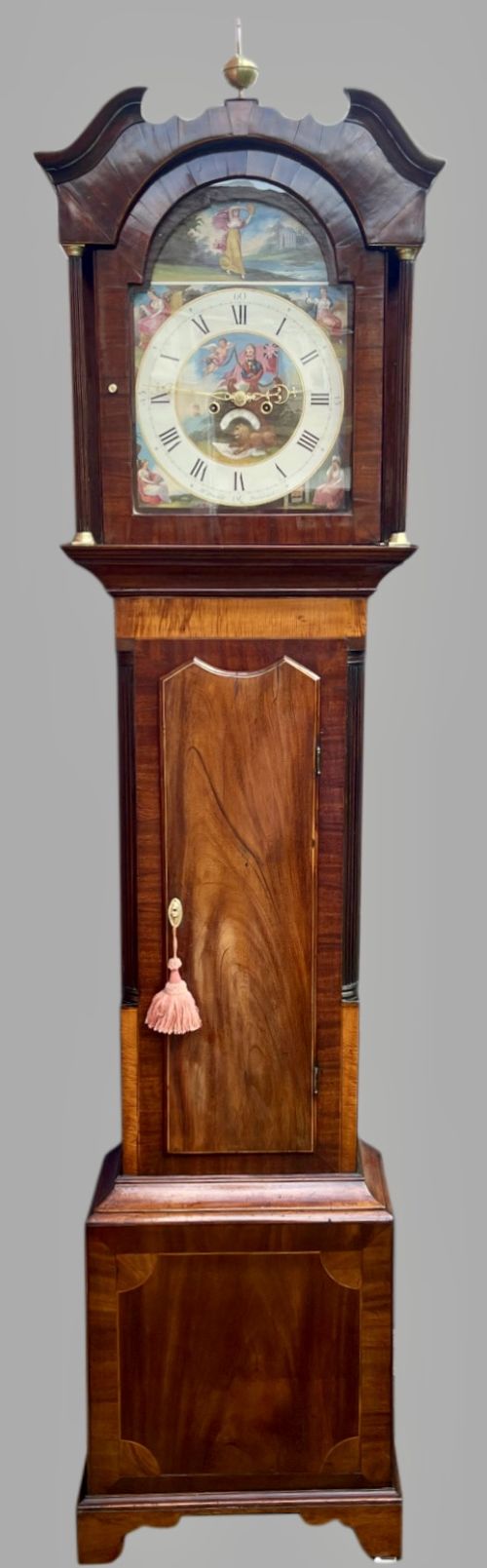
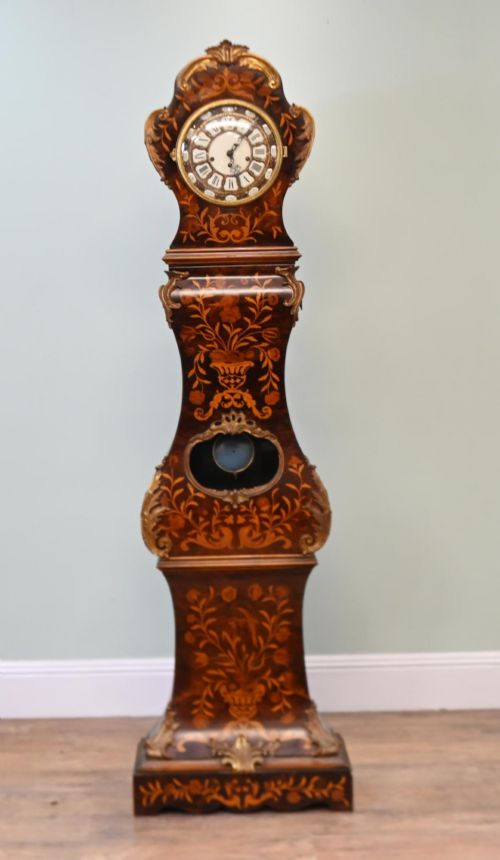
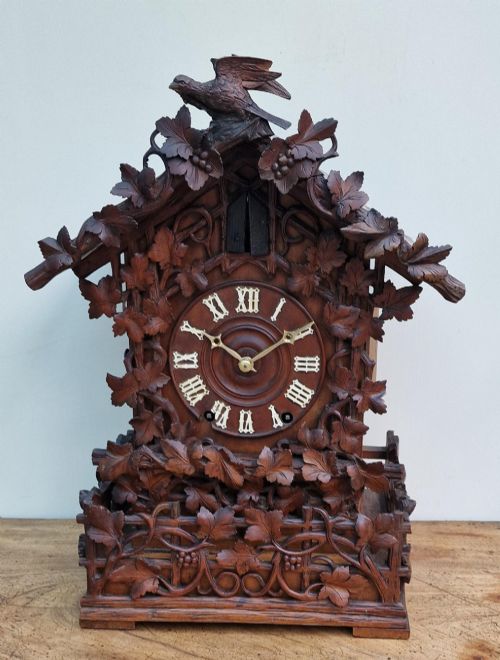
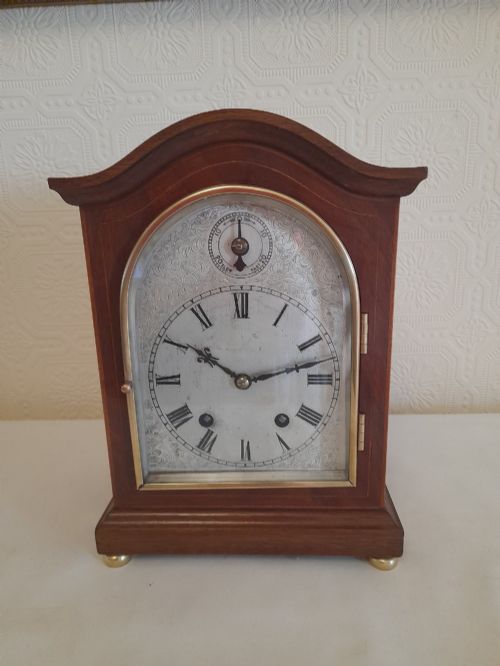
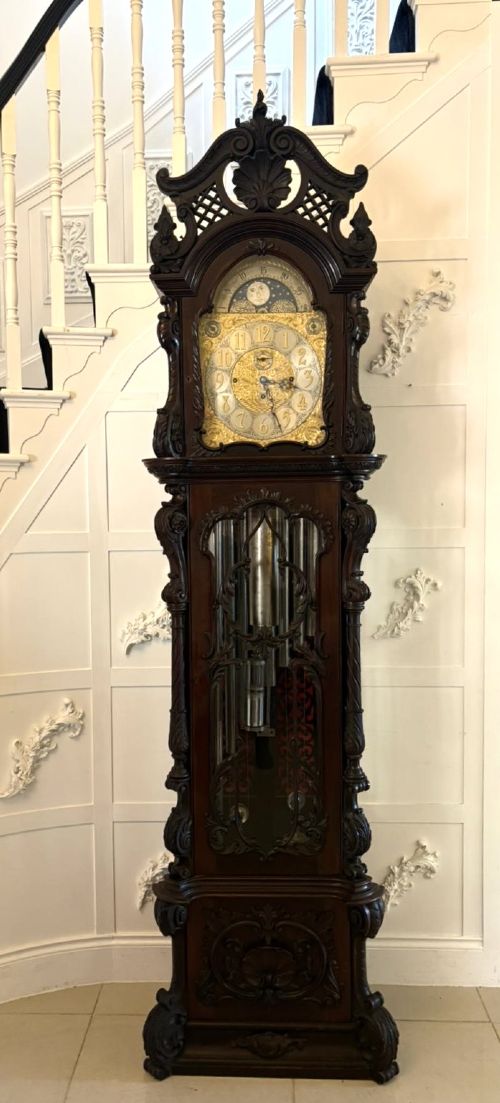
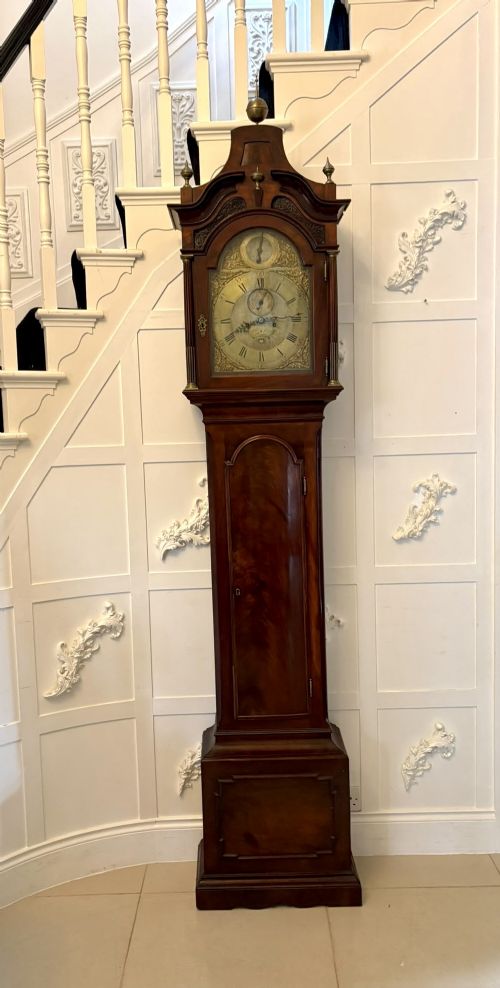
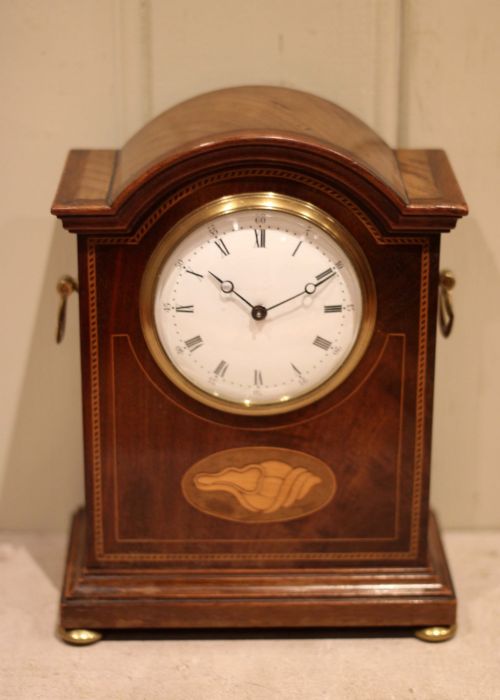
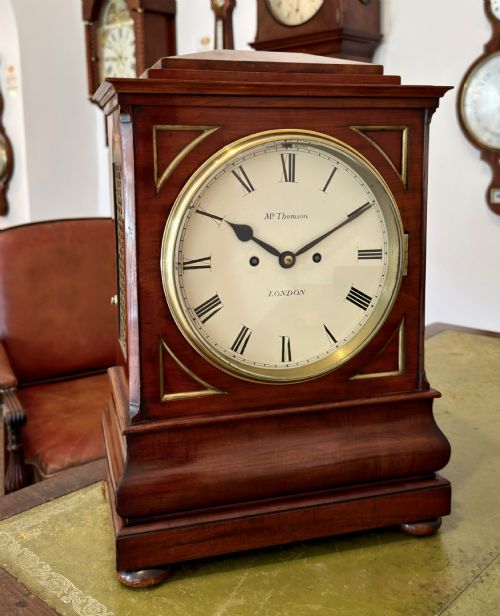
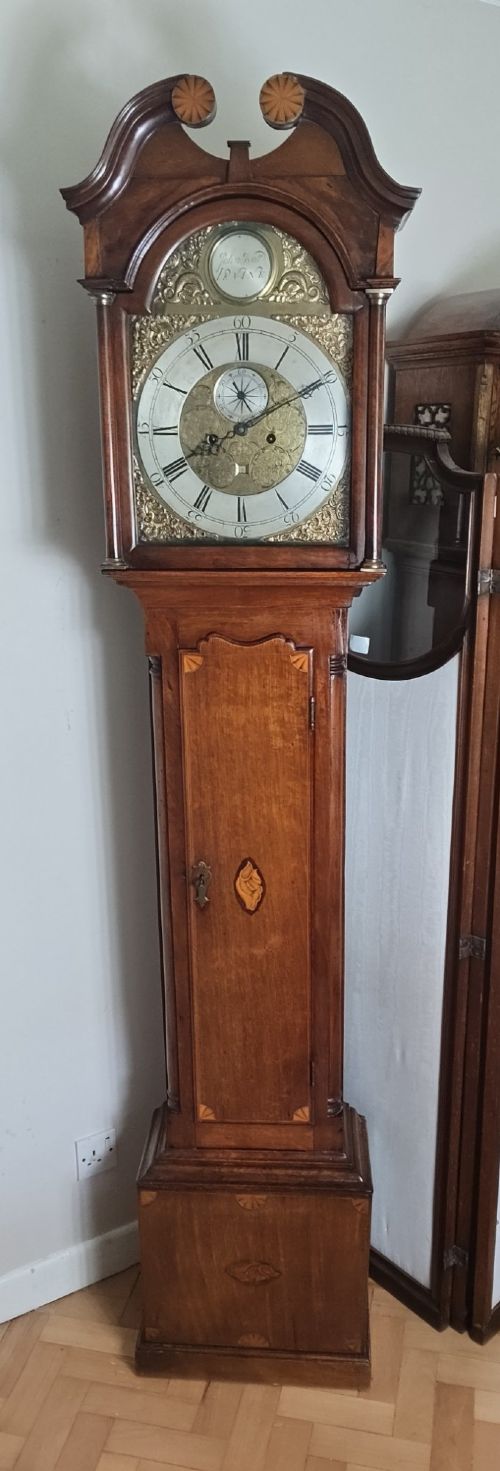
A traditional wood clock covers a variety of functional timepieces, ranging from towering longcase grandfather clocks to smaller mantel, bracket, and wall-mounted versions. These objects serve both as timekeeping instruments and substantial pieces of furniture.
The pieces seen on this page stem predominantly from the Georgian, Victorian, Edwardian, and Regency periods, with woods like mahogany, walnut, and oak forming the primary structural cases.
How they were made
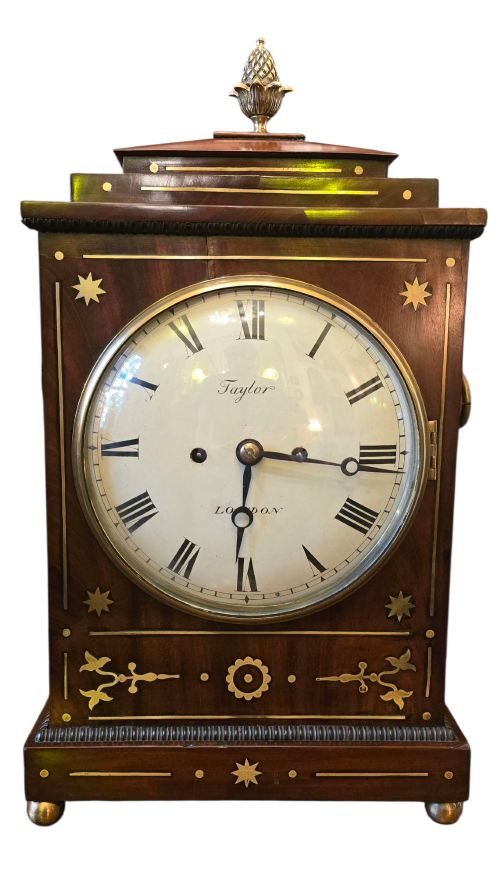
Cabinetmakers constructed the wooden housings using sturdy timbers such as mahogany, oak, and walnut, often applying fine veneers, carvings, and inlaid paterae for visual depth. These enclosures protected the intricate brass, steel, and iron mechanical movements housed within.
Dials combined painted enamel, brass fittings, and protective glass panels to complete the face. Movement mechanisms relied on weights, springs, fusees, and pendulum systems to drive the clock hands and striking trains accurately.
Traditional Wood Clock Retail Price Guide 2026
Typical asking prices for traditional wood clock among the pieces listed under this phrase on Sellingantiques today, from the lower quarter to the upper quarter. They describe what is for sale here now, not the wider market.
Listings feature woods such as mahogany, walnut, and oak paired with mechanical movements dating from the eighteenth to the twentieth century.
What varies in quality
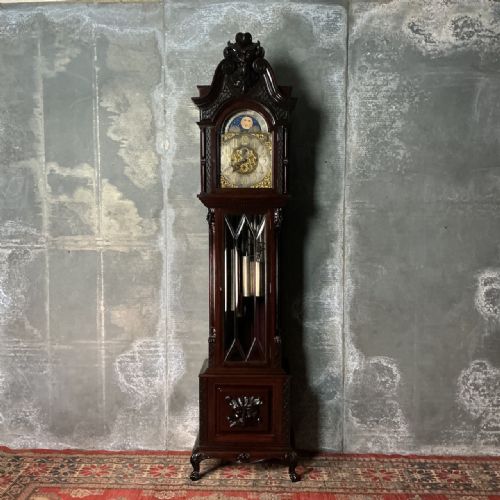
Quality rests heavily on the refinement of the movement and the integrity of the cabinetwork. Clocks housing complex fusee movements, moon phases, or multiple chiming trains represent higher levels of horological skill.
The choice of timber grain, the crispness of hand-carved details, and the reputation of the maker distinguish standard timepieces from exceptional, high-grade examples.
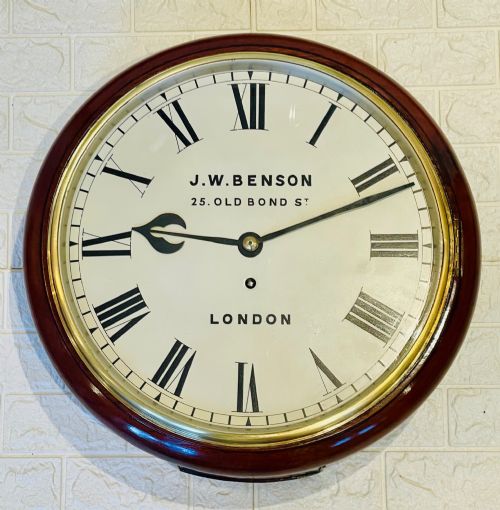
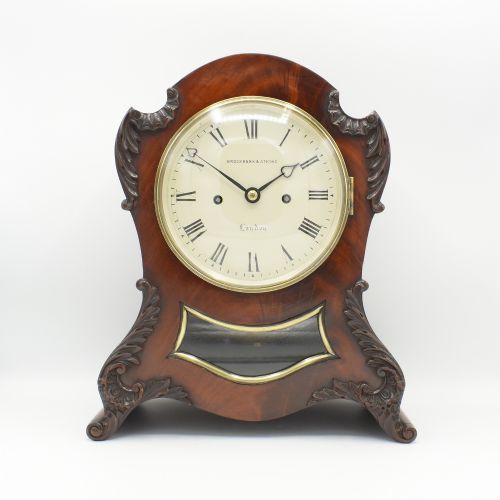
J W Benson·Taylor of London·Brockbanks & Atkins·Mappin & Webb
The Traditional Wood Clock Glossary
- Fusee
- A conical pulley used in mechanical clocks to maintain an even pull as the mainspring unwinds. This mechanism helps the clock run with greater timekeeping accuracy.
- Longcase clock
- A tall, free-standing pendulum clock enclosed in a wooden case, commonly referred to as a grandfather clock. These typically feature an enclosed trunk and a hood protecting the dial.
- Bracket clock
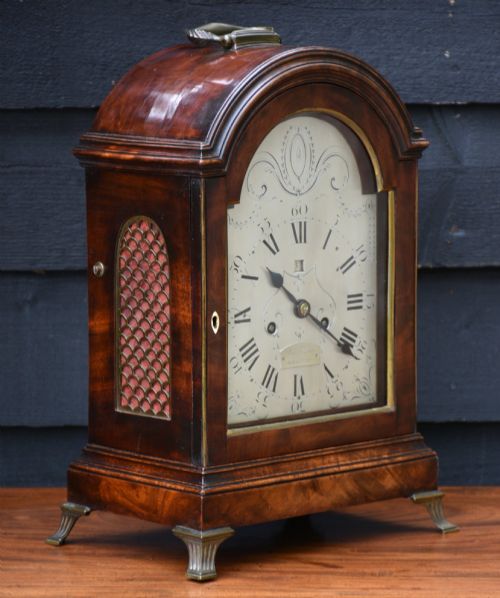
- A portable table or shelf clock historically designed to sit on a decorative wall bracket. Many examples feature detailed wooden cases and carrying handles.
- Verge movement
- An early type of mechanical escapement used to regulate the speed of a clock. It is frequently found in older Georgian timepieces.
- Dial clock
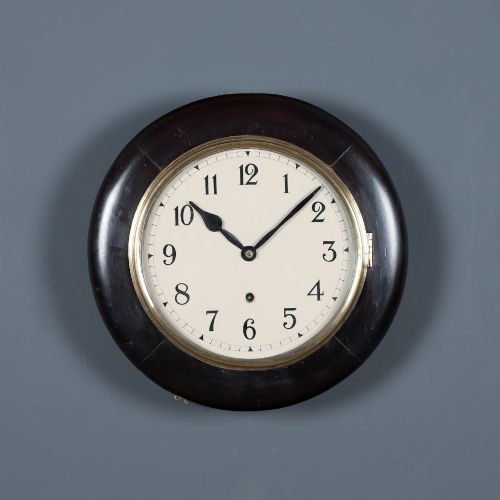
- A wall-mounted clock featuring a prominent circular face framed by a wooden surround. These were widely used in public spaces, schools, and stations.
Traditional Wood Clock: Frequently Asked Questions
How do I wind a traditional wood clock?
Winding requires using a matching key to gently turn the arbors located on the dial face until resistance is felt. Care must be taken not to overwind the springs or weights.
For weight-driven longcase clocks, pulling the chains or winding the cords raises the weights smoothly back toward the top of the case.
Where should I place a longcase clock?
Longcase clocks need a stable, level floor against an interior wall to ensure the pendulum swings evenly. Placing them away from direct sunlight and heavy heat sources protects the timber case.
Securing taller grandfather clocks to the wall using discreet fixings prevents accidental tipping in busy households.
Why does the clock strike incorrectly?
Striking trains can sometimes fall out of synchronization with the time hands after being moved or allowed to run down. Resetting the minute hand usually restores proper alignment.
If the internal rack or snail mechanism needs adjustment, consulting a professional horologist is recommended to avoid damaging vintage brass components.
How do I identify the period of a clock?
Dating relies on stylistic clues in the wooden case, such as Georgian fretwork, Regency brass inlays, or Victorian carved decorations. The design of the dial and the makers' signatures provide further historical context.
Examining the mechanical movement inside often reveals signatures, serial numbers, or construction traits unique to specific decades.