





Traditional Welsh Chair
A traditional welsh chair is a robust piece of rural seating built by local hands using native woods like oak, elm, ash, and yew.
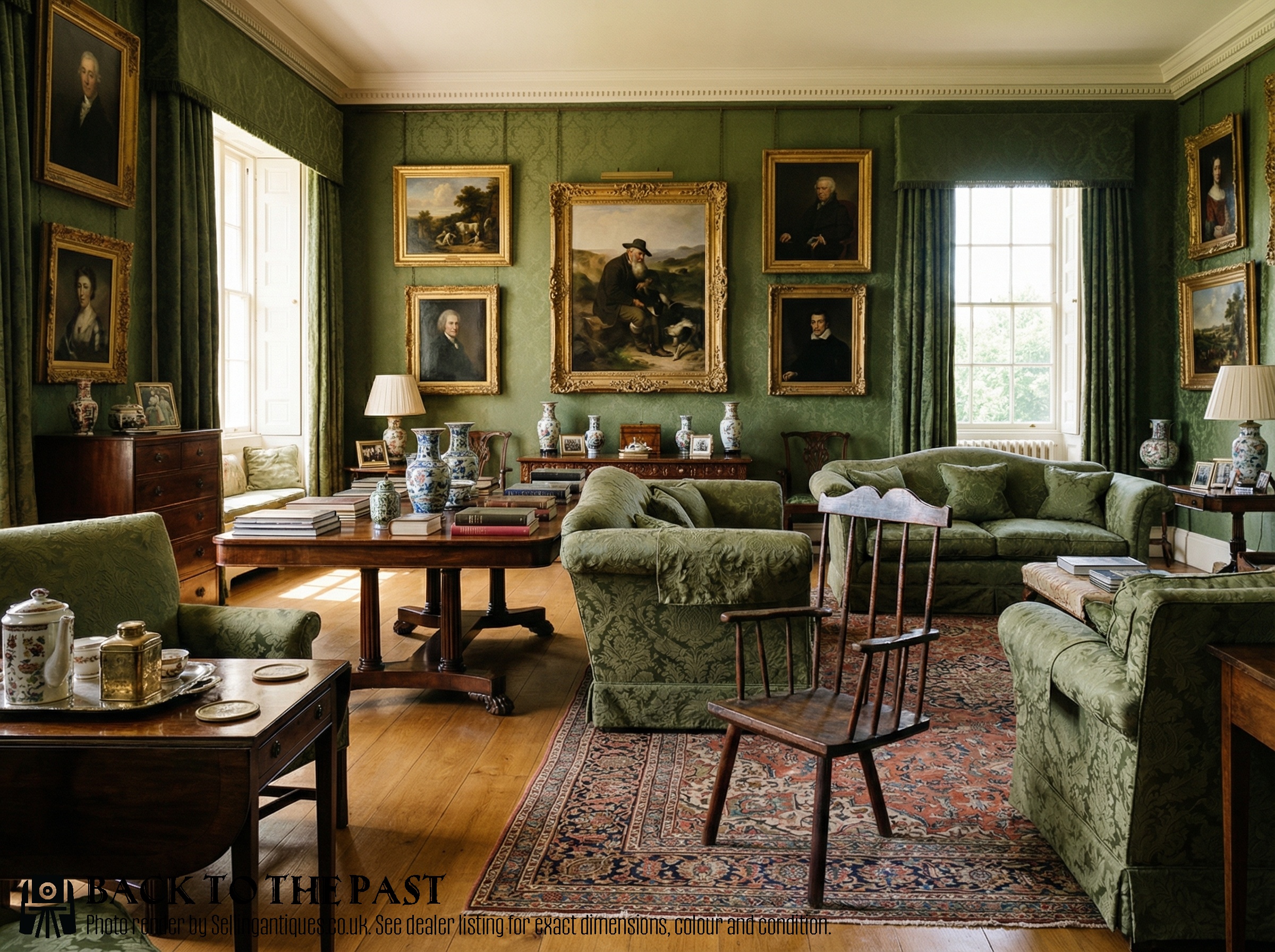
Traditional Welsh Chair
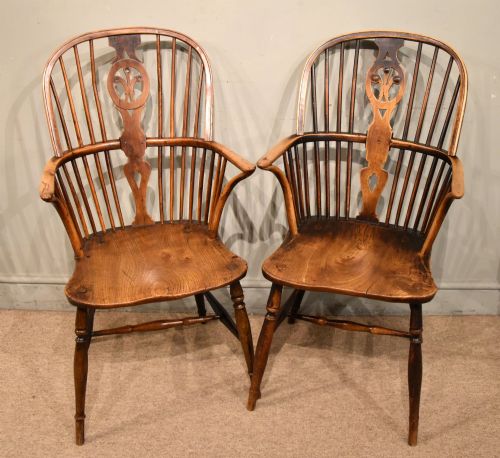
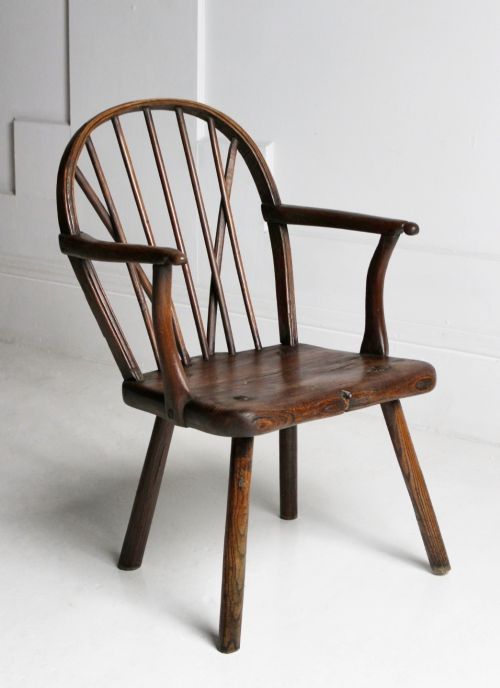
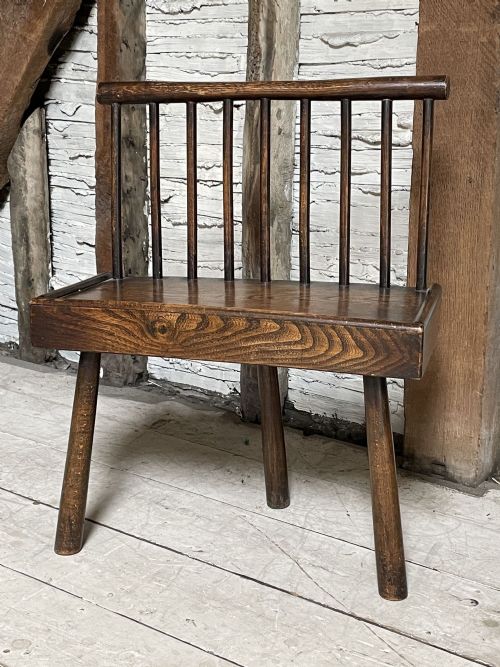
A traditional welsh chair encompasses a variety of vernacular forms ranging from sturdy wainscot armchairs and farmhouse seating to stick backs, comb backs, and low spinning chairs. These pieces originate from Welsh workshops and domestic settings across periods spanning the seventeenth through the early twentieth century.
The most common examples encountered in this selection are eighteenth and nineteenth-century stick back windsons and oak armchairs. Regional variations such as those from the Swansea Valley or Carmarthenshire demonstrate distinctive local methods of shaping timber into functional domestic furniture.
Materials and construction
Makers utilised native hardwoods such as oak for heavy frames and structural members, combining them with flexible elm, ash, and yew for seats, spindles, and bent parts. Burr elm occasionally appears on seating surfaces, bringing distinct grain patterns to the composition.
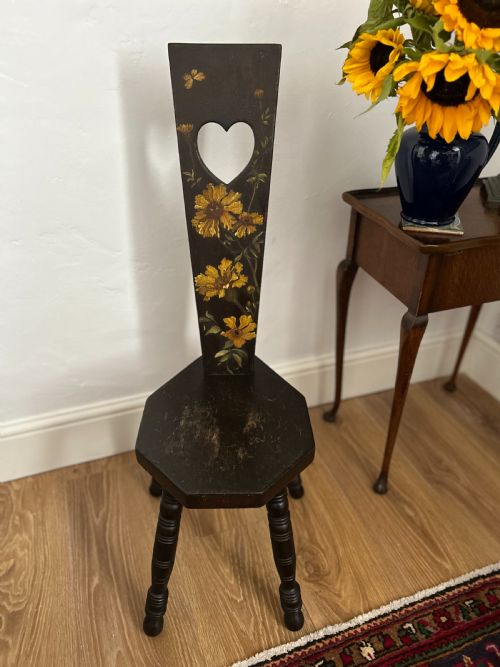
Construction relied on traditional joinery techniques, using turned legs and spindles pegged into solid wood seats alongside steam-bent comb backs and stick structures. Some later examples retain traces of hand-applied paint or folk art decoration over the timber.
Several low spinning chairs include hand-painted folk art details designed for hearthside yarn work.
Distinctions in quality
Quality in a traditional welsh chair rests upon the proportion of the frame, the integrity of the timber, and the comfort of the seat carving. Superior examples display balanced lines and thoughtful integration of contrasting woods like ash and elm.
The handling of the regional stick back or comb back form dictates the character of the piece, with cleaner turned details and well-preserved original surfaces separating finer regional work from simpler utilitarian items.
The Traditional Welsh Chair Glossary
- Wainscot
- A heavy wooden armchair constructed with panelled backrests and solid seats, typical of seventeenth and eighteenth-century vernacular design. These sturdy seats reflect early domestic carpentry traditions.
- Stick back
- A chair form where individual turned spindles or sticks are tenoned directly into a solid wooden seat to form the backrest. This method provides lightweight strength.
- Comb back
- A Windsor chair variant featuring an upper headpiece resembling a traditional hair comb supported by vertical spindles. It offers an ergonomic extension to the upper back.
- Vernacular
- Everyday furniture made by local craftsmen for regional use rather than high-style urban workshops. It prioritises utility and local material availability.
Traditional Welsh Chair: Frequently Asked Questions
What is a traditional welsh chair?
A traditional welsh chair is a piece of country furniture made in Wales from local timbers like oak, ash, and elm. These range from heavy wainscot armchairs to lighter stick and comb back windsors.
They reflect the rural lifestyle and carpentry skills of specific regions such as Carmarthenshire and the Swansea Valley.
How old are these chairs?
The pieces seen here span from the seventeenth century through the Georgian and Victorian eras up to the early twentieth century. Earlier examples often feature heavy oak construction and panelled backs.
Later items include nineteenth-century farmhouse sets and decorative spinning chairs from the Edwardian period.
How do I live with a country chair?
Country chairs suit both traditional and modern interiors because their organic timber tones and simple lines mix easily with other furniture. They function well as accent seating or desk chairs.
Keeping them away from direct heat sources helps preserve the natural moisture in old oak, elm, and ash.
How can I tell regional styles apart?
Regional differences appear in the turning of the spindles, the rake of the legs, and the shaping of the comb or stick back. Makers used whatever native woods were locally abundant.
Examination of the seat underside often reveals local framing habits and tool marks unique to Welsh country workshops.