



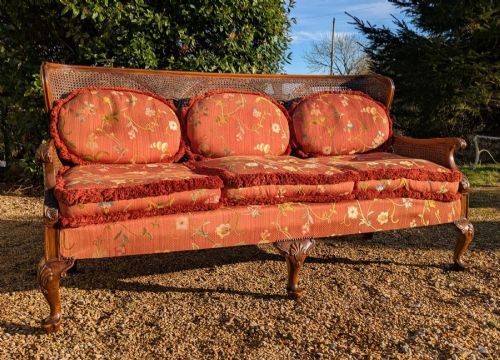
Traditional Walnut Seat
A traditional walnut seat brings rich timber grain and classic seating forms into a room, offering both sturdy construction and distinct period character.
Traditional Walnut Seat
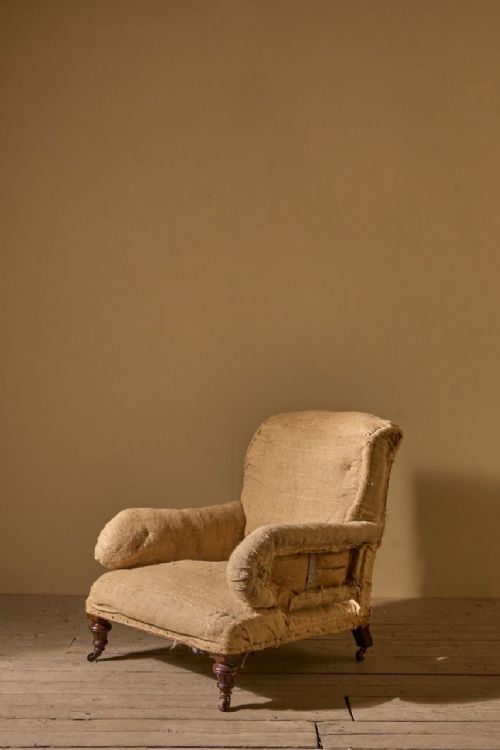
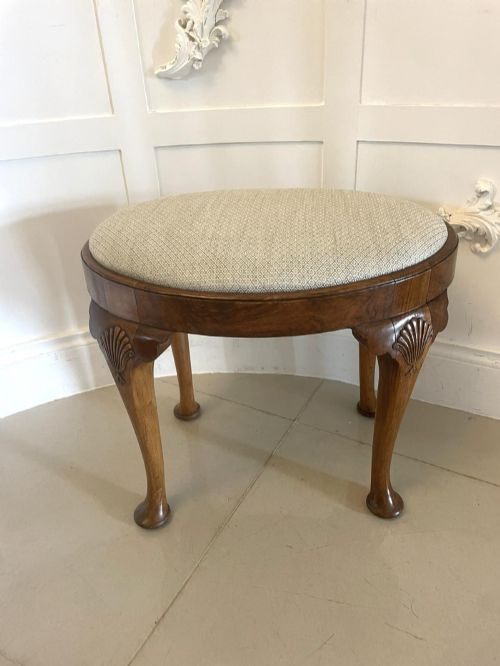
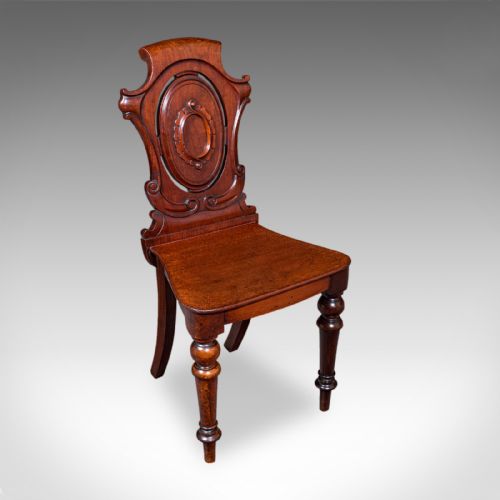
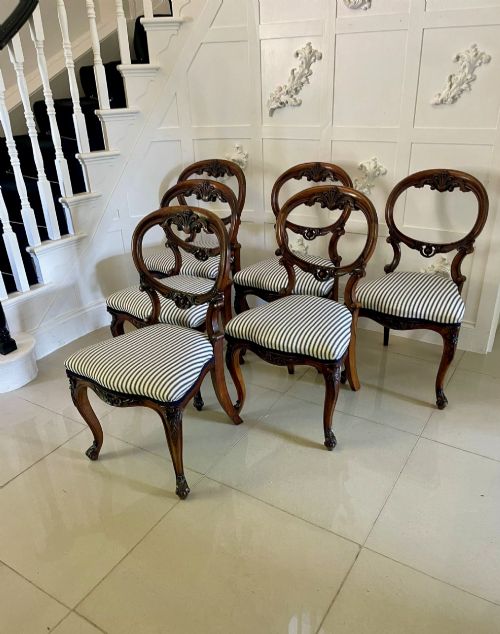
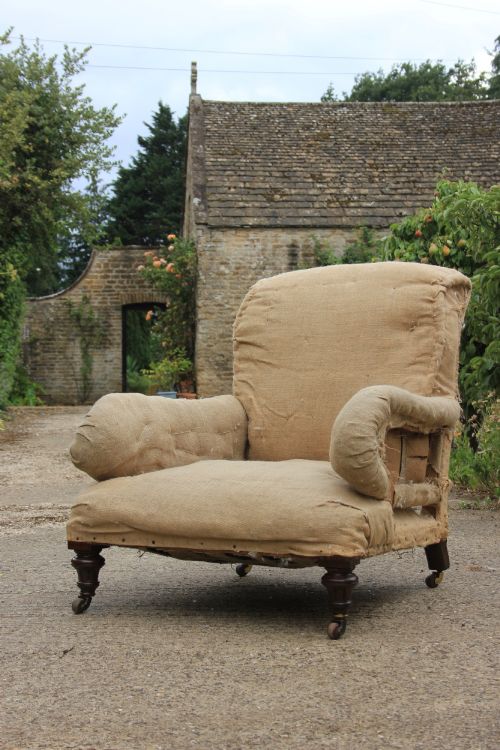
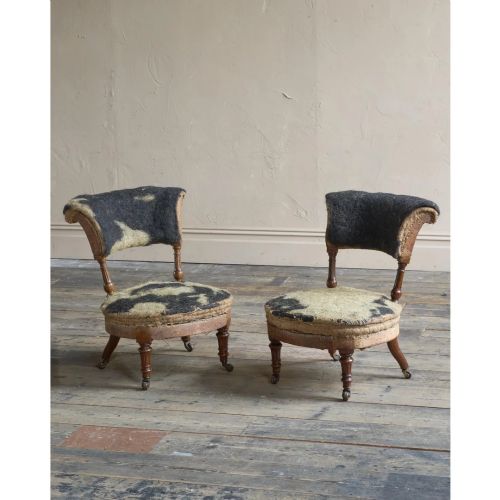
A traditional walnut seat encompasses diverse forms ranging from dining chairs and armchairs to sofas, settees, and footstools. These pieces emerge primarily from the nineteenth century, the Victorian era, and early twentieth-century revivals.
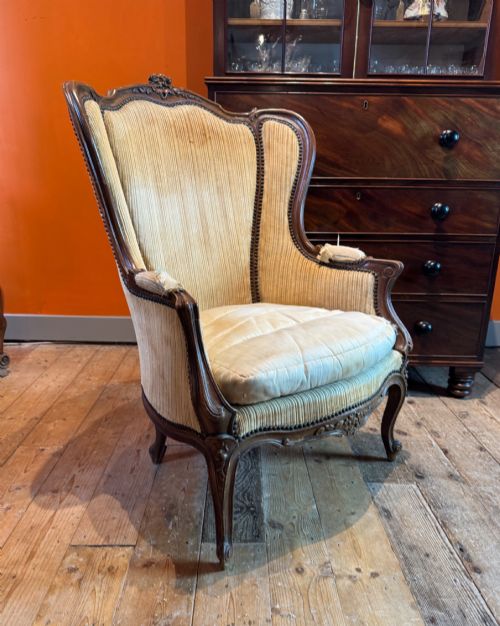
Origins include English workshops, Scottish reception seats, and French-influenced bergere designs. Each object displays the distinctive timber frames and upholstery methods characteristic of its period.
Factors that distinguish quality
The refinement of the timber and the depth of the grain figure heavily in overall quality. Burr walnut veneers and carefully carved walnut frames demonstrate superior cabinet-making compared to plain surfaces.
Structural integrity and the fidelity of revival styles, such as Queen Anne or Carolean interpretations, separate standard examples from finer commissions. Original upholstery support systems and well-executed joinery elevate an individual piece.
Materials recorded across the selection include solid walnut, burr walnut, brass, feather, and various woven textiles.
Charles Tozer·SF Cullen·Howard and Sons
The Traditional Walnut Seat Glossary
- Walnut
- A dense, dark hardwood prized for its rich figure and durability in furniture frames. It forms the primary structural material for these seats.
- Bergere
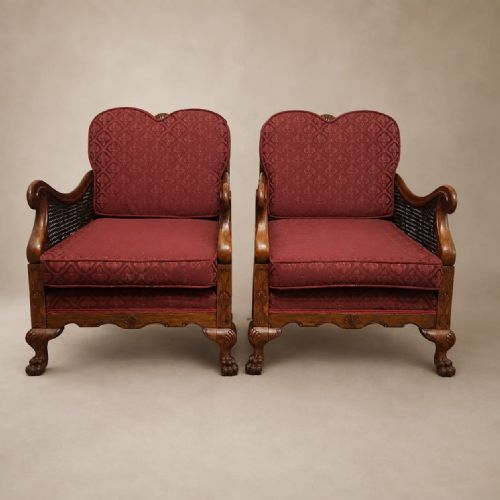
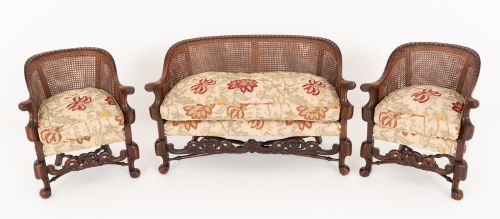
- An enclosed upholstered armchair with wooden frames and woven cane sides. This French-influenced form appears frequently in nineteenth and early twentieth-century variations.
- Wing armchair
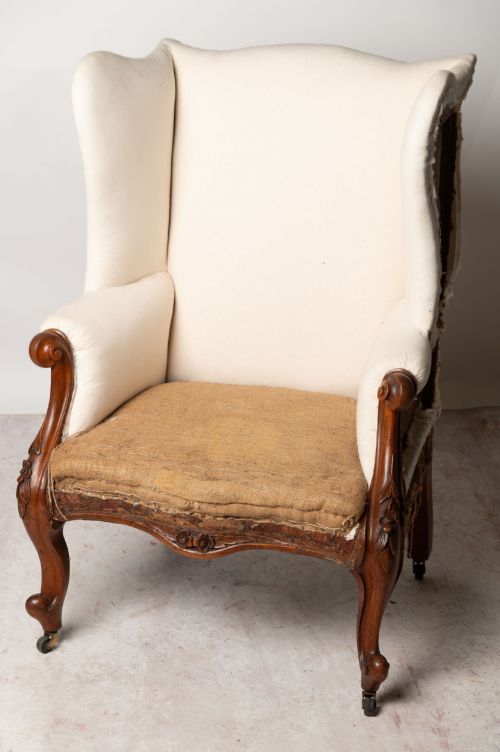
- A high-backed seat featuring upholstered side panels designed to shield the user from draughts. Examples often date from the Victorian period onwards.
Traditional Walnut Seat: Frequently Asked Questions
What is a traditional walnut seat?
A traditional walnut seat is an antique chair, sofa, stool, or bench constructed from walnut timber and dating from the nineteenth or early twentieth century. These items include dining chairs, easy chairs, and settees built in various historical styles.
They serve both practical seating and decorative functions within domestic interiors. Their enduring appeal lies in the warmth of the walnut grain and traditional upholstery.
How do I identify a Queen Anne style seat?
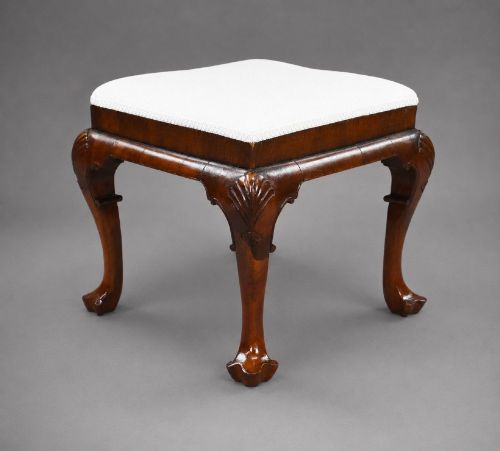
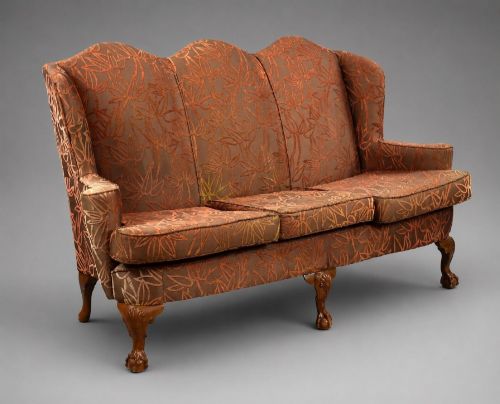
Queen Anne style walnut seats typically feature characteristic elements such as cabriole legs, pad feet, and splat backs. These design traits emerged during earlier periods and inspired twentieth-century revivals.
Examining the curves of the wooden frame and the joinery helps distinguish authentic revival pieces from later reproductions. The use of figured walnut veneer further confirms the period aesthetic.
Where were these walnut seats used?
These seats found placement in various domestic spaces, from formal dining rooms and reception halls to drawing rooms and country house libraries. Larger sofas and armchairs furnished communal gathering areas.
Smaller side chairs and hall chairs occupied entrance spaces or bedrooms. Their versatility ensured their presence across multiple rooms of a traditional home.
How do I care for antique walnut furniture?
Preserving antique walnut requires maintaining stable room humidity and avoiding direct sunlight to protect the wood and veneer. Gentle dusting with a dry cloth prevents surface build-up.
Upholstered components benefit from professional textile cleaning appropriate to the specific fabric or leather used. Regular inspection of structural joints keeps the wooden frames secure.