





Traditional Walnut Headboard
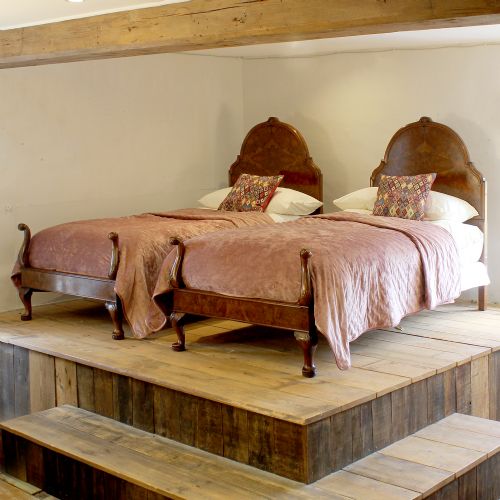
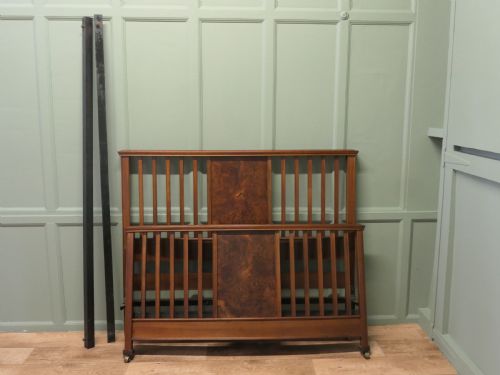
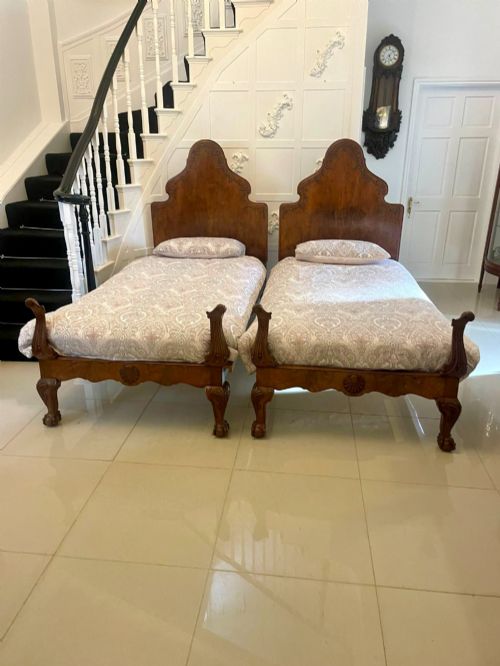
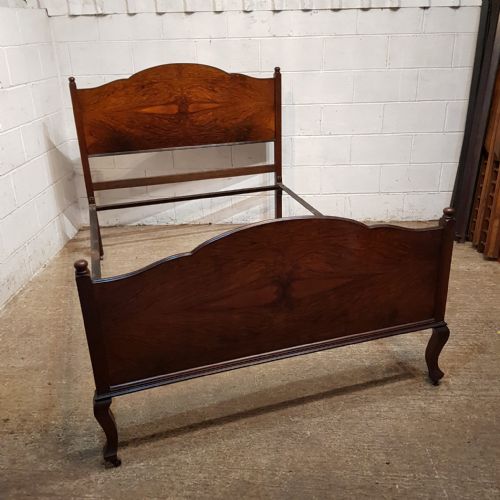
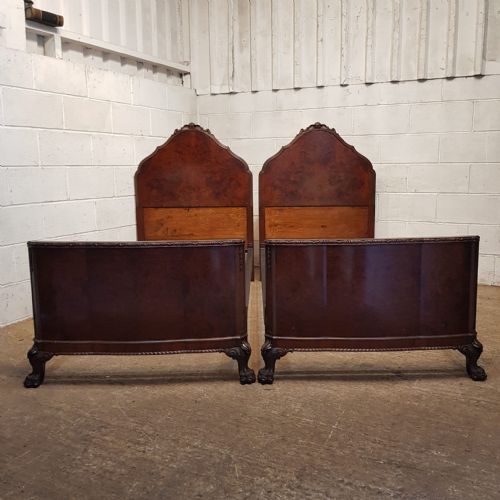
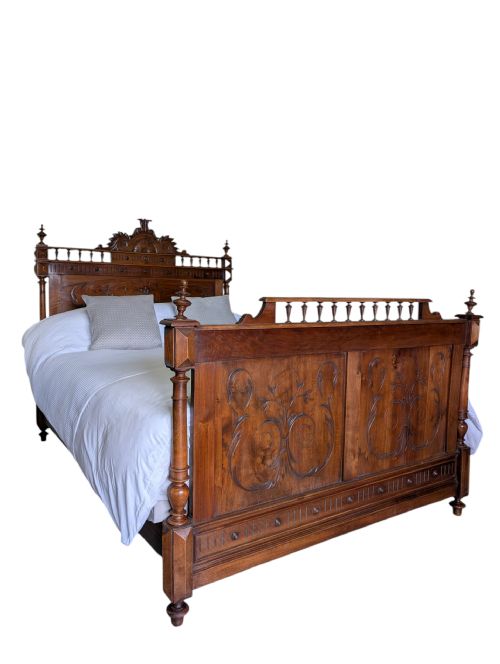
These traditional walnut headboard options are substantial wooden bedframes offering period character and deep grain figures for the bedroom.
Traditional Walnut Headboard
When you search for a traditional walnut headboard, you are looking at substantial bed frames and bedsteads spanning the Victorian era through the 1920s. The selection includes single beds, double beds, king sizes, and larger emperor proportions.
The dominant aesthetic draws heavily on historic revivals, most notably Queen Anne style and Edwardian designs alongside French neoclassical and Rococo influences. Single pairs frequently appear alongside grander double and king size bedsteads.
Makers of these periods utilised rich timber framing to create imposing bedroom focal points. You will encounter pieces incorporating half tester tester canopies as well as low-profile panelled headboards.
How these wooden beds and frames were constructed
Craftsmen built these bedsteads using solid walnut and figured burr walnut veneers applied over sturdy timber frames. Selected pieces incorporate carved decorative elements, brass fittings, iron supports, and painted leather panels.
Joinery methods relied on heavy framing timbers to support large headboards and footboards. Upholstered sections and fabric inserts were integrated directly into the wooden framework during assembly.
Listings feature walnut, burr walnut, timber, iron, fabric, and brass across Victorian, Edwardian, and 1920s periods.
What separates standard pieces from the finest examples
The distinction in quality lies chiefly in the choice of wood and the depth of the burr walnut figuring across the main panels. Highly figured grain patterns and careful carving elevate the visual presence of the bedstead.
Substantial timber thickness and the integrity of the original joints determine the structural merit of each piece. Finer examples balance elaborate styling, such as Queen Anne or French revival motifs, with robust foundational construction.
The Traditional Walnut Headboard Glossary
- Burr walnut
- A prized wood veneer showing intricate swirling grain patterns formed by growths on the tree. It provides a highly decorative surface on large headboard panels.
- Bedstead
- A framework of a bed consisting of the headboard, footboard, and side rails. It supports the mattress base independently.
- Half tester
- A bed with a partial canopy extending from the headboard over the top of the bed. It often carries drapery or fabric cornices.
- Queen Anne style
- A design movement characterised by cabriole legs, pad feet, and graceful curved lines. It experienced major revivals in the late nineteenth and early twentieth centuries.
- French neoclassical
- A style inspired by classical antiquity featuring restrained ornamentation and symmetrical proportions. It frequently appears in continental walnut bed designs.
Traditional Walnut Headboard: Frequently Asked Questions
Will modern mattresses fit these antique beds?
Many older bedsteads require custom mattress sizes or subtle adjustments to the internal support slats. Standard modern mattresses may overhang or leave gaps depending on the specific frame proportions.
Consult the interior dimensions of the side rails before purchasing bedding. Modern slatted bases can often be inserted to support contemporary mattresses securely.
How do I care for walnut wood?
Dust the timber surfaces regularly with a soft, dry cloth to prevent the buildup of grit. Avoid placing the bedstead in direct sunlight or near strong heat sources that could dry out the walnut veneer.
Apply a suitable furniture wax periodically to nourish the wood and maintain its natural sheen. Keep painted leather or fabric panels protected from moisture during cleaning.
How can I tell the period of a bed?
Examine the construction methods, such as the type of screws, bolts, and timber preparation used on the inner frame. Victorian and Edwardian pieces often display characteristic machine-cut elements combined with hand-finishing.
Compare the decorative vocabulary against known revival styles like Queen Anne or Henri II. The presence of burr walnut veneers is particularly indicative of late nineteenth and early twentieth-century production.