



Period Double Bed Frame
A period double bed frame brings solid timber and heavy metal joinery into the bedroom, offering an authentic antique anchor for the sleeping space.
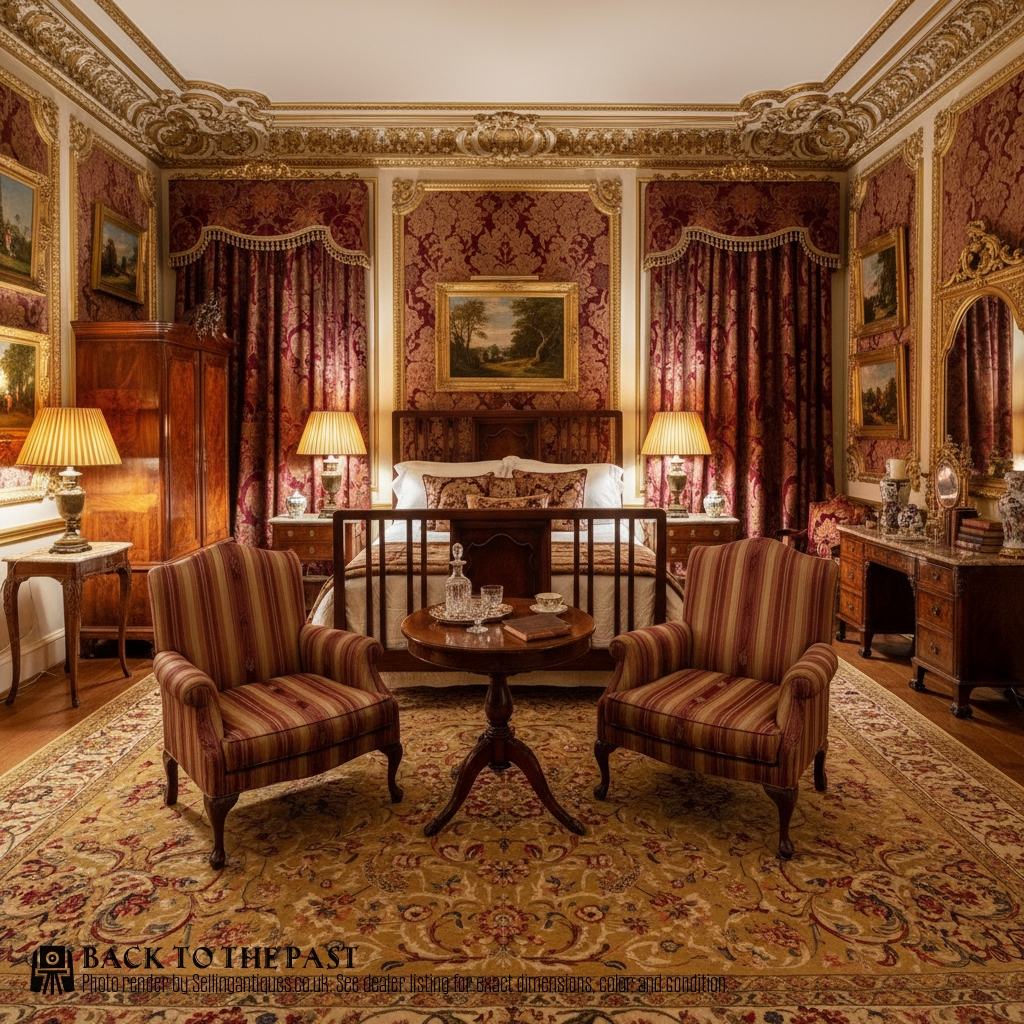
Period Double Bed Frame
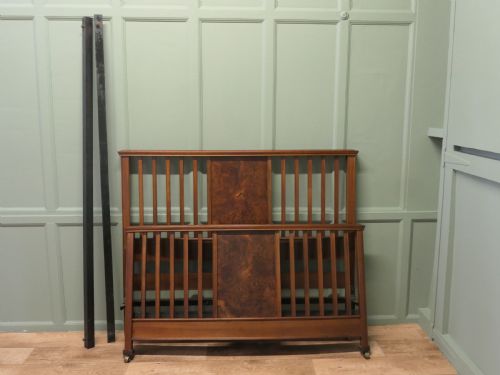
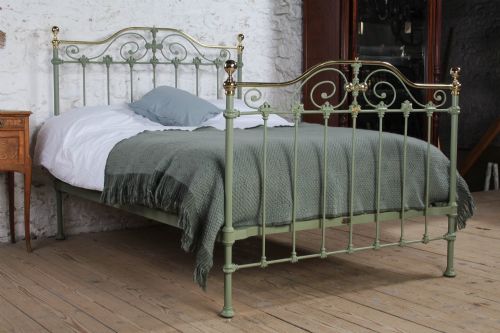
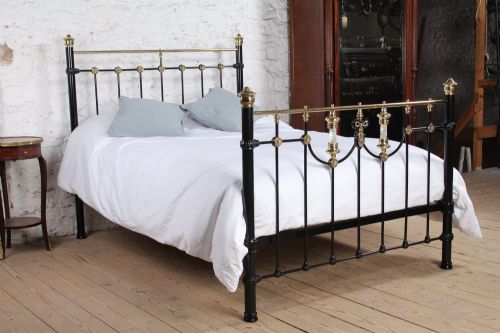
A period double bed frame covers everything from hefty Victorian brass and iron combinations to warm Edwardian mahogany and walnut bedsteads. Buyers browsing this search phrase encounter robust metal frames alongside polished wood constructions spanning the nineteenth and early twentieth centuries.
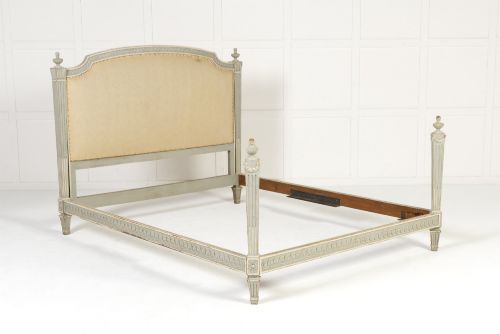
Victorian brass and iron versions dominate the selection, often featuring straight rails or decorative mounts, while Edwardian examples tend to favour rich timbers like mahogany and sweet chestnut. French influences appear through painted finishes and Louis XVI styling, adding variety to the standard domestic forms.
Materials and construction
Makers utilised cast and wrought iron alongside polished brass for the metal frames, creating rigid structures often embellished with mother of pearl details. Timber frames relied on solid mahogany, burr walnut, and sweet chestnut, joined with traditional cabinetmaking techniques.
Upholstered headboards incorporated fabric panels into wooden frameworks, particularly on high back designs from the Victorian era. Metal components involved casting and tubular forming, resulting in durable bedsteads built to last.
Listings feature metal and timber frames spanning the Victorian and Edwardian periods, alongside seventeenth century examples.
Assessing quality
The distinction between ordinary and superior pieces rests on the weight of the metal and the selection of timber veneers. Heavy brass castings and substantial iron rails indicate better metalwork quality than lighter, thin-walled alternatives.
Woodwork quality reveals itself in the grain choice of burr walnut or mahogany and the crispness of any applied carving. Superior examples maintain structural integrity without excessive replacement of original wooden slats or side rails.
Stanley Webb Davies·RW Winfield
The Period Double Bed Frame Glossary
- Bedstead
- A framework of a bed consisting of headboard, footboard, and side rails. This term often appears interchangeably with bed in older listings.
- Tester
- A canopy suspended over a bed, supported by the headboard and footboard posts. These large wooden structures are typical of earlier centuries.
- Straight Rail
- A simple horizontal bar design common on metal bed frames. This minimalist configuration defines many Victorian iron and brass examples.
- Sweet Chestnut
- A durable hardwood utilised by notable makers for furniture construction. It provides a distinct grain pattern visible in select Arts and Crafts pieces.
Period Double Bed Frame: Frequently Asked Questions
Will a modern mattress fit?
Most period double bed frames accommodate standard mattress dimensions, though older frames can vary slightly from contemporary sizing standards.
Buyers should verify the internal length and width between the side rails before purchasing a new mattress.
How do I assemble the frame?
These beds typically utilise heavy metal side rails that slot into cast iron sockets on the headboard and footboard. A rubber mallet helps seat the wedge joints securely without damaging the metal.
Wooden frames often rely on metal bolts or traditional bed bolts that tighten from the inside of the rails.
Are wooden or metal frames stronger?
Both options offer robust construction when built with quality materials, though they distribute weight differently. Cast iron and brass combinations provide immense rigidity, while solid mahogany and walnut offer sturdy traditional joinery.
The condition of the side rails and joints matters more than the primary material itself.
How do I date a frame?
Dating relies on identifying stylistic markers, construction methods, and materials recorded in the specific design. Victorian pieces often feature heavy brass and iron, while Edwardian versions frequently showcase refined mahogany or walnut.
Detailed examination of the screw threads, fixings, and timber patination confirms the manufacturing era.