






Traditional Walnut Dining Chairs
Traditional walnut dining chairs combine rich timber figures with formal dining comfort, spanning periods from the nineteenth century to the twentieth.
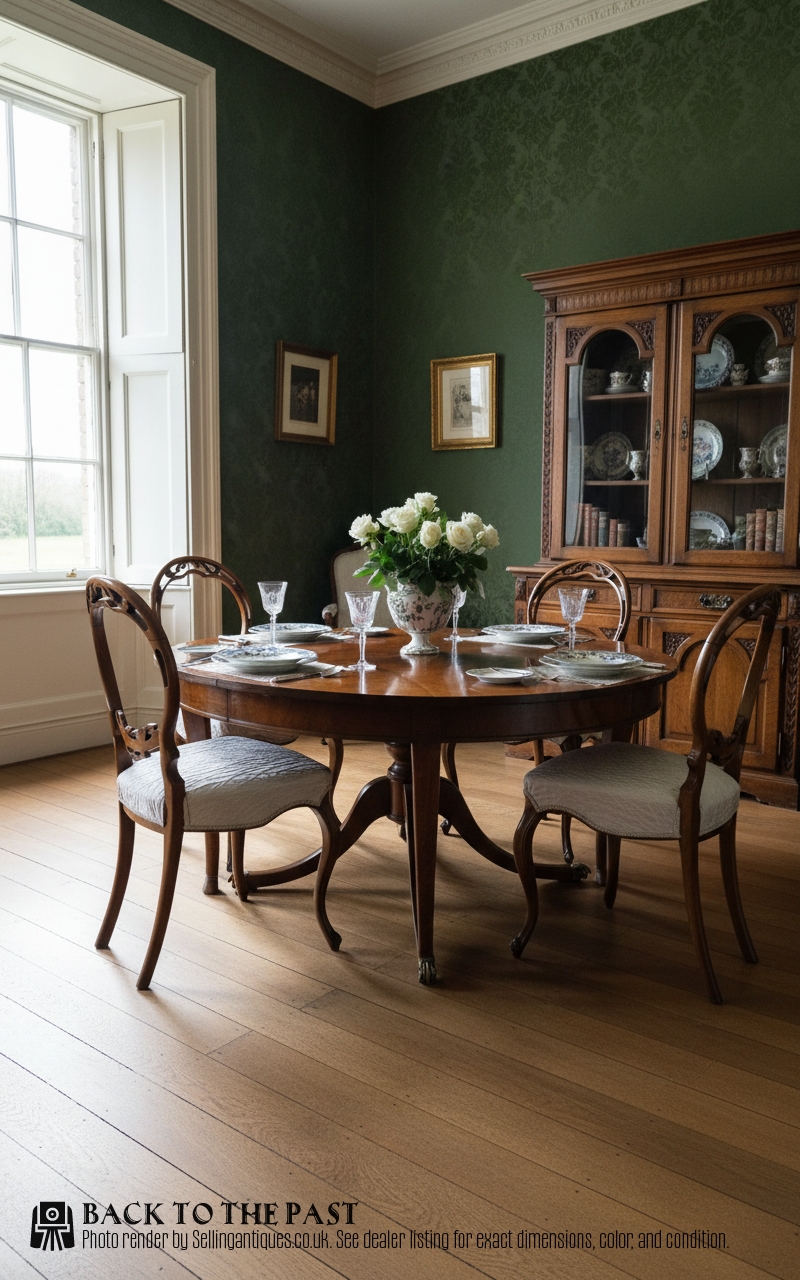
Traditional Walnut Dining Chairs
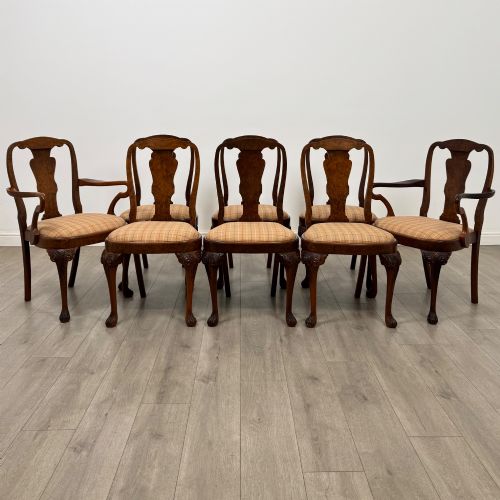
Traditional walnut dining chairs appear across multiple historical periods, notably the Victorian era, Edwardian period, and twentieth century. Buyers encounter various forms including side chairs, armchairs, carver chairs, and large dining room sets.
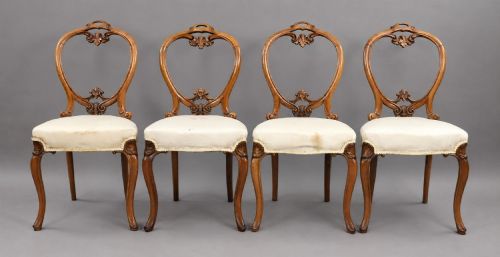
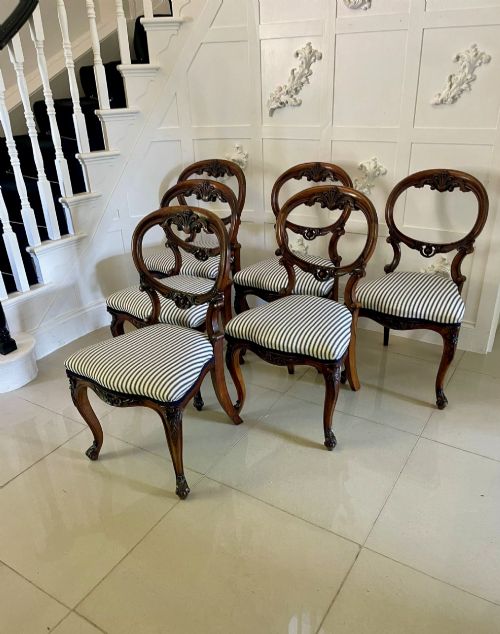
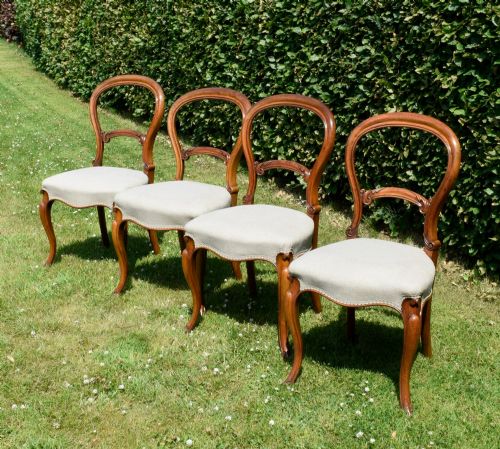
Originating largely from domestic dining and salon settings, these walnut pieces incorporate structural variations like balloon backs, high backs, and ribbon backs. Workshop creations and maker-attributed pieces sit alongside standard period dining chairs.
Construction and materials
Cabinet makers utilised solid walnut and decorative burr walnut veneers over supportive timber frames to achieve rich grain patterns and deep colour. Selected sections often featured carved detailing, parcel-gilt highlights, or shaped splats.
Seating portions were constructed with traditional upholstery foundations, then covered in various textiles including fabric, velvet, leather, and needlepoint. Brass hardware and structural fixings occasionally reinforced the joinery.
Traditional Walnut Dining Chairs Retail Price Guide 2026
Typical asking prices for traditional walnut dining chairs among the pieces listed under this phrase on Sellingantiques today, from the lower quarter to the upper quarter. They describe what is for sale here now, not the wider market.
The listings span Victorian, Edwardian, and twentieth-century periods, alongside George II and Queen Anne revival styles.
Judging the range
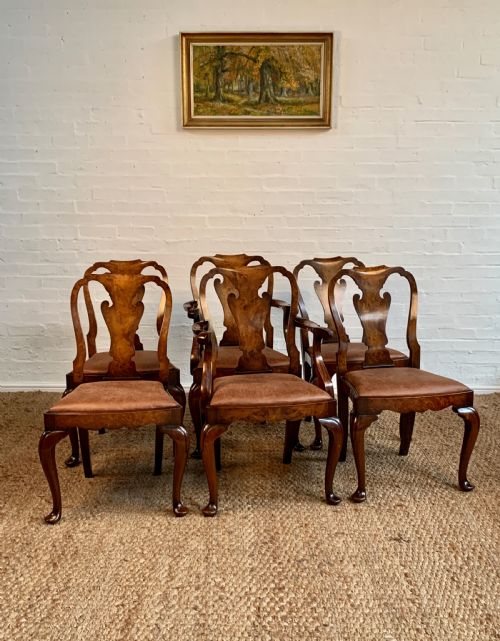
The degree of hand-carved ornamentation and the selection of figured burr walnut veneer distinguish standard dining chairs from exceptional examples. Timber selection and grain matching across larger sets indicate higher standards of workshop production.
Proportion, structural integrity in the frame, and the quality of upholstery execution separate everyday seating from fine maker-attributed pieces.
Charles Tozer·Spillman & Co
The Traditional Walnut Dining Chairs Glossary
- Balloon back
- A rounded, scroll-topped chair back shape popular during the Victorian period. This profile offers comfortable lumbar support.
- Burr walnut
- Timber taken from a tree growth, yielding swirling, highly decorative grain patterns. Cabinet makers prized this material for veneering prominent surfaces.
- Carver chair
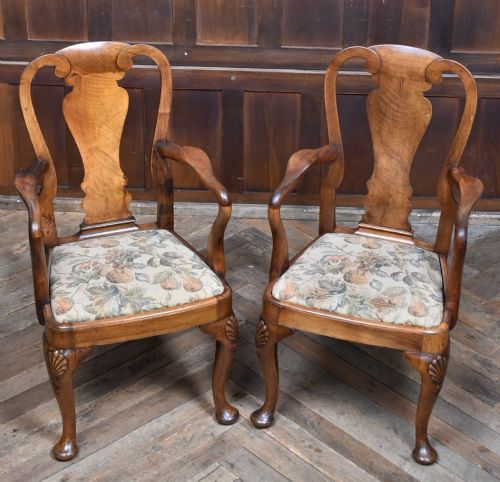
- An armchair designed to sit at the head of a dining table. These typically feature supportive armrests matching the surrounding dining chairs.
- Parcel-gilt
- Partially gilded with gold leaf to highlight specific carved details. This technique adds subtle contrast against dark walnut timber.
Traditional Walnut Dining Chairs: Frequently Asked Questions
How do I care for antique walnut furniture?
Keep walnut dining chairs away from direct sunlight and heat sources to prevent the timber from drying out or splitting. Regular dusting with a soft, dry cloth maintains the finish.
Avoid using modern silicone polishes, opting instead for traditional beeswax occasionally to nourish the walnut grain.
What is the difference between side chairs and carver chairs?
Side chairs are armless seats designed to fit compactly around the sides of a dining table. Carver chairs feature integrated armrests and typically sit at the heads of the table.
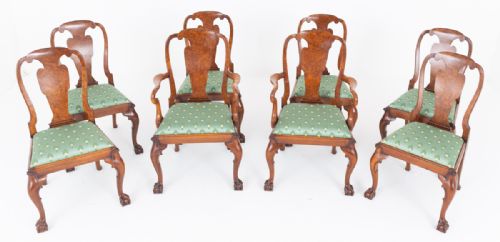
Sets often combined six side chairs with two carver chairs to accommodate a host and hostess.
How do I identify Queen Anne style chairs?
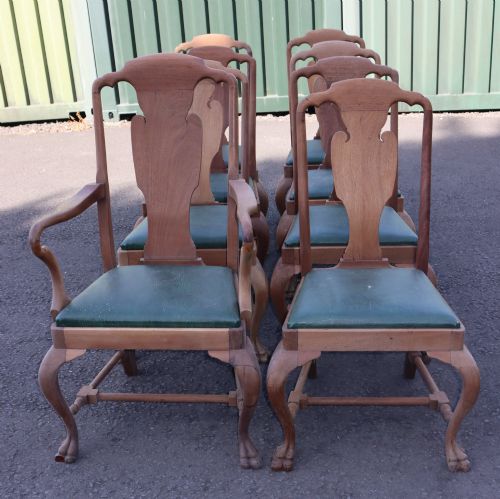
Queen Anne style chairs are characterised by vase-shaped splats, curved uprights, and often cabriole legs terminating in pad feet. High-back variants also appear in revival forms.
Twentieth-century makers frequently reproduced these distinct eighteenth-century architectural silhouettes using walnut.
Are these chairs suitable for daily use?
Period dining chairs are structurally robust, but checking the joints and upholstery foundation ensures they withstand daily sitting. Many chairs feature modern or renewed upholstery while retaining their historic frames.
Using them for dining requires balancing historical appreciation with practical household care.