






Traditional Walnut Bed Frame
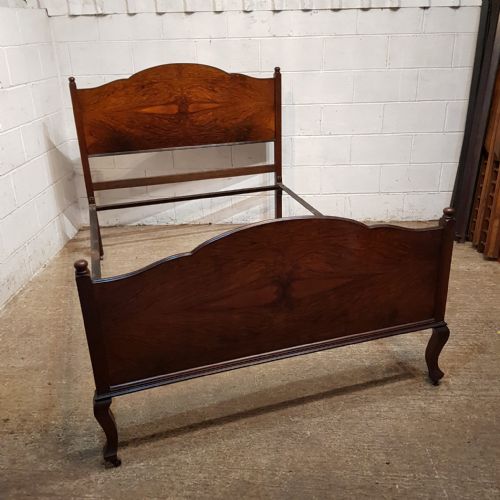
A traditional walnut bed frame brings warmth and deep grain pattern into a bedroom, offering a solid structure built from rich timber.
Traditional Walnut Bed Frame
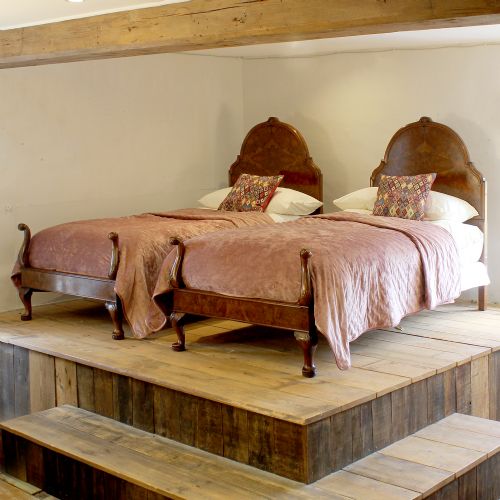
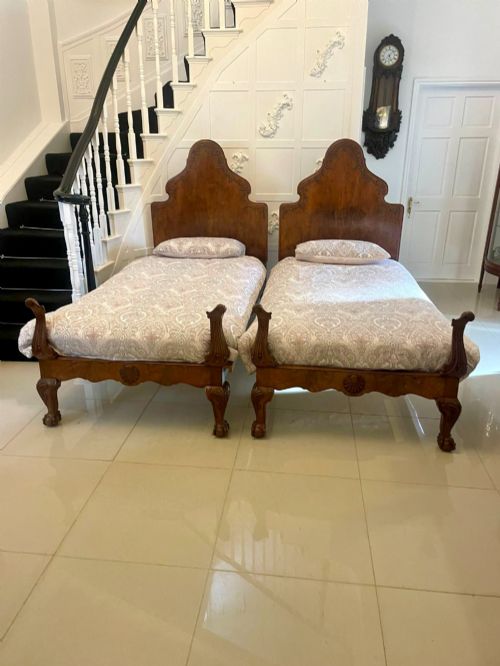
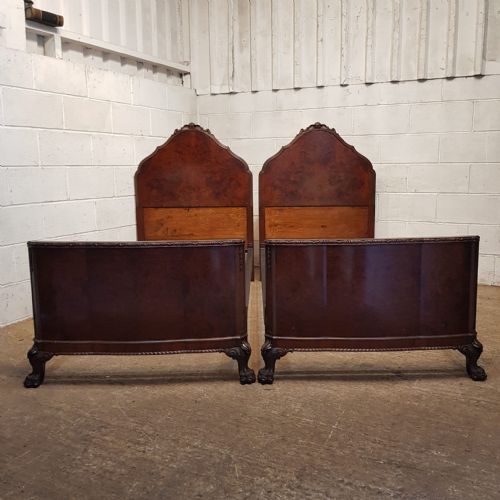
Buyers will encounter various sizes on this page, including single beds, double beds, king size frames, and larger emperor proportions. Many examples appear in matched pairs, while others are substantial standalone double or king size bedsteads.
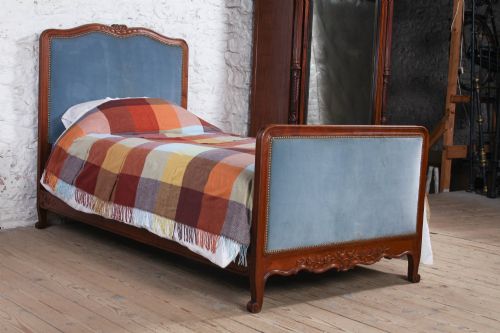
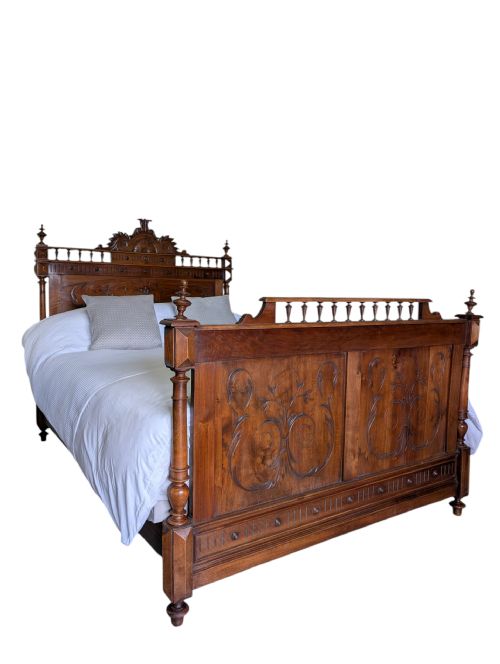
Construction forms include standard timber headboards and footboards, alongside pieces featuring upholstered panels or painted leather inserts. The selection captures both British revival aesthetics and continental European workshop traditions.
How they were made
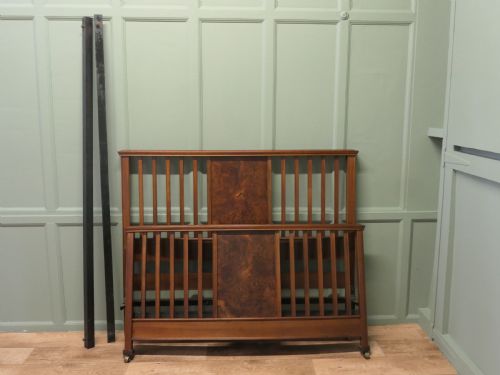
Cabinet makers utilised solid walnut and figured burr walnut veneers applied over secondary timbers to create striking grain patterns on headboards and footboards. Master carpenters shaped structural elements through traditional joinery, often incorporating carved ornamentation into the solid wood frames.
Many examples integrate metal components such as iron and brass within the internal frame construction to provide modern mattress support while retaining the antique wooden exterior. Secondary materials such as fabric and painted leather appear as panel inserts within the wooden framework.
Traditional Walnut Bed Frame Retail Price Guide 2026
Typical asking prices for traditional walnut bed frame among the pieces listed under this phrase on Sellingantiques today, from the lower quarter to the upper quarter. They describe what is for sale here now, not the wider market.
Several single beds on this page come equipped with painted leather panels, proving that nineteenth-century sleepers enjoyed a splash of art with their slumber.
What varies in quality
The distinction between standard examples and superior pieces rests largely in the choice of wood and the depth of the figure in the burr walnut veneer. Highly figured veneers carefully matched across wide panels demand exceptional joinery skill and elevate the visual presence of the bedstead.
Carved detail also separates the output of different workshops, where crisp, deep hand-carving on solid walnut surpasses simpler machine routing or modest applied mouldings. The integration of auxiliary materials like painted leather panels or fine brass mounts further distinguishes finer commissions.
The Traditional Walnut Bed Frame Glossary
- Burr walnut
- A specialised timber cut from the abnormal growth or burl of a walnut tree, yielding swirling, highly decorative grain patterns. Cabinet makers prized this wood for veneering prominent surfaces.
- Bedstead
- A framework of a bed designed to support the mattress and spring base, distinct from the bedding itself. These structures often feature decorative headboards and footboards.
- Queen Anne Style
- A design movement characterised by curved lines, cabriole legs, and understated elegance, which experienced significant revival periods during the late nineteenth and early twentieth centuries.
- French Neoclassical
- A decorative style drawing inspiration from classical antiquity, featuring restrained proportions, symmetrical balance, and refined carving.
- Henri II style
- A nineteenth-century revival aesthetic incorporating robust proportions, architectural elements, and dense carved ornamentation derived from sixteenth-century French Renaissance design.
Traditional Walnut Bed Frame: Frequently Asked Questions
Will an antique bed frame take a standard mattress?
Many traditional walnut bed frames accommodate standard mattress sizes, though older French and continental dimensions can vary slightly from modern British measurements.
Buyers should verify the internal length and width dimensions of the specific bedstead before purchasing a contemporary mattress.
How do I care for a walnut bedstead?
Maintaining walnut furniture involves regular dusting with a soft, dry cloth and avoiding placement near direct heat sources or strong sunlight that can dry out the timber.
Applying occasional appropriate wax polish helps nourish the wood surface and preserve the natural sheen of the grain.
Are these beds easy to assemble?
Most antique wooden bed frames utilise traditional metal bolt connections or wooden peg joints designed for straightforward dismantling and reassembly.
Having two people manage the setup ensures the heavy wooden side rails and headboards slot together securely without damaging the antique timber.
What is the difference between single and double antique beds?
Single beds on this page typically suit narrow guest rooms or children's spaces, and they frequently appear as matching pairs from the Edwardian period and the nineteen twenties.
Double and king size bedframes offer wider sleeping proportions and usually showcase more expansive burr walnut veneers on the main headboard panels.