




Edwardian Headboard and Footboard
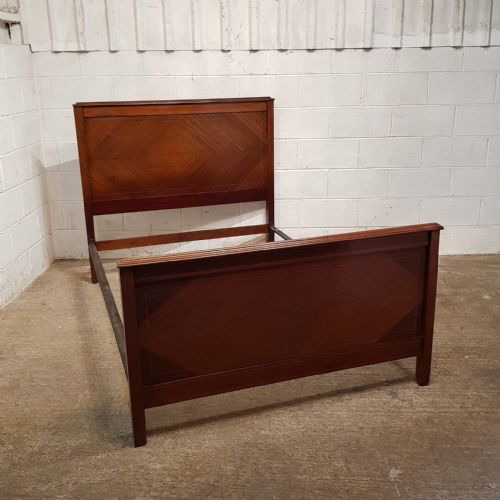
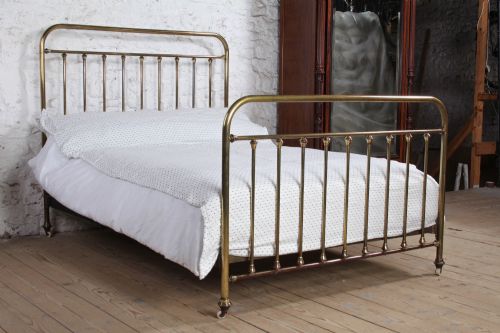
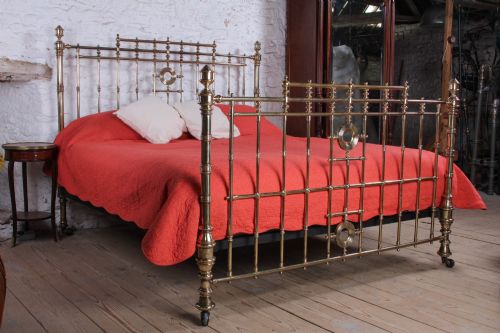
These edwardian headboard and footboard pieces bring period character to a bedroom, offering solid timber or robust metal framework for daily use.
Edwardian Headboard and Footboard
An edwardian headboard and footboard setup typically forms part of a complete bedstead rather than a standalone panel set, connecting through side rails to support a mattress. These pieces most commonly appear as double or king size frames shaped by the aesthetic preferences of the early twentieth century.
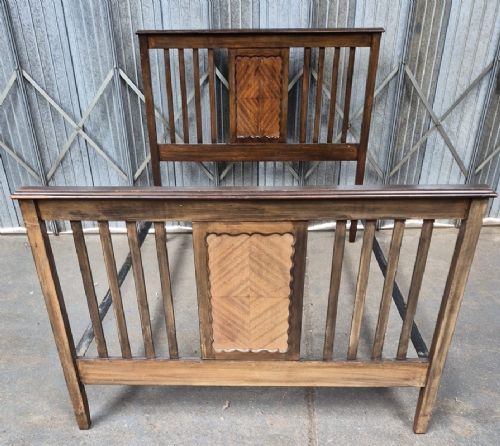
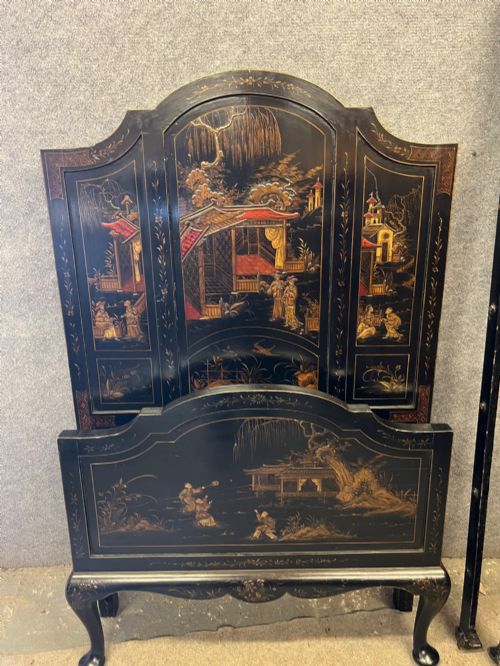
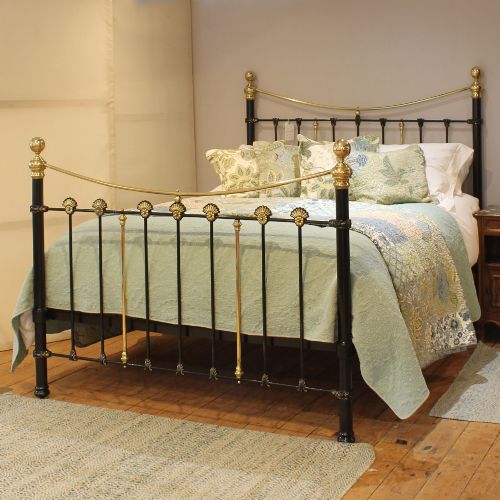
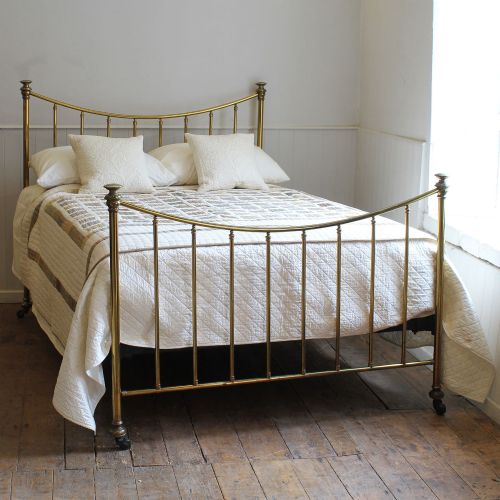
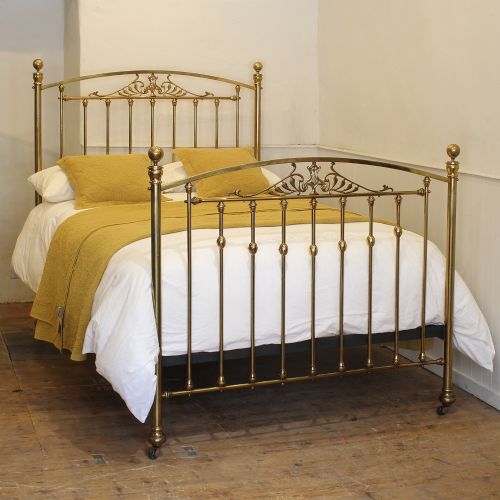
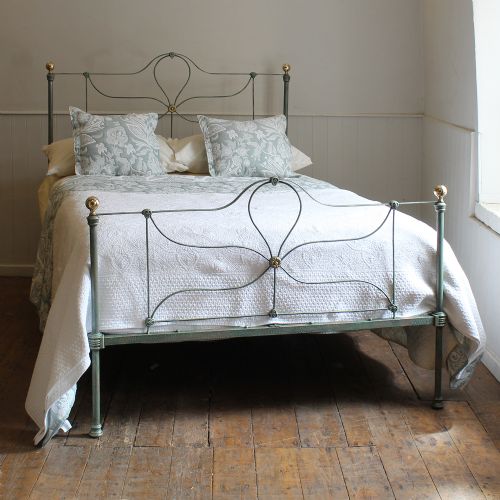
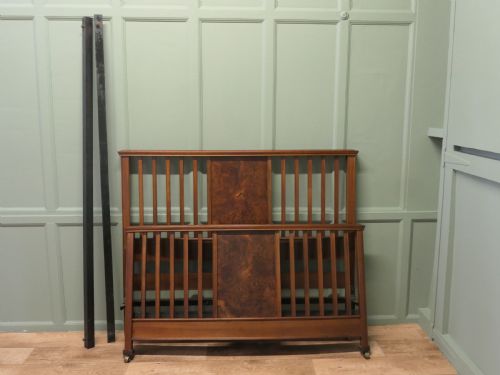
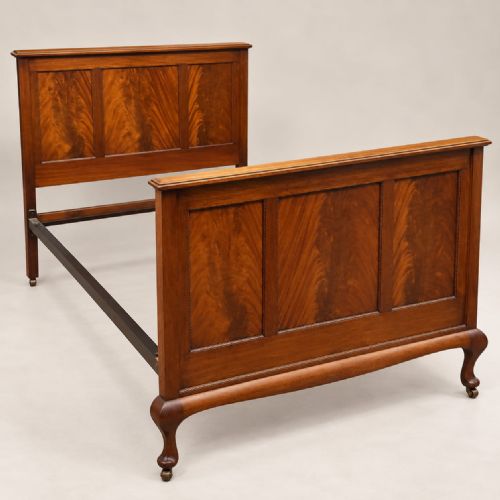
The selections available span periods from the late nineteenth century into the mid-twentieth century, alongside Edwardian designs, reflecting diverse historical outputs. Timber constructions in mahogany and burr walnut sit alongside polished brass and cast iron frames.
Makers of the period utilised both traditional cabinet-making methods and industrial metal casting to produce sturdy furniture for domestic interiors. Surviving examples demonstrate how bedrooms were furnished during the Edwardian era and preceding decades.
Judging the quality of these frames
Quality in wooden edwardian headboard and footboard elements rests on the selection of figured timbers, such as burr walnut, and the precision of the marquetry inlay. Superior pieces exhibit careful grain matching and crisp carving rather than applied surface decoration.
Metal versions reveal their standard through the weight of the brass tubing, the crispness of the cast iron mounts, and the structural integrity of the joints. Maker signatures, such as those associated with established firms, indicate higher workshop standards.
Edwardian Headboard and Footboard Retail Price Guide 2026
Typical asking prices for edwardian headboard and footboard among the pieces listed under this phrase on Sellingantiques today, from the lower quarter to the upper quarter. They describe what is for sale here now, not the wider market.
Current listings feature pieces spanning the Victorian, Edwardian, and Arts and Crafts periods, constructed from brass, mahogany, and burr walnut.
Maple and Co·Heals
The Edwardian Headboard and Footboard Glossary
- Bedstead
- A framework of a bed consisting of the headboard, footboard, and side rails designed to support a mattress base.
- Marquetry
- Decorative veneer work arranged in pictorial or geometric patterns on wooden surfaces, commonly seen on Edwardian furniture panels.
- Verdigris
- A green patina formed naturally on copper, brass, or bronze surfaces through atmospheric exposure over time.
- Cast Iron
- A hard, relatively brittle alloy of iron and carbon that can be cast in a mould, used frequently for nineteenth-century bed frames.
- Burr Walnut
- Timber taken from a growth on a walnut tree, highly prized by cabinet-makers for its swirling, intricate grain patterns.
Edwardian Headboard and Footboard: Frequently Asked Questions
How do I fit modern mattresses?
Many antique frames accommodate standard mattress sizes through modern slatted bases or custom-built internal supports placed within the side rails.
It is essential to check the internal dimensions of the specific bedstead before sourcing a mattress, as nineteenth and early twentieth-century sizing standards differ from contemporary measurements.
Are brass frames difficult to clean?
Solid brass components require occasional dusting and gentle wiping with a soft cloth to maintain their polished appearance without stripping historical patination.
Avoid using harsh abrasive cleaners or chemical polishes that can permanently damage the surface finish of older metalwork.
Can wooden frames be dismantled?
Most antique wooden bedsteads utilise standard bolt-and-tenon connections that allow the headboard, footboard, and side rails to be separated for transport.
Care should be taken when tightening metal bolts into older timber threads to avoid stripping the wood during reassembly.
How do I identify Edwardian periods?
Edwardian pieces generally display lighter proportions and simpler lines compared to heavier Victorian predecessors, often incorporating Sheraton-revival mahogany or inlaid marquetry.
Construction details, timber selection, and stylistic cues help distinguish Edwardian items from earlier Victorian or later twentieth-century productions.