





Traditional Uzbek Rug
When you search for a traditional uzbek rug, you encounter embroidered textiles, flatweaves and pile-woven yurt rugs originating from Central Asia.
Traditional Uzbek Rug
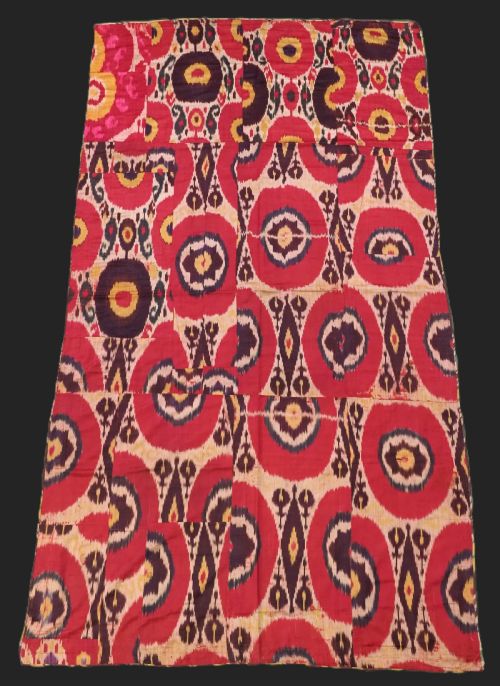
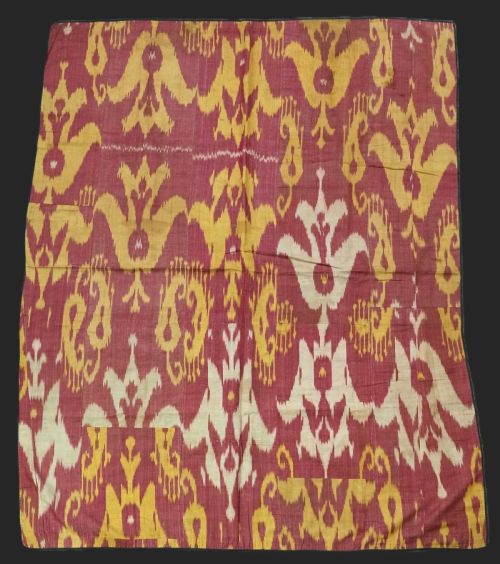
When searching for a traditional uzbek rug, buyers examine a range of textiles including embroidered suzanis, flatwoven kilims and yurt rugs produced across regions such as Bukhara, Shakrisabz and Tashkent. These pieces span from the early nineteenth century to the early twentieth century, reflecting diverse tribal and regional aesthetics.
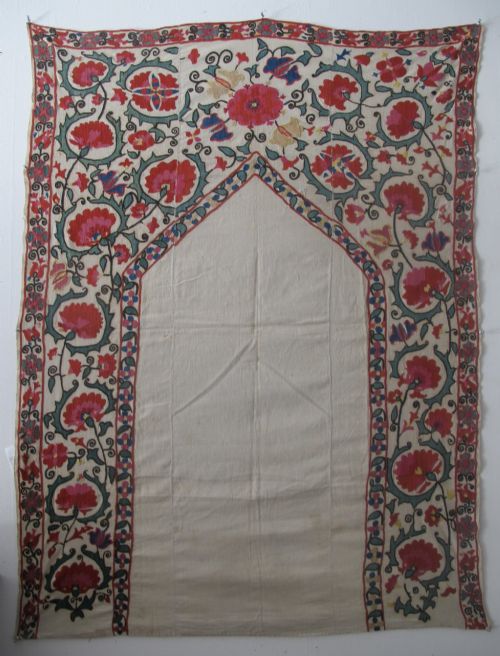
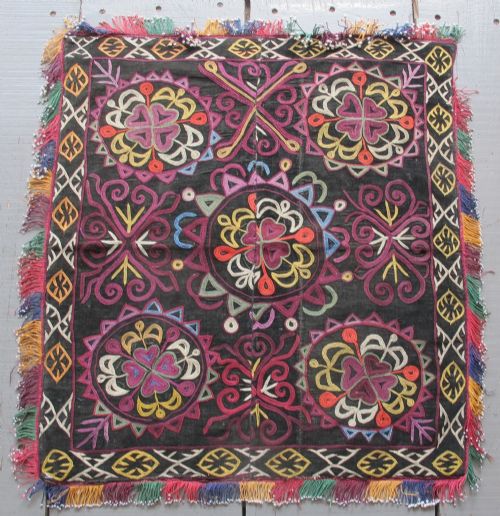
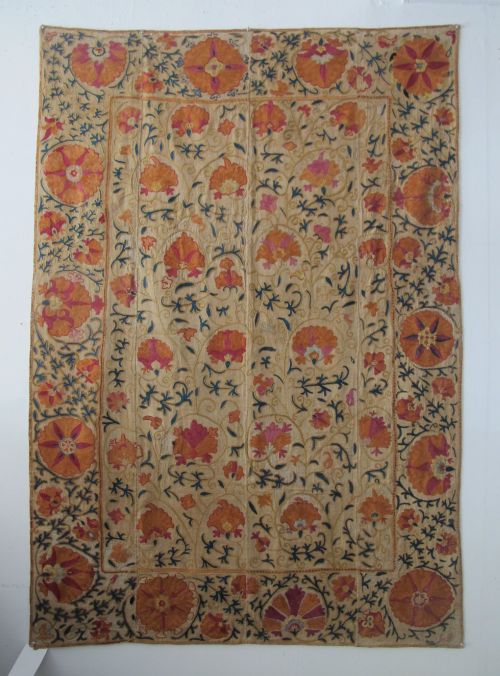
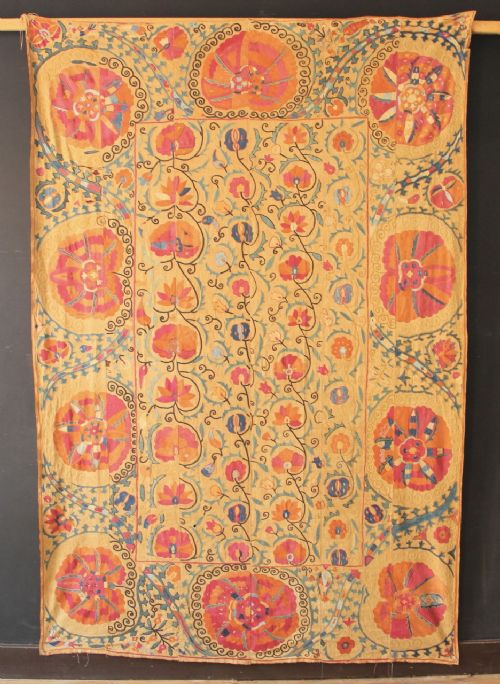
The most common examples on this page are suzanis - large embroidered wall hangings or bed covers - alongside banded kilims and narrow-strip yurt rugs. These items served functional and decorative roles within Central Asian households, often made as dowry pieces or domestic furnishings.
Makers utilised specific formats such as nim suzanis for smaller wall spaces, mirror covers for domestic use, and prayer suzanis featuring architectural or niche designs. Each region imparted distinctive composition styles, from medallion variants to bold graphic repeat patterns.
How They Were Made
Makers constructed these textiles using foundational grounds of cotton, wool, felt or adras - a local silk and cotton blended fabric. Upon these grounds, artisans embroidered intricate motifs utilising dyed silk threads, sometimes incorporating glass beads for specific decorative accents.
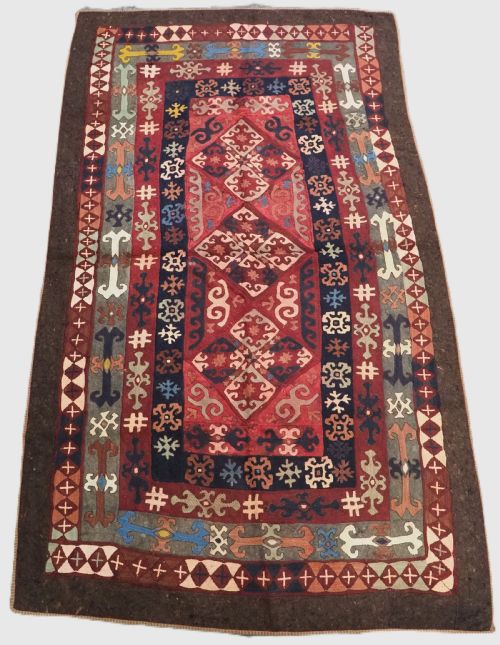
Flatweaves and yurt rugs were produced by weaving separate narrow strips - ranging from four to thirteen individual panels - and stitching them together to form a cohesive field. This multi-strip construction method was essential for creating larger floor coverings and heavy-duty utility rugs on narrow nomadic looms.
Traditional Uzbek Rug Retail Price Guide 2026
Typical asking prices for traditional uzbek rug among the pieces listed under this phrase on Sellingantiques today, from the lower quarter to the upper quarter. They describe what is for sale here now, not the wider market.
Listings feature textiles spanning from 1800 to 1930, incorporating cotton, wool, silk, felt and adras materials.
What Varies In Quality
Quality rests upon the density and precision of the needlework, particularly visible in fully embroidered 'full work' suzanis where the ground cloth disappears beneath intricate silk stitching. The vibrancy and stability of natural dye colours also dictate the visual strength of the piece.
Structural integrity matters significantly in multi-strip kilims and yurt rugs, where the alignment of the woven panels and the durability of the foundational wool, cotton or felt determine long-term resilience. Finer execution in regional layout and balanced proportions elevate certain examples above standard domestic production.
The Traditional Uzbek Rug Glossary
- Suzani
- An embroidered Central Asian hanging or textile panel, typically worked in silk thread on a cotton, wool or adras ground. These pieces often display complex floral or medallion designs.
- Nim Suzani
- A smaller scale variant of the traditional suzani hanging, usually measuring around half the dimension of a standard full-size textile. They were suited for more compact domestic spaces.
- Adras
- A traditional Central Asian mixed fabric woven from silk warps and cotton wefts. It served as a supple ground cloth for fine embroidery work.
- Kilim
- A flatwoven textile lacking a pile, produced by tightly interlacing warp and weft strands. Regional varieties often display bold geometric bands or repeating patterns.
- Julkyrs
- A heavy pile-woven yurt rug from Central Asia, often constructed from multiple narrow strips. These pieces provided thick floor insulation inside nomadic tents.
- Safid
- A descriptor for specific traditional kilim types associated with Central Asian weaving traditions. They often incorporate striking graphic designs across the woven field.
Traditional Uzbek Rug: Frequently Asked Questions
How do I care for an antique suzani?
Antique embroidered textiles require gentle handling, protection from direct sunlight to prevent fading, and occasional light dusting with a soft brush. Professional textile conservation cleaning is recommended rather than standard washing.
When hanging a suzani on a wall, utilise a supportive fabric sleeve or archival mounting methods rather than hanging the textile by direct pins or clips. This distributes the weight evenly across the cotton or silk ground.
How can I tell different regional suzanis apart?
Regional attribution relies on examining the ground fabric, colour palette and specific drawing styles within the floral or geometric motifs. For instance, pieces from Tashkent often feature expansive compositions, whilst works associated with Lakai groups display distinct tribal motifs on wool or red grounds.
Familiarity with regional centres such as Bukhara and Shakrisabz helps identify characteristic design quirks and embroidery density. Comparing individual piece structures reveals the subtle traditions handed down through local weaving workshops.
Why are some kilims woven in strips?
Nomadic and village looms were historically restricted in width, making it impossible to weave a large rug in a single piece. Weavers resolved this by producing several narrow strips and stitching them firmly together.
This multi-strip construction method resulted in distinct vertical alignments across the face of yurt rugs and kilims. Examining the reverse side reveals the joining seams that characterise traditional nomadic production methods.