



Embroidered Wool Carpet
An embroidered wool carpet brings texture, history and pattern to a room, offering tactile warmth through traditional needlework and flatweave construction.
Embroidered Wool Carpet
When you search for an embroidered wool carpet, you encounter floor coverings and textiles originating from distinct regional traditions, including Portuguese needlepoint, Central Asian tribal work and Kashmiri chain stitch pieces. These items span periods from nineteen ten to nineteen forty, reflecting diverse domestic and ceremonial uses.
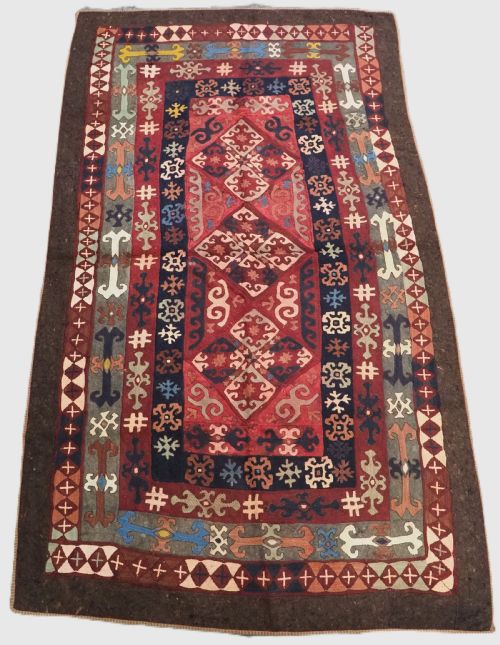
You are most likely to meet Portuguese needlepoint rugs alongside Central Asian felt rugs and Kashmiri carpets on this page. The designs range from traditional Iberian patterns to tribal motifs and classical French-inspired layouts.
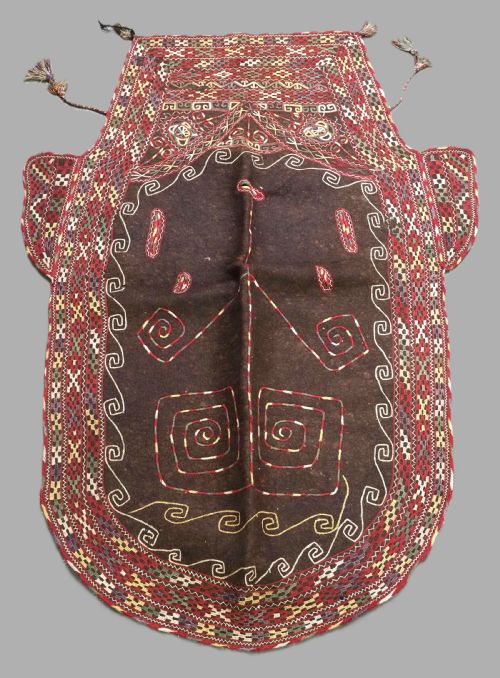
The forms vary from substantial area rugs and runners to wall hangings and ceremonial horse blankets. Each piece demonstrates how makers adapted traditional needlework techniques to wool, cotton and felt grounds.
Materials and construction methods
Makers built these pieces using wool, felted wool and camel hair grounds, frequently pairing them with cotton and silk threads for the surface embroidery. The choice of foundation material dictates the weight and drape of the textile.
Techniques rely heavily on needlepoint, chain stitch and crewelwork executed across canvas, felt and flatweave kilim structures. Artisans worked coloured threads through these sturdy bases to build dense, pictorial or geometric surfaces.
Embroidered Wool Carpet Retail Price Guide 2026
Typical asking prices for embroidered wool carpet among the pieces listed under this phrase on Sellingantiques today, from the lower quarter to the upper quarter. They describe what is for sale here now, not the wider market.
Several pieces double as equine fashion statements, including a ceremonial felt horse blanket from nineteen hundred.
Assessing quality in needlework carpets
Quality rests in the precision of the needlework and the tightness of the stitch, which determines how well the surface withstands daily interaction. Denser stitching yields greater durability and sharper definition in the pattern.
The choice of foundation material and the complexity of the repeat design also influence the character of the piece. Superior examples display harmonious colour palettes and balanced proportions across the field and border.
The Embroidered Wool Carpet Glossary
- Arraiolos
- A style of Portuguese needlepoint embroidery traditionally worked in wool on a linen or canvas foundation. These pieces often feature bold floral and heraldic motifs.
- Chain stitch
- A looping stitch that forms a chain pattern on the surface of the textile, commonly utilised in Kashmiri rugs to create textured designs.
- Suzani
- A type of embroidered tribal textile originating from Central Asia, typically worked in silk or cotton thread on a cotton or wool ground. They display vibrant floral and geometric compositions.
- Kilim
- A flatweave carpet or rug produced without a pile, serving here as a foundation or companion structure for embroidered elements. These textiles offer a lighter weight than knotted carpets.
- Crewelwork
- Embroidery executed with wool yarn on a fine twill or linen ground, known for its decorative wall hangings and furnishing fabrics.
Embroidered Wool Carpet: Frequently Asked Questions
How do I clean an embroidered wool carpet?
Vacuum gently using a suction-only attachment without a rotating brush to protect the delicate surface stitches.
Professional specialist cleaning is recommended for addressing stains or deeper dirt accumulation.
Can I place these carpets on the floor?
Many examples function well on the floor in low-traffic areas when paired with an appropriate non-slip underlay.
Lighter textiles and wall hangings are better suited to vertical display to minimise physical wear.
What is the difference between needlepoint and chain stitch?
Needlepoint covers the canvas ground completely with counted stitches to build a dense tapestried surface.
Chain stitch creates looped lines that form raised patterns across a supportive foundation fabric.
How do I date an antique embroidered textile?
Dating relies on examining the materials, dye types, stitching style and regional motifs present in the piece.
Comparative analysis with documented examples from periods like nineteen twenty or nineteen forty helps confirm the era of manufacture.