
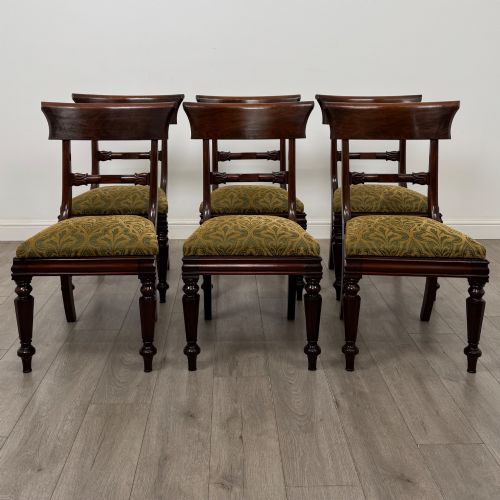
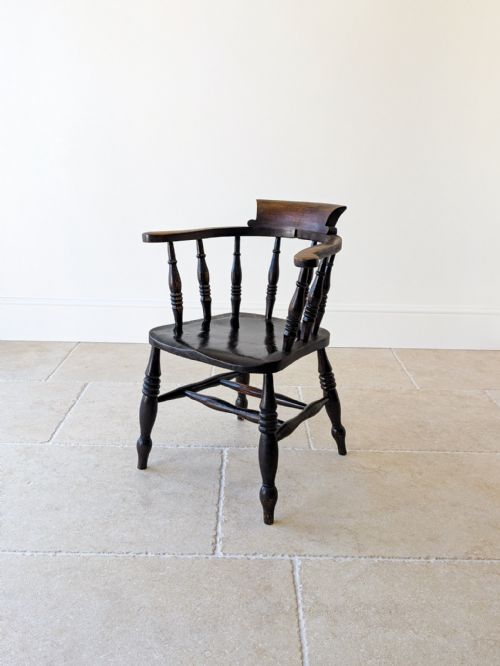
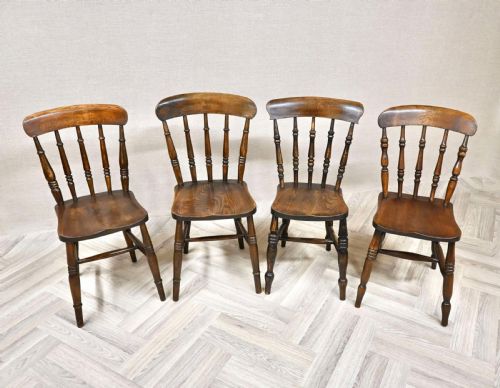
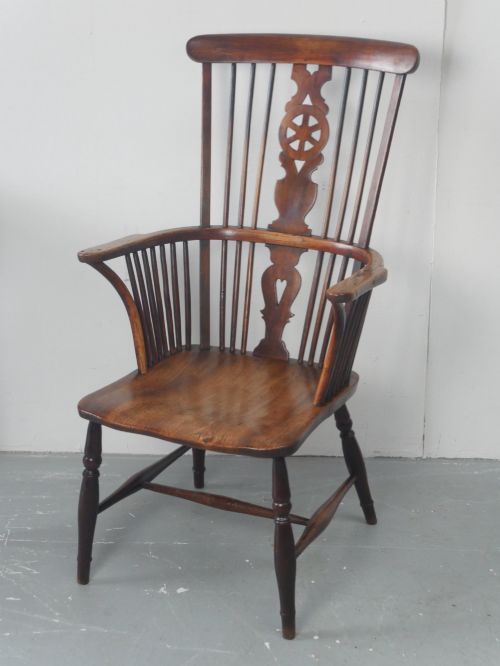
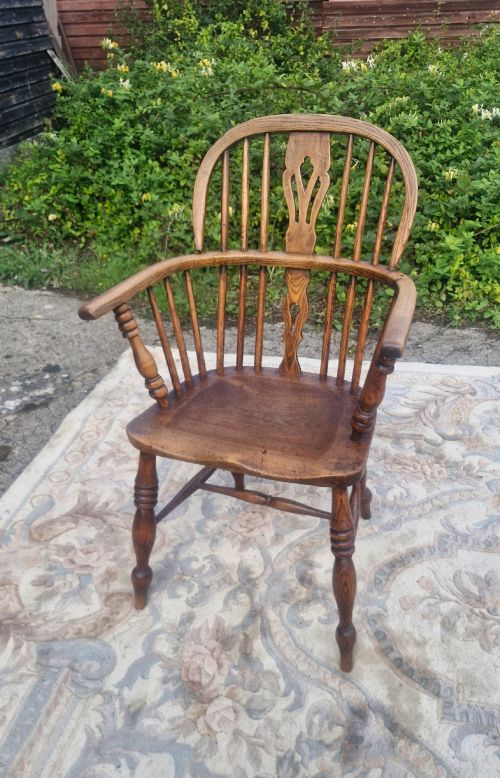
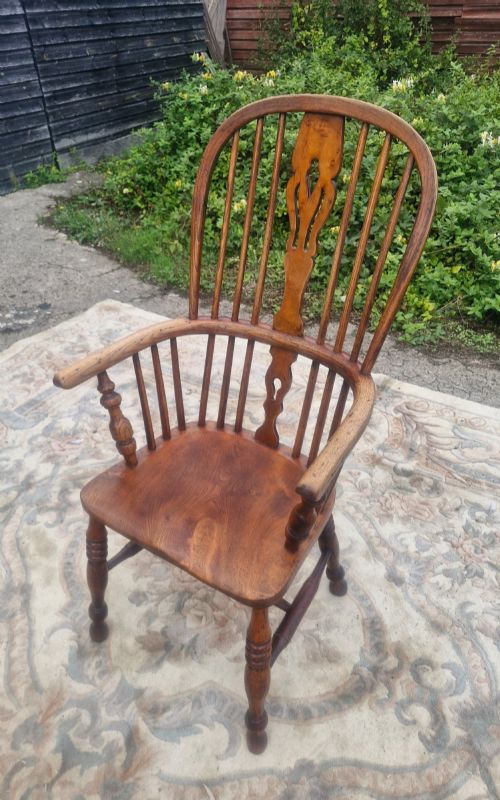

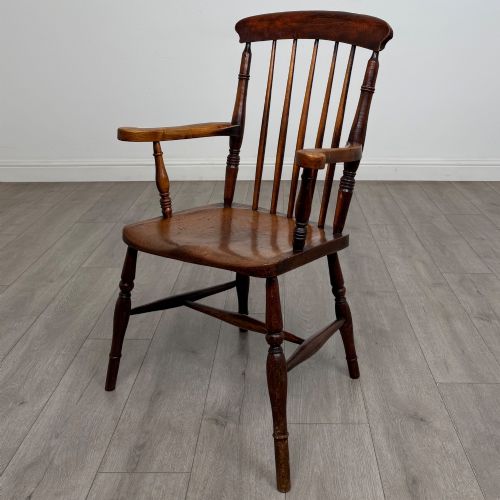
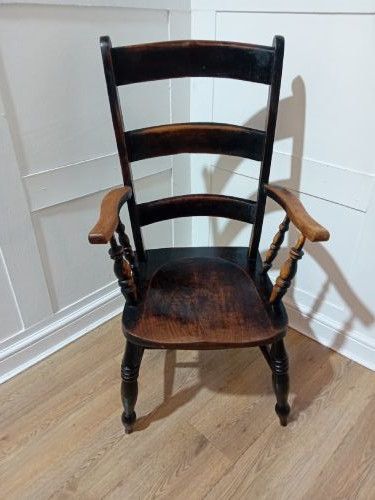


Traditional Turned Chair
A traditional turned chair brings solid timber construction and centuries of regional woodworking directly into modern domestic spaces.
Traditional Turned Chair
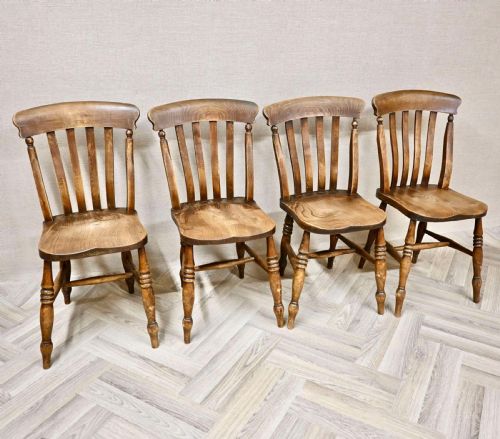
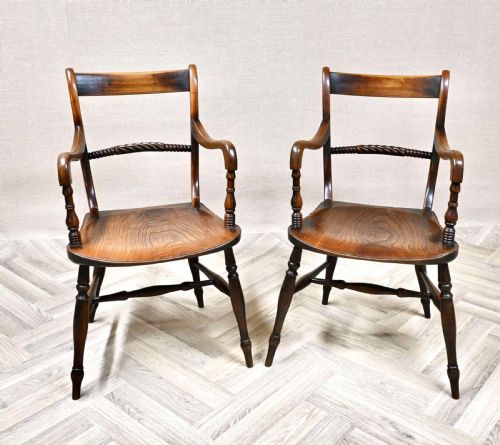
A traditional turned chair relies on lathe-shaped spindles, legs and stretchers to provide structural rigidity without heavy upholstery.
Buyers seeking a traditional turned chair will frequently encounter 19th-century examples, alongside Victorian country pieces and earlier revivals.
Forms span from simple side chairs and low-back models to larger armchairs, captain's chairs and kitchen seating.
Materials and construction methods
These seats combine strong timbers such as elm, ash, beech and oak, utilising dense hardwoods for seats and flexible woods for turned components.
Joinery relies on traditional pegging and spindle turning, creating robust frameworks that withstand daily domestic use over generations.
Listings feature 19th-century, Victorian and Edwardian periods using elm, oak, beech, ash and mahogany.
Assessing construction and finish
Quality rests upon timber selection and the integrity of the original turned joints rather than surface ornamentation.
Superior examples retain original patination on woods like elm and ash, showing honest wear without structural compromise.
Morris And Co·Philip Webb
The Traditional Turned Chair Glossary
- Spindle
- A slender, turned wooden rod used to form the backrest or stretchers of a chair. These members provide vertical support while keeping the frame lightweight.
- Turned
- Shaped on a rotating lathe using chisels and gouges to create decorative profiles. This technique produces symmetrical legs, stretchers and arm supports.
- Patina
- The surface sheen and colour developed by timber over long periods of handling and age. This finish indicates genuine historical use.
- Stretcher
- A horizontal wooden rail connecting the legs of a chair to increase stability. These components prevent the legs from wobbling under lateral stress.
- Windsor
- A chair style featuring a solid wooden seat into which the legs, back and arms are separately inserted. They often incorporate bentwood bows and turned spindles.
Traditional Turned Chair: Frequently Asked Questions
How do I care for antique wooden chairs?
Keep wooden seating away from direct heat sources and sudden humidity changes to prevent the timber from splitting. Apply a suitable wax polish occasionally to nourish the dry grain and protect the surface.
Avoid using harsh chemical cleaning products that strip away the historic finish and accumulated patina. Regular dusting with a soft, dry cloth is sufficient for daily maintenance.
Where should I place these chairs at home?
These seating options suit dining tables, studies or hallways where their structural turned frames remain fully visible. They function effectively as accent pieces in living rooms or bedrooms.
Ensure the floor surface is level to prevent placing uneven lateral strain on the joined wooden legs and stretchers over time.
How do I distinguish 19th-century styles?
Examine the turnings and timber combinations, as Victorian country pieces frequently pair elm seats with ash or beech spindles. Earlier styles often display heavier oak frames and simpler geometric turning patterns.
Check for tool marks and construction methods underneath the seat, which reveal whether the frame belongs to the Victorian period or an earlier century.
Are these chairs suitable for daily use?
Most traditional turned chairs are built from robust hardwoods like oak, ash and elm, making them structurally sound for everyday seating. Their solid construction handles regular weight distribution reliably.
Period chairs with delicate spindles or older repairs require mindful handling rather than heavy commercial use to preserve their original timber integrity.