
Traditional Tufted Armchair
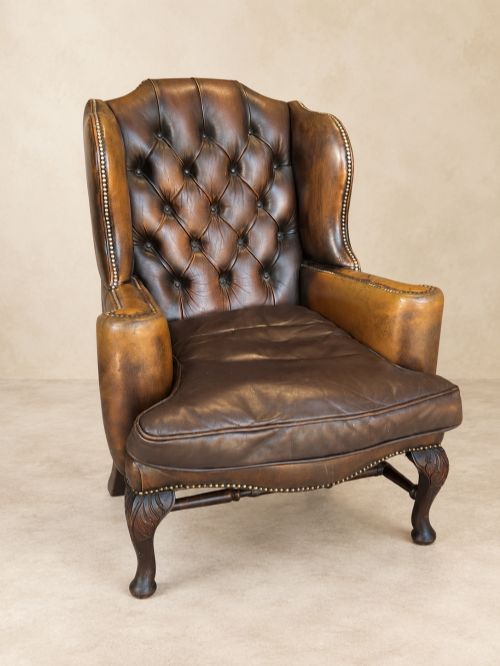
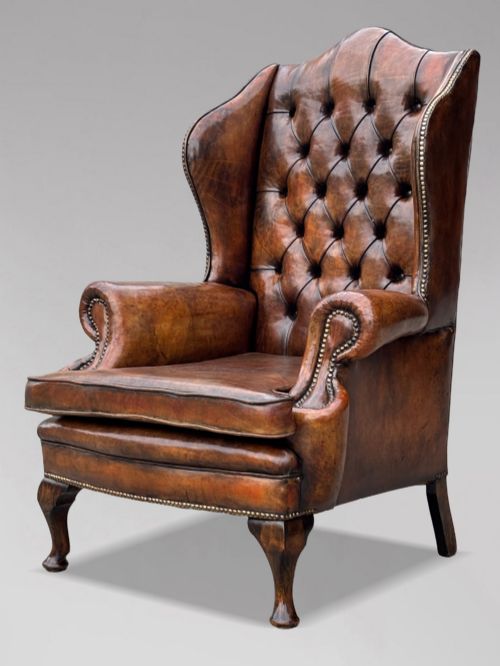
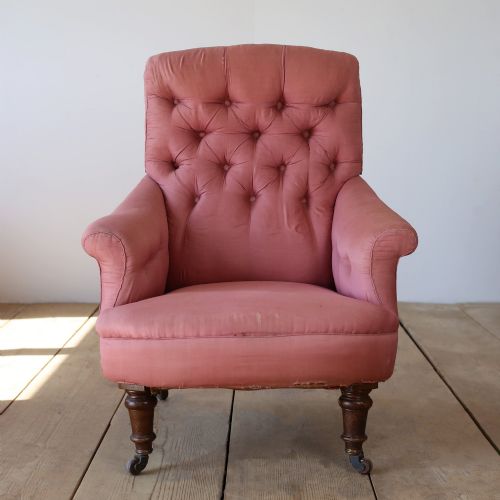
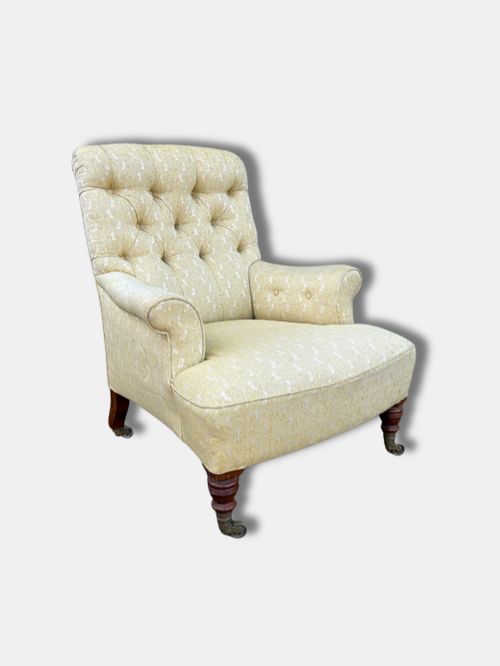
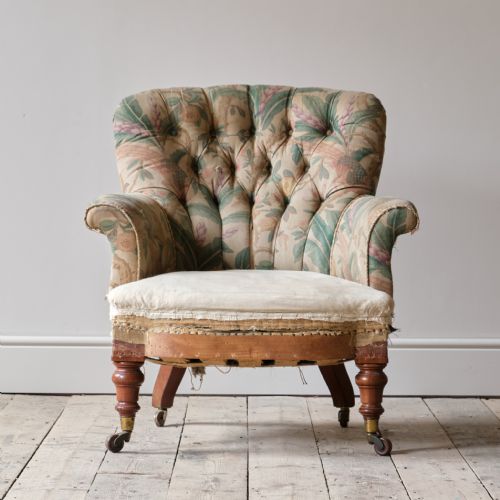
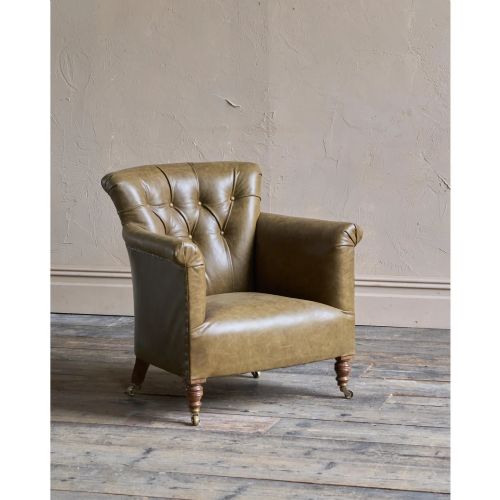
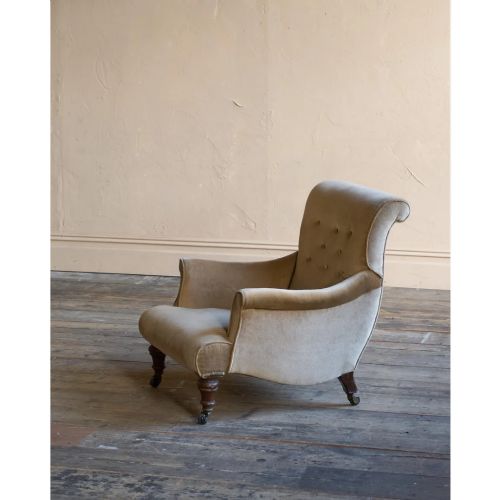
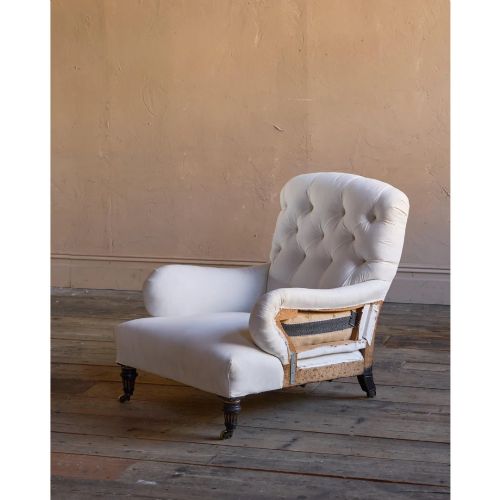
A traditional tufted armchair brings deep buttoning and sturdy timber frames to a study or drawing room.

Traditional Tufted Armchair
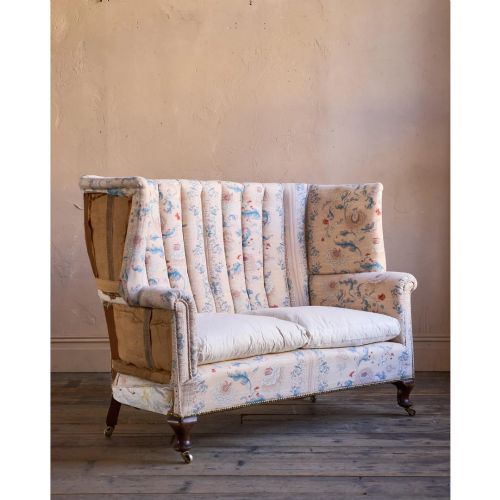
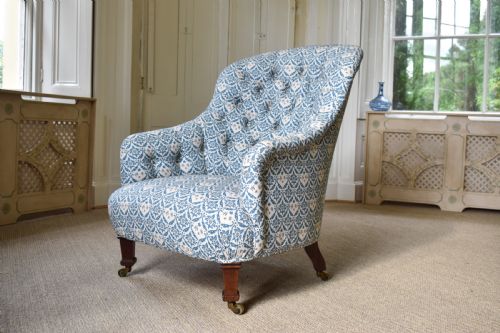
A traditional tufted armchair centres on deep buttoning and generous upholstery, designed for comfort and substance. Buyers seeking this phrase encounter pieces spanning the nineteenth century into the early twentieth century.
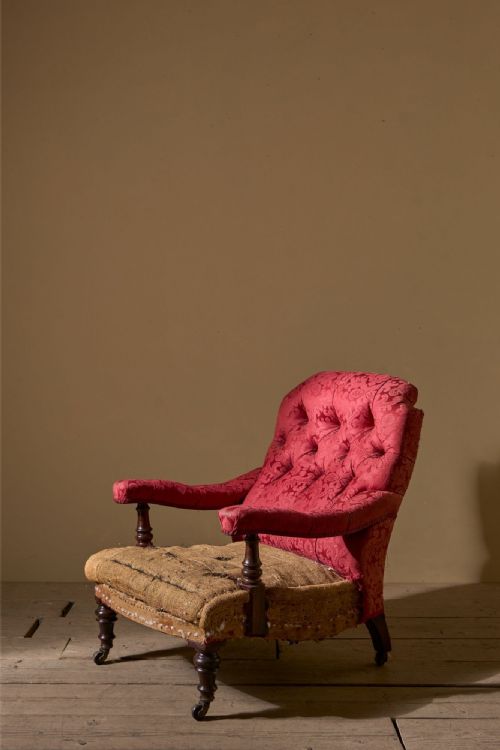
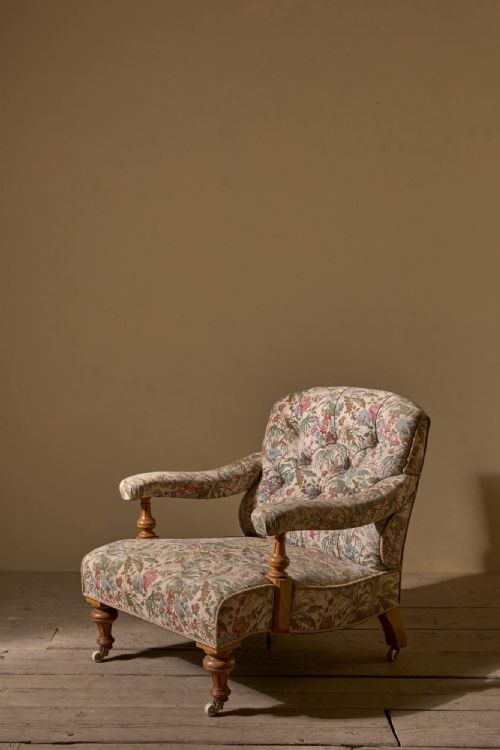
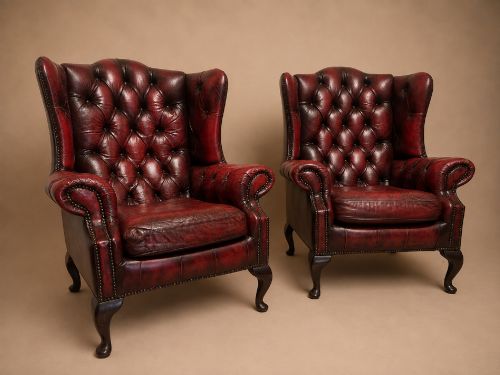
The selection ranges from library chairs and wing armchairs to club elbow chairs and open armchairs. Styles draw on Victorian, Edwardian and Georgian influences, alongside country house interpretations.
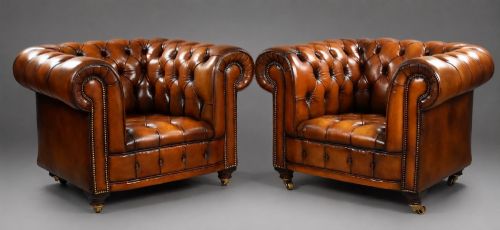
Frames rely on hardwoods such as mahogany and oak, paired with leather, velvet or fabric upholstery. Many examples feature characteristic low profiles, scrolled arms and turned wooden legs with castors.
How they were made
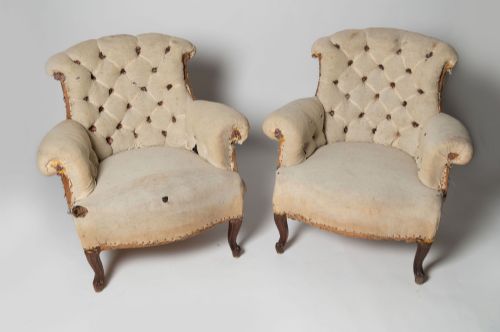
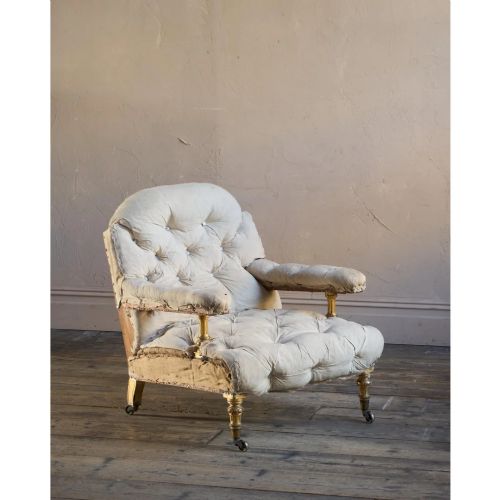
Frames utilise seasoned hardwoods like mahogany, oak and rosewood, jointed securely to support heavy internal webbing and stuffing. Traditional construction relies on hand-tied coil springs beneath layers of horsehair or natural fibre stuffing.
Upholstery involves durable leather, velvet, calico or heavy fabric secured with individual brass tacks or piped edges. Deep buttoning requires skilled hand-pulling through the padding to anchor the tufts firmly into the internal frame.
Some nineteenth-century library chairs come with concealed brass castors so exhausted scholars could glide across the rug.
What varies in quality
Quality rests upon the integrity of the internal frame and the precision of the upholstery work. A superior piece exhibits tightly hand-tied springs and resilient natural stuffing that maintains its shape without sagging.
The refinement of the show wood and the depth of the buttoning distinguish finer examples from standard production. Makers known for exceptional joinery and comfort command particular attention from collectors.
Howard and Sons
The Traditional Tufted Armchair Glossary
- Buttoning
- The technique of indenting upholstery with tufted buttons pulled tight to secure internal padding. This creates the signature quilted surface seen on traditional seats.
- Wingback
- An armchair style featuring protective side panels attached to the arms and back. These panels originally deflected drafts in older rooms.
- Show wood
- The exposed timber portions of a chair frame, such as the legs, arms or crest rail. It contrasts with the fully upholstered sections.
- Library chair
- A heavy, sturdy armchair designed for reading rooms, frequently upholstered in leather with a low back and substantial armrests.
Traditional Tufted Armchair: Frequently Asked Questions
How do I identify a Victorian tufted armchair?
Victorian examples typically feature heavy mahogany or walnut frames, deep buttoning, and turned wooden legs often fitted with brass castors. The upholstery is dense and structured to provide firm support.
Look for hand-stitched details and traditional materials like horsehair stuffing beneath leather or heavy fabric covers.
What is the difference between a club chair and a wing chair?
A club chair is a low, deep-seated armchair with rounded arms, built for lounging in studies or smoking rooms. A wing chair incorporates high side panels on the backrest designed to block draughts.
Both styles frequently utilise tufted leather upholstery and traditional wooden framing.
How should I care for antique leather upholstery?
Leather upholstery requires regular dusting with a soft dry cloth and occasional treatment with appropriate nourishing balms to prevent cracking. Avoid placing antique chairs in direct sunlight or near heat sources.
Preserving the natural moisture of the hide maintains the patina developed over decades of use.
Are these chairs suitable for daily use?
Traditional armchairs are constructed with robust hardwood frames and resilient internal springing designed for heavy daily wear. Many survive precisely because their original build quality was exceptionally high.
Ensuring the internal webbing and padding remain sound will keep the chair comfortable for regular seating.