






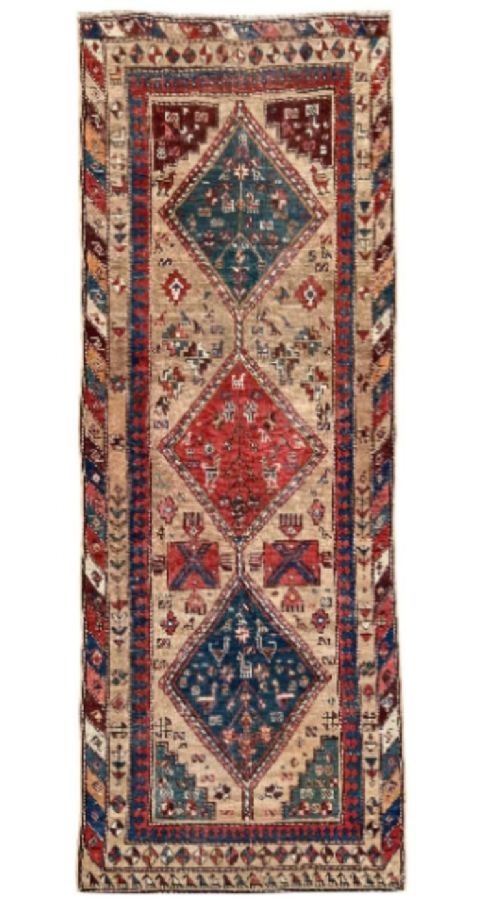
Traditional Tribal Rug
A traditional tribal rug brings geometry, history, and warmth to a floor through enduring nomadic craftsmanship.
Traditional Tribal Rug
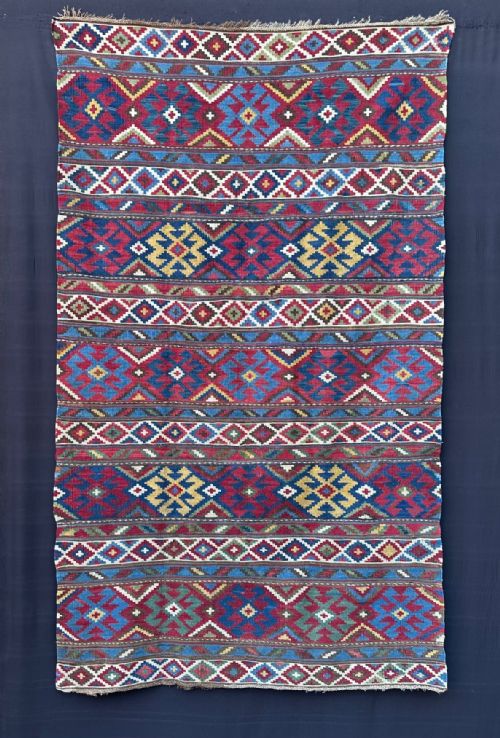
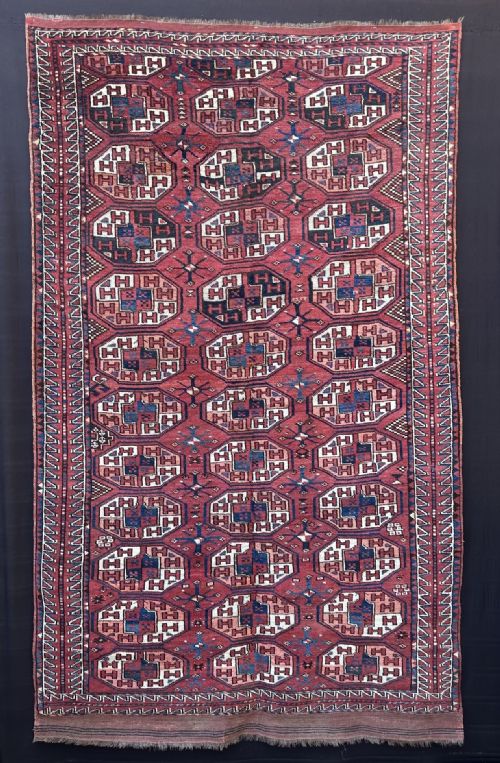
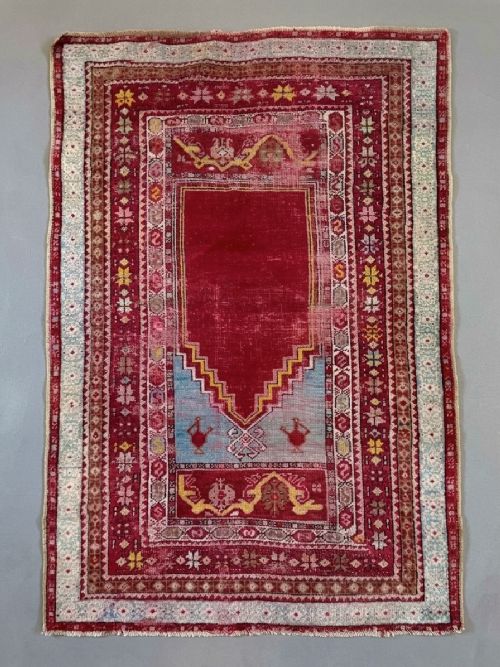
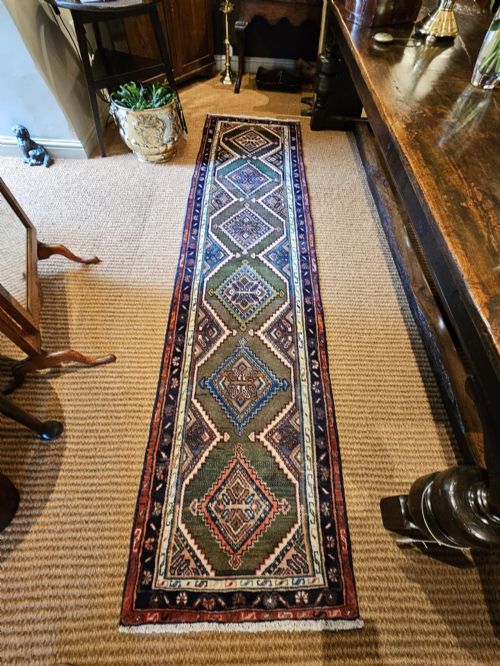
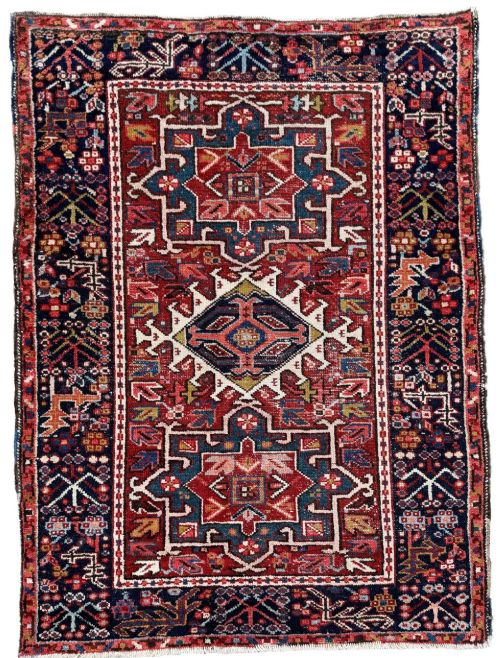
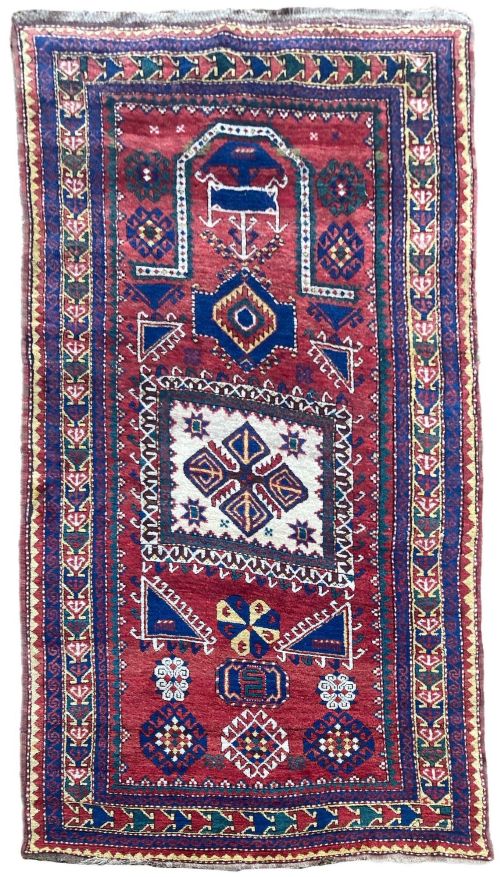
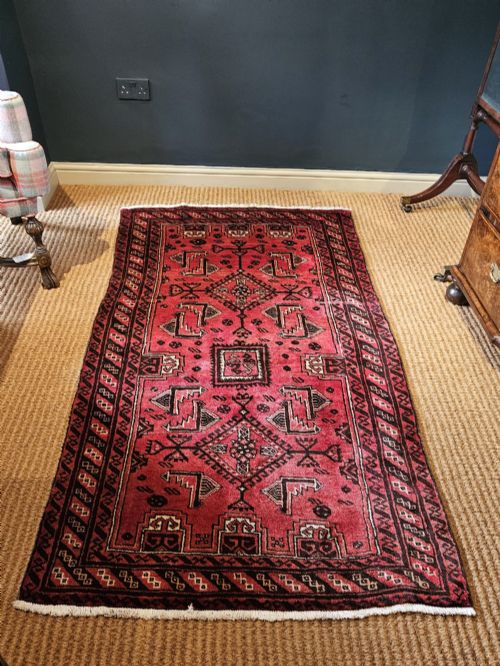
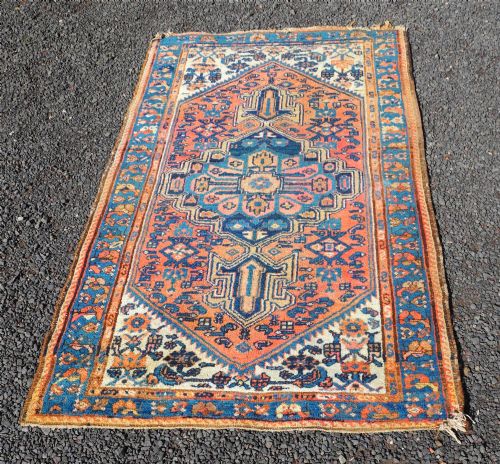
A traditional tribal rug comprises hand-woven floor coverings originating from nomadic and village communities across Persia, the Caucasus, Anatolia, and Turkmenistan. These pieces span from the mid-nineteenth century through the early twentieth century, taking forms such as area rugs, long runners for hallways, and specialised prayer rugs. Buyers encountering this selection find geometric motifs, village carpets, and distinctive regional weaving traditions.
The aesthetic of a traditional tribal rug relies on repeating tribal patterns, medallions, and symbolic motifs passed down through generations. Pieces range from small scatter rugs to room-sized carpets and narrow runners suited to domestic corridors. Each item reflects the specific heritage of regional groups such as the Baluch, Qashqai, Kurdish, and Turkmen tribes.
How they were made
Makers constructed a traditional tribal rug using hand-spun wool for the pile and foundation, often combined with cotton for structural warps and wefts. Weavers tied symmetrical or asymmetrical knots by hand onto upright vertical looms, creating dense and durable textiles designed for daily use.
Craftspeople utilised natural dyes derived from plants, roots, and insects to achieve rich colour palettes dominated by deep reds, blues, and warm earth tones. These organic dyestuffs mellow gradually over decades, producing subtle variations in tone known as abrash across the wool surface.
Traditional Tribal Rug Retail Price Guide 2026
Typical asking prices for traditional tribal rug among the pieces listed under this phrase on Sellingantiques today, from the lower quarter to the upper quarter. They describe what is for sale here now, not the wider market.
Some runners retain the small asymmetrical errors woven by nomadic makers to ward off the evil eye.
What varies in quality
The quality of a traditional tribal rug depends on the density of the knotting and the fineness of the hand-spun wool employed by the weaver. Tighter knot counts allow for sharper geometric detail and greater structural resilience against foot traffic over time.
Ancillary indicators of quality include the purity of the natural dyes and the balance of the overall composition. Master weavers achieved harmonious proportions and complex secondary motifs that distinguish exceptional village and nomadic pieces from simpler commercial outputs.
The Traditional Tribal Rug Glossary
- Abrash
- Natural variations in colour shading across a rug, caused by shifts in dye batches or hand-spun wool batches. This characteristic indicates traditional dyeing methods rather than chemical processing.
- Warp
- The vertical foundation threads that run lengthwise through a rug from fringe to fringe. Weavers tie the pile knots around these tensioned structural elements.
- Weft
- The horizontal threads passed back and forth across the warps after each row of knots. This technique secures the pile and binds the structure together.
- Prayer rug
- A small format rug featuring a central mihrab or niche design, traditionally used for individual daily prayers. The niche points toward Mecca during use.
- Kelleh
- A large format rectangular carpet, typically longer than it is wide. These grand pieces were traditionally woven for specific spaces in larger domestic interiors.
- Mihrab
- The arched architectural niche depicted on prayer rugs, representing the direction of prayer. This motif often dominates the upper field of the textile.
Traditional Tribal Rug: Frequently Asked Questions
How do I care for a traditional tribal rug?
Vacuum gently without using a rotating brush roll to protect the wool pile and delicate fringed ends. Rotate the rug periodically to ensure even wear across areas exposed to foot traffic or direct sunlight.
Professional cleaning by specialists familiar with antique textiles is essential for maintaining natural dyes and wool integrity. Avoid harsh chemical treatments or excessive moisture that can damage the foundation threads.
Where were traditional tribal rugs made?
These textiles originate from nomadic and village communities across Persia, the Caucasus, Anatolia, and Turkmenistan. Specific regions include Shirvan, Karabagh, Kazak, and various tribal territories.
Weavers in these diverse geographic zones utilised local materials and distinct regional motifs. This creates the broad variety of styles seen in nineteenth and early twentieth-century pieces.
What materials make up a traditional tribal rug?
The pile is almost exclusively hand-spun wool, valued for its natural resilience and capacity to absorb rich dyes. Foundation threads commonly consist of wool or cotton.
Natural dyes derived from local plants and minerals provide the characteristic colour palette. These organic materials age gracefully, developing a soft patina over decades of use.
How do I identify the age of a rug?
Age is determined by evaluating material wear, structural construction, wool quality, and dye characteristics. Nineteenth-century pieces typically exhibit entirely hand-spun wool and deeply oxidized natural dyes.
Stylistic elements, structural formats, and regional weaving markers also help narrow down the period of production. Comparing knotting techniques provides further clues to dating.