
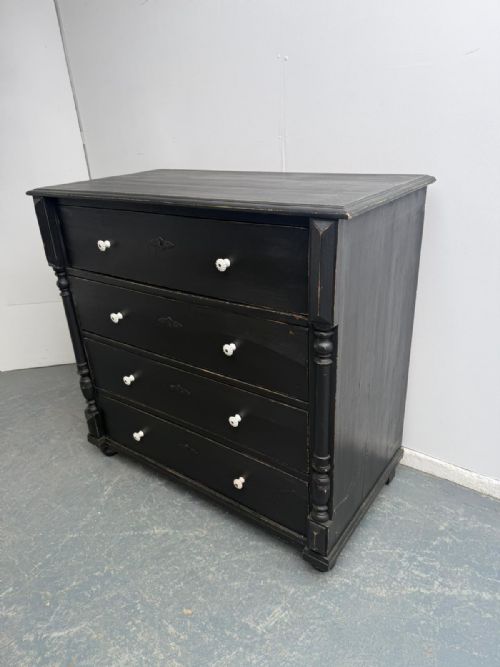


Traditional Timber Storage Drawers
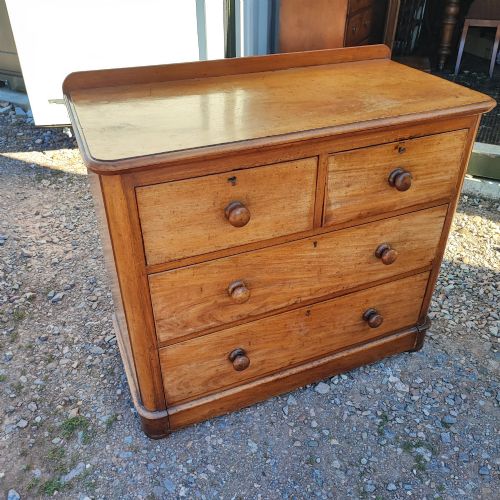
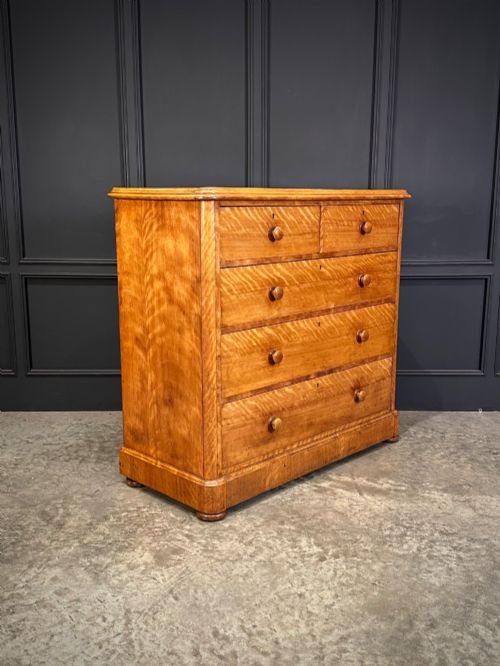
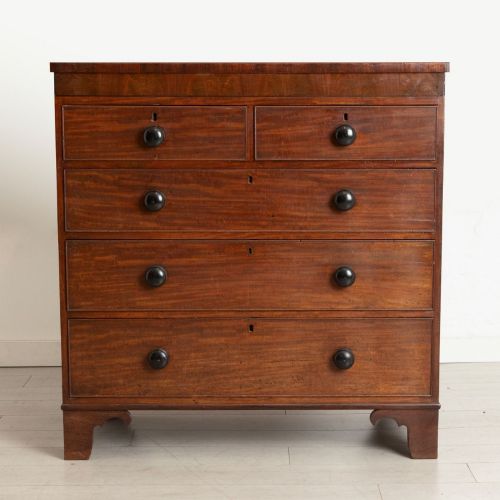
Traditional timber storage drawers are practical period pieces built from robust woods like mahogany, oak and pine to organise household belongings with enduring utility.
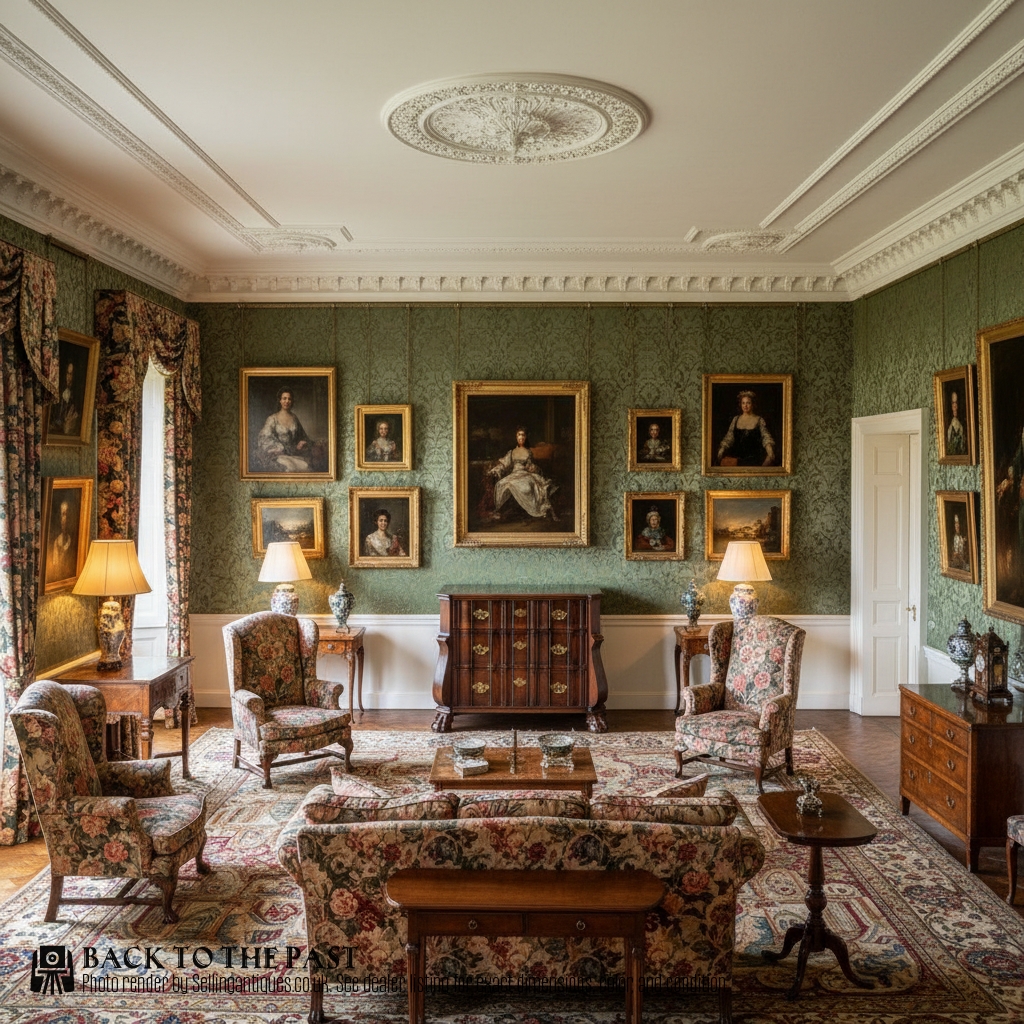
Traditional Timber Storage Drawers
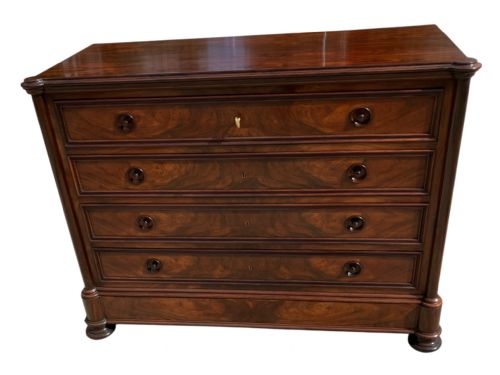
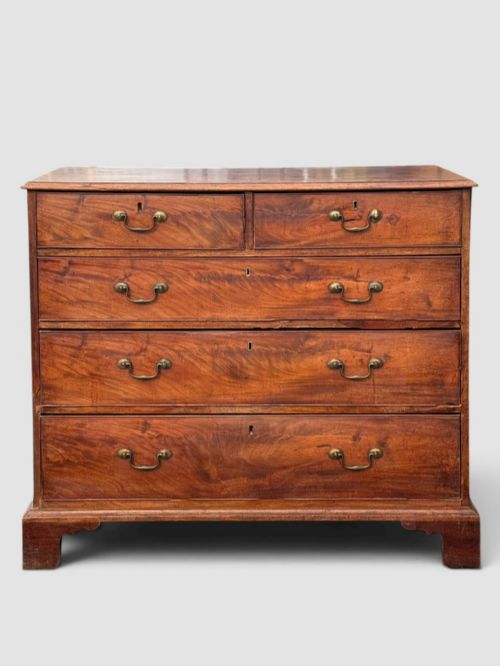
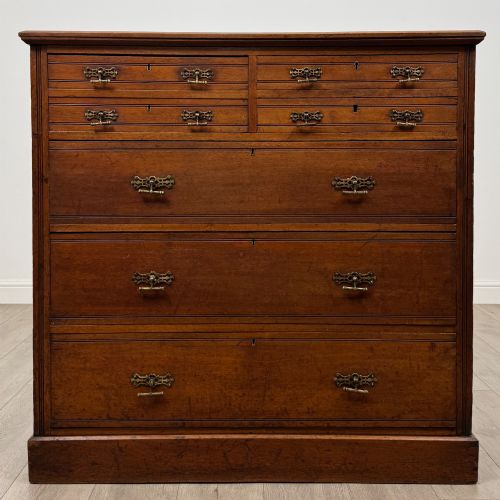
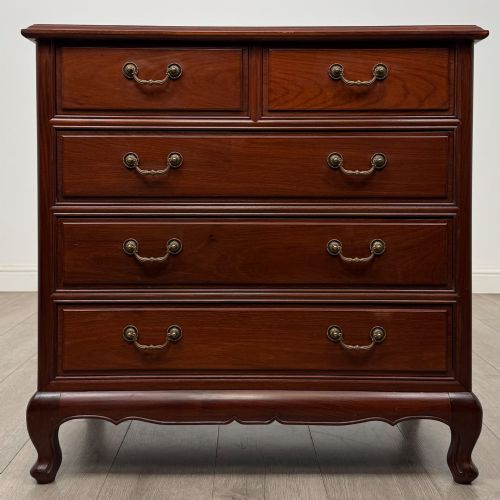
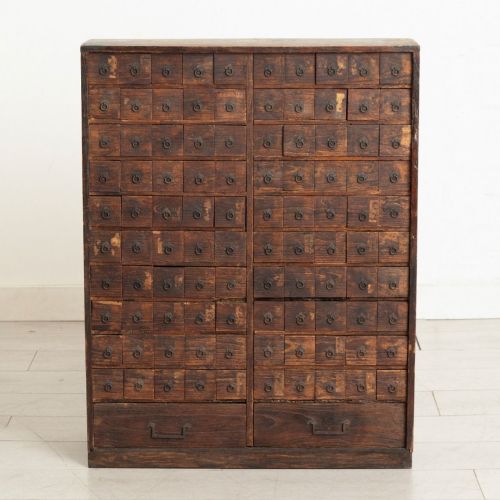
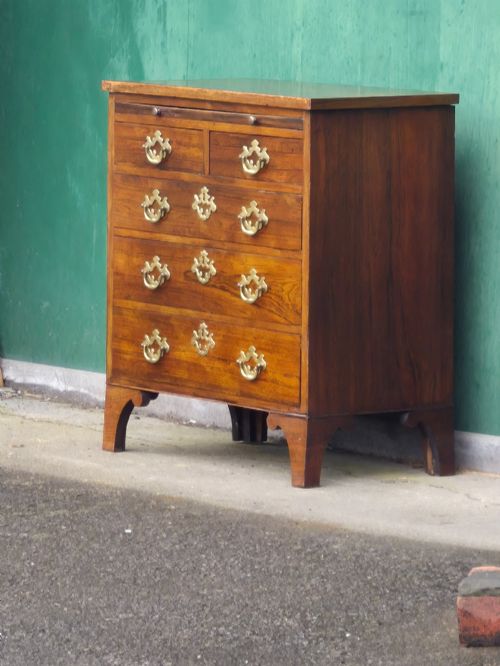
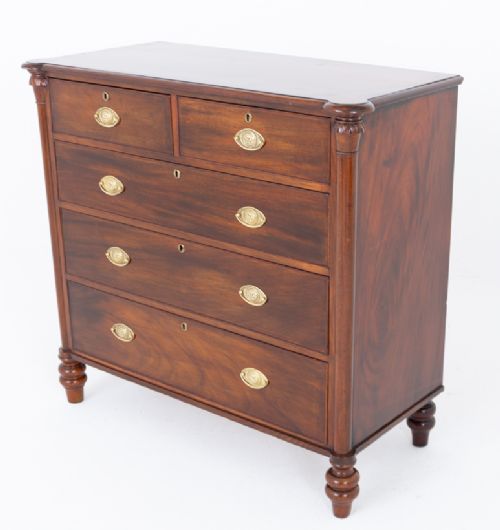
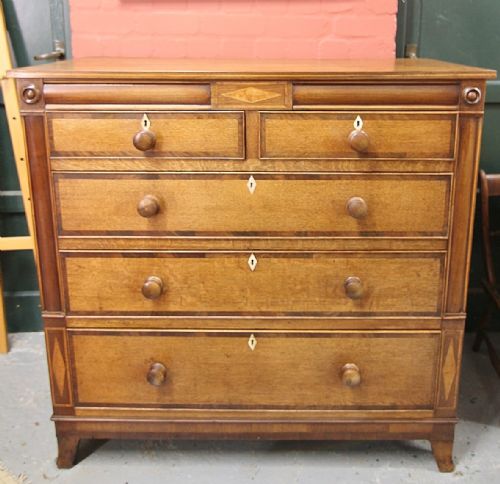
Traditional timber storage drawers encompass robust furniture pieces designed for domestic organisation, most commonly appearing as chest of drawers formats alongside specialised apothecary cabinets and cupboards. These examples span several centuries, with particular concentration in the Georgian and Victorian eras.
Buyers encountering this selection will predominantly find classic chest of drawers configurations featuring graduated drawer arrangements, often constructed in mahogany, walnut, or pine. Pieces range from modest country proportions to larger formal case furniture incorporating serpentine fronts or secret compartments.
Materials and Construction Methods
Cabinet makers relied primarily on dense hardwoods such as mahogany, walnut and oak for formal case pieces, utilising pine for secondary framing and internal drawer construction. Timber selection governed both the structural integrity and the aesthetic finish of each cabinet.
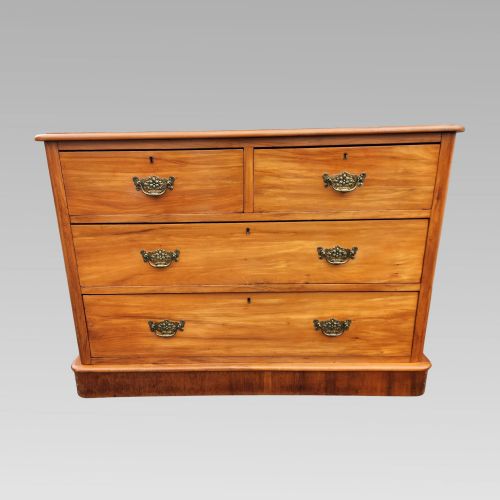
Surface ornamentation involved skilled techniques including veneer work, marquetry inlay, and occasionally painted finishes such as scumble or folk decoration. Hardware typically comprised cast brass drop handles or knobs secured through the drawer fronts.
Materials range from native oak and pine to exotic imported hardwoods like mahogany, rosewood and walnut.
Assessing Craftsmanship and Condition
Quality in these storage pieces rests upon the precision of the cabinet work, visible in the tightness of the drawer joints and the retention of original timber patination. Superior examples maintain their structural harmony without excessive replacement of secondary woods.
The presence of original hardware, such as period brass handles, distinguishes better preserved examples from those heavily restored. Finer pieces also display thoughtful grain matching across drawer fronts and superior execution of decorative inlays.
Jas Shoolbred·William Gomm
The Traditional Timber Storage Drawers Glossary
- Serpentine front
- A curved furniture front characterised by a convex centre flanked by concave ends. This contour requires expert woodworking skill to shape timber cleanly.
- Wellington chest
- A tall, narrow chest of drawers secured by a hinged locking side pilaster that fastens over the drawer edges. This secure format originated during the nineteenth century.
- Secret drawer
- A concealed compartment built into the carcass of a case piece, often hidden behind architectural moulding or dummy drawer fronts. Cabinet makers incorporated these spaces for securing valuables.
- Chest on chest
- A tall storage unit comprising one chest of drawers stacked directly upon a larger base chest, sometimes called a tallboy. This form maximised vertical storage capacity in period chambers.
- Scumble paint
- A decorative surface treatment applied to create simulated wood grain or mottled patterns over a base coat. Country house furniture frequently utilised this finish for rustic charm.
Traditional Timber Storage Drawers: Frequently Asked Questions
How do I date a timber chest?
Dating relies on examining construction methods, timber choices, and hardware styles. Secondary woods inside the drawers often reveal the period of manufacture more clearly than external facades.
Changes in dovetail tightness and the evolution of drawer linings help differentiate Georgian examples from later Victorian pieces.
What is a Wellington chest?
A Wellington chest is a tall, narrow set of drawers secured by a vertical locking flap on one side. This hinged locking bar fastens over the edge of every drawer simultaneously.
Originating in the nineteenth century, this design allowed owners to secure numerous small items within a compact footprint.
Are painted wooden chests authentic?
Painted finishes appear on various regional and country pieces, including European folk art items and English utility furniture. Original paint layers add significant historical character to domestic storage.
Examining the wear patterns and underlying preparation layers helps determine whether a painted surface dates to the period of manufacture.
Where should I place a heavy chest?
These dense timber cabinets require stable, level flooring to prevent the carcass from twisting over time. Maintaining even weight distribution across the drawers ensures smooth operation.
Keeping them away from direct heat sources prevents the solid hardwoods and veneers from drying out and splitting.