


Traditional Timber Stool
A traditional timber stool brings honest utility and quiet character to a room, offering robust seating shaped by generations of practical domestic or rural life.
Traditional Timber Stool
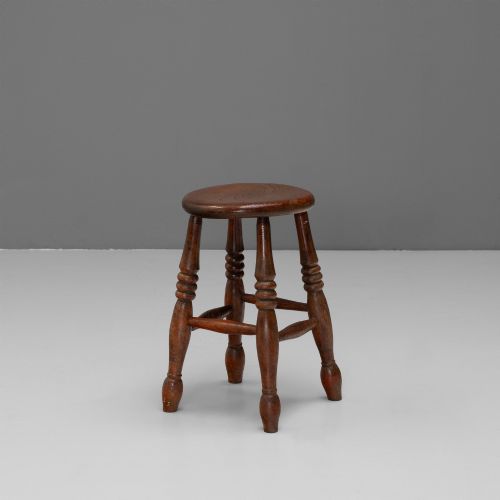
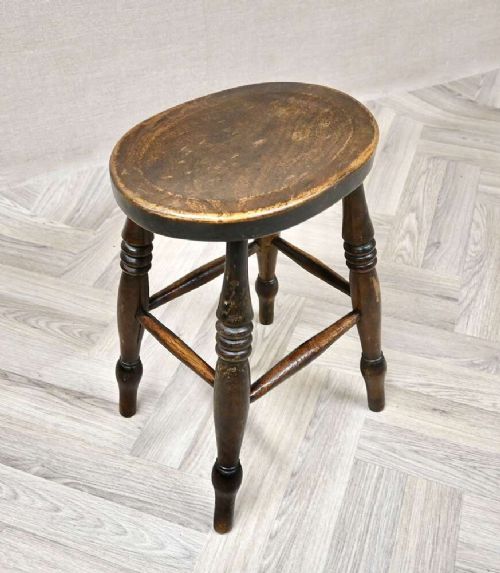
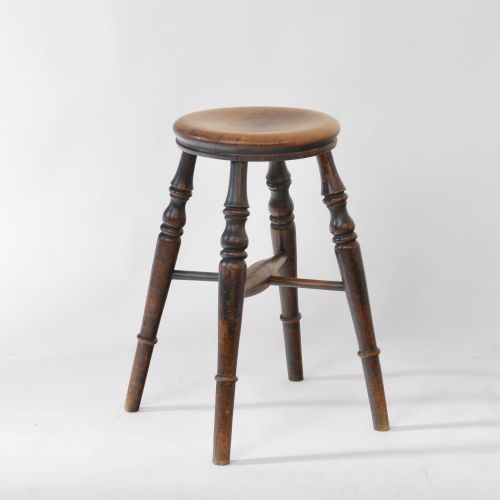
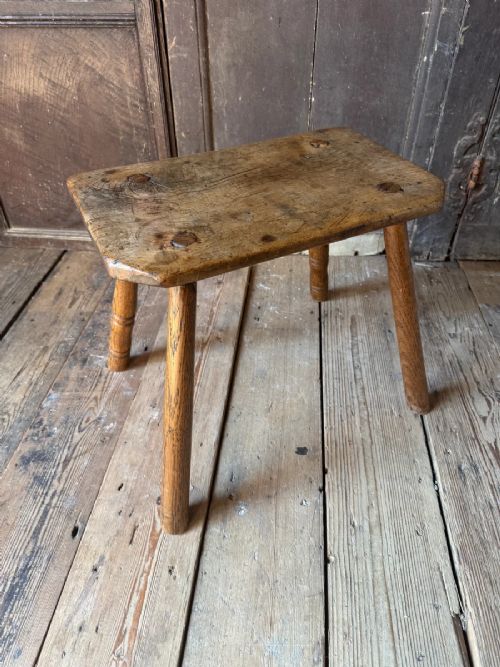
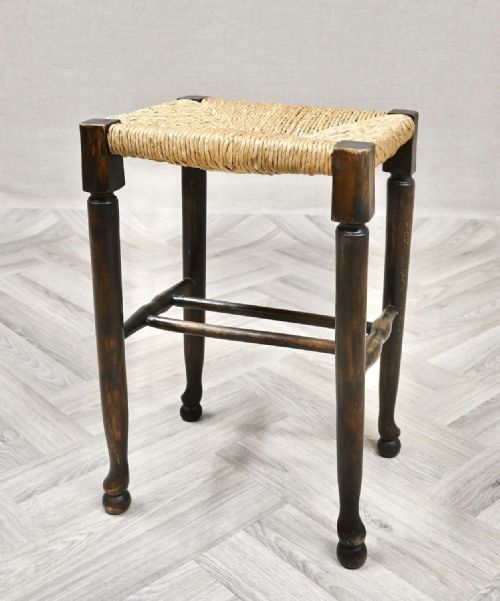
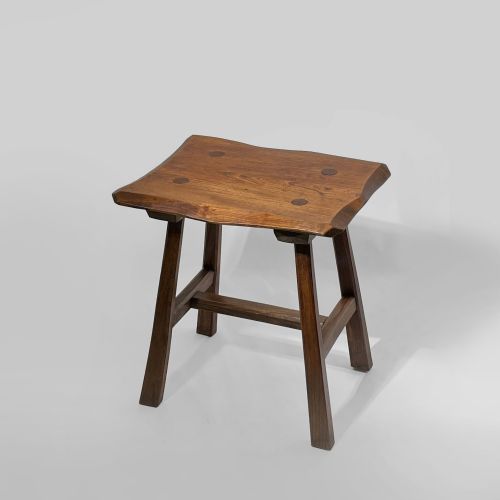
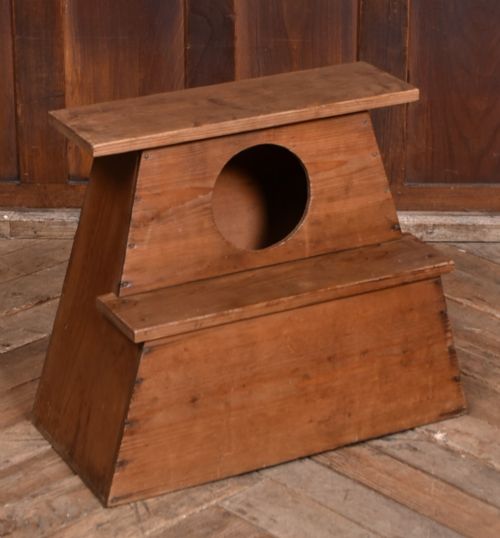
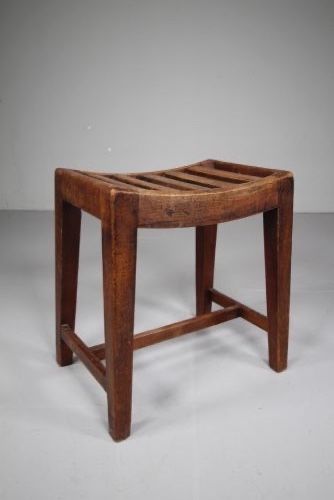
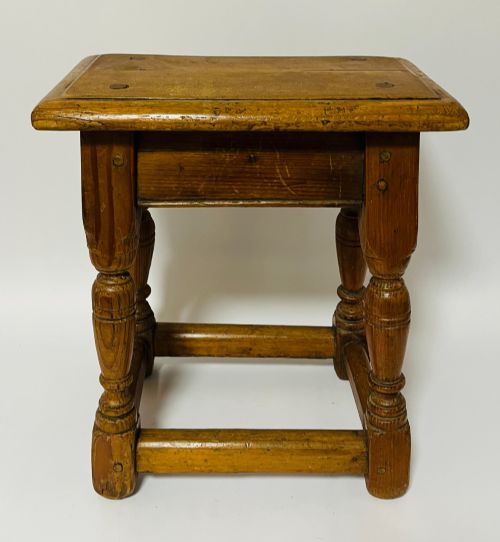
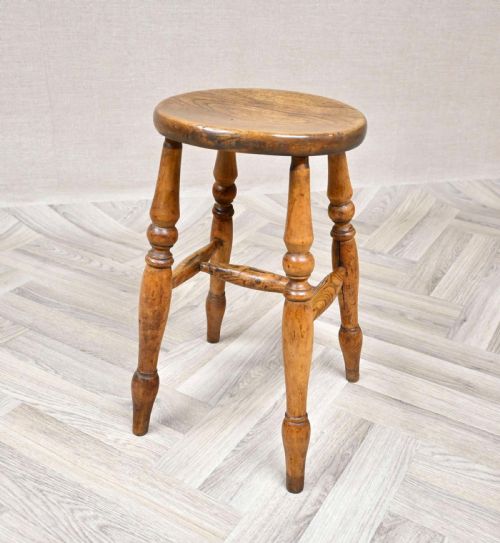
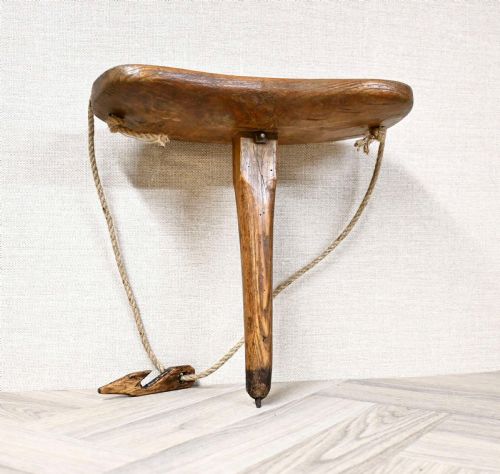
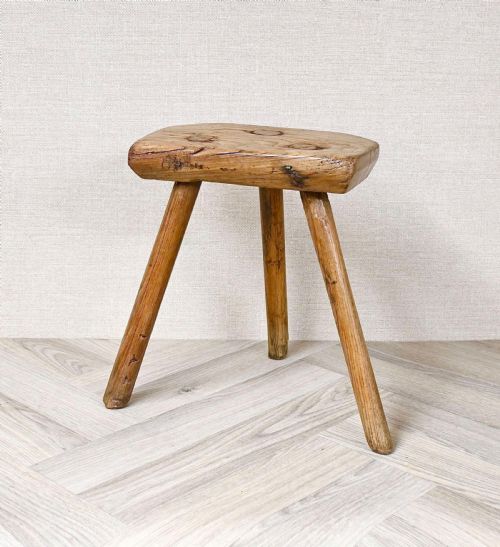
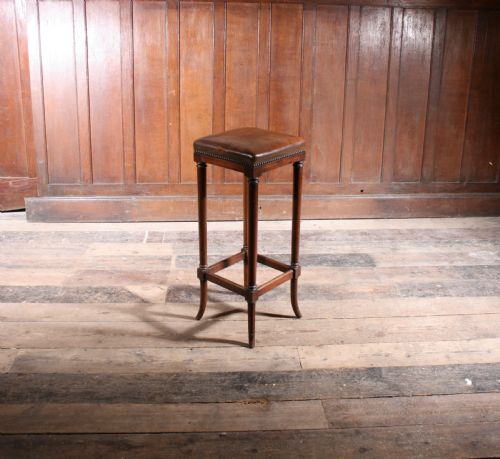
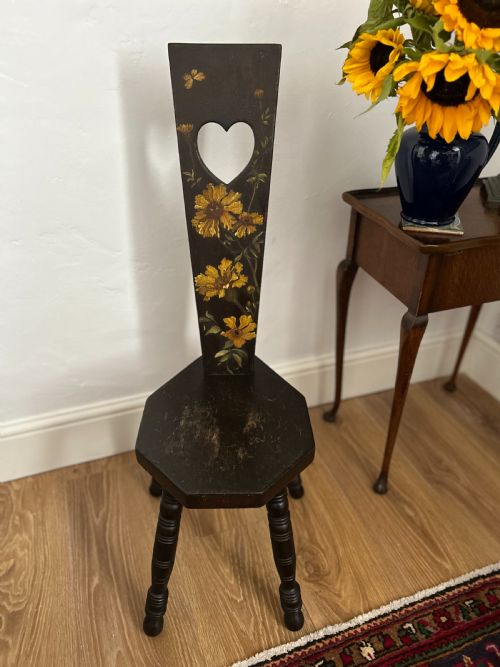
A traditional timber stool serves as a fundamental seat or small platform, appearing across centuries in various forms including milking stools, joint stools, and vernacular rustic pieces. When exploring a traditional timber stool, buyers encounter utilitarian items designed for specific domestic, agricultural, or tavern tasks rather than formal display.
Forms range from simple three-legged milking designs and low footstools to taller tavern seats and joint stools. Makers utilised whatever local timber was at hand to produce sturdy, everyday seating that met the immediate needs of workshops, farmhouses, and pubs.
What varies in quality
Quality in these pieces rests upon the integrity of the original construction and the survival of authentic surfaces rather than elaborate ornamentation. Superior examples retain their original timber components without extensive replacement parts, showing honest wear that respects the age of the object.
Proportion and balance distinguish finer vernacular items from routine utility objects, as does the skill evident in turned legs or shaped seats. Pieces that maintain their structural stability while exhibiting genuine patination command greater interest from those who value unpretentious craftsmanship.
Listings feature woods including oak, elm, ash, beech, pine, and mahogany across various nineteenth-century and earlier forms.
The Traditional Timber Stool Glossary
- Joint stool
- A sturdy wooden stool assembled using mortise and tenon joints pegged together rather than nailed. These sixteenth and seventeenth-century forms set a structural standard emulated in later country furniture.
- Windsor
- A style of seating construction where legs and back spindles are fitted directly into a thick wooden seat. This method creates a rigid, lightweight frame utilising turned ash or beech components.
- Vernacular
- Architecture or furniture built by local artisans using traditional regional methods and available materials. These objects prioritize practical function over academic design canons.
- Patina
- The surface texture and deep coloration developed by wood and leather over long periods of use and exposure to light and air. It serves as a visual indicator of age and handling.
- Milking stool
- A low, typically three-legged seat designed for stability on uneven floors during agricultural work. The three-leg arrangement prevents rocking on dairy or barn floors.
Traditional Timber Stool: Frequently Asked Questions
How do I clean a wooden stool?
Dust the surface regularly with a dry cloth to prevent dirt accumulation in the grain and carved details. Apply a microcrystalline wax sparingly when the timber appears dry, buffing gently to maintain the natural finish.
Avoid using water, harsh detergents, or silicone sprays, as moisture and modern chemicals penetrate open pores and damage historical surfaces. Gentle maintenance preserves both the colour and the accumulated patina of the wood.
Are these stools safe to sit on?
Most traditional stools remain structurally sound for everyday seating if the joints are secure and the timber is free from active insect damage. Checking the stability of the legs and seat connections ensures safe daily use in modern homes.
Lighter vernacular pieces and low footstools suit regular sitting, while delicate or heavily worn items function better as decorative display surfaces or plant stands.
How can I tell the age of a stool?
Age is identified through tool marks, construction methods, wood shrinkage patterns, and the character of the surface wear. Hand-sawn marks, handmade pegs, and irregular turning indicate older vernacular production.
Comparing the joint construction and timber species with documented period examples helps narrow down the century of manufacture. Subtle shifts in design preferences across the Georgian and Victorian eras also provide dating clues.
Where did country stools originate?
Country stools were produced by local carpenters, wheelwrights, and chair bodgers working in rural workshops across Britain and Europe. These makers used local woodlands to supply timber for immediate community needs.
Farmhouses, dairies, cottages, and village taverns relied on these unpretentious workshops for sturdy, utilitarian seating. Each region developed distinct turning patterns and wood preferences based on local forestry.