




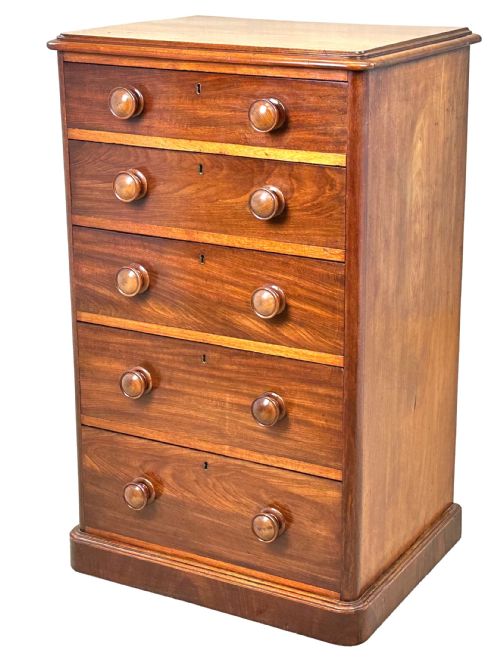


Traditional Timber Dresser Base
These traditional timber dresser base pieces bring honest utility and character to an interior.
Traditional Timber Dresser Base
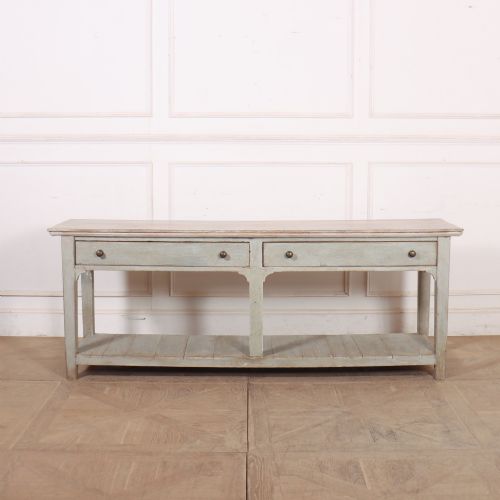
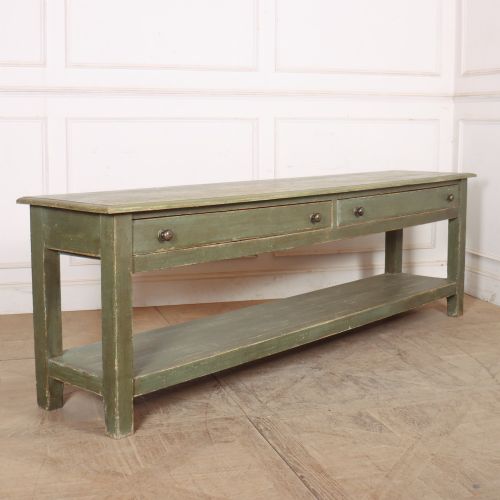
When you search for traditional timber dresser base, you are looking at sturdy foundational furniture built for storage and display in domestic spaces. These pieces function as hardworking sideboards, serving tables, and potboard units designed to anchor a kitchen, dining room, or hallway.
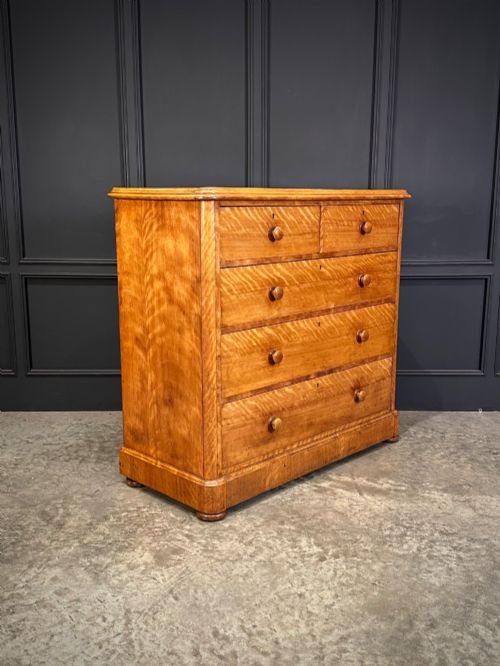
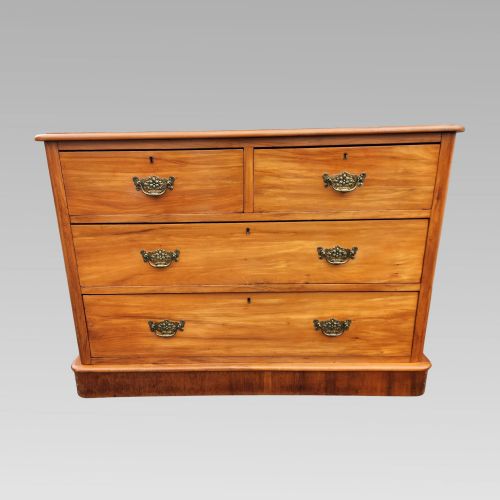
You are most likely to meet examples from the nineteenth century on this page, spanning Victorian, Edwardian, and rustic farmhouse origins. The selection includes painted pine and solid hardwood pieces, often featuring cupboards, drawers, and open potboards beneath a substantial top surface.
Makers of these forms focused on daily utility, incorporating banks of drawers and lower shelves to hold kitchenware or linens. Their enduring appeal lies in this practical architecture combined with the patina accumulated over decades of household use.
How they were made
These items are constructed primarily from timber such as pine, oak, mahogany, satinwood, and cherrywood, sometimes accented with brass hardware and glass. Carpenters relied on solid wood construction to withstand heavy domestic demands, joining structural components with traditional framing techniques.
Surface finishes vary from polished mahogany and oak to hand-painted treatments applied over pine and other softwoods. Original handles in brass and metal complete the hardware assembly, reflecting the period aesthetic of each piece.
Some nineteenth-century pine pieces include a dog kennel recess, offering a cosy spot that once kept working dogs warm beneath the kitchen work.
What varies in quality
The distinction between standard examples and finer items rests upon the choice of timber and the sophistication of the joinery. Solid hardwoods like mahogany, pollard oak, and satinwood represent a higher tier of production compared to basic utility pine.
Detailing such as mirror-backs, carefully fitted drawer banks, and retained original handles elevate a piece's standing. The integrity of the structural timber and the subtlety of painted or polished surfaces further determine the overall grade.
The Traditional Timber Dresser Base Glossary
- Potboard
- An open lower shelf on a dresser base traditionally used for storing pots and heavy kitchen utensils. This structural element sits just above the floor.
- Dresser base
- The lower portion of a traditional kitchen or dining dresser, functioning as a standalone sideboard or serving table with cupboards and drawers. It provides a flat top surface for food preparation or display.
- Satinwood
- A hard, durable timber with a characteristic golden sheen, often utilised for fine cabinetmaking during the eighteenth and nineteenth centuries. It takes a high polish and appears in select decorative pieces.
- Pollard oak
- Oak timber taken from trees that have been pollarded, resulting in a dense grain with rich, swirling patterns. Cabinetmakers prize this wood for decorative veneers on high-status furniture.
- Dog kennel dresser
- A specific dresser base featuring a central open recess flanked by banks of drawers or cupboards. The name derives from the resemblance of this central void to a kennel.
Traditional Timber Dresser Base: Frequently Asked Questions
What is a traditional timber dresser base?
A traditional timber dresser base is a heavy, utilitarian item of furniture featuring a flat top surface, drawers, and often a lower potboard or cupboards.
Originally designed for kitchens and dining rooms to store and serve food, these pieces now serve as versatile sideboards in contemporary homes.
How do I date a dresser base?
Dating relies on identifying timber species, construction methods, and stylistic cues associated with periods like the Victorian and Edwardian eras.
Examinations of hardware, such as brass handles, and the presence of hand-painted finishes or specific woods like satinwood and pollard oak also help establish the age.
Where should I place a dresser base?
These pieces suit dining rooms, kitchens, and large hallways where their surface area and storage capacity can be fully utilised.
They work well against a blank wall as a focal point, providing space for lamps, crockery, or decorative items above.
What woods were commonly used?
Common timbers include pine, oak, mahogany, cherrywood, and satinwood, depending on the regional origin and the maker's intended quality.
Pined examples often feature painted surfaces, whilst hardwoods like mahogany and pollard oak display polished grains.