






Antique Green Dresser Base
An antique green dresser base brings practical storage and centuries of character into a kitchen or hallway, combining utilitarian timber with historic painted surfaces.
Antique Green Dresser Base
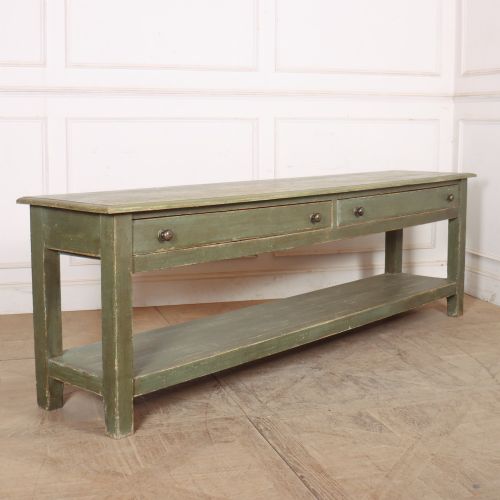
When you search for an antique green dresser base, you are looking at substantial utilitarian furniture designed for heavy domestic service in country houses, dairies, and farmhouses. These pieces typically function as low storage units or serving tables, often featuring cupboards and drawers beneath a broad timber top.
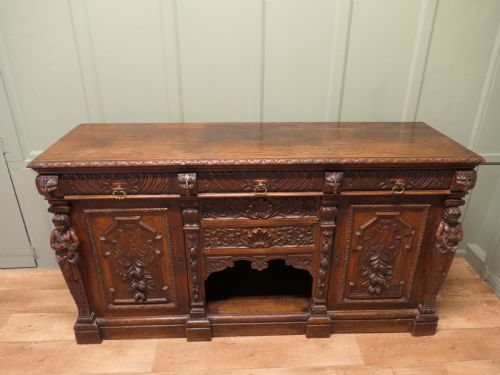
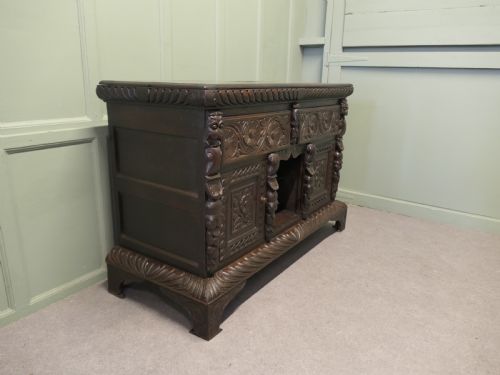
The versions most likely to appear on this page date from the eighteenth and nineteenth centuries, emerging from English, Scottish, and regional country traditions. They frequently present as large painted timber or oak structures, sometimes carrying surface decoration such as green man carvings or breakfront layouts.
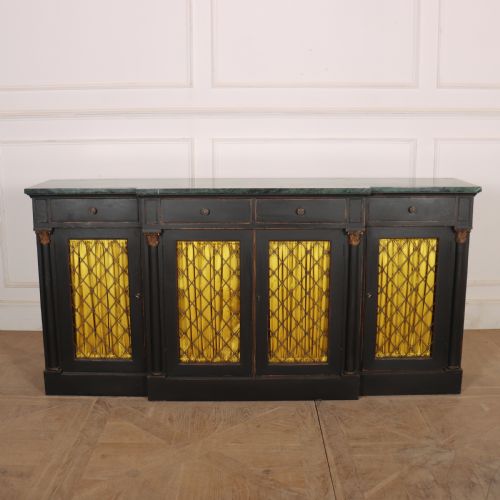
Beyond standard dresser bases, the selection spans related forms including potboard serving tables, kitchen cupboards, housekeepers cupboards, sideboards, buffets, and console tables. Their utility remains central to their form, having originally served for food preparation, linen storage, or dining room service.
Assessing quality and character
Quality in these pieces rests in the integrity of the timber, the depth of patination on the painted or waxed surfaces, and the survival of original structural elements. Heavy carving, such as green man details, or sophisticated regional layouts like breakfront configurations elevate a piece beyond standard utilitarian work.
The distinction between ordinary and exceptional examples lies in the balance between robust original construction and the undisturbed charm of historic painted finishes. Proportion, structural weight, and the natural wear of centuries of domestic service separate the finer country house pieces from simpler regional variations.
Listings span the eighteenth and nineteenth centuries, featuring pine, oak, and painted timber across English and Scottish country styles.
The Antique Green Dresser Base Glossary
- Dresser base
- A low kitchen or dining room storage unit with drawers and cupboards, lacking the upper plate racks of a traditional tall dresser.
- Potboard
- An open lower shelf beneath a serving table or dresser base, traditionally used for storing heavy pots and pans.
- Breakfront
- A piece of furniture where the central section projects forward from the flanking outer sections, creating architectural depth.
- Green Man
- A decorative architectural carving representing a human face surrounded by or entwined with foliage and vines.
- Housekeepers cupboard
- A tall, utilitarian storage piece used in large country houses for linens, dry goods, and domestic supplies.
Antique Green Dresser Base: Frequently Asked Questions
What is an antique green dresser base used for?
These pieces function as sturdy sideboards, console tables, or kitchen prep units, offering deep drawers and cupboard space for everyday storage.
In modern interiors, they serve equally well in hallways, dining rooms, or large kitchens to display ceramics and hold tableware.
How do I date an antique dresser base?
Dating relies on examining the timber species, construction joints, tool marks, and the ageing of the painted surfaces.
Eighteenth-century examples often feature hand-planed boards and pegged joinery, whereas nineteenth-century pieces may display machine-sawn elements and different hardware styles.
Are the green painted surfaces original?
Many pieces retain historic or original painted finishes, though paint layers on country furniture were frequently renewed over generations of domestic use.
Examination of the paint under magnification or through surface wear helps determine whether the green finish is an early scheme or a later application.
What is a green man carving?
A green man is a sculptural motif depicting a face emerging from leaves, vines, or foliage, symbolising rebirth and nature.
Found on nineteenth-century revival oak furniture, these carvings add sculptural depth and symbolic folklore to heavy sideboards and cupboards.