


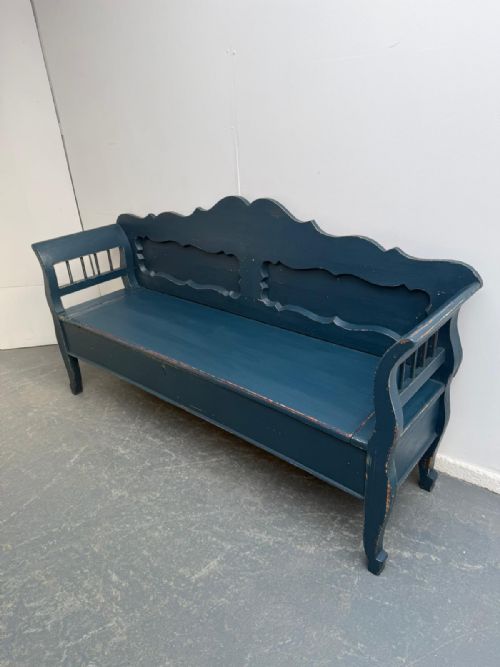


Traditional Timber Coffer
A traditional timber coffer offers solid storage and honest craftsmanship, spanning centuries of global woodworking traditions.

Traditional Timber Coffer
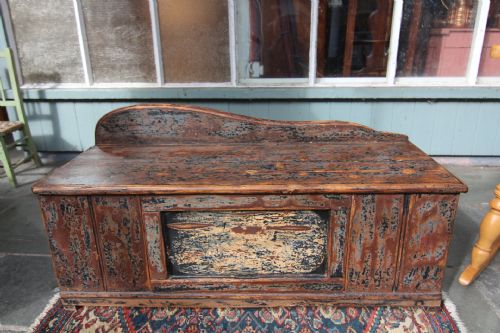
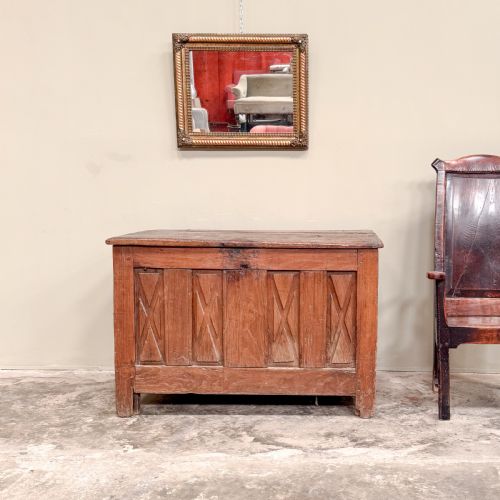
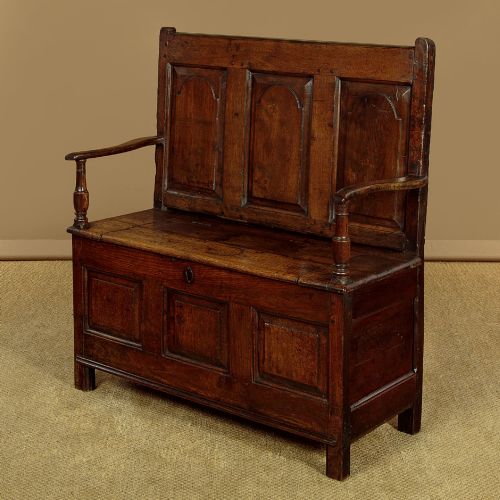
A traditional timber coffer serves as a sturdy storage solution, often taking the form of a blanket box, dowry chest, or panelled box seat. These items share a utilitarian heritage, functioning historically for security and storage before dedicated closets became common.
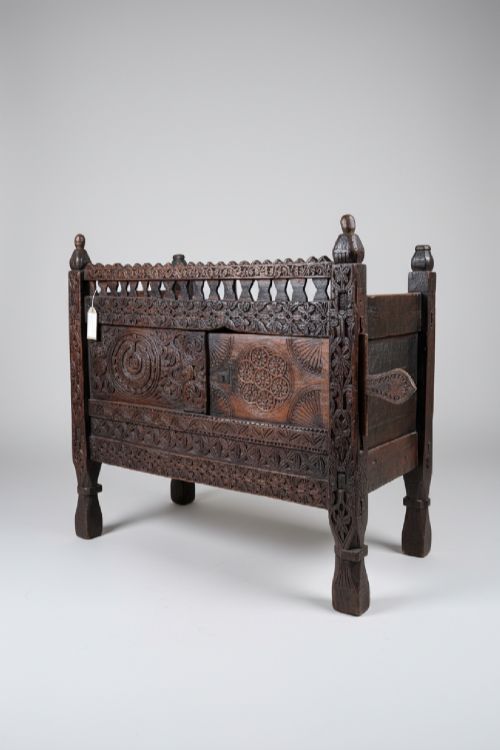
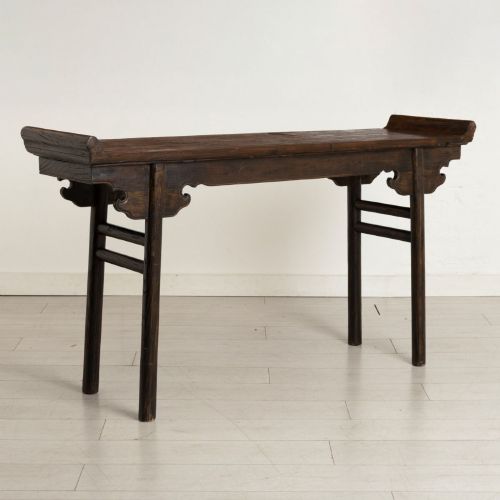
The pieces appearing here span from the seventeenth century through to the twentieth century, originating from British, European, Asian, and African workshops. Oak and pine examples dominate the selection, alongside elm, cedarwood, and camphor wood variants.
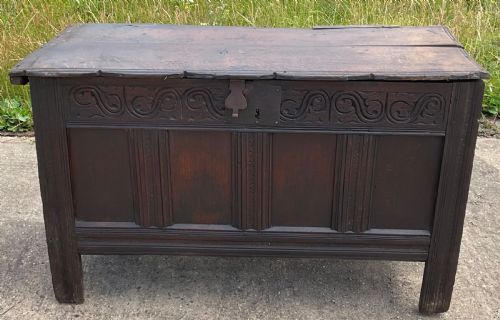
Buyers are most likely to encounter eighteenth and nineteenth-century oak and pine coffers featuring simple plank construction or carved panels. Regional European and British country pieces sit alongside painted folk art trunks and carved dowry chests.
How they were made
Makers utilised solid native timbers such as oak, elm, and pine, frequently joining boards with traditional pegging or dovetailing methods. Six-plank construction represents an early and direct approach, using simple tongue-and-groove or nailed joints to form a box.
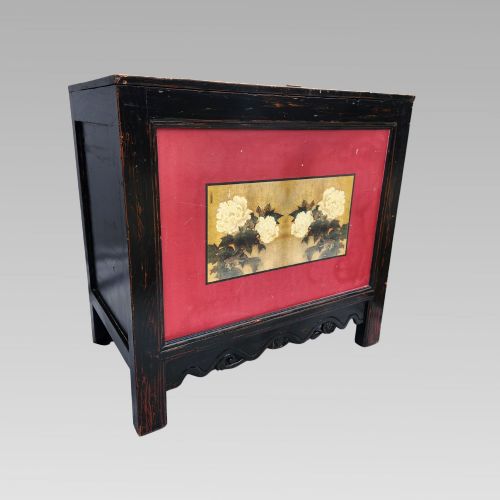
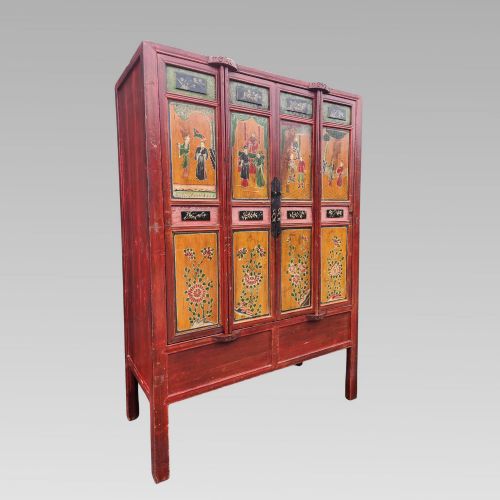
Hardware played a functional and decorative role, with iron and brass hinges, straps, and locks reinforcing the heavy timber lids and corners. Surface treatments range from natural wax finishes to polychrome paint, lacquer, and grained decoration.
What varies in quality
Quality rests upon the integrity of the timber selection and the retention of original structural elements such as bases, lids, and hinges. Early joined pieces demonstrate skilled carpentry through tight joints and minimal modern intervention.
The nuance in finish and proportion separates standard utilitarian boxes from finer regional works or carved examples. Original painted surfaces, period ironwork, and untouched patination elevate a piece beyond simple utility.
The Traditional Timber Coffer Glossary
- Six-plank coffer
- A primitive chest constructed from six individual boards joined directly at the edges. This method represents an early form of box-making.
- Dowry chest
- A storage box traditionally prepared for a bride to hold household linens and personal possessions. These often feature regional decorative carving or paintwork.
- Box settle
- A combination of a bench seat and a storage chest with a lift-up lid beneath the seat. They were placed near hearths to block drafts in older homes.
- Camphor wood
- An aromatic hardwood utilised for storage chests to deter insects. The wood carries a distinct natural scent.
- Polychrome
- Decorated in multiple colours, often found on folk art painted boxes and dowry chests. This technique adds vibrant surface pattern to plain timber.
Traditional Timber Coffer: Frequently Asked Questions
What is a traditional timber coffer used for today?
These pieces serve primarily as functional storage for blankets, bedding, and household items while doubling as coffee tables or benches.
Their robust construction allows them to withstand daily domestic use in hallways, living rooms, and bedrooms.
How do I date an antique wooden coffer?
Dating relies upon examining construction methods, tool marks, timber species, and hardware types used by the maker.
Hand-forged iron hinges, pegged joints, and the wear patterns on the wood provide clear indicators of period origins.
Are these chests suitable for modern living spaces?
Their compact storage capacity and flat lids make them practical additions to contemporary homes with limited space.
They integrate easily into various interior styles, acting as focal points that combine historical character with utility.
How do I care for antique timber storage pieces?
Maintenance involves applying natural wax periodically to nourish the wood and protect the surface from drying out.
Keeping the chest away from direct heat sources and fluctuating humidity prevents timber movement and splitting.