



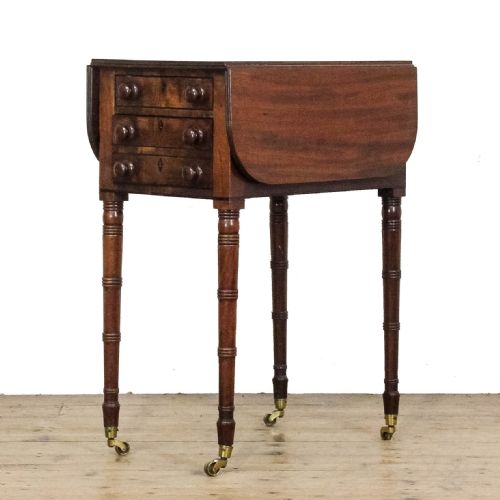


Traditional Timber Accent Table
These traditional timber accent table pieces offer compact surfaces crafted in hardwood, elm, mahogany, and walnut across diverse global styles.
Traditional Timber Accent Table
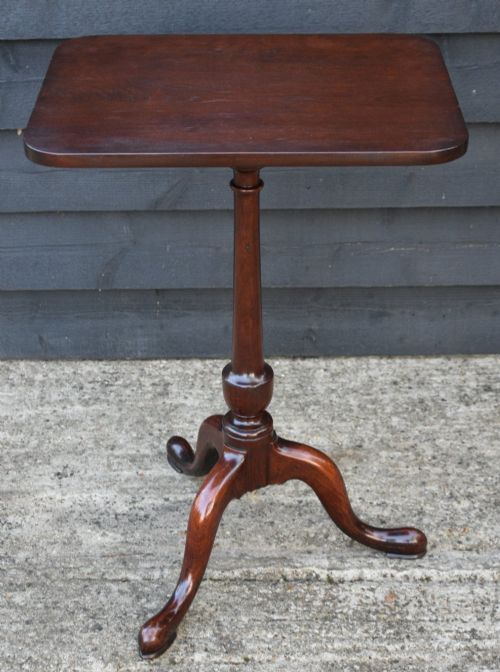
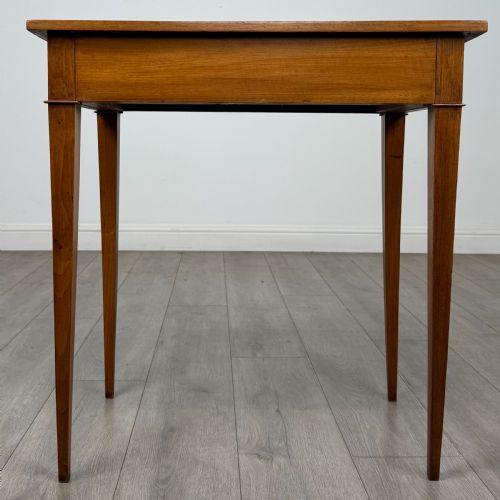
A traditional timber accent table serves as a functional small-scale surface, encompassing side tables, occasional tables, coffee tables, and plant stands. The selection spans the nineteenth century through the early twentieth century, incorporating Victorian, Edwardian, and Georgian periods alongside Qing Dynasty and Arts and Crafts examples.
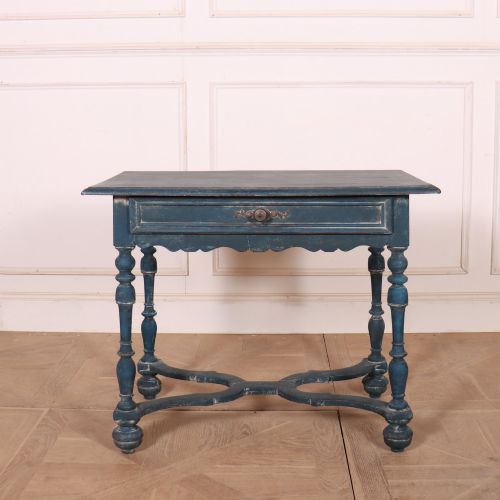
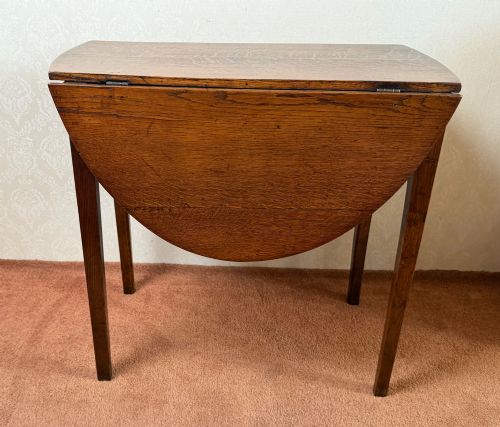
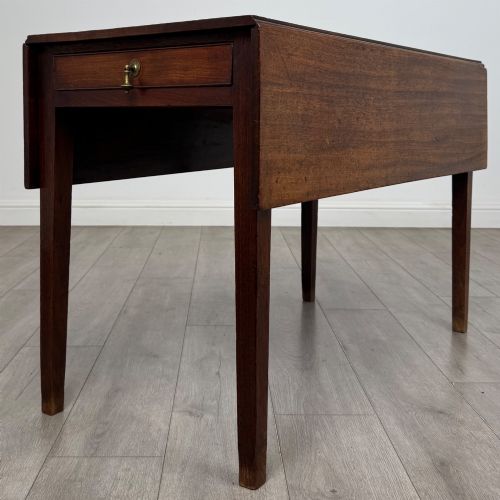
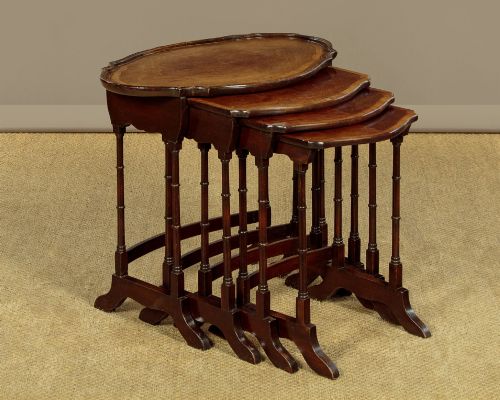
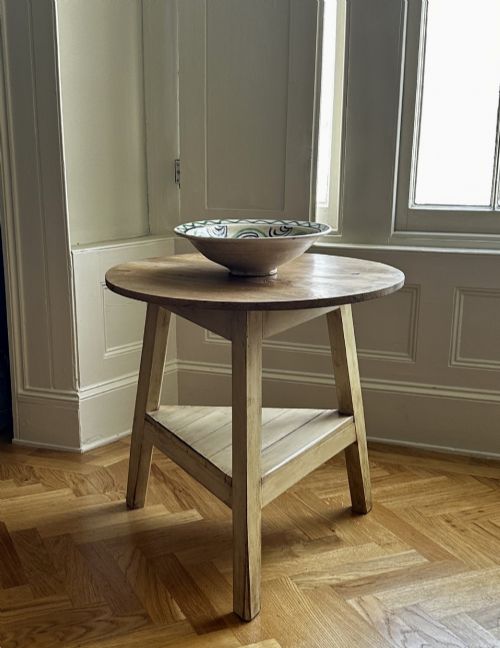
Buyers frequently encounter regional forms such as English country cricket tables in elm, pine, and painted finishes, alongside Chinese hardwood side tables, vase tables, and nesting sets. These pieces range from rustic low tables to polished mahogany pembroke worktables and wine tables designed for specific domestic uses.
Materials and construction methods
Makers utilised dense timbers including mahogany, walnut, elm, lignum vitae, and hongmu, often pairing them with brass hardware or painted surface treatments. Construction relies on traditional joinery techniques suited to the particular regional workshop, whether an English country joiner or a Chinese traditional cabinetmaker.
Surfaces exhibit varying finishes from limed oak and hand-made paint to figured veneers and polished hardwoods. The structural forms integrate turned legs, tripod bases, and folding drop-leaf mechanisms designed for daily utility.
Traditional Timber Accent Table Retail Price Guide 2026
Typical asking prices for traditional timber accent table among the pieces listed under this phrase on Sellingantiques today, from the lower quarter to the upper quarter. They describe what is for sale here now, not the wider market.
The listings show pieces spanning the eighteenth, nineteenth, and early twentieth centuries in elm, mahogany, walnut, and hongmu.
Distinguishing quality in timber accent tables
Quality rests in the selection of timber figures, such as figured walnut and dense hongmu, combined with the integrity of the original construction and joinery. Finer examples maintain crisp carved details, balanced proportions, and well-preserved surface patination that reflects their period of origin.
Pieces that retain their original hardware, uncompromised structural stability, and authentic period finishes stand apart from those with later alterations or heavy surface degradation.
The Traditional Timber Accent Table Glossary
- Cricket table
- A small three-legged round table with a wooden top, traditionally featuring three splayed legs for stability on uneven floors.
- Pembroke table
- A small rectangular table with hinged drop leaves on either side, often fitted with a drawer.
- Hongmu
- A category of dense, dark tropical hardwoods utilised in traditional Chinese furniture making.
- Lignum vitae
- An exceptionally heavy and dense botanical hardwood known for its dark colour and fine grain.
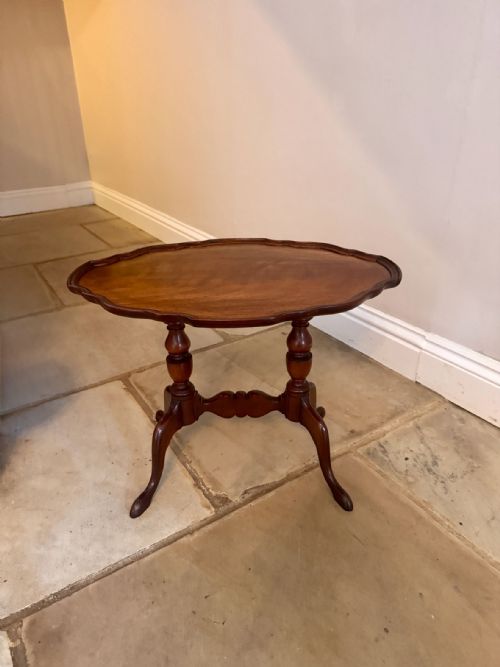
- Pie crust table
- A small round table featuring a raised, carved moulded edge resembling pastry work.
Traditional Timber Accent Table: Frequently Asked Questions
What is a cricket table used for?
A cricket table was traditionally utilised as a versatile small table in English country interiors for dining or beside a chair.
Today, these three-legged tables function effectively as compact accent surfaces in sitting rooms or hallways.
How do I identify Chinese hardwood stands?
Chinese hardwood stands typically feature dense timbers such as hongmu or elm, with construction methods rooted in Qing dynasty traditions.
They often incorporate recessed panel tops, structured stretcher bases, and subtle carved motifs characteristic of regional workshops.
Where should I place an accent table?
An accent table suits spaces requiring a compact surface, such as beside a sofa, in an entryway, or supporting a lamp.
Their varied heights and footprints allow them to fit into narrow corners or function as plant stands.
How do I care for antique timber tables?
Antique timber tables require protection from direct sunlight and rapid humidity changes to prevent wood movement and finish cracking.
Routine maintenance involves gentle dusting with a dry cloth and occasional application of appropriate furniture wax.