
Traditional Tall Floor Clock
A traditional tall floor clock brings steady gravity and mechanical life into a room through long periods of ticking.
Traditional Tall Floor Clock
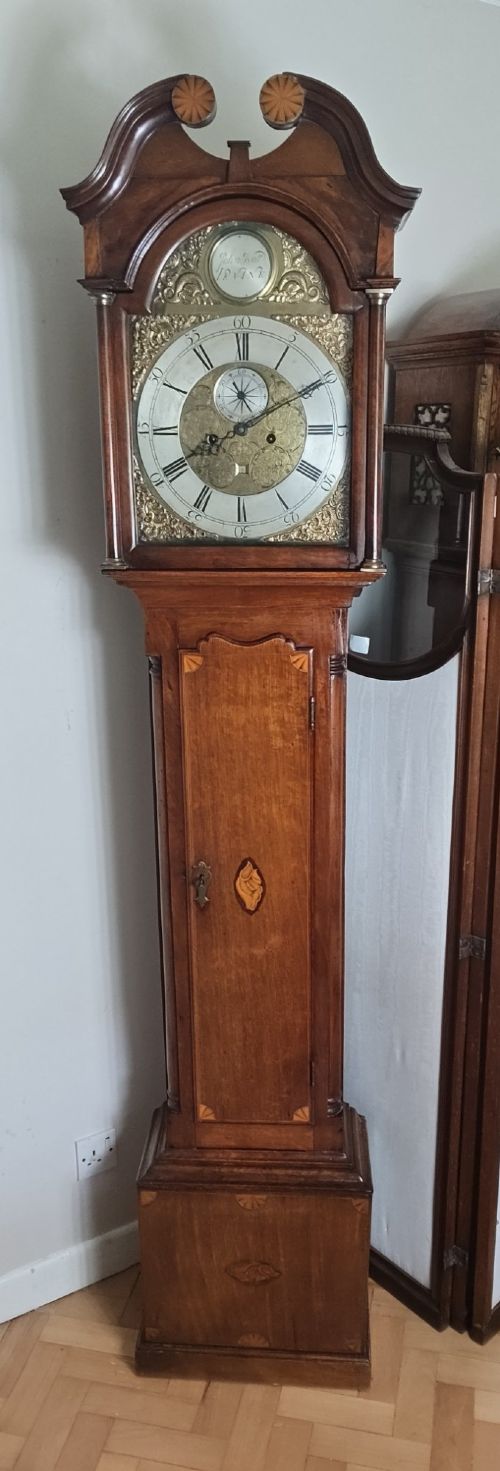
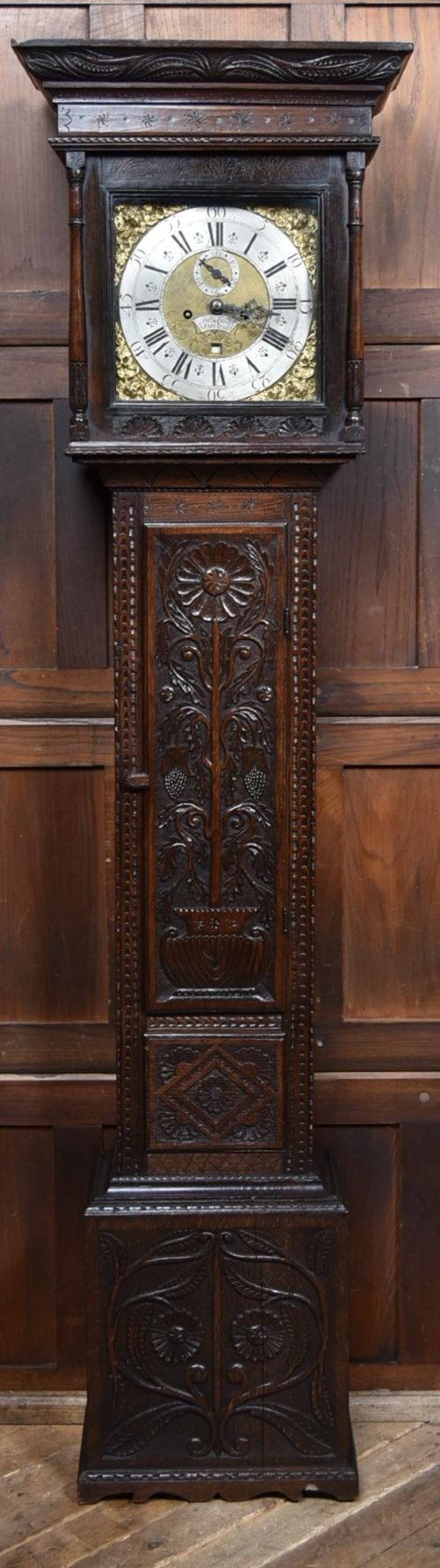
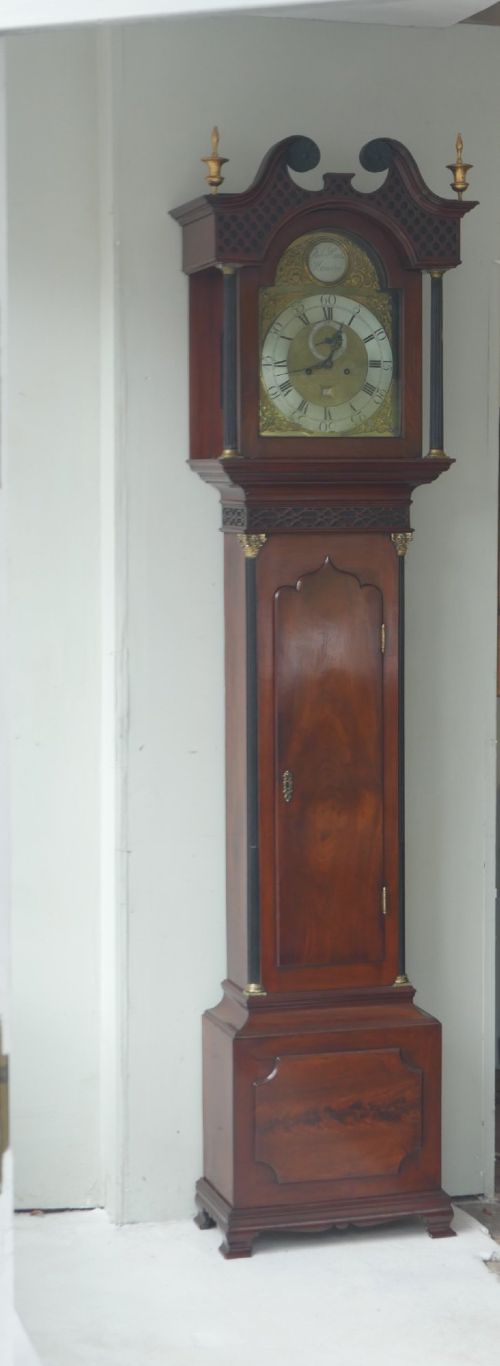
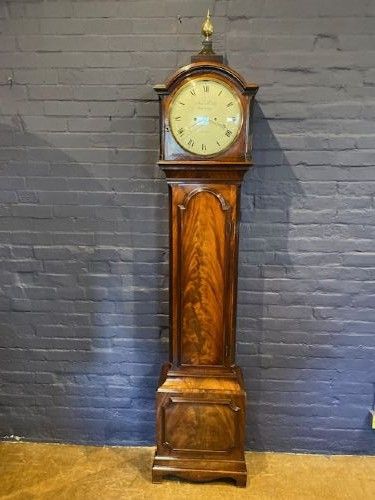
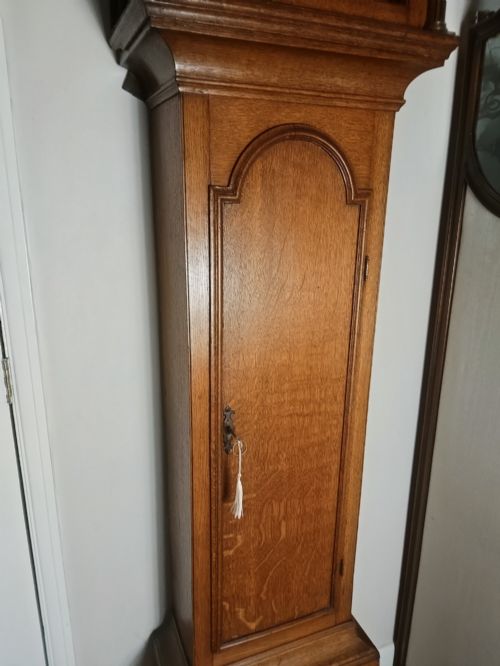
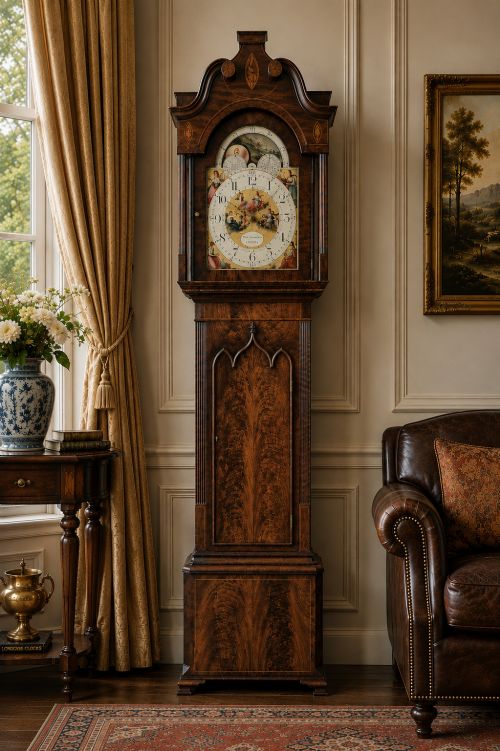
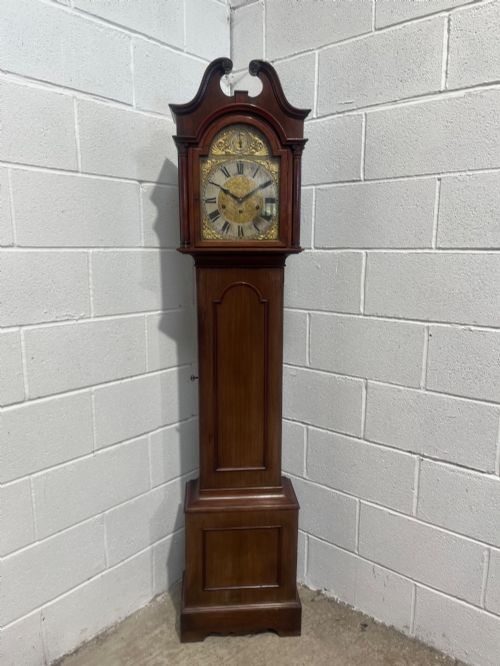
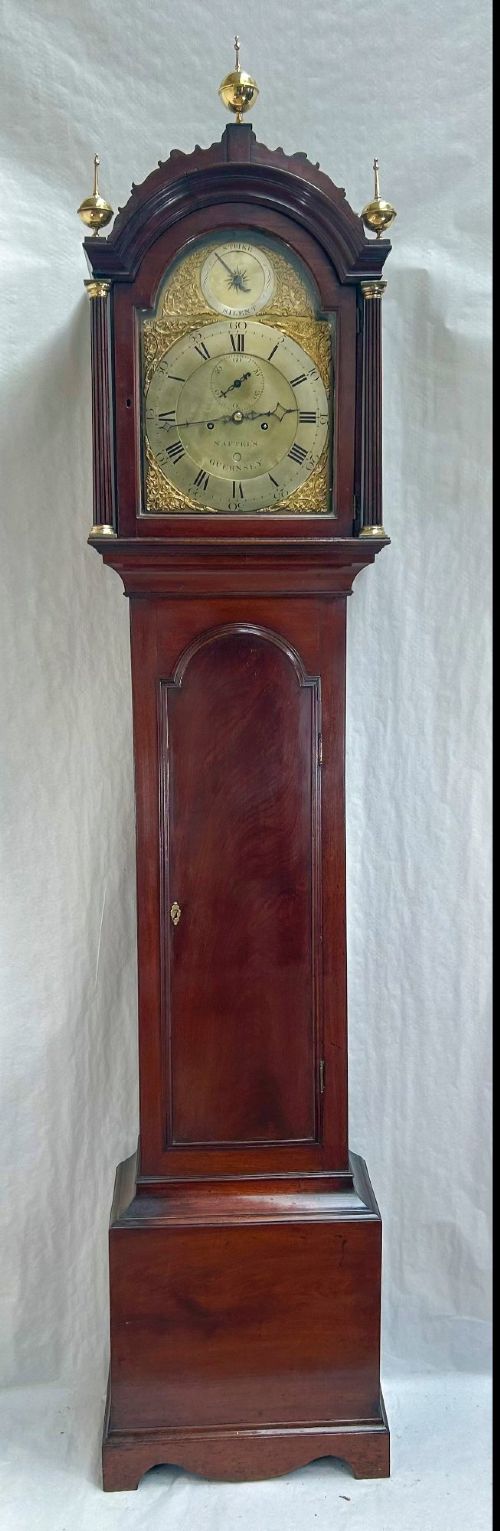
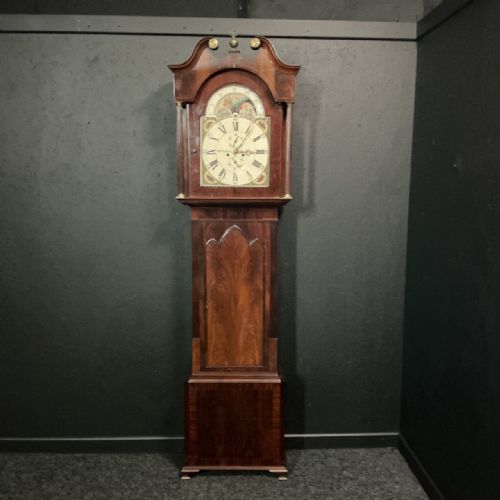
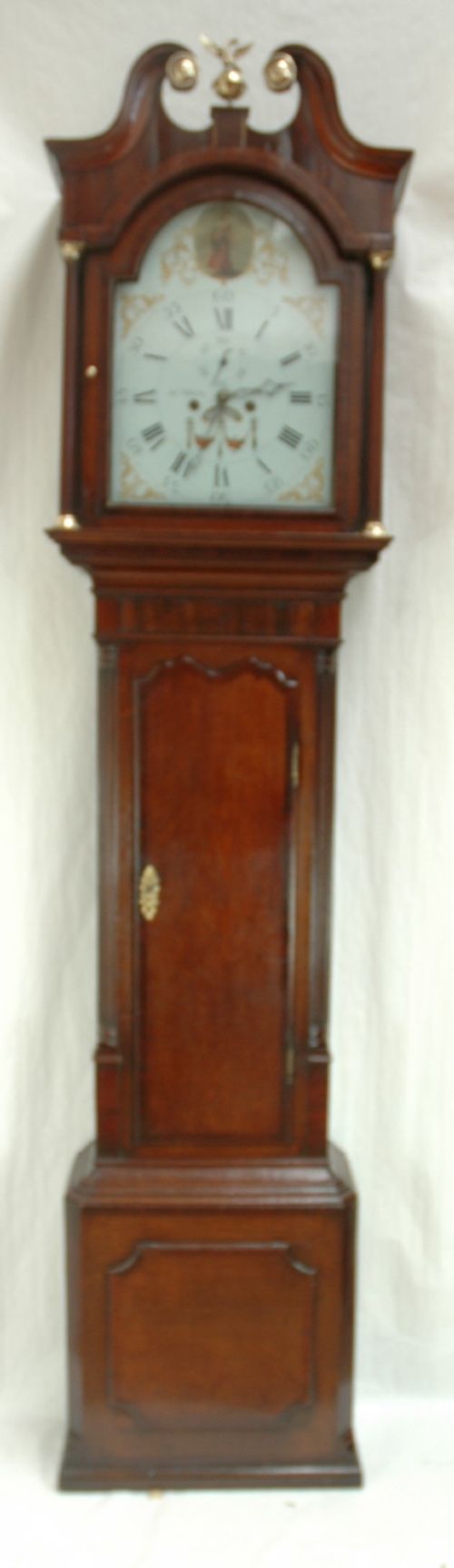
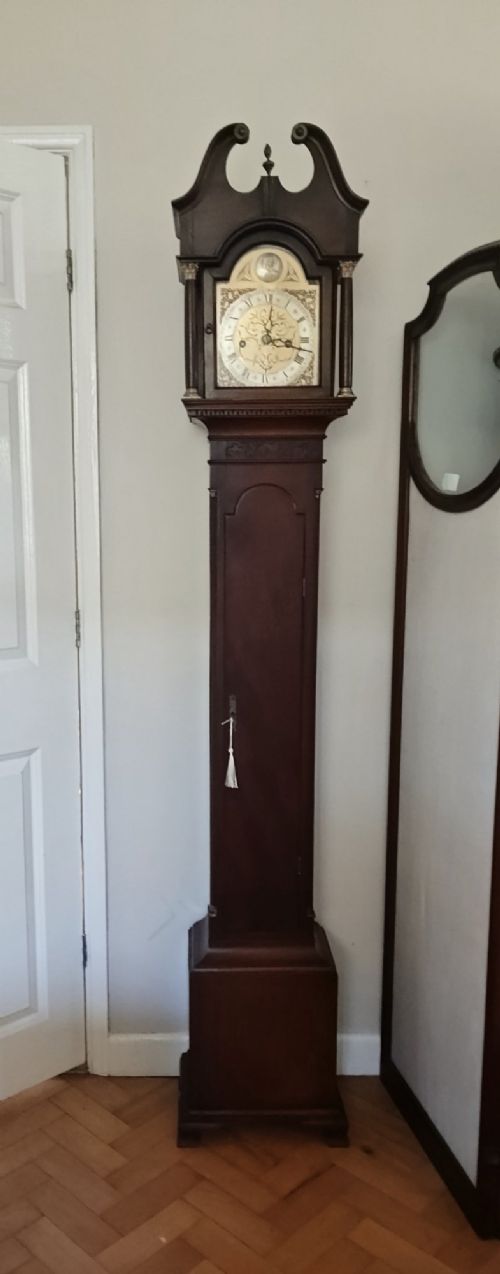
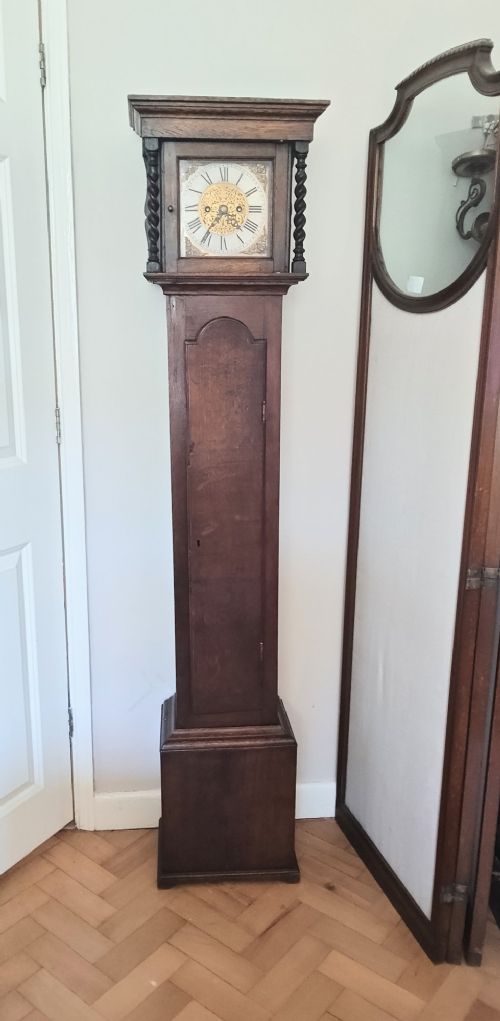
A traditional tall floor clock stands upright to house a pendulum and weights within a wooden case. Buyers searching for a traditional tall floor clock encounter longcase clocks, grandfather clocks, and smaller grandmother clocks spanning Georgian, Victorian, and Edwardian eras.
The materials span oak, mahogany, and walnut woods paired with brass dials and glass door panels. Many examples originate from Scottish and English workshops, displaying regional preferences in dial layout and case proportions.
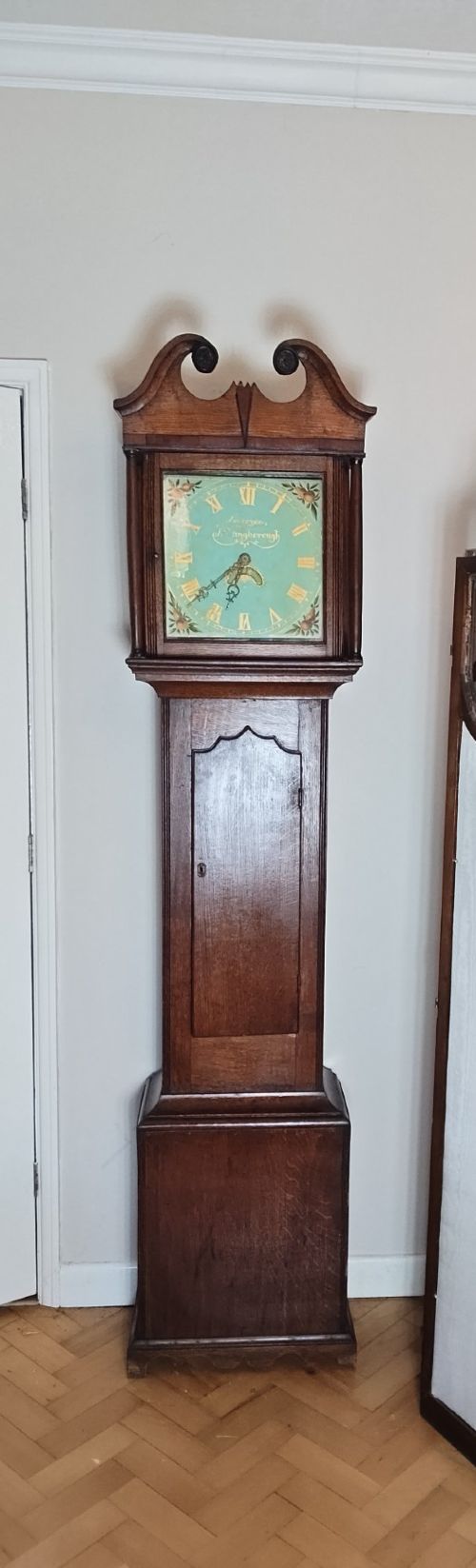
Most entries belong to the eighteenth and nineteenth centuries, alongside smaller twentieth-century musical variations. The forms range from strict Georgian architectural cases to drumhead dials and inlaid mahogany surfaces.
Materials and construction
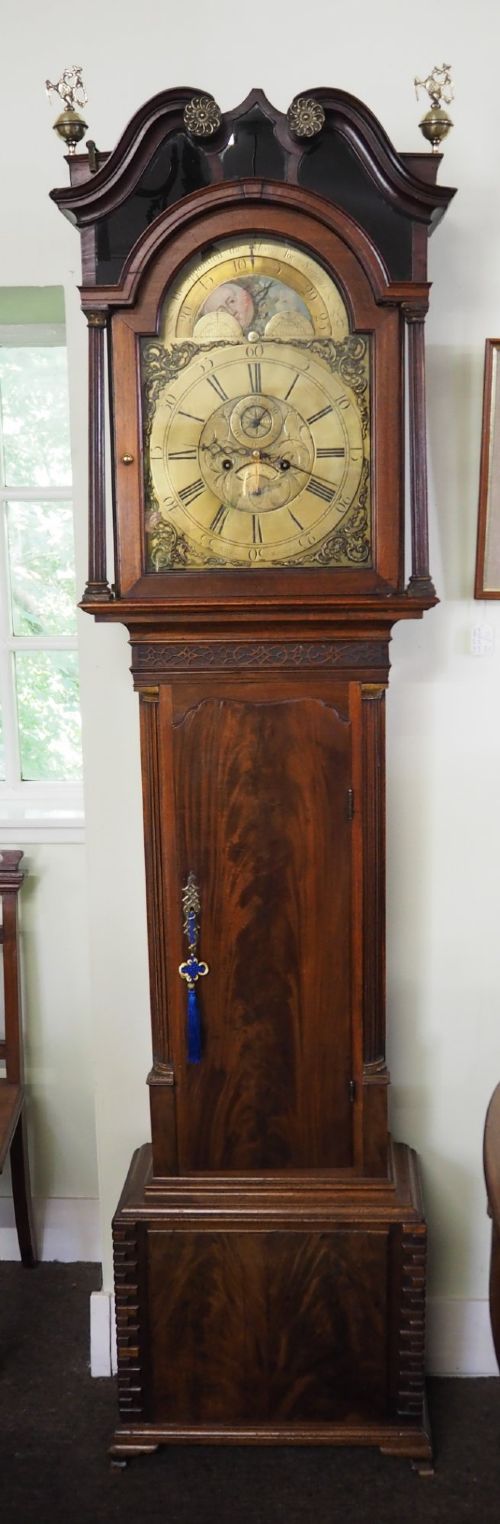
Cabinetmakers built the tall cases primarily using solid oak, figured mahogany, and walnut timbers. These woods were selected for structural stability and finished to highlight natural grain patterns.
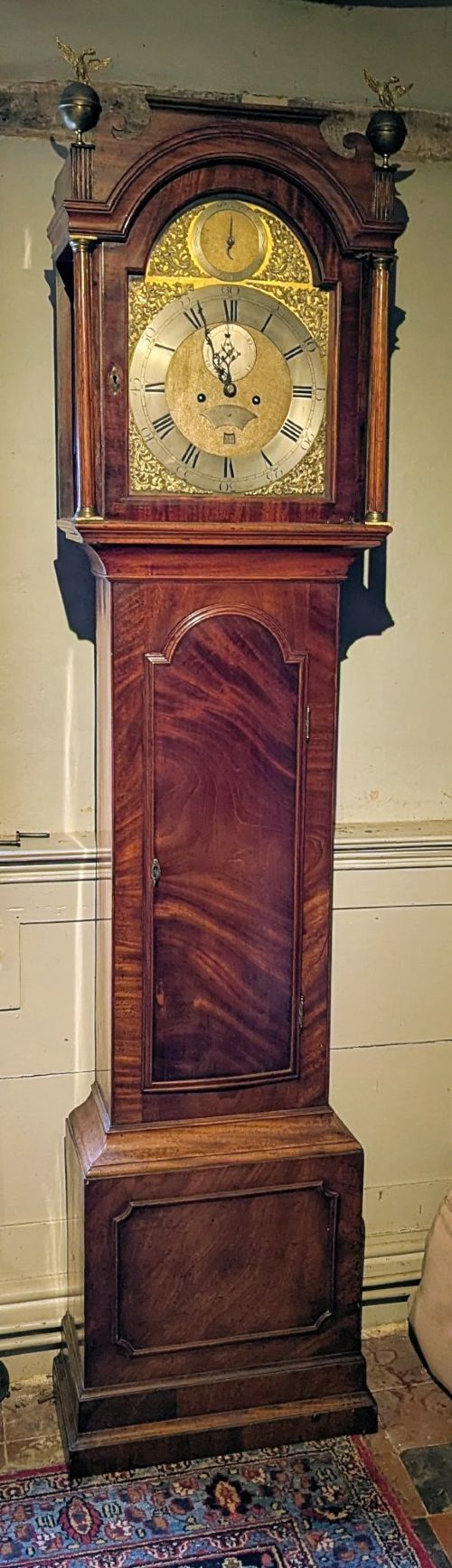
Dial faces incorporate brass components, engraved metal chapter rings, and occasional painted moon rollers or phases. Glass panels protect the dial while allowing visibility of the moving hands.
Mechanical complications include moon phases, strike and silent levers, and multi-tune chimes.
Distinctions in craftsmanship
Quality rests in the precision of the movement and the integration of the wooden case. Finer examples display crisp brass engraving on the dial and carefully matched wood veneers on the trunk door.
The presence of complex mechanical functions, such as strike and silent mechanisms, moon rollers, or musical quarter-chiming trains, separates standard timekeepers from more ambitious workshop productions.
Jn° Smith Macclesfd·James McCabe·Samuel Kellett of Bredbury·Priory of Dundee Scotland·Andrew Thom·Henry Weedon London·David Craig Ford Path head·Bravingtons
The Traditional Tall Floor Clock Glossary
- Longcase clock
- A tall pendulum clock enclosed in a wooden case that rests directly on the floor. This form is frequently termed a grandfather clock.
- Grandmother clock
- A smaller, more slender version of the traditional longcase clock developed during the twentieth century. It occupies less vertical wall space while retaining weight-driven or spring movements.
- Moon roller
- A rotating dial mechanism that tracks the phases of the lunar cycle behind an arched aperture. It adds visual movement and mechanical complexity to the clock face.
- Drumhead dial
- A circular clock head mounted atop a narrow wooden trunk, often seen in Scottish regional examples from the nineteenth century.
- Strike and silent
- A mechanical lever that permits the clock to either sound the hours on a bell or gong or remain silent. This feature allowed owners to sleep undisturbed.
Traditional Tall Floor Clock: Frequently Asked Questions
What is a grandfather clock?
A grandfather clock is a tall floor-standing pendulum clock housed in a protective wooden case. The height accommodates a long pendulum and descending weights that power the movement.
These pieces typically measure over six feet tall and serve as both timekeepers and substantial furniture centerpieces in a hall or living room.
How do I wind the clock?
Winding involves using a crank key to draw up the weights inside the trunk or inserting a key into winding holes on the dial face. The process depends entirely on whether the movement uses brass weights or spring barrels.
Careful handling ensures the gut lines or chains guide the weights smoothly without tangling inside the case.
Where should I place a floor clock?
Floor clocks require a stable, dry interior location away from direct sunlight and fluctuating heat sources. Placing the case against an interior wall protects the wood from temperature extremes.
Ensuring the floor is level allows the pendulum to swing evenly, which keeps the timekeeping accurate.
How do I date a tall clock?
Dating relies on stylistic clues in the woodwork, dial proportions, and the signature of the maker inscribed on the metal face. Georgian cases often feature restrained architectural lines, whereas Victorian versions showcase bolder mahogany veneers.
Researching the recorded working periods of the inscribed clockmaker provides a reliable window of manufacture.