


Traditional Tabletop Clock
A traditional tabletop clock brings ticking warmth to a room, combining fine cabinetry and brass movement in a compact form.
Traditional Tabletop Clock
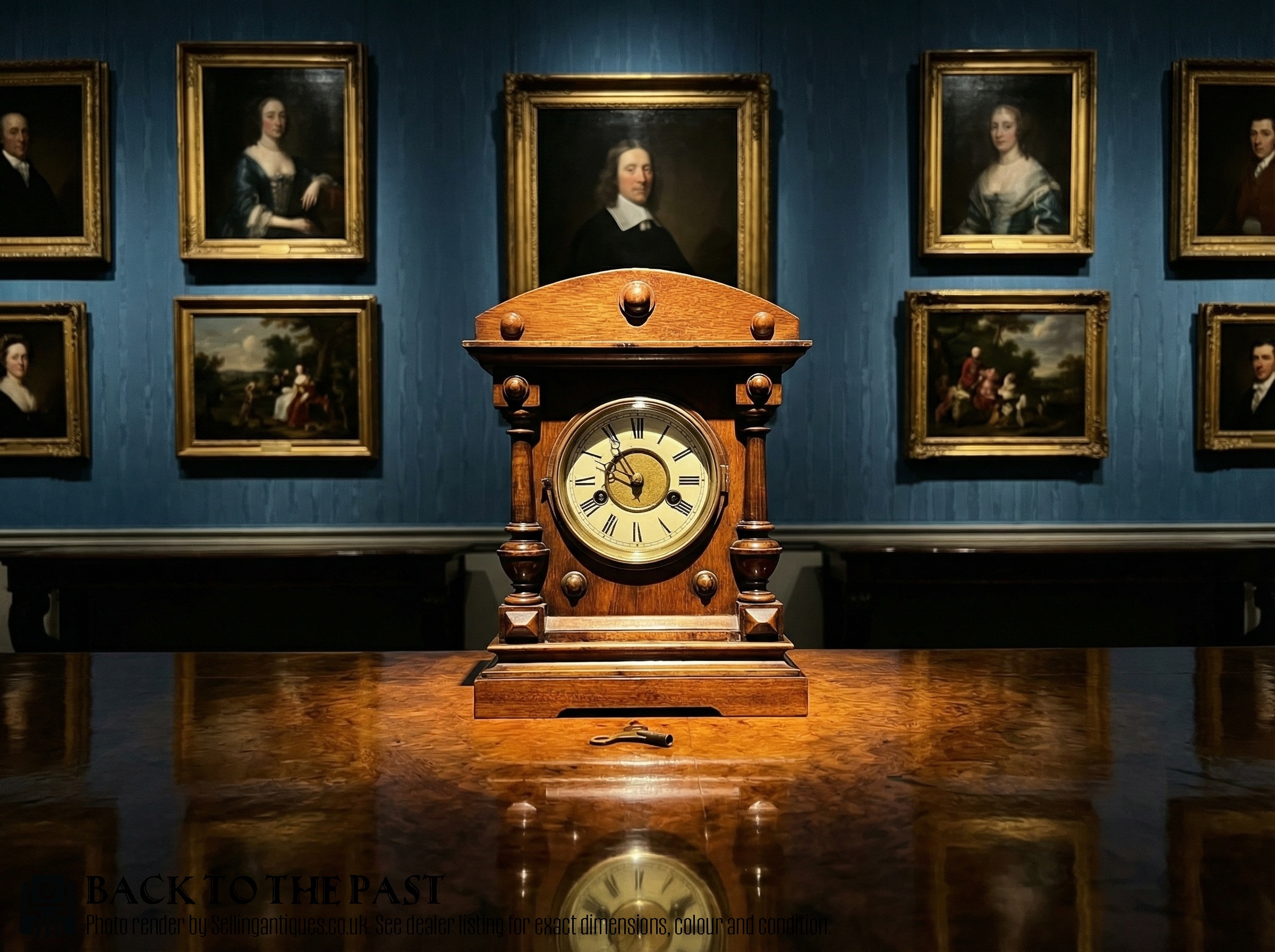
A traditional tabletop clock sits firmly on a mantelpiece, shelf, or desk, measuring time through mechanical gears rather than electronics. When you search for a traditional tabletop clock, you encounter pieces designed to anchor a room with both utility and architectural presence.
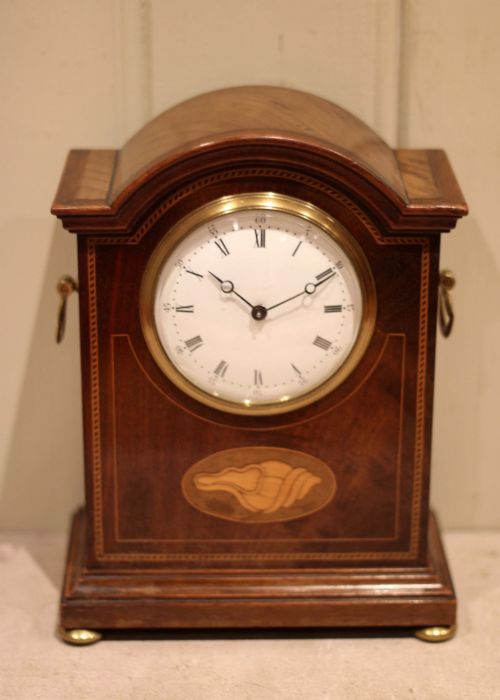
The selections span from late Victorian and Edwardian decades up to mid-century traditional examples. You will frequently meet mahogany cases with satinwood inlay, alongside heavy brass carriage clocks and walnut designs.
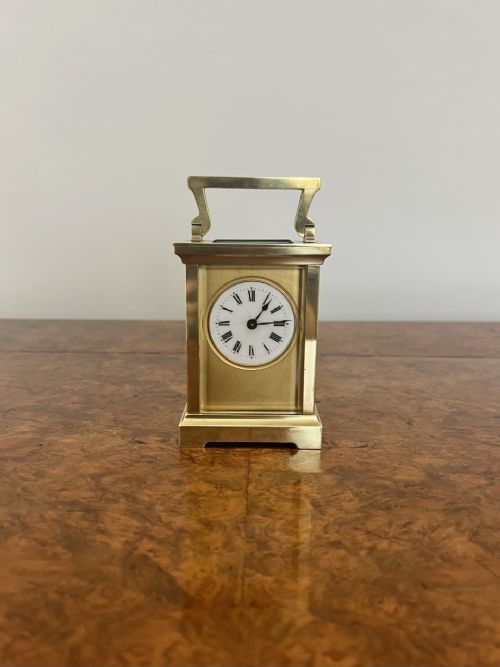
Forms vary from lancet tops and dome tops to architectural bracket clocks and glass-panelled carriage designs. These objects reflect the domestic tastes of the nineteenth and twentieth centuries, built to mark the hours in studies, drawing rooms, and halls.
Materials and construction
Cabinet makers constructed wooden bodies using solid mahogany and walnut, often embellishing the surfaces with delicate boxwood and satinwood inlay. These timber cases required skilled joinery to house the heavy metal movements securely without warping over decades of daily service.
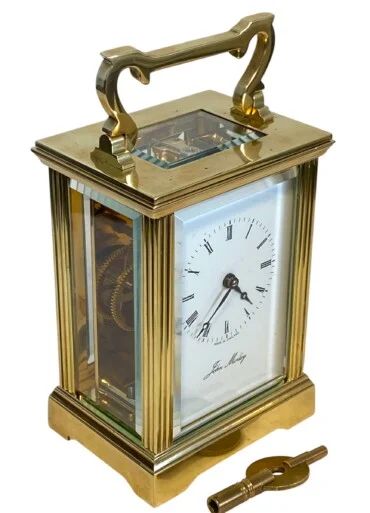
Metalworkers cast bronze and brass for carriage clocks and bracket clocks, incorporating bevelled glass panels to expose the swinging escapement and gear trains. Enamel dials with painted numerals provided a clear, legible face that contrasted sharply against the polished metal bezels and dark wood.
Listings feature mahogany, walnut, brass, and bronze across Victorian and Edwardian periods.
Judging quality and execution
Quality rests in the crispness of the timber inlay and the substantial weight of the cast brass or bronze housing. Finer examples display meticulous attention to proportion, where the dial, bezel, and case elements maintain a balanced architectural harmony.
The internal mechanics separate standard production from superior pieces, particularly in complex movements like twin double fusee systems. Clean casting, precise engraving on dial masks, and unblemished bevelled glass indicate a higher standard of workshop production.
John Morley·Penlington & Batty
The Traditional Tabletop Clock Glossary
- Carriage clock
- A portable spring-driven timepiece originally designed for travelling officers and gentry. These brass and glass clocks feature a swinging handle on top.
- Fusee
- A conical pulley used in mechanical clocks to maintain an even tension on the chain as the mainspring unwinds. This mechanism ensures consistent timekeeping as the power source ages.
- Lancet top
- A pointed architectural arch shape resembling a gothic window, commonly seen on the upper crest of wooden mantel clocks. This silhouette became popular during the Edwardian period.
- Inlay
- A decorative technique where contrasting woods such as boxwood and satinwood are fitted flush into the primary mahogany surface. This creates geometric or floral patterns across the clock face and body.
Traditional Tabletop Clock: Frequently Asked Questions
Where should I place a mantel clock?
Mantel clocks need a stable, level surface such as a fireplace mantel, sideboard, or sturdy bookshelf. Uneven placement can cause the pendulum or escapement to tick unevenly and eventually stop.
Keep wooden cases away from direct sunlight and active heat sources to prevent the timber and veneer from drying out or cracking over time.
How do carriage clocks differ from mantel clocks?
Carriage clocks are typically smaller, freestanding brass and glass objects designed with a carrying handle on the top plate. They rely on a platform escapement rather than a pendulum.
Mantel clocks are generally larger, heavier wooden or bronze structures meant to remain stationary on a shelf. They often incorporate striking mechanisms to chime the hours.
What does a fusee movement do?
A fusee movement uses a conical drum and a fine chain to equalise the power delivered by the mainspring. As the spring unwinds, the chain moves to a wider part of the cone.
This ingenious mechanical device prevents the clock from running fast when fully wound and slow as it runs down, ensuring accurate timekeeping throughout the week.