




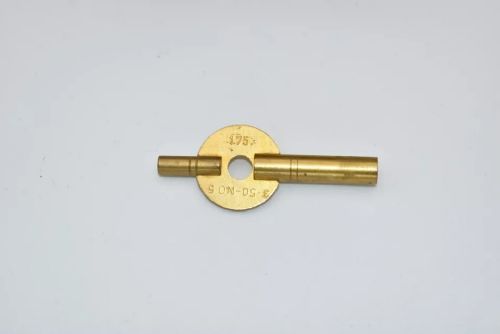
Key Wind Clock
A key wind clock is a mechanical timepiece driven by a spring or weight that requires a separate key for winding, offering traditional craftsmanship and tactile daily interaction.
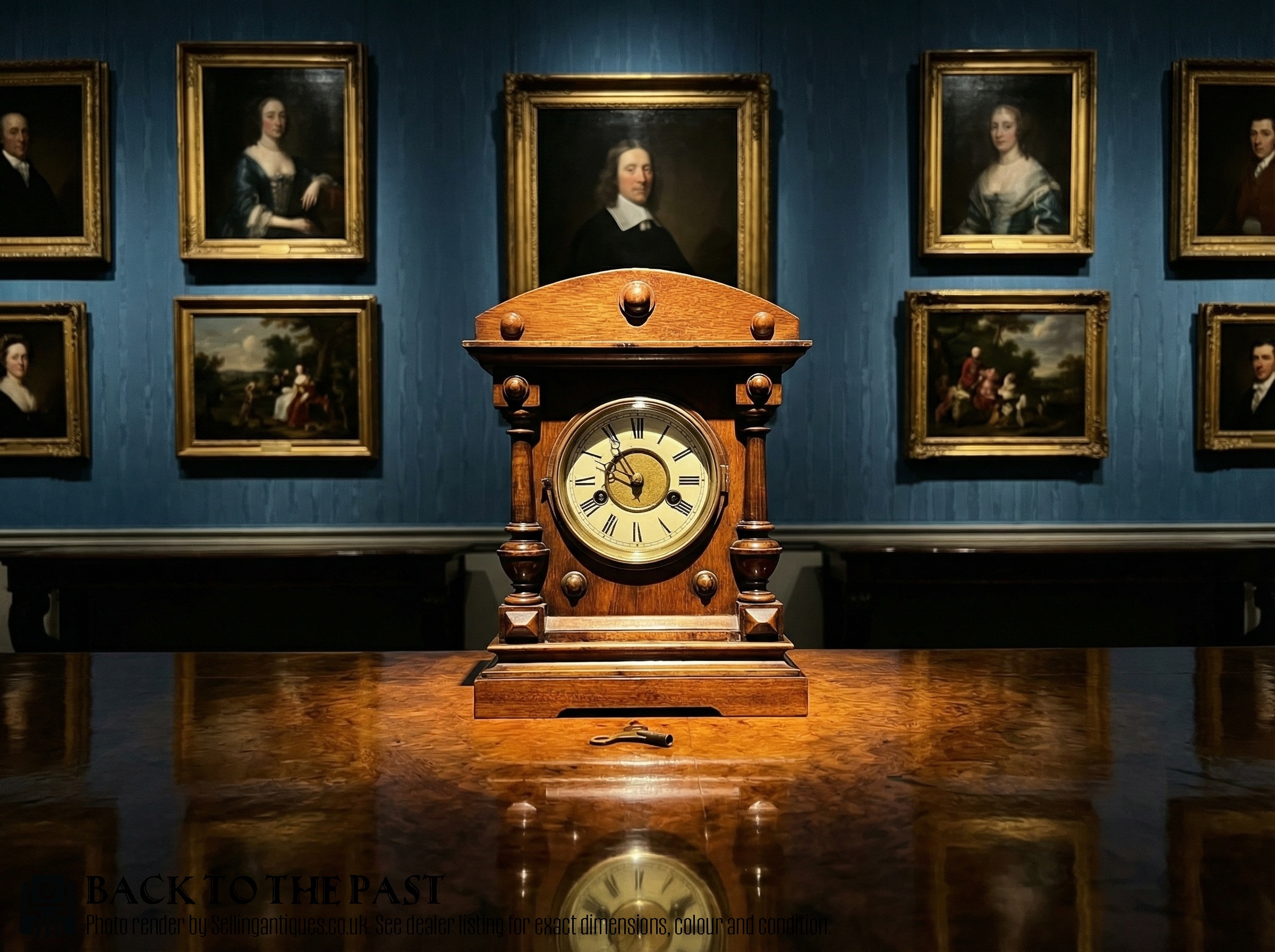
Key Wind Clock
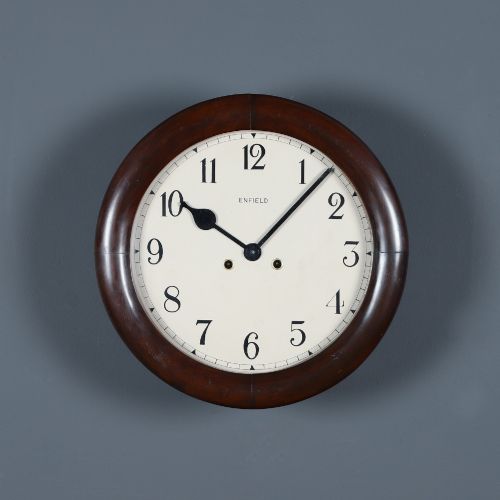
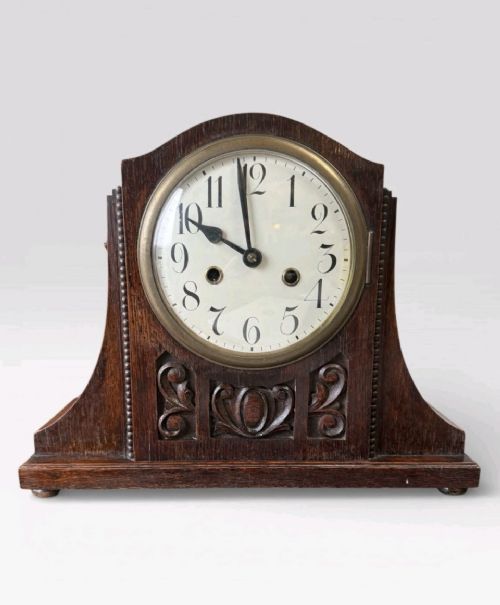
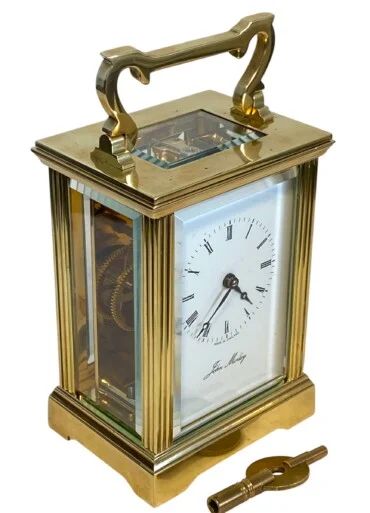
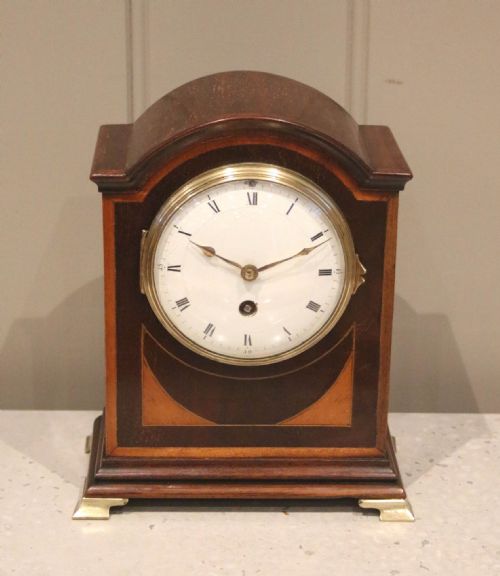
A key wind clock encompasses various practical timepieces spanning multiple decades from the nineteenth century onward. Collectors encounter domestic wall dials, mantel designs, and portable brass carriage models during their search.
The pieces available on this page reflect diverse stylistic influences including Victorian, Edwardian, and Art Deco periods. These clocks served functional roles in homes, railway stations, and ships before becoming sought-after decorative objects.
Wall clocks and carriage clocks dominate the selection, often featuring circular enamel dials with Roman numerals. Walnut and mahogany wooden cases appear alongside polished brass and gilt bronze frames.
Materials and construction methods
Clockmakers utilised dense hardwoods such as mahogany and walnut for cases, frequently incorporating satinwood inlay or glass panels. These materials provided structural durability while offering a rich surface for traditional polishing.
Metal components relied on brass and gilt bronze for intricate internal gear trains and exterior carriage frames. Enamel dials were carefully fired to create clear, legible white surfaces for the numerals.
Mechanical movements required precise assembly of springs and escapements, operated entirely through manual winding keys. This traditional engineering ensures the continued mechanical function of surviving examples.
Listings feature clocks from the nineteenth century up to the 1960s, constructed in brass, glass, mahogany, and walnut.
Factors determining quality
The standard of a timepiece rests upon the precision of its mechanical movement and the complexity of its striking or alarm mechanisms. Heavier bronze frames and detailed casework indicate superior original manufacture.
Makers who supplied retailers often incorporated finer dial work and crisper wood carvings. The legibility and condition of the white enamel dial further influence the desirability of the clock.
Proportion and material selection dictate the visual balance of the piece, from modest domestic clocks to massive carriage designs. Superior examples retain their original components and legible retail signatures.
John Morley·L Epee·Maple of London·Tempora
The Key Wind Clock Glossary
- Carriage clock
- A portable timekeeper originally designed for travelling, enclosed in a brass and glass case with a folding handle on top.
- Mantel clock
- A decorative timepiece intended to sit on the shelf above a fireplace, constructed from wood, metal, or ceramic materials.
- Bracket clock
- A portable table clock historically designed to sit upon a matching wall bracket, often featuring an arched wooden case.
- Enamel dial
- A metal watch face fused with powdered glass at high heat to produce a smooth, white surface for painted numerals.
- Roman numeral
- A numeric system utilising combinations of letters from the Latin alphabet to mark the hours on a clock dial.
Key Wind Clock: Frequently Asked Questions
How do I wind my clock?
A specific metal key fits onto the winding square located on the dial or backplate of the movement. Turning the key clockwise tightens the internal mainspring.
Care must be taken not to overwind the mechanism, stopping as soon as resistance is felt.
Where should I place a mantel clock?
Solid wooden and brass timepieces perform best on a level, stable surface away from direct sunlight and damp conditions. A mantel or sideboard provides an ideal display location.
Ensuring the surface is flat allows the mechanical pendulum or balance wheel to beat evenly.
How do I identify the period?
Stylistic clues such as brass framing, wood veneers, and dial typography point towards specific manufacturing decades. Victorian and Edwardian pieces often exhibit heavier ornamentation compared to later Art Deco designs.
Maker signatures or retailer marks stamped on the movement plates offer further chronological guidance.
Do these clocks require professional service?
Mechanical timepieces benefit from periodic cleaning and lubrication of their brass gear trains by a specialist horologist. Dust accumulation over decades can impede the movement.
Regular maintenance ensures reliable timekeeping and preserves the historical integrity of the internal components.