

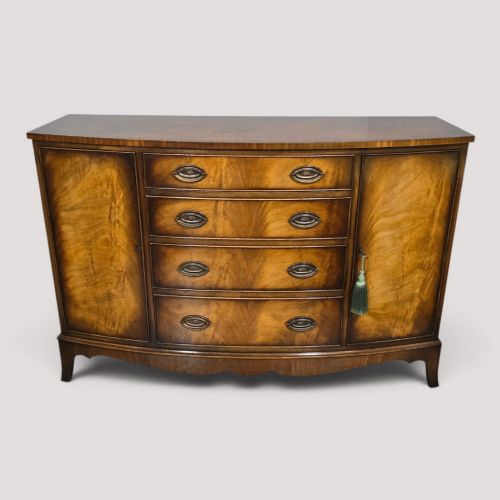
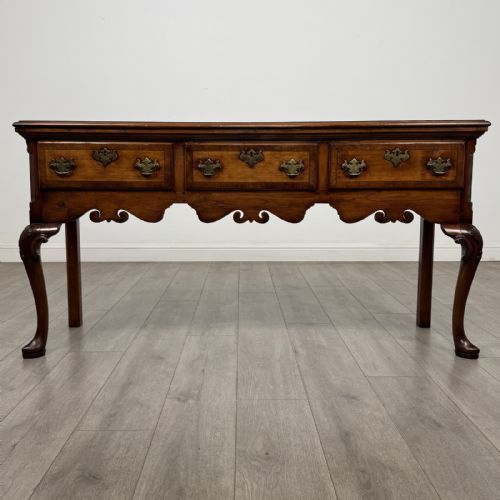
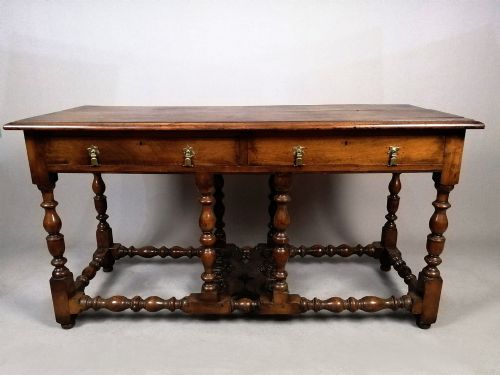
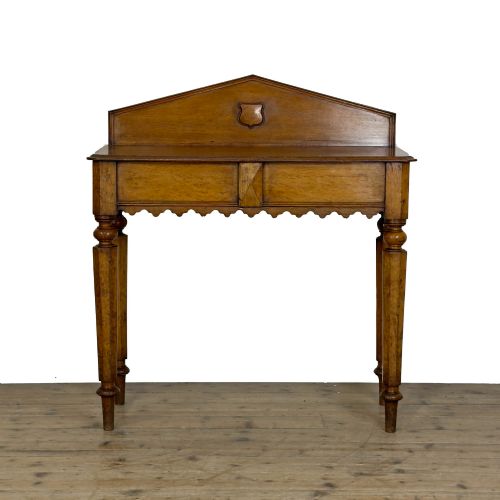
Traditional Table Server
A traditional table server is a sturdy dining piece designed for holding dishes, and these examples bring timeless timber storage into the modern home.
Traditional Table Server
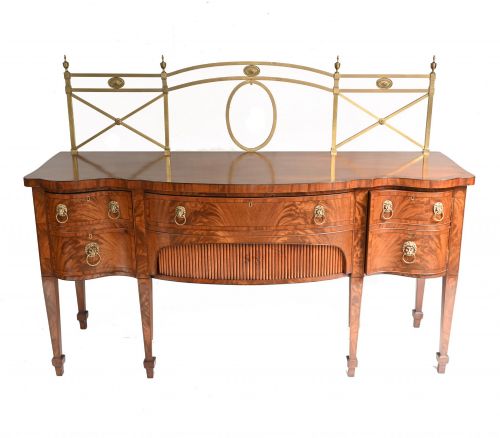
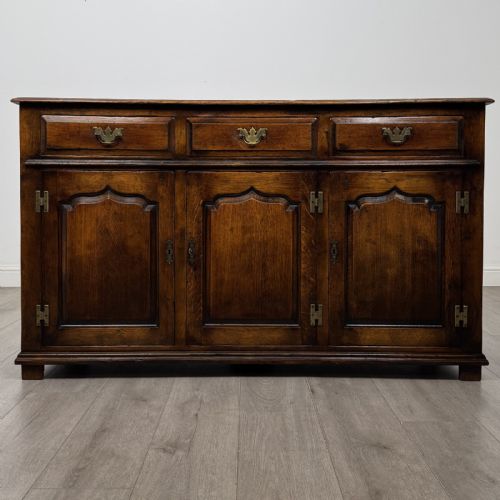
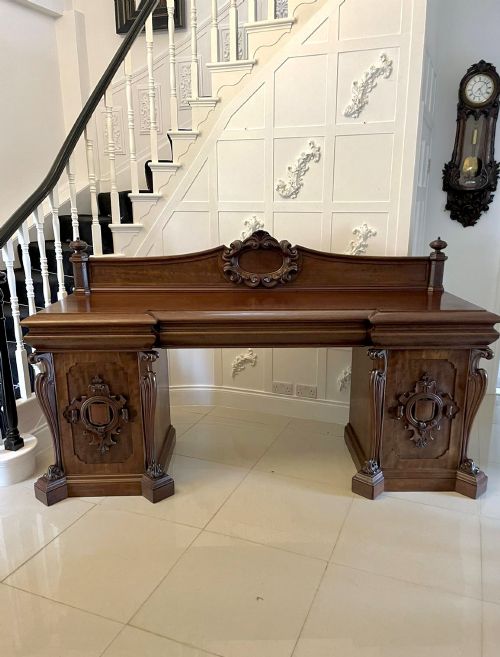
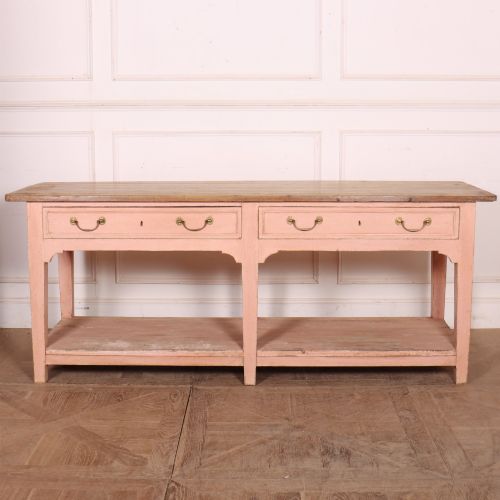
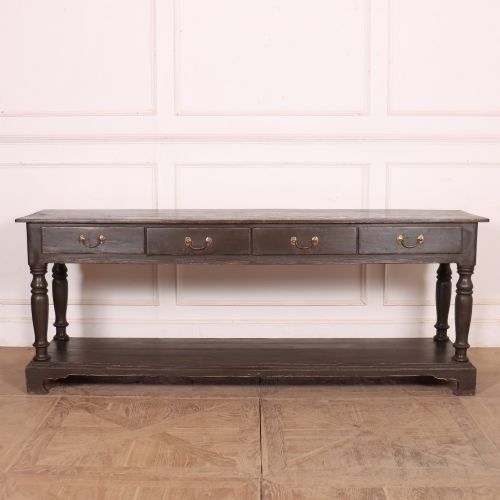
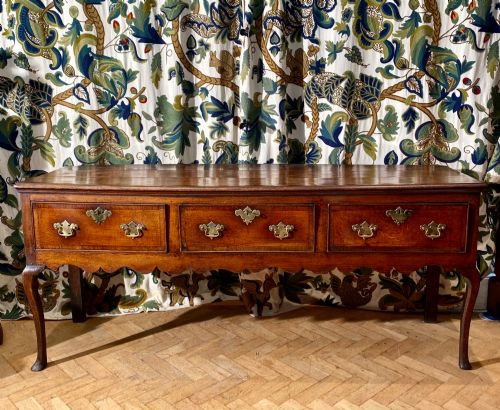
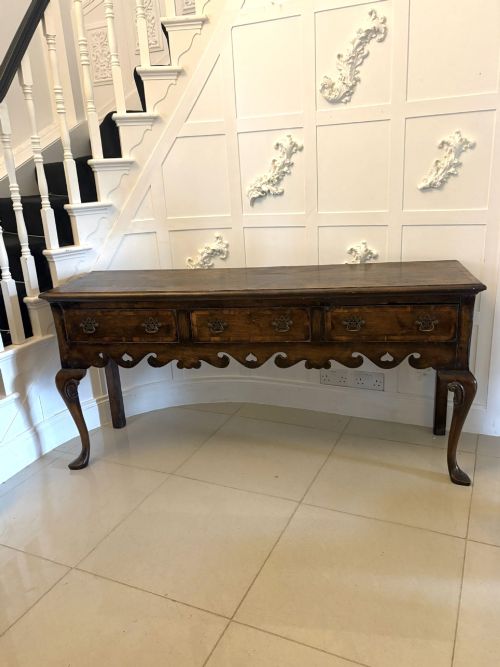
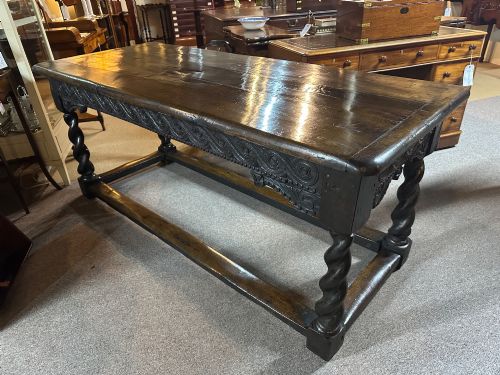
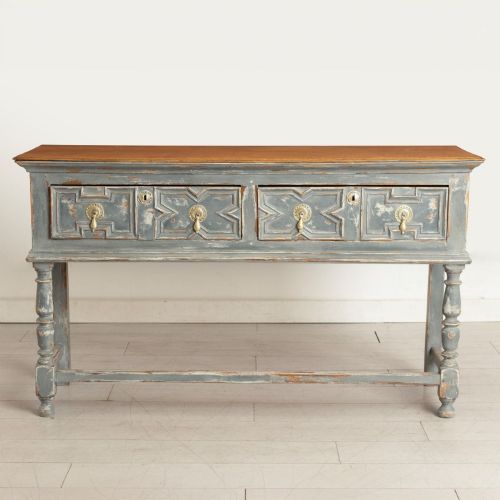
When you search for a traditional table server, you are looking at substantial dining furniture designed to hold dishes, flagons, and serving gear. These pieces range from formal mahogany sideboards to sturdy oak dresser bases and potboard servers.
The version you are most likely to meet on this page is an oak or mahogany sideboard, dresser base, or serving table originating from the eighteenth, nineteenth, or early twentieth centuries. These encompass regional British styles, from Scottish farmhouse bases to Lancashire oak pieces, alongside Georgian and Edwardian variants.
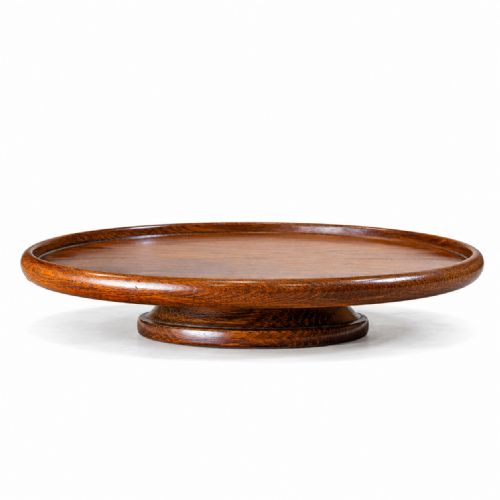
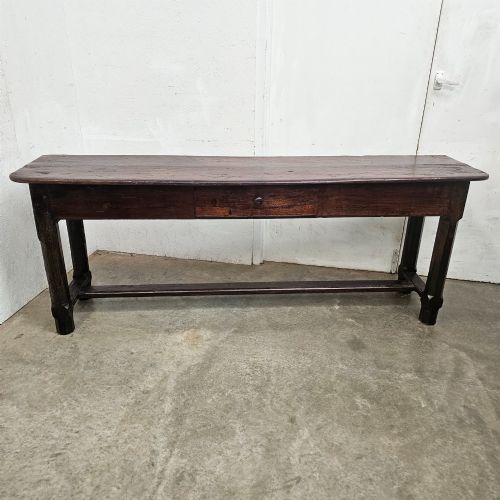
Forms span from simple console tables and side tables with drawers to elaborate breakfront cabinets and revolving dumb waiter servers. They share a practical purpose in dining spaces, offering surface area for serving alongside enclosed storage for tableware.
How they were made
Makers relied on solid hardwoods like oak, mahogany, and elm, often pairing them with pine or fruitwood for secondary framing. Timber was selected for grain pattern and durability, utilising pegged joints, fielded panel doors, and dovetailed drawers to withstand heavy daily use.
Surfaces received careful treatment, ranging from waxed or polished mahogany and burr walnut to painted wood finishes. Detail work included carved motifs, inlaid banding, and cabriole legs, reflecting stylistic shifts from Georgian restraint to Jacobean revival and Edwardian refinement.
Traditional Table Server Retail Price Guide 2026
Typical asking prices for traditional table server among the pieces listed under this phrase on Sellingantiques today, from the lower quarter to the upper quarter. They describe what is for sale here now, not the wider market.
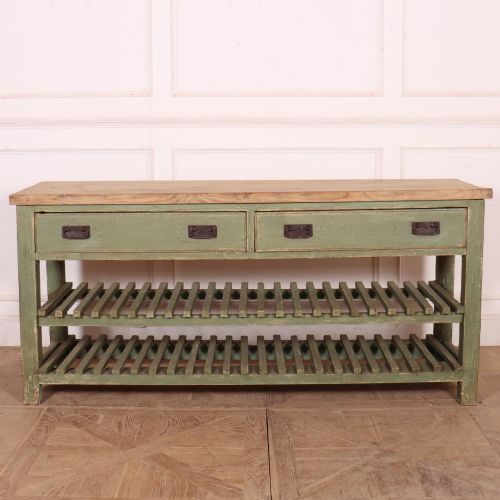
Form variations include potboard dresser bases, bow-front sideboards, and revolving dumb waiter tables.
What varies in quality
The standard of a traditional table server rests upon timber selection and the integrity of its construction. Superior pieces display finely figured mahogany veneers, thick oak planks, and precise hand-cut joinery that remains rigid through decades of dining room service.
Proportion and decorative restraint separate finer workshop output from simpler utilitarian items. Balanced drawer alignment, crisp carving, and matching grain patterns distinguish the work of skilled cabinet makers from more rustic vernacular builds.
The Traditional Table Server Glossary
- Dresser base
- A low wooden storage unit with drawers and cupboards, traditionally used in kitchens or dining rooms for food preparation and serving. It forms the lower section of a full dresser without the upper plate racks.
- Potboard
- An open slatted lower shelf fitted between the legs of a dresser base or serving table. It was originally intended for storing heavy pots and pans off the floor.
- Dumb waiter
- A tiered serving table or revolving stand placed near a dining table to hold dishes without requiring a servant's constant attendance. These often feature revolving trays or multiple stacked surfaces.
- Breakfront
- A piece of furniture where the central section projects forward from the flanking cabinets. This architectural arrangement creates depth and visual interest in mahogany and oak sideboards.
- Cabriole leg
- A furniture leg that curves out at the knee and tapers inward to a foot, inspired by the natural leap of an animal. It is commonly found on Queen Anne and Georgian style servers.
Traditional Table Server: Frequently Asked Questions
What is a traditional table server?
A traditional table server is a functional dining room piece used for holding platters, dishes, and serving utensils during meals. These items encompass sideboards, dresser bases, and serving tables designed for daily household hospitality.
They provide both a sturdy top surface for food presentation and enclosed storage underneath for cutlery and linens. These pieces originate from various historical periods, reflecting distinct regional craftsmanship and timber traditions.
How were these servers used?
These pieces stood against dining room or hall walls to stage courses before they reached the main table. Household staff used them to plate food, pour drinks, and store heavy tableware close at hand.
Over time, their roles expanded into display furniture for prized ceramics, silver, and decorative objects. In domestic spaces today, they continue to serve as practical sideboards and focal storage points.
How do I live with an antique server?
Living with an antique server involves integrating its historical character and storage capacity into modern daily routines. They function well in dining rooms as cocktail bars or serving stations, and in hallways as console tables.
Maintenance requires simple waxing to protect the timber surface from moisture and heat rings. Placing them away from direct heat sources ensures the old wood and joinery remain stable.
How do I tell periods apart?
Distinguishing periods relies on observing stylistic details, timber choices, and construction methods. Eighteenth-century pieces often display simple, robust oak framing or fine Georgian mahogany with hand-cut dovetails.
Later nineteenth and twentieth-century examples frequently incorporate revival styles, machine-assisted precision, or elaborate decorative inlays. Examining the drawer construction and hardware offers clear clues to a piece's age and origin.