



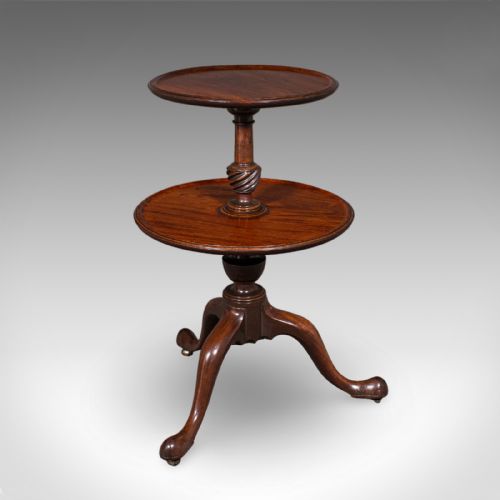


Antique Dumb Waiter Tray
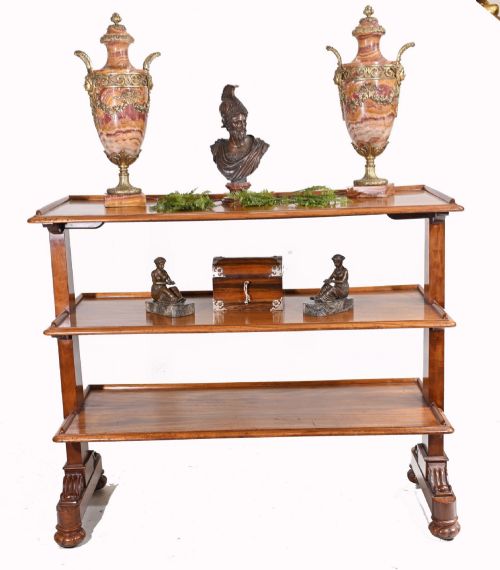
An antique dumb waiter tray serves your guests with revolving tiers of timber, offering clever tiered utility from Georgian and Regency dining rooms.
Antique Dumb Waiter Tray
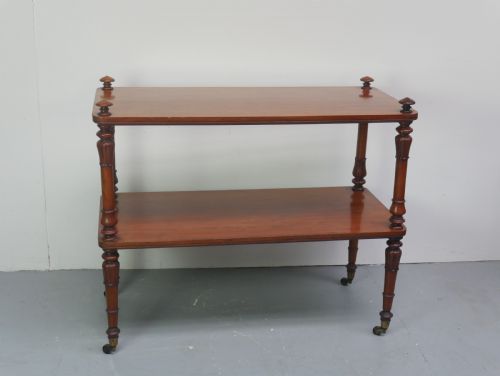
When searching for an antique dumb waiter tray, you encounter multi-tiered revolving servers and lazy susans designed to hold dishes and drinks near the dining table. The pieces on this page span the eighteenth, nineteenth and early twentieth centuries, covering Georgian, Regency and Victorian periods.
Forms range from two-tier and three-tier revolving stands on tripod bases to circular rotating lazy susans and occasional tables. Mahogany forms the backbone of these selections, alongside oak, Cuban mahogany, satinwood and brass details.
English country workshops and formal cabinet makers produced these serving pieces to ease dining room service without servants present. You will also find etageres, buffets and serving trays sharing the revolving or tiered format.
Distinguishing quality across pieces
Quality rests on the selection of timber figure, such as richly grained Cuban mahogany, and the smoothness of the revolving mechanism. Finer pieces demonstrate precise joinery on tripod legs and crisp carving on columns and tier edges.
Makers such as Gillows or Maple & Co contributed stamped signatures or superior structural refinement that elevates certain items above standard workshop output. Original brass fittings and unaltered tiers preserve the structural integrity and historical value of the piece.
Antique Dumb Waiter Tray Retail Price Guide 2026
Typical asking prices for dumb waiter tray among the pieces listed under this phrase on Sellingantiques today, from the lower quarter to the upper quarter. They describe what is for sale here now, not the wider market.
Listings feature woods including mahogany, Cuban mahogany, satinwood, oak and brass across Georgian, Regency, Victorian and Edwardian periods.
Maple and Co·Gillows
The Antique Dumb Waiter Tray Glossary
- Dumb waiter
- A multi-tiered freestanding piece of dining room furniture designed to hold food or drinks without human assistance. These revolving stands typically feature graduating circular trays on a central pillar.
- Lazy susan
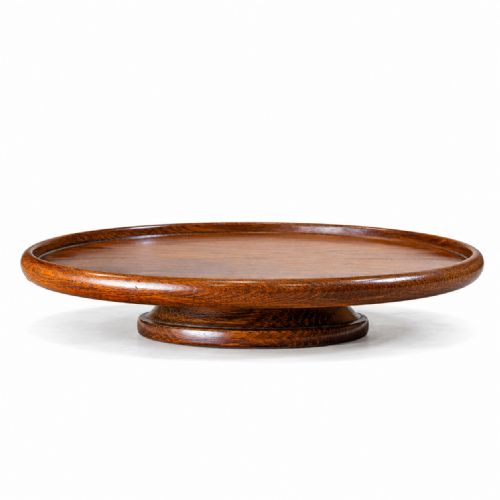
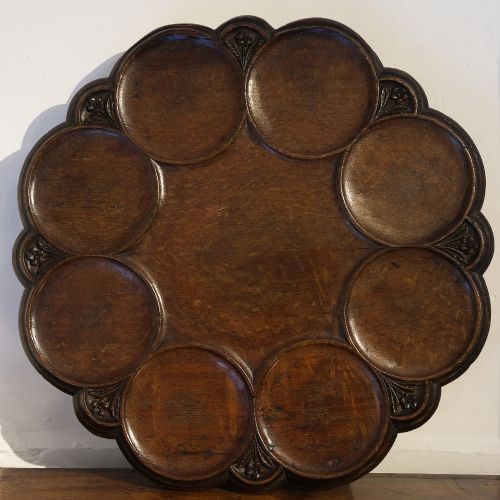
- A revolving tray placed on a table or stand to allow easy sharing of dishes. Examples in the listings include rotating wooden circles from the nineteenth and twentieth centuries.
- Etagere
- A set of open shelves for displaying small objects or serving items. These tiered stands utilise mahogany and satinwood.
- Tripod base
- A three-legged support structure used to stabilise central column tables and dumb waiters. This design keeps the piece balanced on uneven dining room floors.
- Gallery
- A raised wooden border around the edge of a tray or shelf. Galleried edges prevent glassware and serving dishes from sliding off during rotation.
Antique Dumb Waiter Tray: Frequently Asked Questions
What is an antique dumb waiter tray?
An antique dumb waiter tray is a multi-tiered revolving stand or tabletop serving unit designed to hold food, drinks or tableware. These pieces allowed diners to reach items independently during meals.
Examples span from Georgian and Regency periods through to the Edwardian era, constructed primarily in mahogany and oak.
How do you use a revolving dumb waiter?
These stands sit beside a dining table or function as centrepieces holding condiments, bottles and serving dishes. The tiers rotate on a central spindle to give guests access without passing items across the table.
They also serve as occasional tables or drinks stands in modern settings.
How do I tell a Regency dumb waiter apart from a Victorian one?
Regency pieces often exhibit clean classical lines, Cuban mahogany grain and brass paw castors dating from the early nineteenth century. Victorian versions tend to feature heavier proportions, three-tier revolving structures and occasional maker stamps.
Turned columns and tripod bases appear across both periods with subtle shifts in carving depth.
Are lazy susans and dumb waiters the same thing?
Lazy susans operate as flat revolving trays placed on surfaces, while dumb waiters are taller, multi-tiered freestanding pieces with central columns and tripod bases. Both categories share the rotating function for serving.
Historical listings apply both terms to circular rotating wooden trays from the nineteenth century.