


Traditional Suzani Wall Hanging
When you want a traditional suzani wall hanging, you are looking at richly embroidered Central Asian textiles that bring warmth and historic depth to a room.
Traditional Suzani Wall Hanging
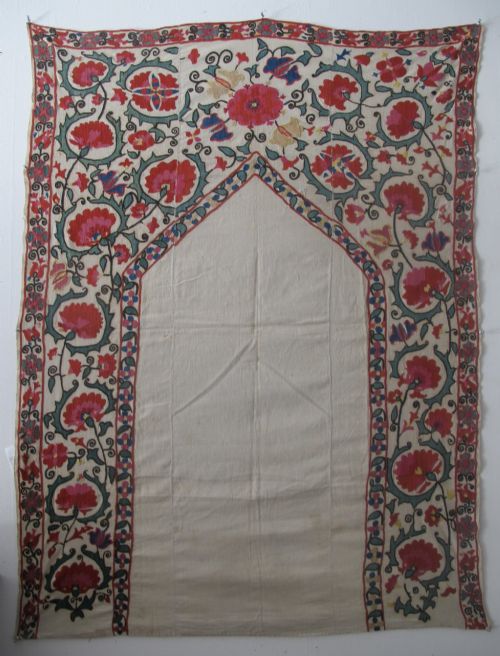
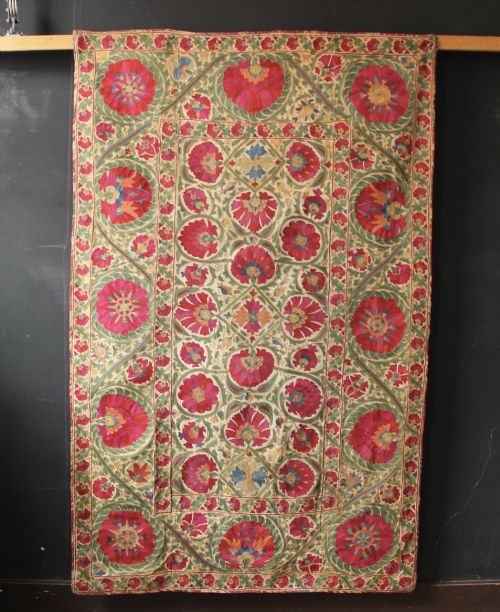
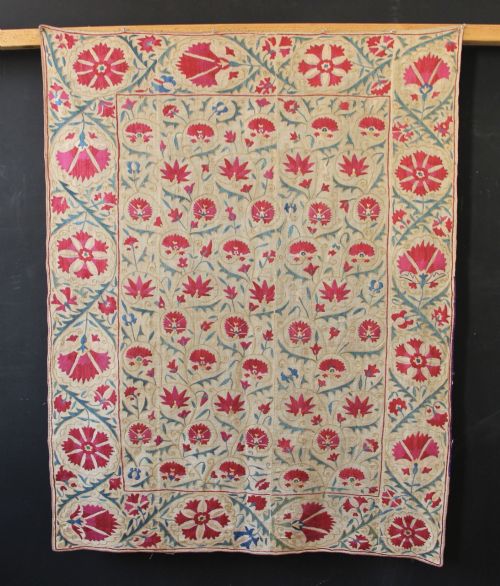
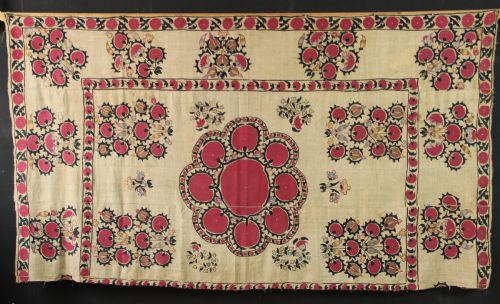
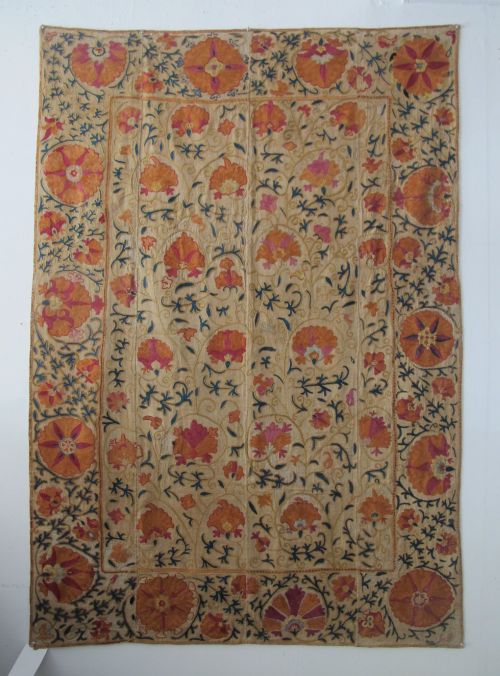
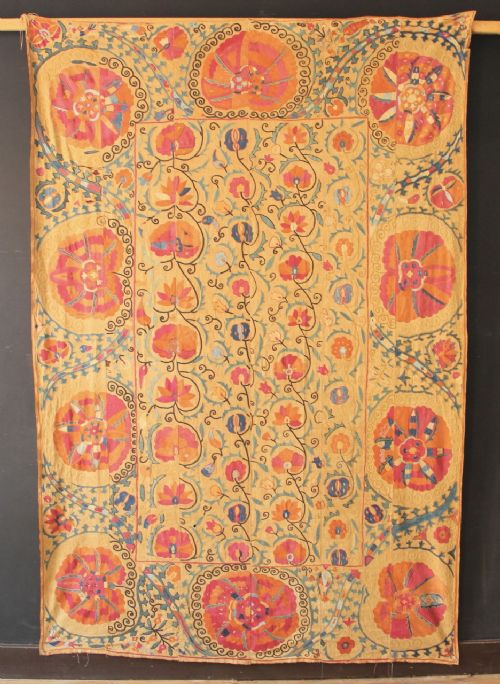
A traditional suzani wall hanging originates primarily from Uzbekistan, encompassing historic centres such as Bokhara, Nurata, Shakrisabz, and Tashkent. These decorative textiles include large medallion variants, architectural designs, and prayer formats created by regional makers.
The selections span from the early nineteenth century through to the early twentieth century, reflecting Central Asian folk art and tribal traditions. Buyers will encounter various formats, including full work pieces, smaller nim suzanis, and mirror covers.
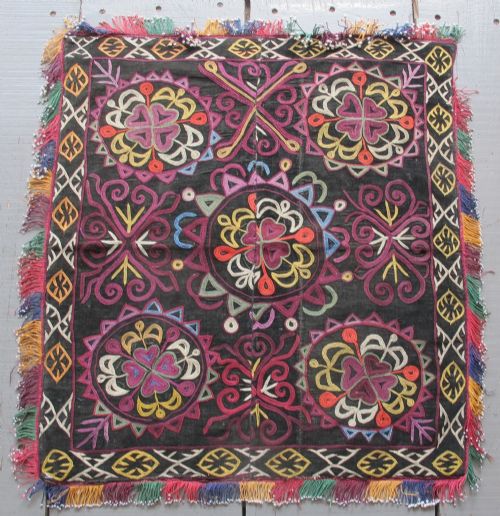
Makers utilised diverse regional formats such as the Ura Tube style, Palak designs, and torba ilgich hangings. These pieces demonstrate the rich textile heritage of Uzbek and Tajik communities across Central Asia.
How they were made
Artisans executed these textiles using silk embroidery thread applied to various foundation grounds. Common ground materials recorded in the evidence include cotton, linen, wool, and adras, which is a local silk and cotton blend.
Certain specialised pieces incorporate additional elements such as glass beads or velvet grounds. The meticulous needlework creates dense floral, geometric, and repeat patterns across the fabric surface.
Listings feature pieces spanning the nineteenth and early twentieth centuries, constructed from cotton, silk, wool, and adras grounds.
What varies in quality
The density of the embroidery work dictates the visual impact, ranging from lighter layouts to full work panels that cover the entire ground fabric. The intricacy of the motifs, such as medallion variants and architectural details, separates standard examples from finer works.
The preservation of the ground fabric and the vibrancy of the silk threads determine the overall integrity of the textile. Pieces with well-maintained cotton, wool, or adras grounds retain their structural stability and visual appeal.
The Traditional Suzani Wall Hanging Glossary
- Suzani
- An embroidered tribal textile originating from Central Asia, traditionally worked in silk on a cotton or linen ground. These pieces were often made as part of a bride's dowry.
- Nim Suzani
- A smaller version of the standard textile, translating as half suzani. These compact pieces offer versatility for interior display.
- Adras
- A traditional woven fabric composed of a silk warp and a cotton welt. It serves as a sturdy foundation ground for intricate needlework.
- Palak
- A fully embroidered style featuring dense overall patterns, often dominated by large circular sun or moon motifs. This style represents some of the most intensive needlework.
- Torba Ilgich
- A specialised hanging or bag face associated with Lakai Uzbek traditions. These items display distinct tribal design characteristics.
Traditional Suzani Wall Hanging: Frequently Asked Questions
How were traditional suzanis used originally?
These textiles served practical and decorative functions within Central Asian homes, often acting as wall hangings, bed covers, or ceremonial hangings.
Families commissioned them for important domestic events, and they frequently formed a central part of a bride's dowry.
How do I hang a textile safely?
Mounting requires careful distribution of weight across the upper edge using a fabric sleeve or specialised conservation velcro. Direct pinning should be avoided to prevent stress on the historic threads and ground fabric.
Keep the piece away from direct sunlight to protect the natural silk dyes from fading over time.
How can I identify regional styles?
Regional attribution relies on specific design traits, colour palettes, and embroidery structures associated with towns like Nurata, Shakrisabz, or Tashkent. Nurata pieces often highlight botanical themes, while Lakai works display distinct tribal geometries.
The ground fabric, whether red cotton, yellow cotton, or black cotton, also offers clues to the origin.