

Traditional Standing Light
These traditional standing light pieces span brass floor lamps and polished candlesticks, offering practical illumination with centuries of heritage.
Traditional Standing Light
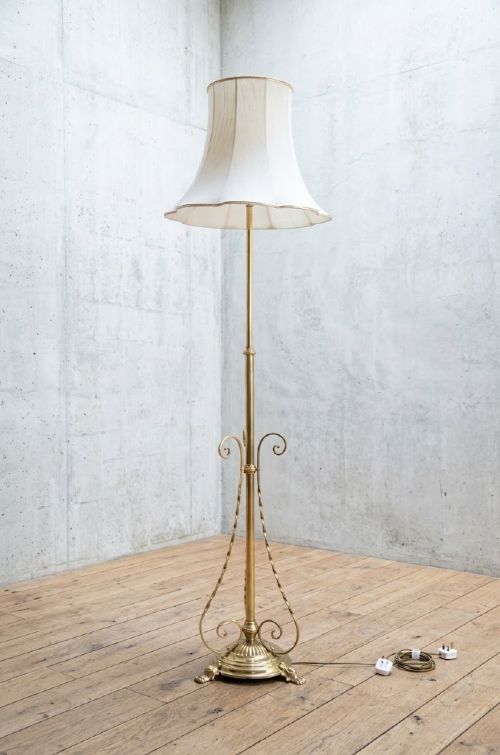
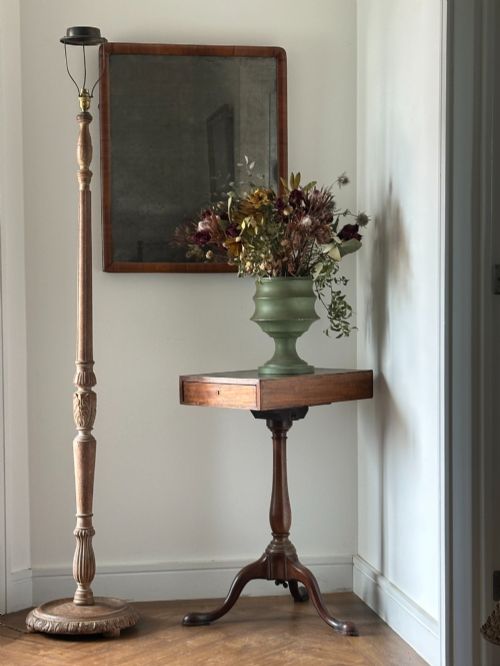
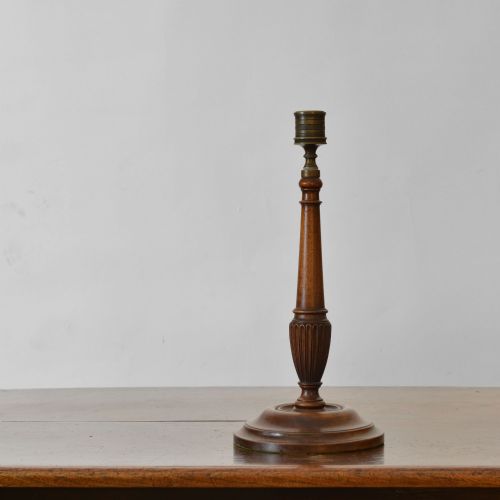
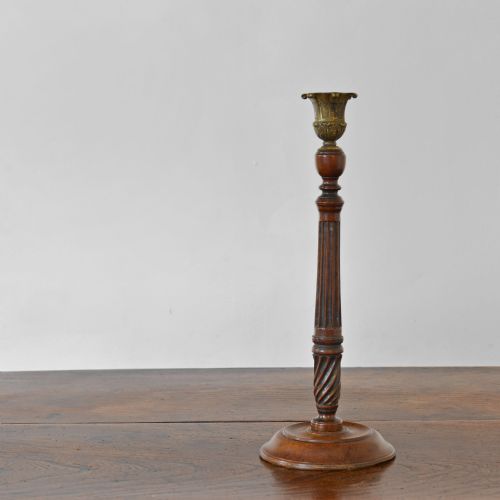
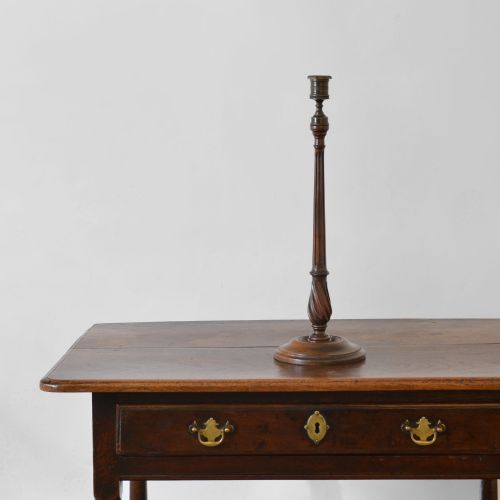
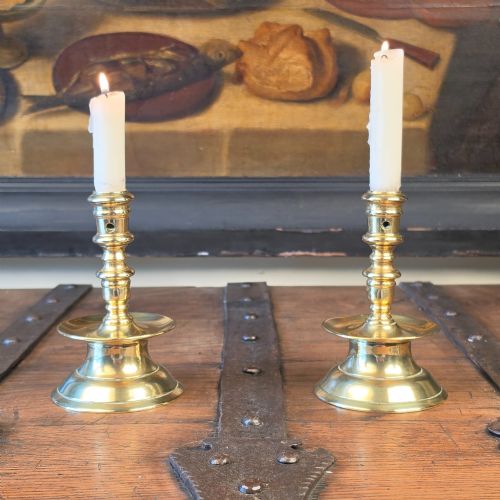
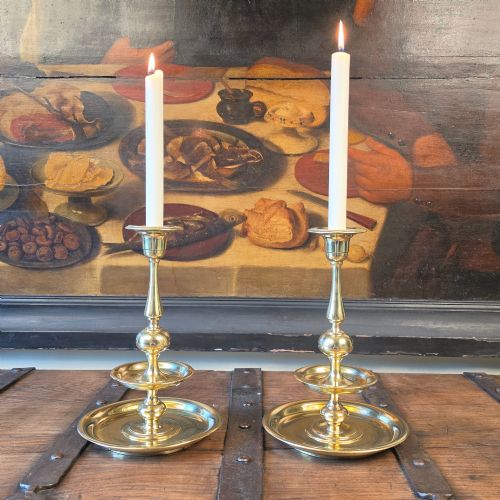
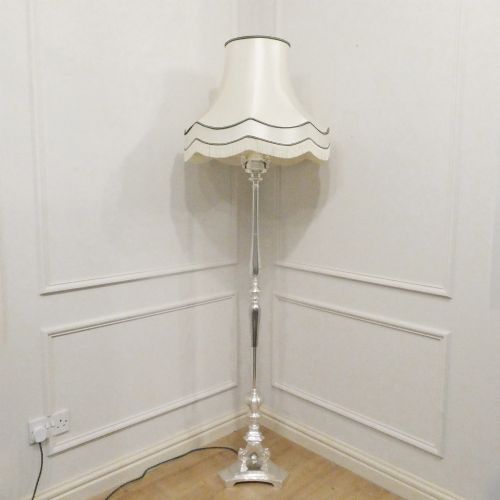
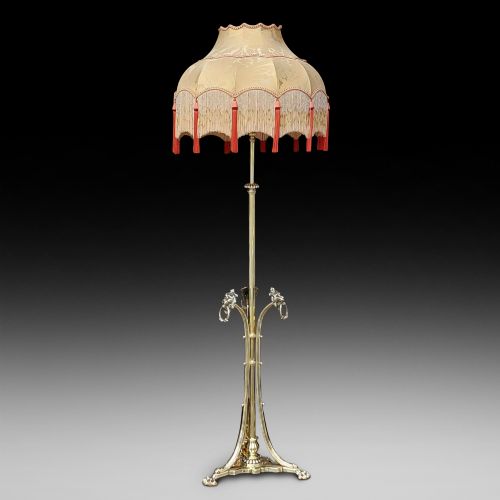
A traditional standing light covers tall floor lamps alongside smaller table candlesticks designed to elevate a flame or bulb. The selection relies heavily on brass floor models and wooden candlesticks spanning the eighteenth century through the interwar years.
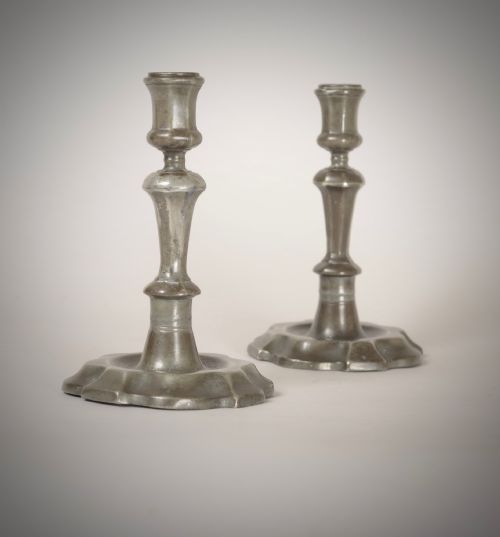
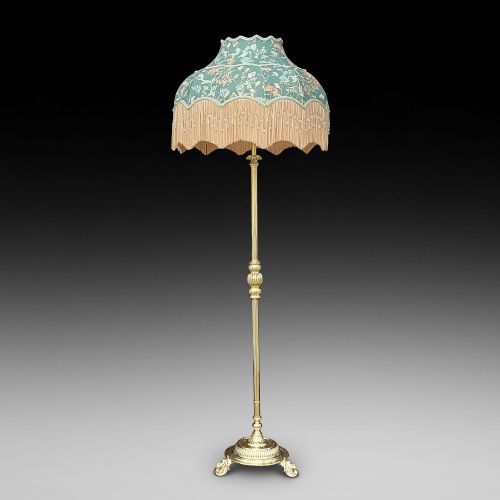
Tall standard lamps appear frequently in brass, oak, and lacquered finishes, often featuring adjustable heights or oil mechanisms adapted for electricity. Shorter brass and pewter candlesticks complement these larger pieces, representing domestic lighting from the Georgian and Victorian periods.
Materials and construction
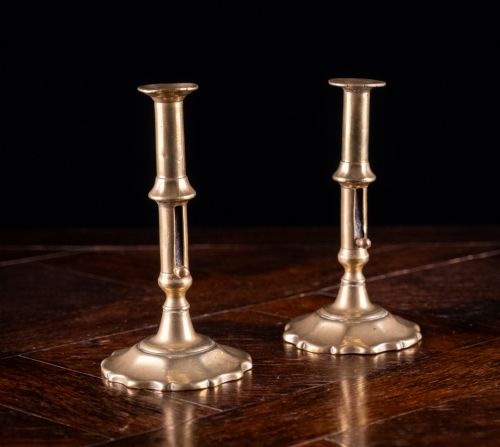
Metals dominate the construction, utilising cast and seamed brass alongside heavy pewter to create durable columns and weighted bases. Brass components often display patinated surfaces or ejector mechanisms designed to release spent wax candles.
Timber versions employ mahogany, limed oak, and decorated lacquer, frequently carved in revival styles such as Neoclassical, Adam, or Arts and Crafts. Fabric shades complete many of the later floor standing lamps from the early twentieth century.
Seamed brass ejector candlesticks hide internal push-up mechanisms so past householders could evict stubborn wax stubs without burning their fingers.
Variations in quality
Quality rests in the weight of the metal and the precision of the turning on timber shafts. Heavy, solid brass castings and well-balanced bases separate superior examples from lighter production pieces.
Refinement of detail distinguishes the range, observable in crisp cast ornament, functional height-adjustment mechanisms, and hand-applied lacquer or carved decoration rather than plain assembly.
The Traditional Standing Light Glossary
- Standard lamp
- A tall floor-standing light designed to illuminate a room from a corner or beside furniture. These items frequently incorporate adjustable brass stems or wooden columns.
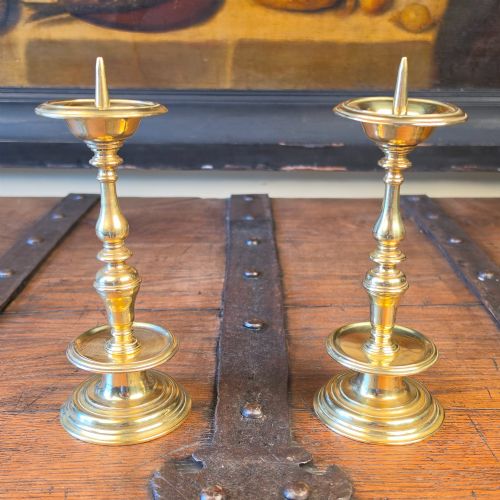
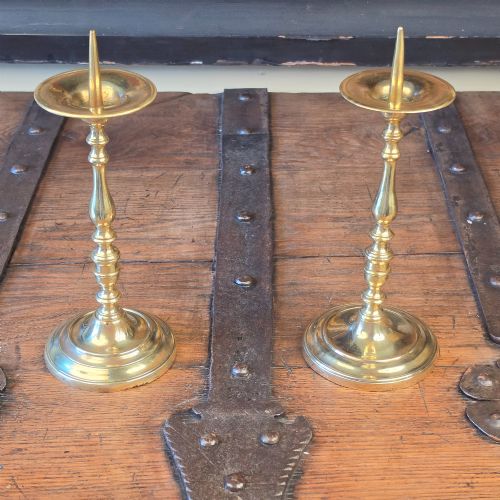
- Pricket candlestick
- A candlestick featuring a metal spike at the top rather than a socket to hold a candle. This form derives from ecclesiastical lighting traditions.
- Ejector candlestick
- A brass candlestick containing an internal mechanism to push out the remaining stub of a candle. Makers used seamed brass construction for these functional items.
- Neoclassical
- A design style drawing inspiration from classical antiquity, often seen in fluted columns and giltwood standard lamps. This aesthetic influenced makers through the Georgian and later revival periods.
- Chinoiserie
- A decorative style employing European interpretations of Chinese motifs and black lacquer. Pieces with this finish appear on standard lamps from the early twentieth century.
Traditional Standing Light: Frequently Asked Questions
What is a traditional standing light?
A traditional standing light refers to floor lamps and tall candlesticks designed to elevate illumination within a room. The forms include adjustable brass standard lamps, wooden floor lights, and heavy metal candlesticks.
These pieces originate from periods spanning the eighteenth century to the interwar decades, utilising materials like brass, oak, mahogany, and pewter.
How do I date a brass standard lamp?
Dating relies on examining the manufacturing techniques, metal composition, and stylistic revival influences present in the piece. Heavy cast brass, seamed construction, and specific mechanisms like oil conversions point towards Victorian or earlier origins.
Design details such as Arts and Crafts brackets or Neoclassical fluting help narrow the period of manufacture alongside the presence of turned timber elements.
Were these lights originally electrical?
Many taller floor lamps began as oil lamps before receiving later electrical conversions during the twentieth century. Earlier examples started purely as wooden or brass candlesticks designed for wax or tallow candles.
Floor standing lamps from the Edwardian and interwar periods more frequently incorporate electrical wiring alongside fabric shades.
How do I care for antique brass lights?
Maintaining antique brass involves dusting gently with a soft cloth to preserve the natural patina built up over centuries. Aggressive metal polishes should be avoided because they remove the aged surface character that collectors value.
Wooden components require standard timber care using appropriate wax to maintain the finish of mahogany or oak columns.