

Traditional Single Beds
Traditional single beds span iron, brass and timber frames from the nineteenth and early twentieth centuries, offering durable character for compact rooms.
Traditional Single Beds
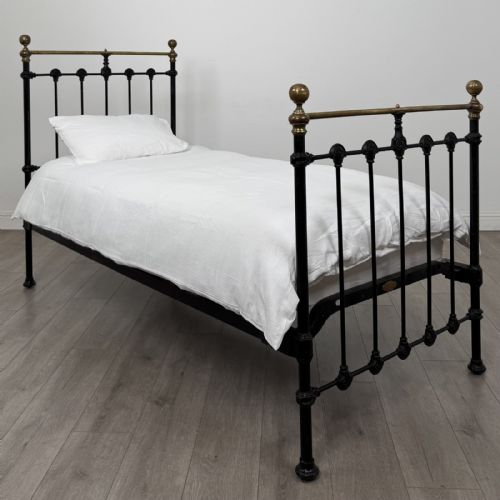
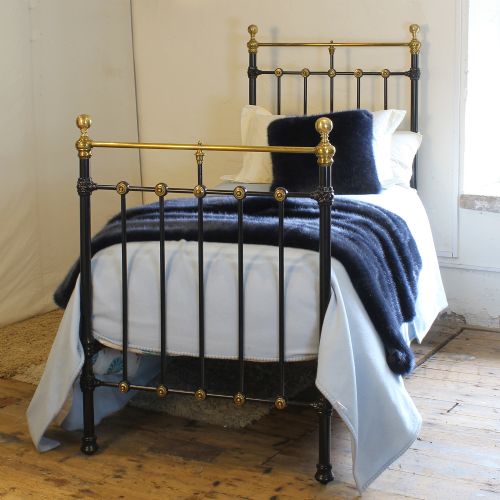
Traditional single beds arrive primarily in metal and wood formats spanning the Victorian, Edwardian and early twentieth-century eras. The listings here centre heavily on brass and iron bedsteads alongside occasional oak, walnut and mahogany framework.
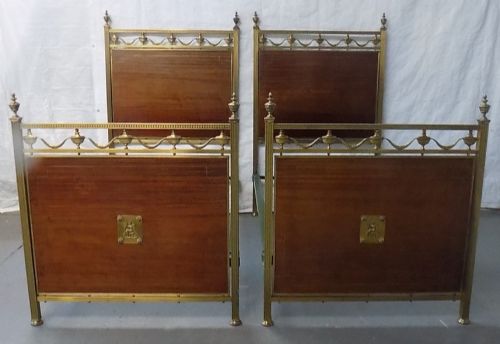
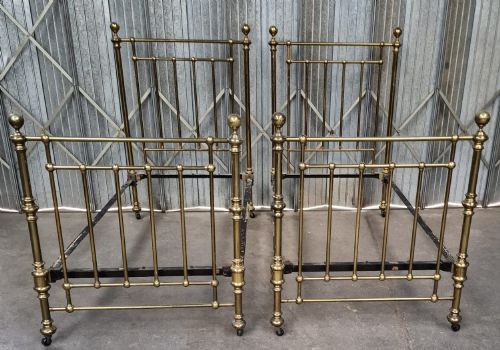
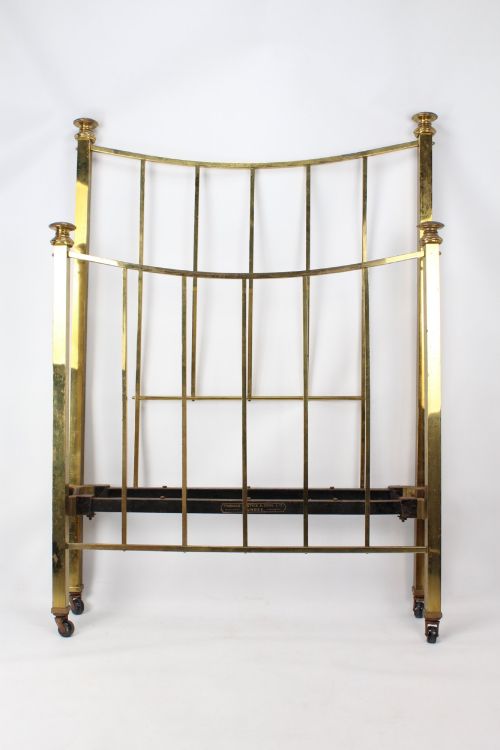
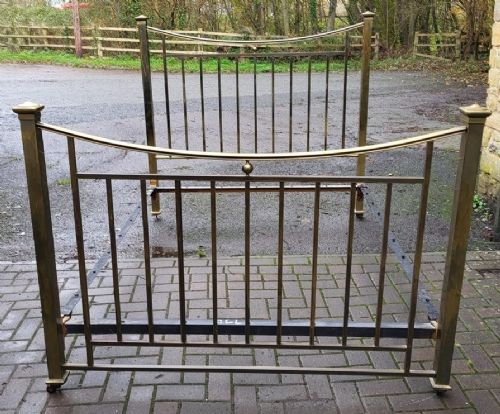
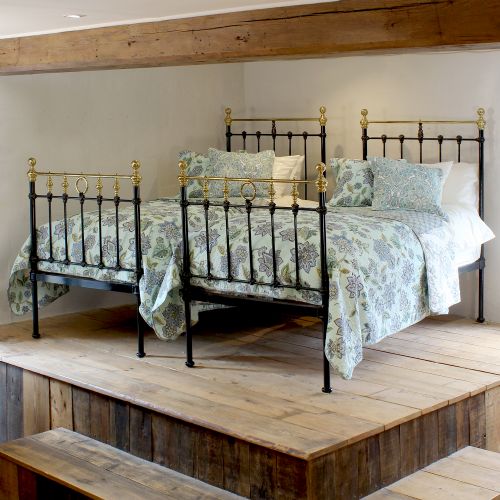
Buyers encounter single sizes, larger single dimensions and paired frames that convert or join together for flexible placement. Forms range from simple iron hospital beds to elaborate brass frames with square tubing and decorative cast rings.
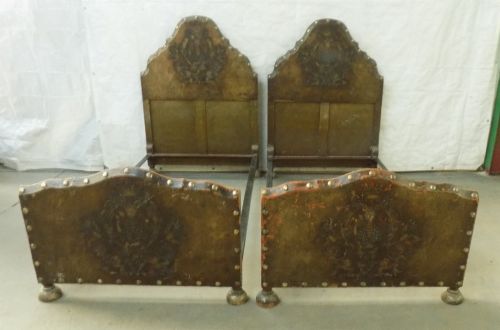
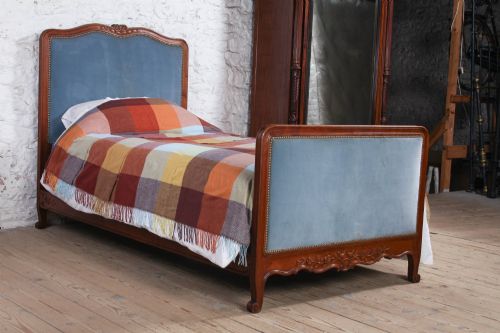
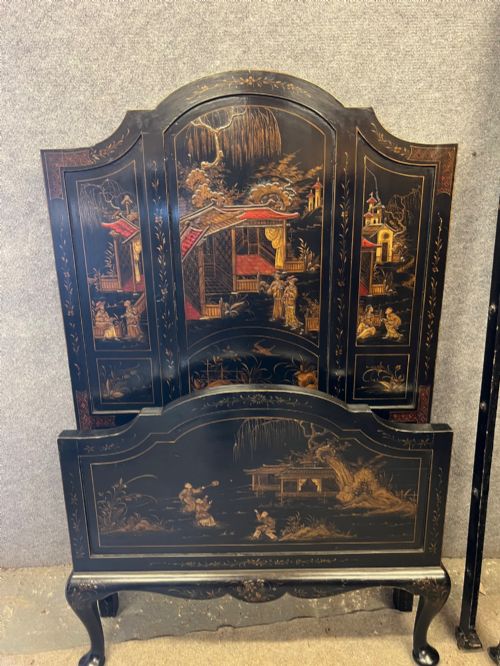
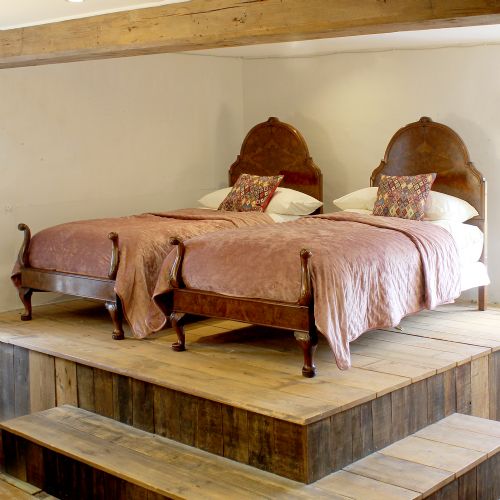
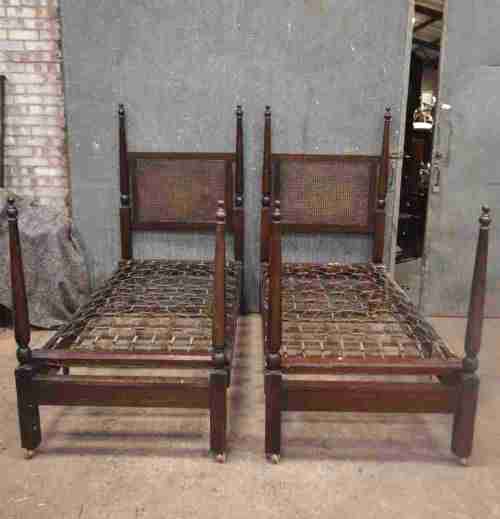
Wooden examples introduce styles such as Queen Anne, Arts and Crafts and Chinoiserie, alongside four-poster configurations and painted leather panels. Metal versions rely on robust cast iron and polished brass components built for daily utility.
Materials and Construction
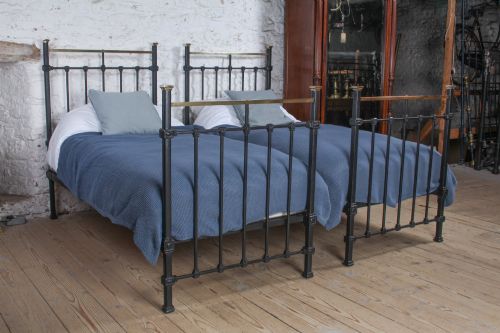
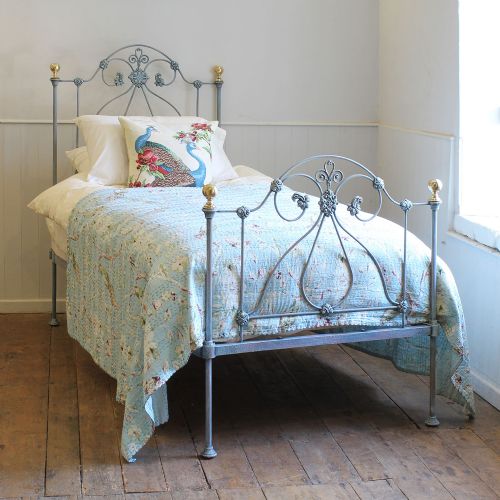
Metal frames utilise cast iron and wrought iron for structural rigidity, often combined with bright brass spindles, rails and finials. Joints employ heavy brackets and screw fixings designed to dismantle securely.
Wooden frames depend on solid timbers like oak, walnut and mahogany, utilising panelled construction, hand-carved details and cane bergere inserts. Leather panels appear hand-painted in specific stylistic revivals.
Beds utilise slatted bases or platform foundations to support modern mattresses within historical dimensions, accommodating standard modern widths where adapted.
Traditional Single Beds Retail Price Guide 2026
Typical asking prices for traditional single beds among the pieces listed under this phrase on Sellingantiques today, from the lower quarter to the upper quarter. They describe what is for sale here now, not the wider market.
Listings feature Victorian and Edwardian brass and iron beds alongside walnut and oak frames dating from eighteen seventy to nineteen thirty.
Defining Quality
Quality rests upon the integrity of the original metal castings, the weight and gauge of the brass tubing, and the crispness of any applied brass decoration or ceramic castors. Finer metal beds maintain straight vertical lines and secure dovetail or wedge joints without excessive wobble.
In timber construction, the selection of figured veneers such as burr walnut, the depth of hand-carving, and the retention of original polished surfaces dictate distinction. Lesser pieces show clumsy proportions or unsympathetic modern repairs to structural rails.
Signatures from established makers elevate a piece, as do matching pairs that retain their original compatible dimensions and corresponding hardware.
Hoskins & Sewell·Heals·R W Winfield·Shoolbred
The Traditional Single Beds Glossary
- Bedstead
- The complete framework of a bed, comprising headboard, footboard and side rails, intended to hold a mattress and base. It excludes the mattress itself.
- Bergere
- A closed-arm upholstered armchair or, in bedframes, an inset panel of woven cane work. This technique provides breathable decorative texture to wooden headboards.
- Verdigris
- A green or bluish patina formed naturally on copper, brass or bronze surfaces through atmospheric oxidation. Collectors often prize undisturbed patination over aggressive polishing.
- Four Poster
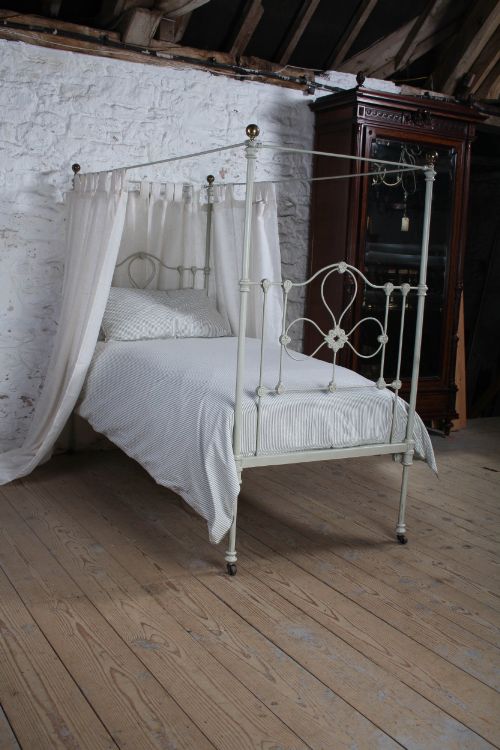
- A bed with four vertical columns supporting an upper canopy frame or simply defining monumental corner posts. Examples in these listings appear in both iron and carved timber.
- No End
- A bed design featuring a headboard but lacking a high footboard, creating an open profile suitable for smaller rooms or daybed usage.
Traditional Single Beds: Frequently Asked Questions
Can antique single beds take modern mattresses?
Most traditional single beds measure around three feet wide, aligning closely with standard modern single mattress dimensions.
However, older frames can vary by a few inches, so measuring the internal side rails before ordering a custom mattress ensures a correct fit.
How do paired iron beds join together?
Matched pairs often feature brackets or compatible side rail fixings designed to connect the two independent frames into a wider sleeping platform.
This modular approach gives flexibility to use them separately in twin guest rooms or joined together as a larger double bed.
How do I care for polished brass on old beds?
Brass components respond best to gentle dusting and occasional cleaning with a non-abrasive metal polish to maintain their brightness without stripping historical patination.
Avoid harsh chemical dips that remove the subtle warmth built up over decades of handling.
What defines an Edwardian metal bed?
Edwardian metal beds typically showcase lighter proportions than their Victorian predecessors, frequently incorporating square brass tubing and geometric finials.
They reflect a shift toward cleaner lines while maintaining durable cast iron and brass construction methods.