



Traditional Rosewood Furniture
Traditional rosewood furniture brings dense grain and deep colour into a room through centuries of English and Chinese craftsmanship.
Traditional Rosewood Furniture
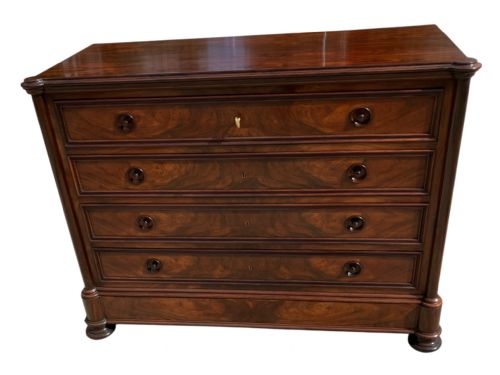
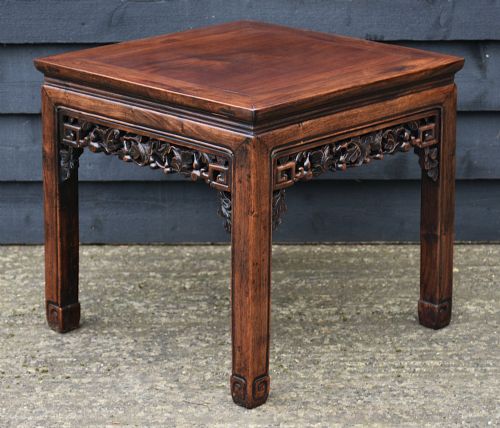
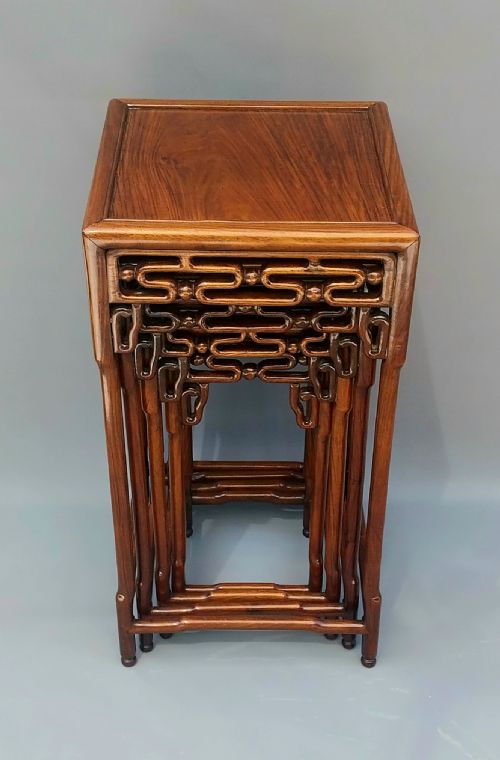
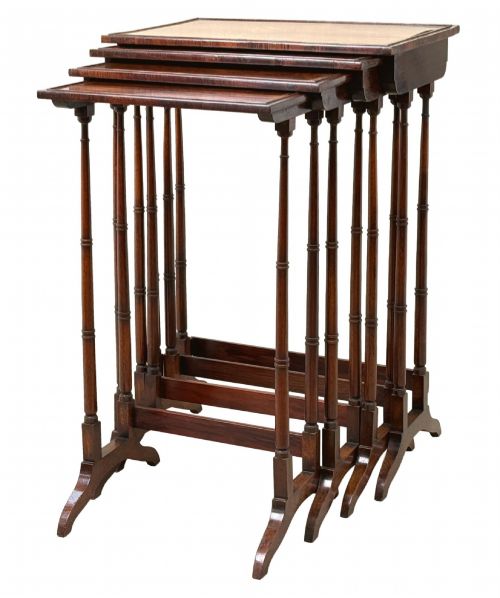
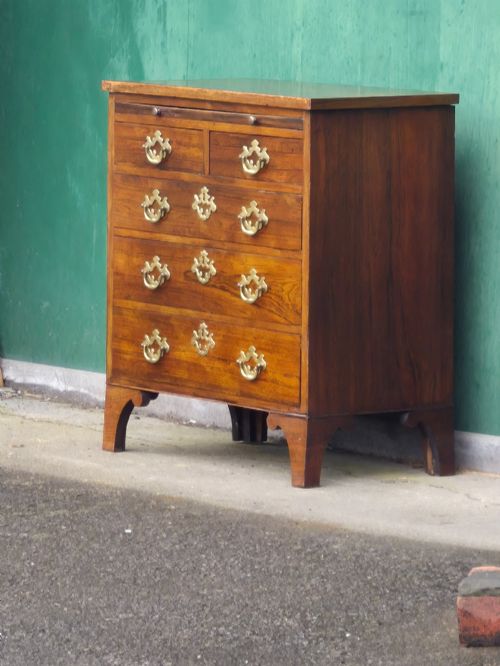
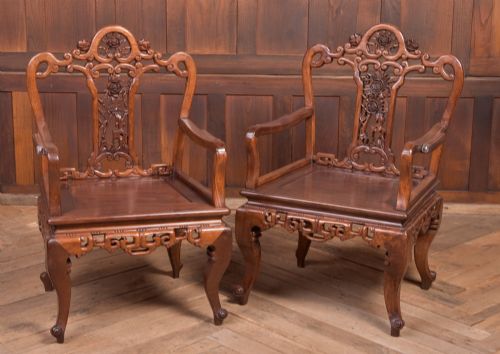
The assortment on this page leans heavily toward nineteenth-century items alongside Chinese Qing dynasty forms such as nests of tables, scroll-end kang tables, and throne chairs. English Victorian dining chairs, canterburys, and small chests sit alongside these carved hardwood items.
Forms range from intimate side tables and stools to large double beds, settees, and multi-piece dining suites. The inventory connects domestic utility with formal display, uniting Western domestic habits with Eastern joinery.
Materials and construction
Makers utilised solid rosewood, hongmu, and related hardwoods, often selected for heavy weight and dense natural figuring. Timber selection dictated the structural stability required for load-bearing furniture like benches and dining chairs.
Joinery techniques combined traditional frame-and-panel construction with precise mortise-and-tenon joints, visible in Chinese scholarly tables and English cabinetwork alike. Polished surfaces emphasised the natural grain of the wood without heavy surface pigments.
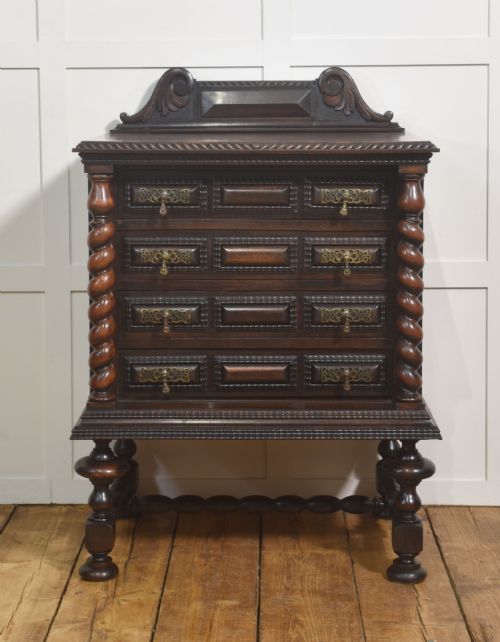
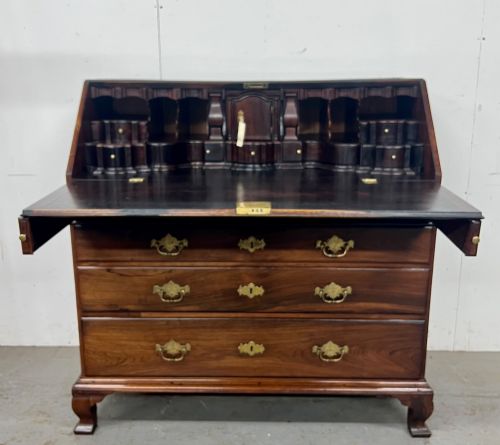
Secondary elements incorporated brass fittings on writing desks and storage chests, alongside textile and velvet upholstery fixed to chairs, sofas, and stools. Inlaid elements added contrasting decorative detail to select cabinets and suites.
Opium tables once meant for resting tea sets now hold morning coffee cups in modern living rooms.
Judging quality
Quality rests upon the crispness of carved detail and the integrity of the timber joints, distinguishing workshop production from mass fabrication. Carved scroll-ends, pierced aprons, and turned legs reveal the hand of the artisan in both English Regency and Chinese Qing pieces.
The matching of wood grain across tabletops, nests of tables, and sets of dining chairs indicates deliberate material selection by the maker. Uniformity in colour and the preservation of polished hardwood surfaces maintain visual harmony across multi-piece suites and matching chair sets.
The Traditional Rosewood Furniture Glossary
- Hongmu
- A traditional Chinese term translating to red wood, denoting dense tropical hardwoods including various species of rosewood used in formal furniture.
- Canterbury
- A low wooden stand fitted with upright partitions for holding sheet music, newspapers, or magazines, often mounted on castors with a single drawer below.
- Torchere
- A tall, slender stand designed to elevate a lamp, candle, or decorative object, frequently featuring carved tripod or pedestal bases.
- Quartetto
- A matched set of four occasional tables designed to nest neatly beneath one another when not in use.
- Kang table
- A low rectangular platform table originating in China, traditionally placed upon a heated brick sleeping platform for serving tea or writing.
Traditional Rosewood Furniture: Frequently Asked Questions
How do I style a rosewood nest of tables?
Place a quartetto nest beside an armchair or sofa where the individual surfaces can be separated for serving drinks or displaying objects. Their graduating sizes allow them to sit compactly together when floor space is limited.
Allow the polished grain to contrast against neutral walls or textured fabrics. The dark timber anchors lighter interior colour schemes without overwhelming smaller rooms.
Where should I place a low table?
Position a low nineteenth-century table in the centre of a seating arrangement to serve as a focal point for books and decorative items. Their modest height suits placement in front of low settees and upholstered chairs.
Keep the timber away from direct heat sources and strong sunlight to protect the polished surface. Regular placement in ambient light lets the rich tones of the hardwood develop naturally.
How do I care for polished hardwood?
Dust surfaces regularly with a soft, dry cloth to prevent microscopic particle accumulation on the polish. Avoid synthetic sprays and harsh chemical cleaners that can degrade the traditional finish over time.
Maintain consistent indoor humidity levels to prevent the dense timber from expanding or contracting excessively. Treat the wood with natural waxes sparingly when the surface appears dry.
What is a cantabury used for?
Utilise these compartmentalised stands beside a desk or seating area to hold journals, papers, and reading materials upright. The vertical divisions keep documents organised and accessible within domestic spaces.
Many examples include a small drawer at the base for storing smaller writing accessories or loose items. Their compact footprint makes them practical additions to studies and living rooms.