
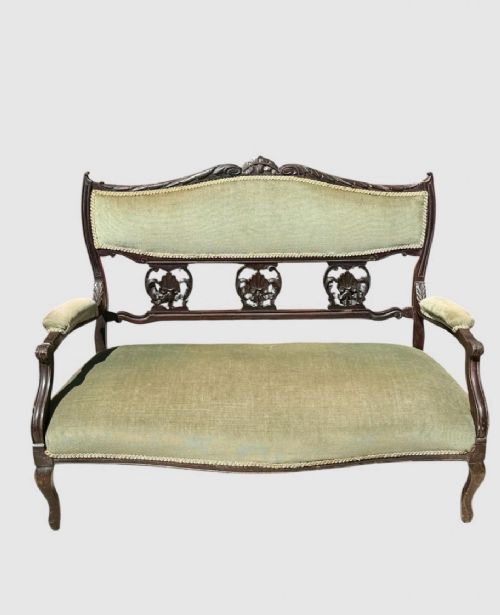


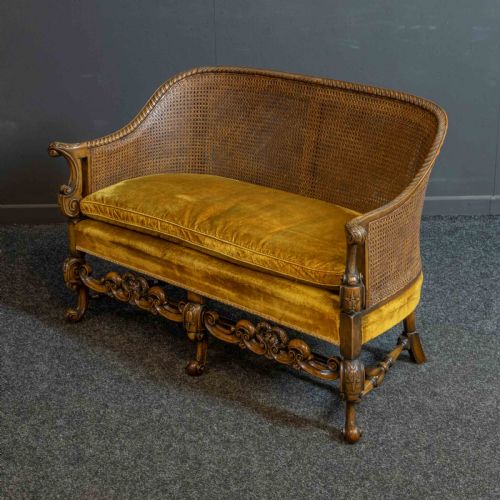

Double Chairback Sofa
A double chairback sofa brings together two distinct backrests in one seat, offering substantial historic presence and comfortable everyday seating.

Double Chairback Sofa
A double chairback sofa presents a unified seating frame where the backrest mirrors the design of two joined individual chairs. Buyers searching for a double chairback sofa encounter examples spanning the eighteenth century through the Edwardian period and the early twentieth century.
The selections recorded here include Victorian mahogany and walnut pieces, alongside earlier stylistic revivals such as George II, Queen Anne, and William and Mary interpretations. These items function primarily as settees, sofas, and window seats within domestic interiors.
Materials and construction
Cabinetmakers constructed the frames of these seats using dense timbers like mahogany, walnut, and rosewood, frequently incorporating carved, turned, or inlaid details. Frames often display elaborate woodwork alongside visible structural joinery typical of their respective periods.
Upholstery techniques applied to these pieces utilise traditional fabrics including velvet, damask, and standard textile coverings secured over padded seats. Brass elements sometimes appear as decorative or functional components within the construction.
Some Victorian frames doubled as window seats, offering a double view while catching a draught.
Assessing quality and execution
Quality in these seats rests upon the crispness of the timber carving and the architectural proportion of the twin backrests. Superior examples exhibit refined joinery and well-balanced frames that maintain structural integrity without excessive reinforcement.
The choice of primary timber and the sophistication of period revival styles dictate the standing of an individual piece. Finer items demonstrate careful selection of figured veneers or solid woods paired with high-grade upholstery finishes.
The Double Chairback Sofa Glossary
- Chairback settee
- A seating form featuring a backrest constructed to resemble two or more individual chair backs joined side by side. This design creates a continuous bench while retaining distinct vertical divisions.
- Revival style
- A design movement that imitates the aesthetic characteristics of an earlier historical era. Examples include Queen Anne, George II, and William and Mary revivals.
- Upholstery
- The padded and covered components of a seat that provide physical comfort. Materials span velvet, damask fabric, and standard woven textiles.
- Inlay
- A decorative technique where contrasting pieces of wood or other materials are inserted into depressions within the primary timber surface to create patterns.
Double Chairback Sofa: Frequently Asked Questions
What is a double chairback sofa?
A double chairback sofa is a seating form where the backrest is visually divided into two distinct chair-like sections above a single long seat base. These pieces combine the open aesthetic of individual chairs with the capacity of a settee.
They were traditionally used in parlours, drawing rooms, and large hallways as both decorative furniture and functional seating. Their design allows them to sit comfortably against walls or beneath windows.
How do I date these sofas?
Dating relies on examining the timber species, secondary woods, construction methods, and stylistic revival cues present in the frame. Victorian, Edwardian, and eighteenth-century examples each carry distinct proportions and decorative vocabulary.
Comparing the carved details and turning styles against known period benchmarks helps establish the likely decade of manufacture. Revival pieces often blend historical motifs with the manufacturing tolerances of their actual creation era.
Where should I place one?
These settees suit living rooms, large hallways, and bedrooms where their distinctive backrest design can be viewed without obstruction. Window seats and smaller versions also function effectively in transitional spaces.
Ensure the room has sufficient clearance to display the profile of the twin backrests fully. Pairing them with complementary period tables enhances their historic character.
How do I care for the upholstery?
Care involves regular gentle dusting and protection from direct sunlight to prevent fabric fading and timber drying. Velvet and damask textiles require specialised cleaning methods suited to their pile and weave.
Maintaining stable indoor humidity levels protects both the wooden frames and the internal stuffing materials from degradation. Professional conservation advice is recommended for historic fabric interventions.