
Traditional Red Wool Rug
A traditional red wool rug anchors a room with saturated warmth, bringing decades of woven heritage from Persian, Caucasian, and Anatolian workshops.
Traditional Red Wool Rug
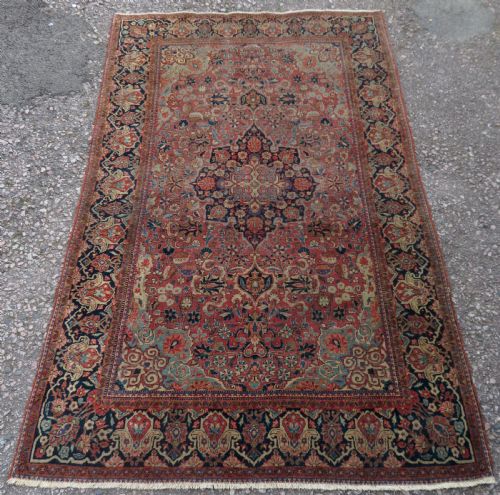
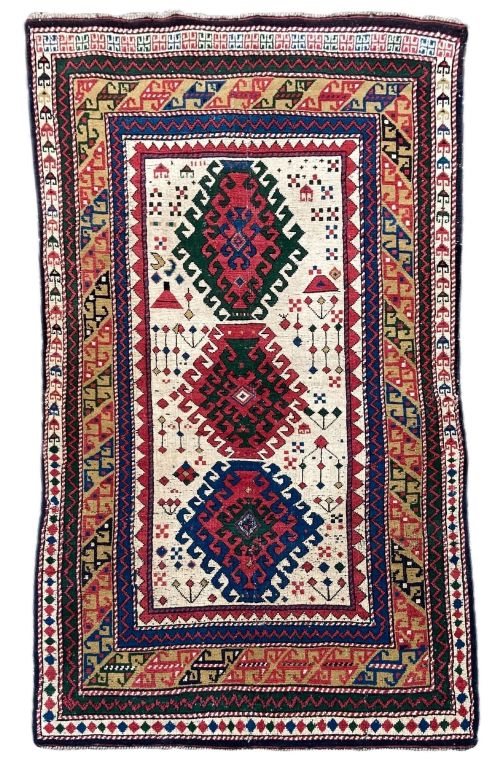
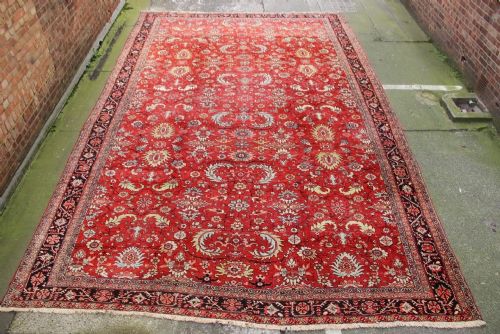
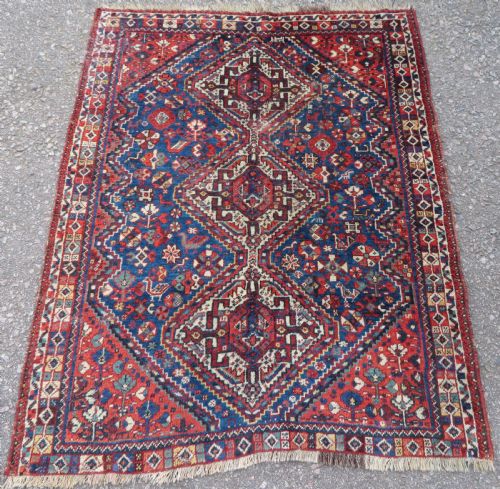
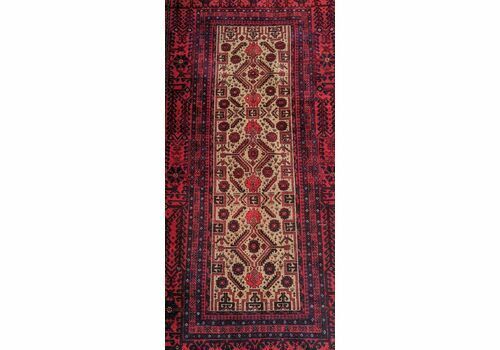
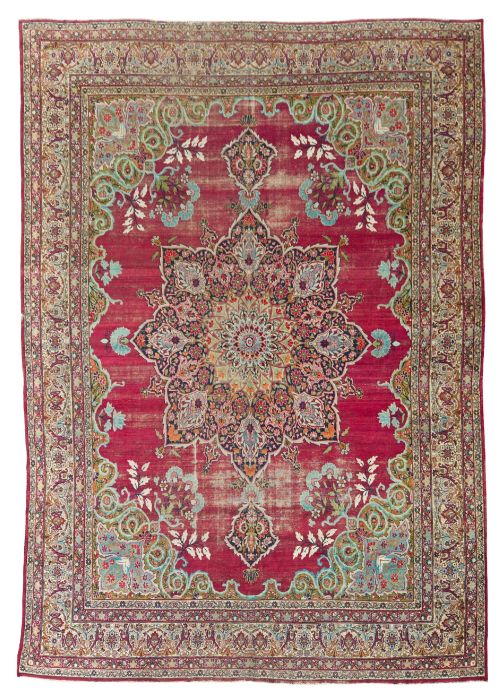
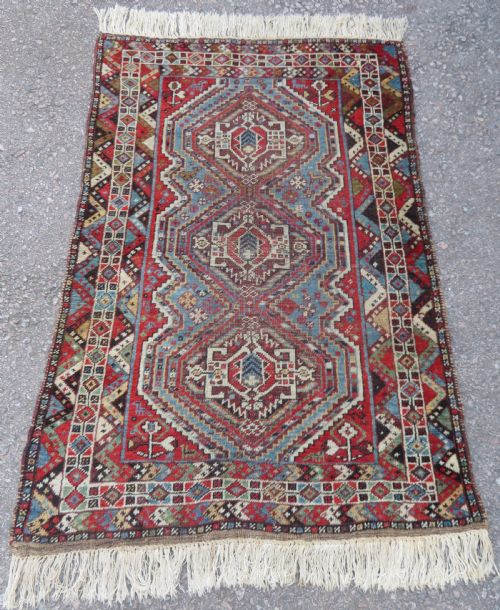
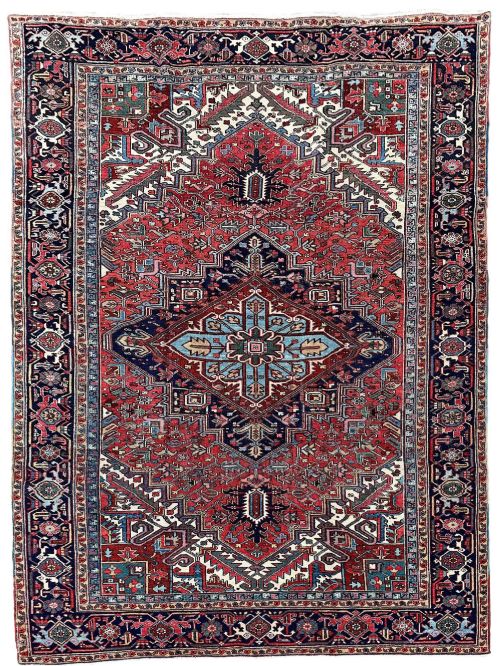
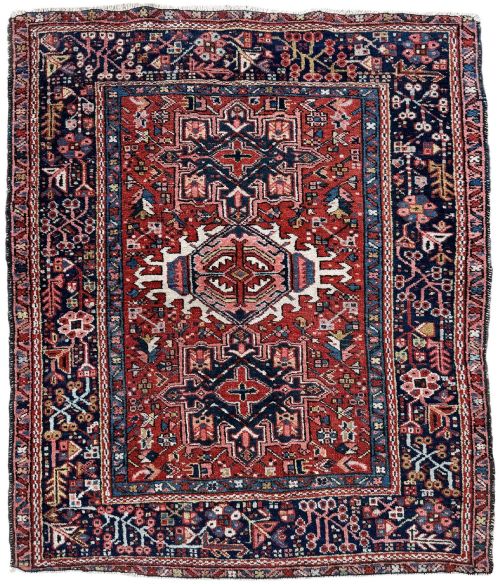
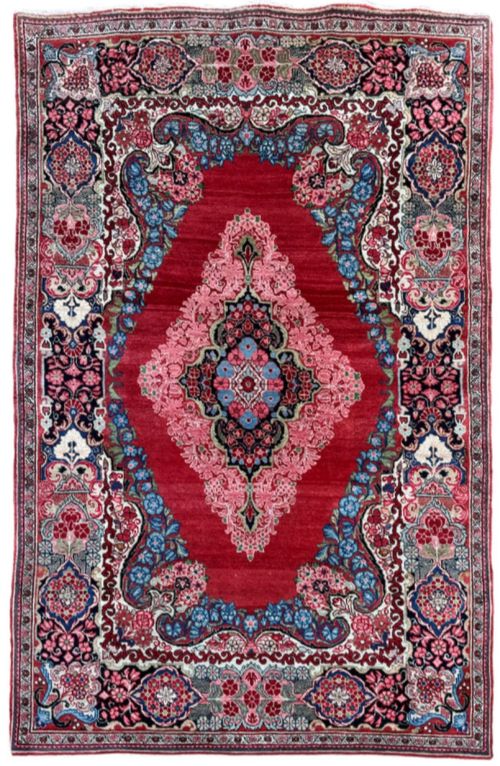
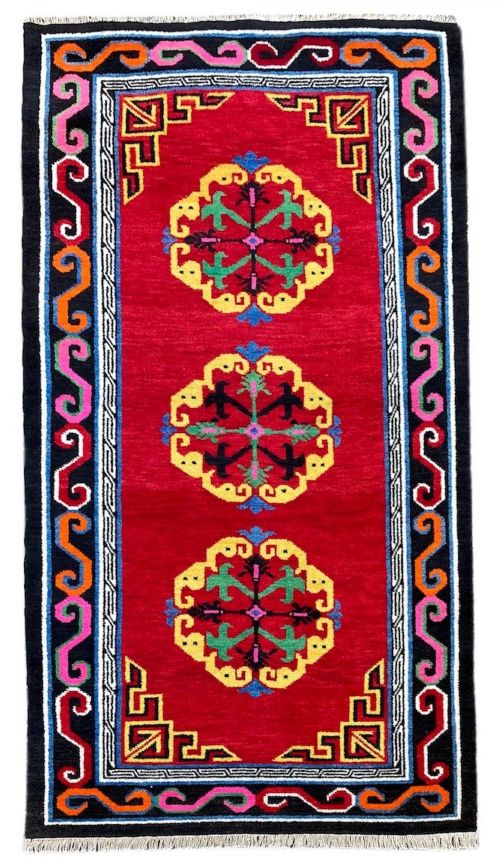
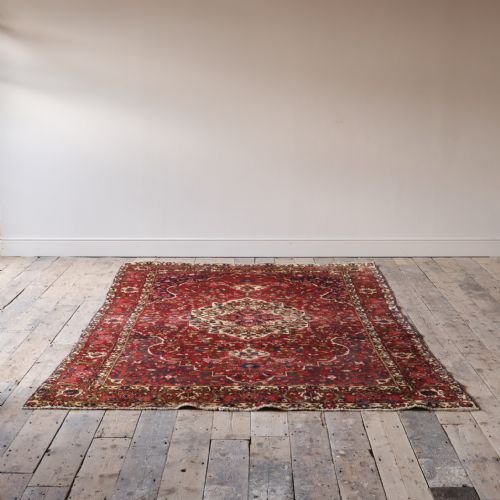
A traditional red wool rug encompasses hand-woven carpets, runners, and prayer rugs originating from historic weaving centres across Persia, the Caucasus, Anatolia, and Turkmenistan. Buyers seeking this style encounter pieces dating from the nineteenth century through the early decades of the twentieth century, including village and tribal formations.
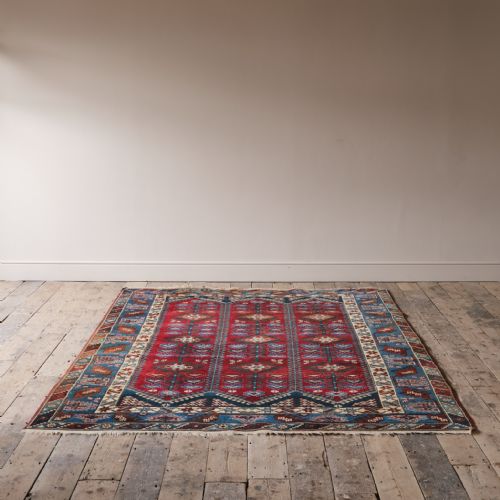
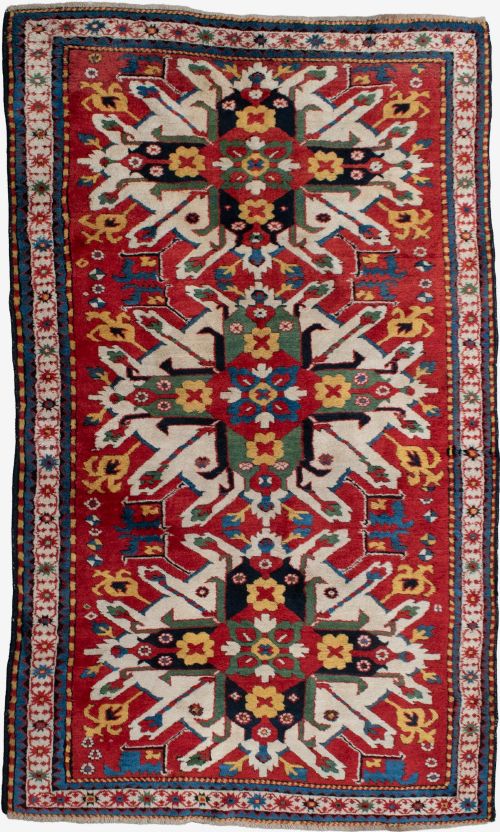
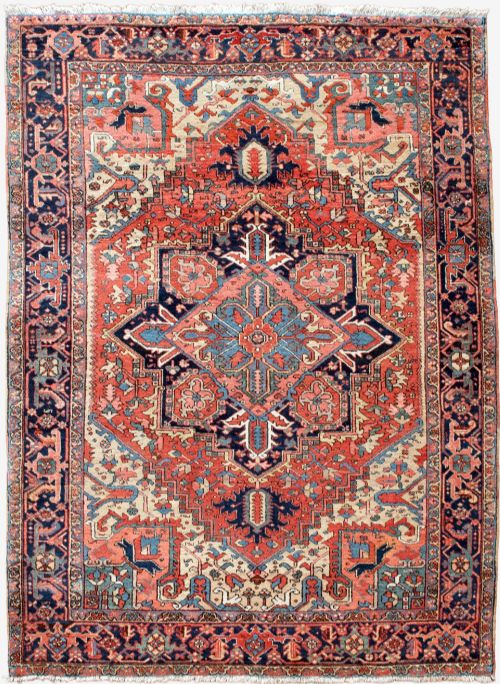
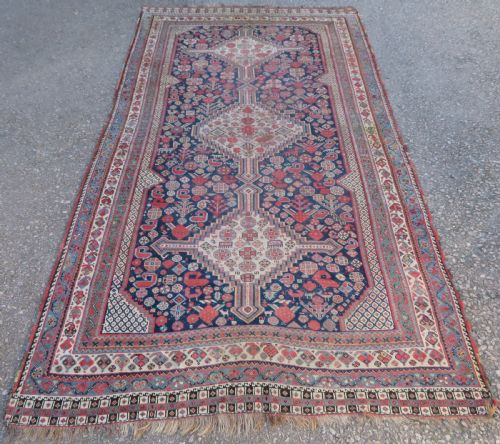
The most common formats found in this selection are room-sized carpets and smaller area rugs displaying tribal medallions, geometric motifs, or curvilinear floral layouts. Regional varieties such as Heriz, Kazak, Tabriz, and Afshar represent the dominant aesthetic traditions encountered here.
Materials and Construction
Weavers constructed these textiles primarily using wool and hand-spun wool foundations, occasionally incorporating cotton foundations or supplementary silk highlights to accentuate specific design elements. Natural dyes provided the characteristic rich red ground colours, ranging from deep madder tones to bright rust hues.
Nomadic and village workshops utilised traditional knotting techniques on vertical or horizontal looms, producing dense pile surfaces designed to withstand generations of daily use. Soumak weave variations and flat-woven kilim structures also appear among the Caucasian and Anatolian pieces.
The listings on this site feature wool, cotton, and silk materials spanning periods from the early nineteenth century through the 1930s.
Factors of Quality
Quality separates along the precision of the knotting, the complexity of the design geometry, and the depth of the palette derived from natural dyes. Tighter pile density and finer wool preparation distinguish master workshop carpets from simpler village productions.
The integrity of the original borders, uniform pile retention across the field, and symmetry in regional motifs dictate the standing of an individual rug within its specific stylistic group.
The Traditional Red Wool Rug Glossary
- Mihrab
- A niche design element found predominantly on prayer rugs, indicating the direction of prayer. This architectural arch motif is a defining feature in Caucasian and Anatolian examples.
- Soumak
- A flat-weaving technique where the coloured weft threads are wrapped around the warp threads in a herringbone pattern. This method creates a durable, non-pile textile structure.
- Medallion
- A central ornamental design motif placed in the middle of the rug field. Regional variations dictate whether this shape appears as a sharp geometric polygon or a curved floral medallion.
- Pile
- The vertical or diagonal cut loops of wool that form the usable surface of the rug. Density and staple length of this wool layer determine the physical weight and resilience.
- Warp
- The vertical foundation threads running the length of the rug onto which knots are tied. Cotton and wool are the standard materials used for this structural grid.
Traditional Red Wool Rug: Frequently Asked Questions
How do I clean an antique wool rug?
Gentle surface vacuuming without a beater bar removes loose grit from the wool pile. Professional specialist cleaning remains essential for addressing deeper soil embedded within the natural foundation.
Water saturation and household detergents damage natural dyes and wool fibres. Specialist conservators use controlled washing methods suited to vegetable-dyed antique textiles.
Can I place these rugs in high traffic areas?
Traditional wool carpets possess high durability due to the natural lanolin content present in hand-spun wool fibres. Hallways and living spaces accommodate these textiles effectively when paired with a breathable underlay.
Placing a quality underpad underneath prevents slippage and reduces friction against hard flooring. This simple addition extends the working life of the pile significantly.
How do I identify a regional weaving style?
Examining the specific geometry, border patterns, and colour palette reveals the probable origin of a rug. Heriz pieces often show bold geometric medallions, whereas Tabriz carpets favour intricate curvilinear florals.
Tribal pieces from the Caucasus and Turkmenistan rely on repeated guls, crosses, and stark primary colours. Comparing knot direction and fringe finishing confirms these regional attributions.
What indicates a natural dye palette?
Natural dyes exhibit subtle tonal variations known as abrash, where the colour shifts gently across the field due to variable batch dyeing of the wool. These organic hues mature gracefully over decades.
Synthetic aniline dyes introduced in the late nineteenth century tend to appear uniform and can react aggressively to light or washing. Vegetable dyes retain a harmonious, muted brilliance as the wool ages.
How do prayer rugs differ from standard carpets?
Prayer rugs feature a distinct architectural niche motif called a mihrab at one end, historically oriented toward Mecca during daily devotions. Their smaller dimensions suited individual portable use.
Standard carpets and runners display overall repeating field designs intended to cover larger floor surfaces. The compact format of prayer rugs makes them well-suited for hanging or compact display spaces.