



Traditional Red Area Rug
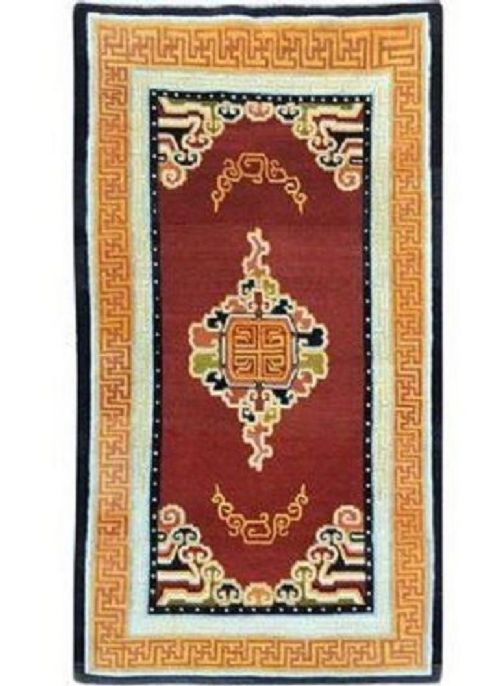
A traditional red area rug grounds a room with deep madder tones, geometric motifs, and centuries of regional weaving heritage.

Traditional Red Area Rug
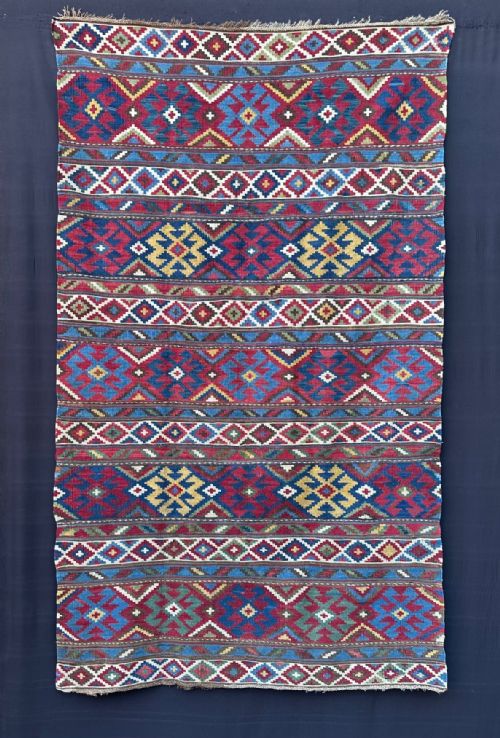
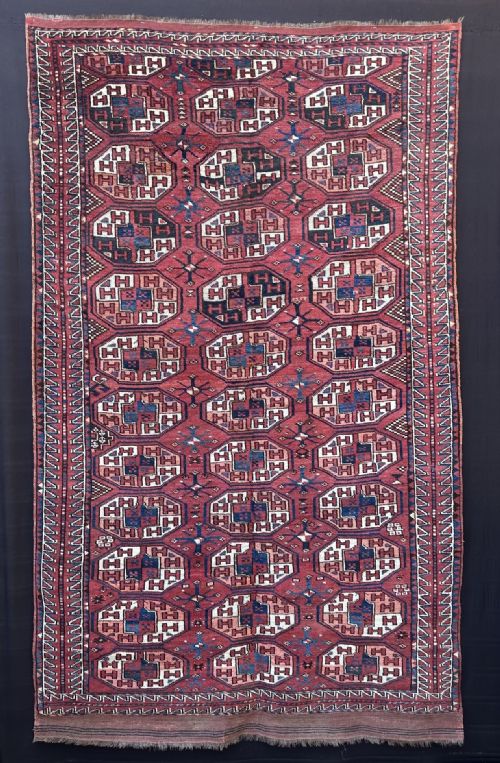
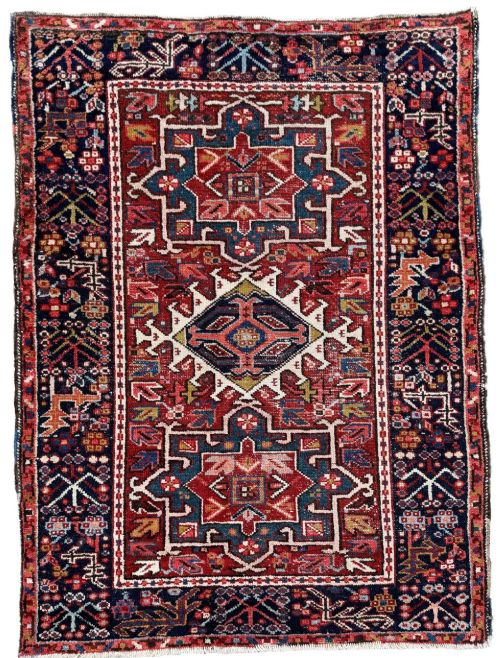
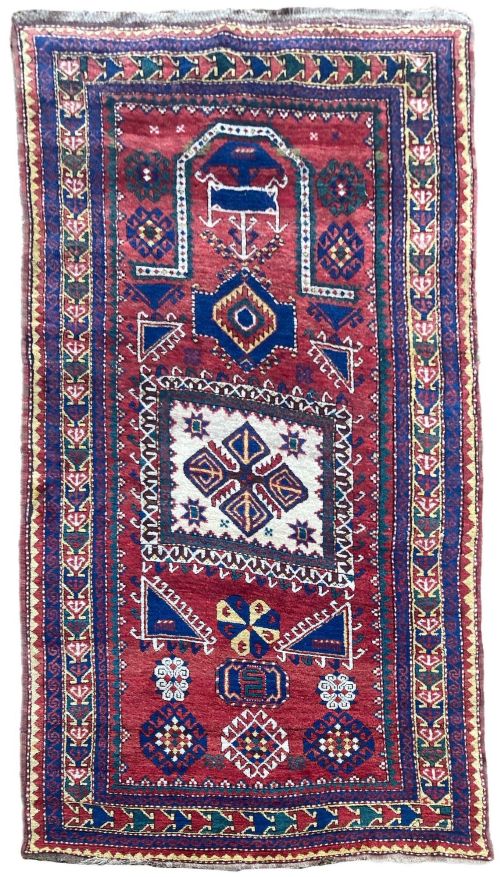
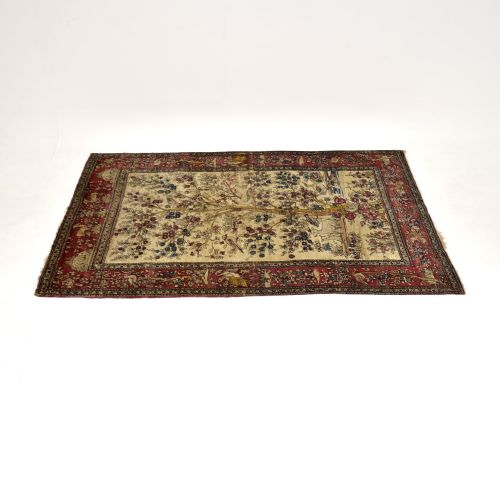
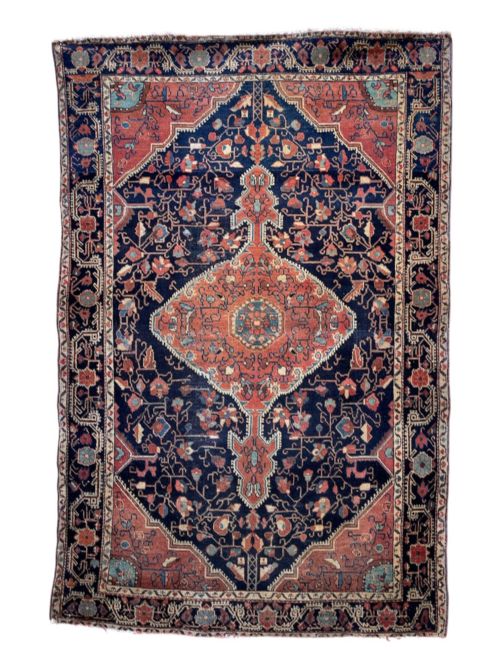
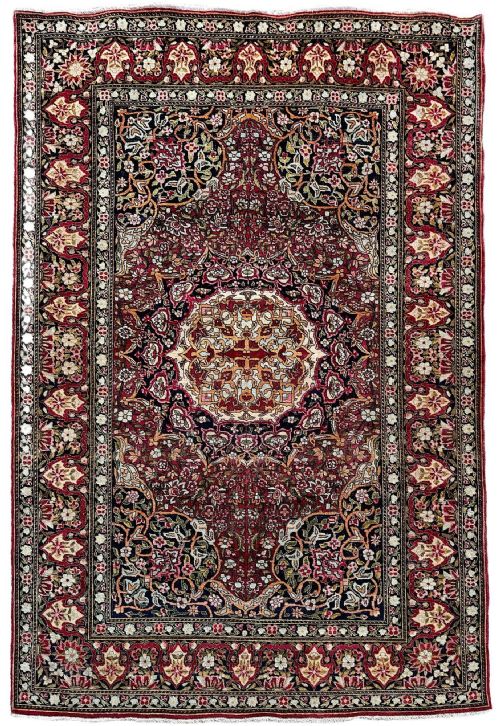
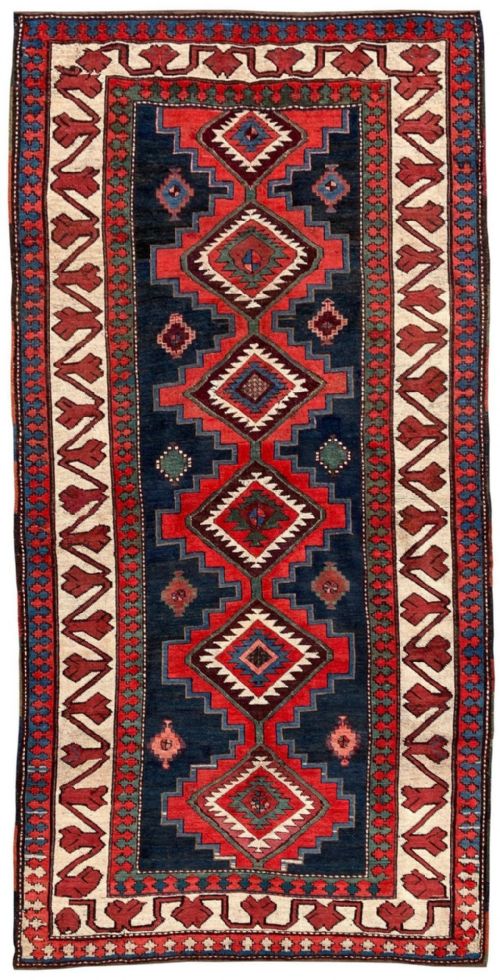
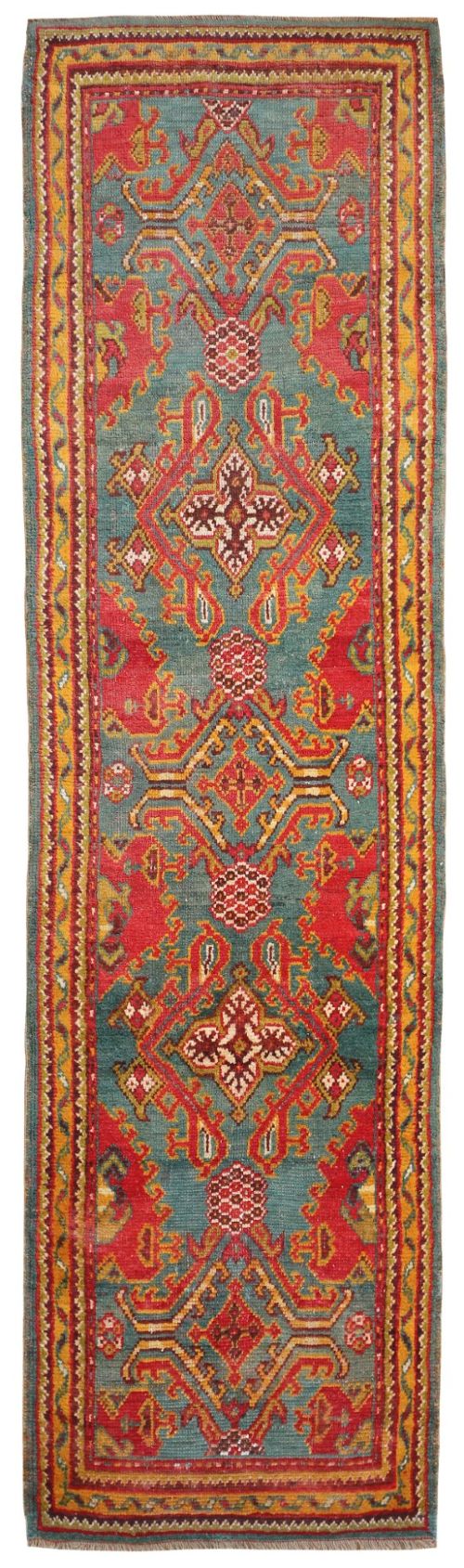
A traditional red area rug brings character through rich crimson and rust grounds woven across Persian, Caucasian, and Turkmen workshops. These pieces range from large carpets to compact village prayer rugs and runners.
The most common formats on this page include room-sized Persian carpets alongside smaller village and tribal weaves from the nineteenth and early twentieth centuries.
How they were made
Weavers utilised natural dyes derived from plants and insects, imparting variable depth to the wool and cotton foundations. Hand-spun wool provides the tactile durability found in these pile and flatweave carpets.
Nomadic and village workshops employed asymmetric and symmetric knots, sometimes incorporating silk highlights to accentuate intricate medallion and tribal patterns.
Traditional Red Area Rug Retail Price Guide 2026
Typical asking prices for traditional red area rug among the pieces listed under this phrase on Sellingantiques today, from the lower quarter to the upper quarter. They describe what is for sale here now, not the wider market.
The listings span from the early nineteenth century through the 1930s, featuring wool, cotton, silk, and natural dyes.
What varies in quality
Quality rests in the precision of the knotting and the vibrancy achieved by natural dyestuffs across the wool pile. Finer wool preparation and tighter foundations separate village work from major city workshop output.
The complexity of the tribal iconography and the preservation of original borders determine the artistic standing of each carpet.
The Traditional Red Area Rug Glossary
- Madder
- A natural dye sourced from plant roots producing durable red and rust hues. It forms the foundation of traditional red area rug palettes.
- Prayer rug
- A textile featuring a mihrab arch design used for daily worship. These pieces often direct the eye toward a central niche.
- Pile
- The vertical loops of wool, cotton, or silk forming the soft surface of the rug. Knot density directly influences its longevity.
- Warp
- The vertical foundation threads stretched tightly on the loom before weaving begins. Weft threads are then beaten across them horizontally.
- Kilim
- A flatwoven carpet lacking a pile. These pieces rely on interlocking weft techniques to create crisp geometric patterns.
Traditional Red Area Rug: Frequently Asked Questions
How do I clean a traditional red area rug?
Vacuum gently without a rotating brush to protect the delicate wool pile and aged foundations.
Professional specialist cleaning is recommended for antique natural dye textiles to prevent bleeding.
Where were these rugs made?
These carpets originate from traditional weaving centres across Persia, the Caucasus, Anatolia, and Turkmenistan.
Nomadic tribes and village communities produced distinct regional designs reflecting local storytelling.
How do I identify a tribal rug?
Tribal weaves display geometric motifs, memory-woven patterns, and asymmetrical irregularities inherent to nomadic life.
They often utilise hand-spun wool and saturated red or indigo colourways derived from natural dye plants.
Can I use an antique rug in a hallway?
Runner formats and sturdy village rugs withstand moderate hallway foot traffic when paired with a quality underlay.
Rotate the textile periodically to ensure even wear over the decades.