
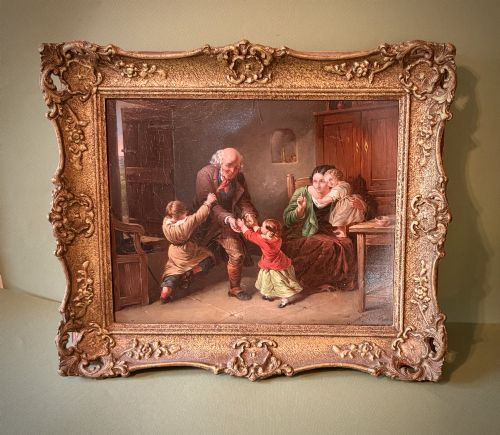
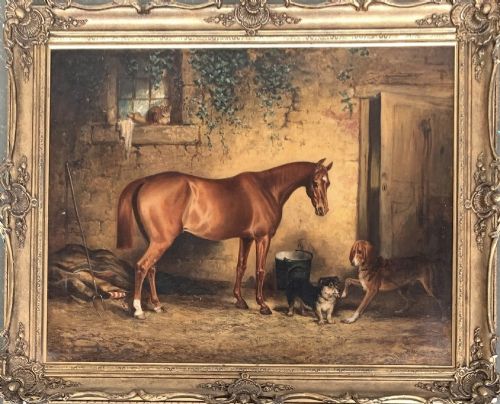
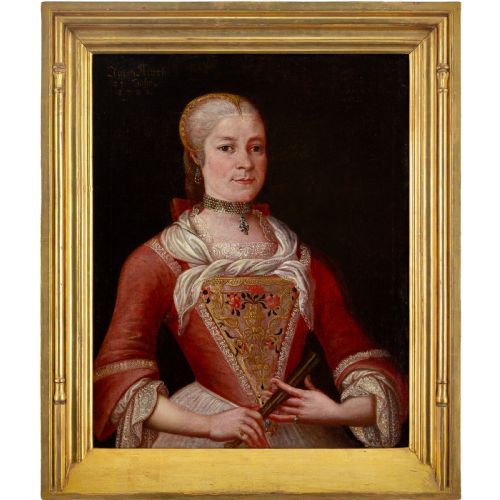
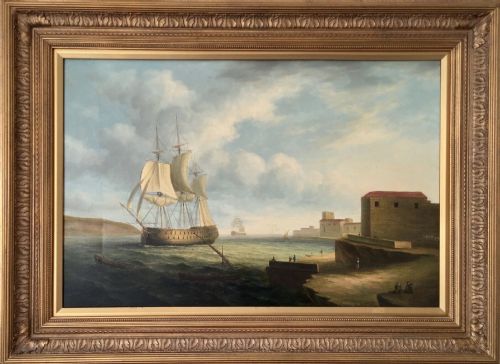
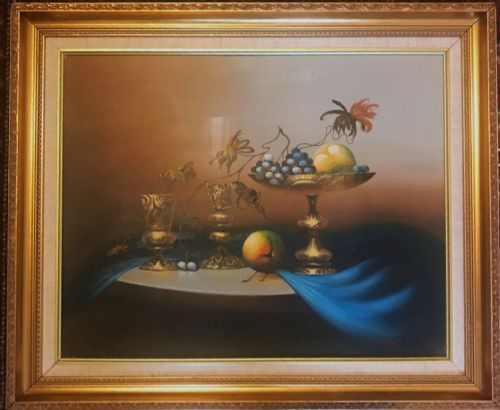
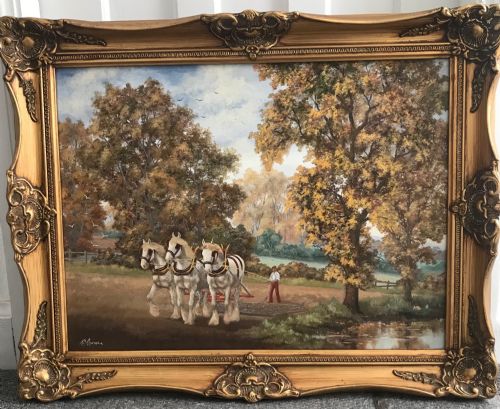

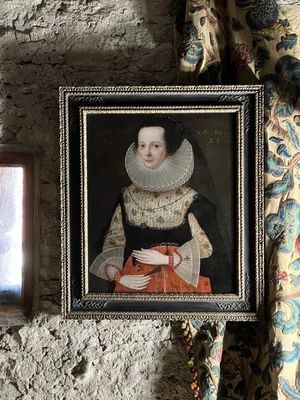
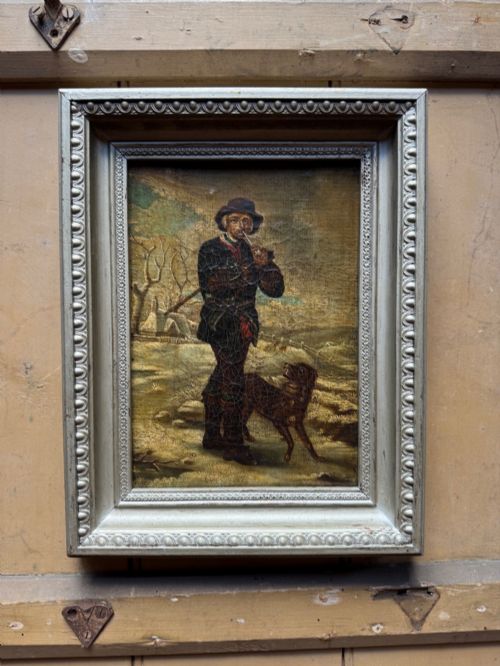
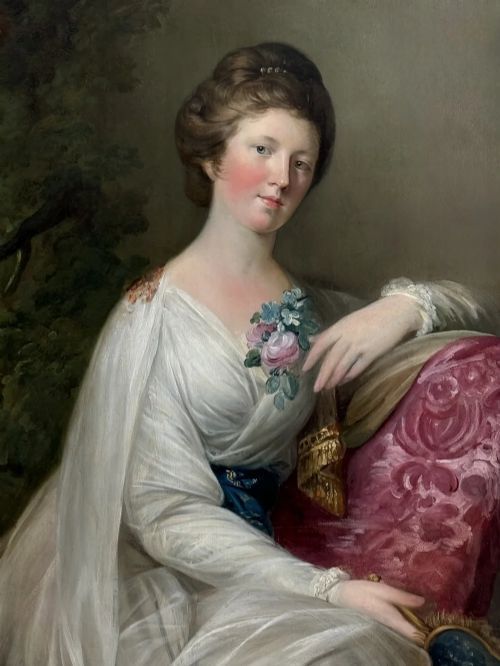
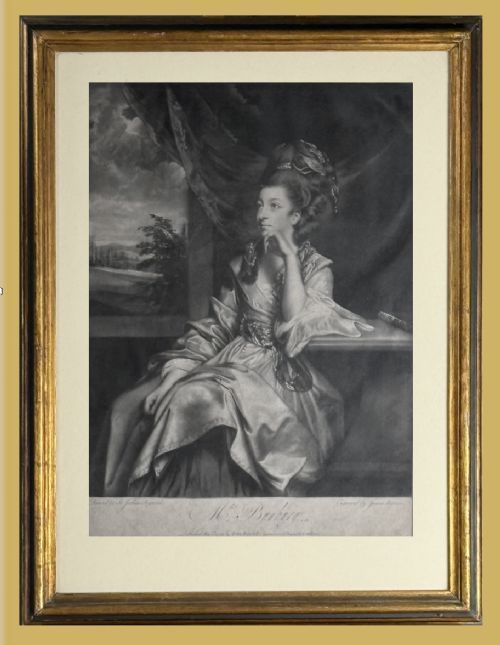
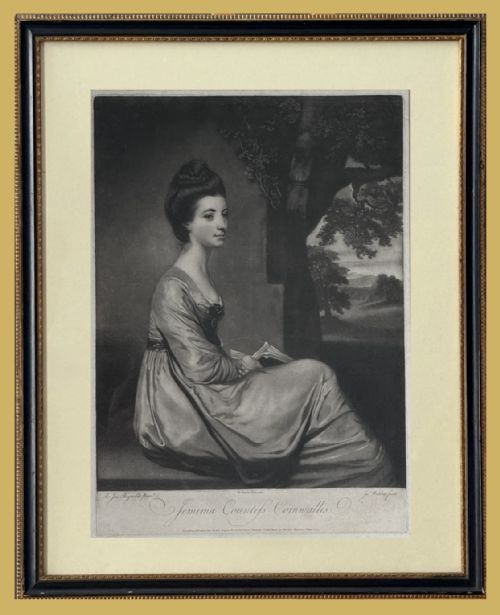
Traditional Portrait Artwork Framed
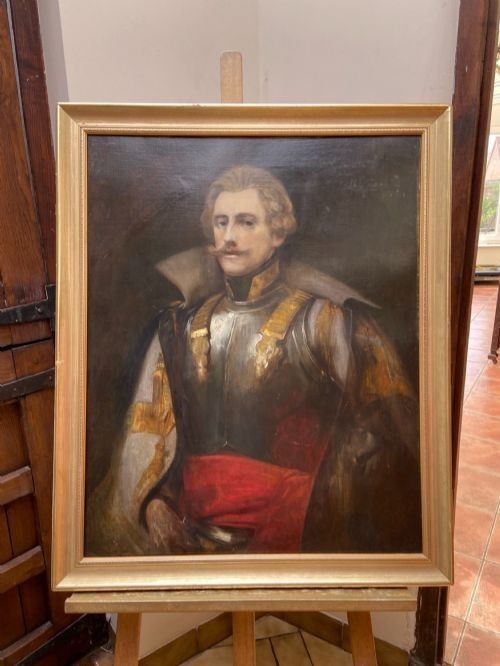
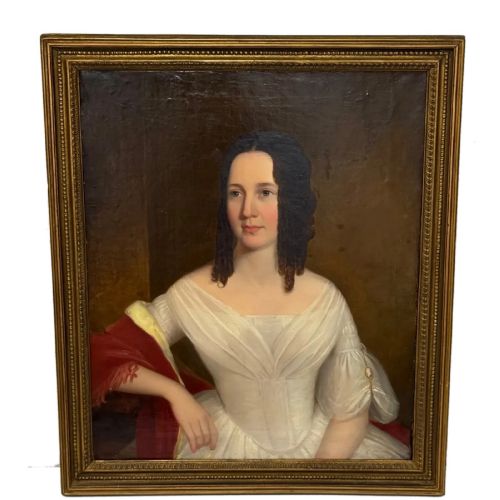
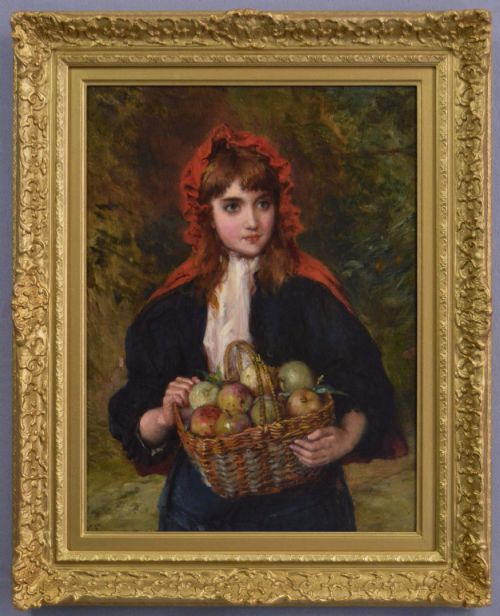
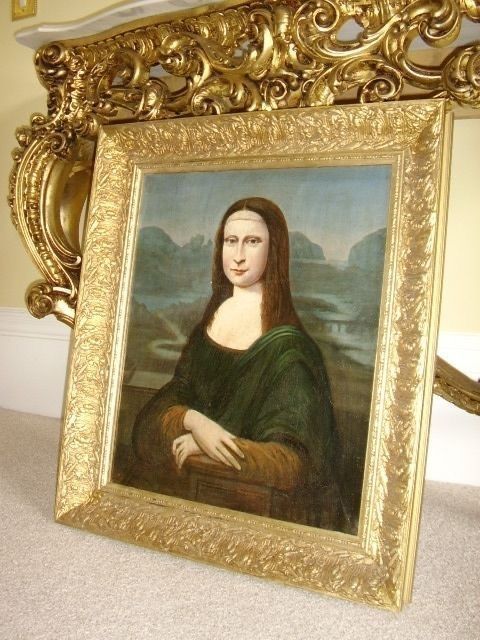
Traditional portrait artwork framed brings together centuries of painted faces, noblewomen, and military officers housed in period wooden surrounds.
Traditional Portrait Artwork Framed
Traditional portrait artwork framed encompasses historic painted likenesses of sitters, noblemen, and officers enclosed within period surrounds.
Buyers browsing this selection meet oil paintings on canvas and panel spanning the seventeenth century through the Edwardian era and mid-nineteenth century.
The subjects range from solitary gentlemen and young women to equine portraits and sporting animals rendered by British and continental schools.
Materials and Construction
Makers laid oil paint onto prepared canvas or wooden panels, applying pigment with brushes to build texture and depth.
Surrounds utilise carved wood finished with gold leaf or gilt, creating heavy frames that complement the painted canvas within.
Several noble sitters share wall space with prized shorthorn bulls and racing pigeons.
Assessing Quality
Mastery shows in the handling of facial expression, fabric drape, and light upon the sitter, separating skilled execution from rigid mechanical copying.
Original frames matching the age of the canvas elevate the integrity of the piece compared to later replacement surrounds.
William Oliver·Sir Joshua Reynolds·Albert Clark·Howard Helmick
The Traditional Portrait Artwork Framed Glossary
- Oil on Canvas
- Pigment mixed with drying oil applied to stretched fabric. This medium allows rich colour blending and deep shadow work.
- Giltwood
- Wood carved and coated with gold leaf or a metallic finish. It provides a reflective, ornate border to historic paintings.
- Mezzotint
- A printmaking process where the copper plate is roughened to achieve tonal graduation. It produces soft darks and subtle highlights.
- Panel
- A flat wooden support used as a base for painting before canvas became dominant. Artists primed these firm surfaces to hold fine detail.
- Equine Portrait
- A painting dedicated to horses, often recording prized racers or farm animals. These works capture the musculature and stance of the beast.
Traditional Portrait Artwork Framed: Frequently Asked Questions
How do I date a traditional portrait?
Examine the clothing, hairstyle, and framing style of the sitter. Portraiture often reflects the distinct fashion of its decade of creation.
Look closely at the stretcher bars, canvas weave, and any inscriptions or signatures on the reverse of the panel.
What subjects appear in these frames?
Canvases frequently depict noblewomen, military officers, gentlemen, and children from past centuries. Animal studies of horses and dogs also feature prominently.
Religious figures and literary characters copied after earlier masters complete the range of historic subjects.
Are original frames common?
Many portraits retain their period giltwood surrounds, which add significant historical context to the artwork. Some frames date slightly later than the canvas itself.
Inspect the joinery and gilding wear to determine if the surround has remained with the painting over the centuries.
Where were these portraits painted?
Artists working within British, French, and Italian schools produced these canvases across various European workshops. Regional styles often reveal the training of the painter.
Commissioned works typically stayed within private estates before reaching the open market.