



Antique Watercolour of Gentleman
An antique watercolour of gentleman captures character and dress across the Georgian, Regency, and Victorian periods.
Antique Watercolour of Gentleman
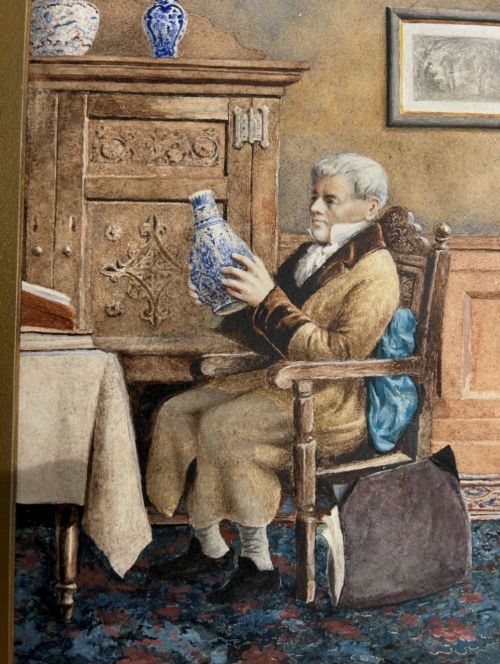
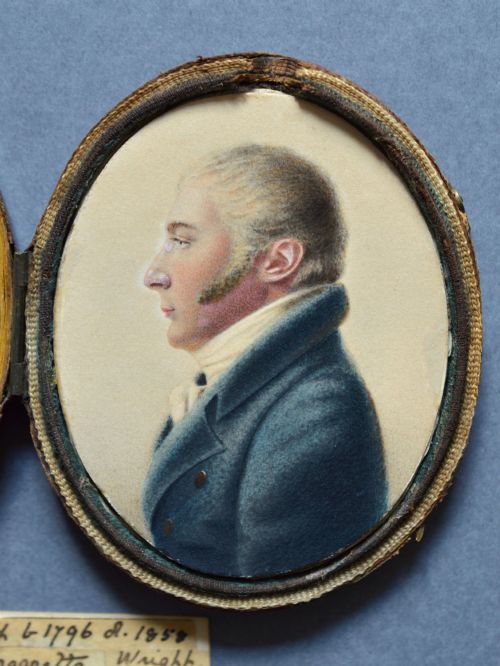
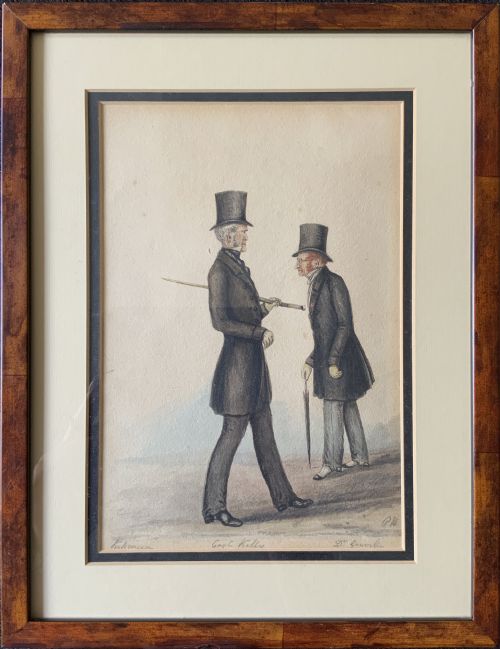
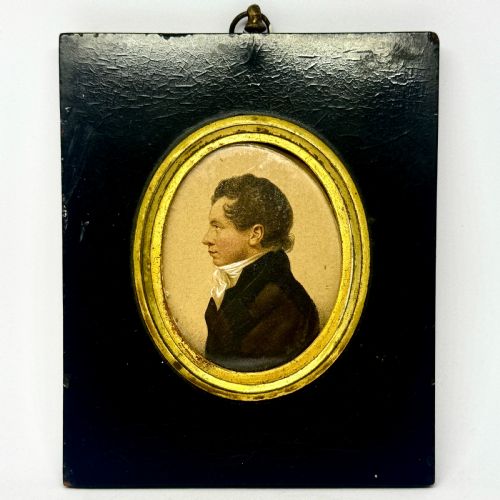
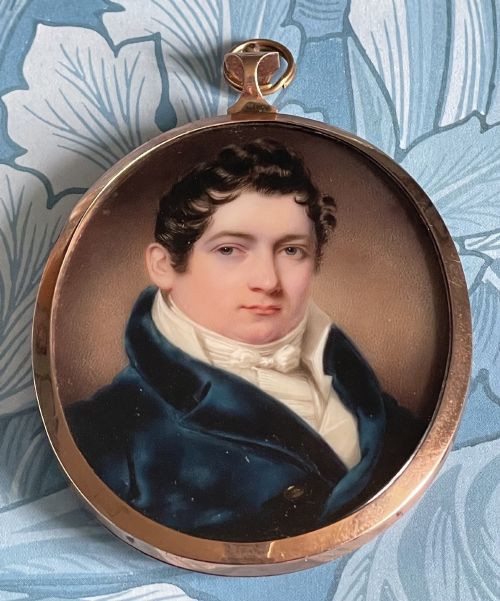
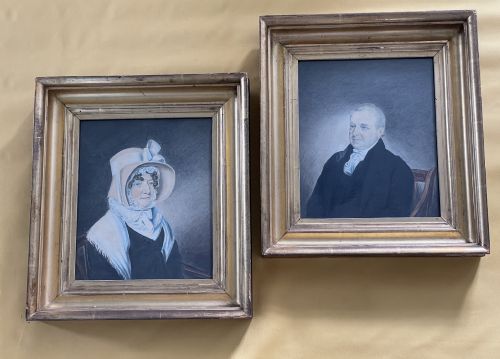
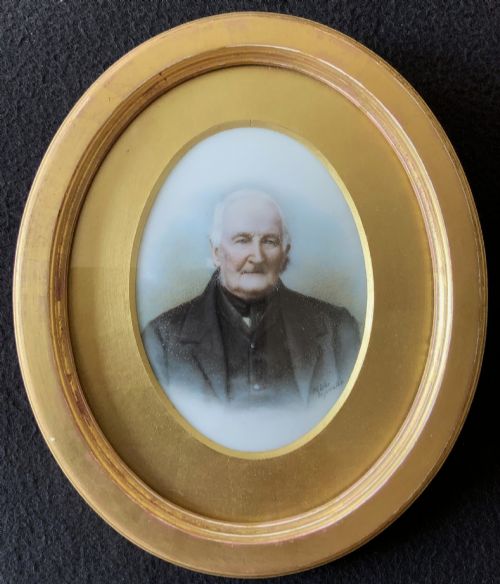
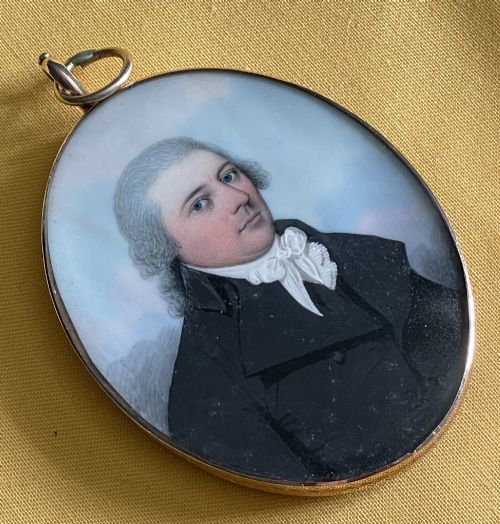
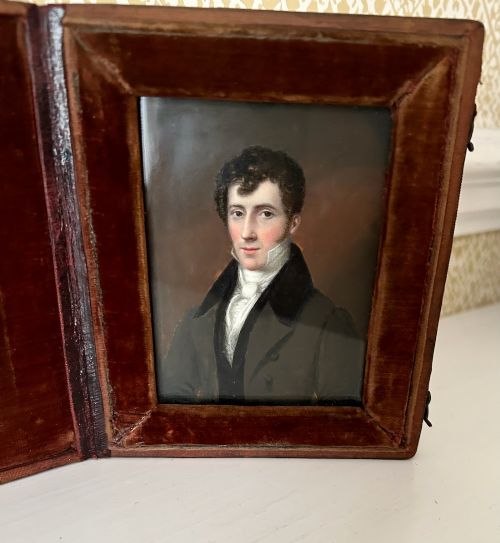
An antique watercolour of gentleman takes the form of intimate miniature paintings, framed works on paper, and oval character studies. These pieces record the likenesses of military officers, lawyers, clergy, and country gentlemen from the eighteenth and nineteenth centuries.
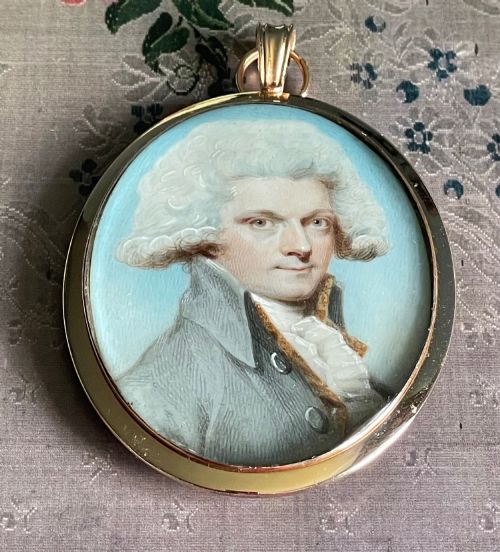
Buyers encounter smaller portrait miniatures designed for pendants or brooches alongside larger framed watercolours meant for wall display. The selection spans formal academic works by known miniaturists and naive folk art pieces by regional hands.
Works originate primarily from British and continental European schools, reflecting changing fashions in dress and portraiture over two centuries. The subject matter ranges from named sitters with documented biographies to anonymous character studies.
Materials and Technique
Artists painted these portraits using fine watercolours on prepared paper, ivory, or glass surfaces, often combining pigment with gum arabic for depth and luminosity. Delicate brushwork builds flesh tones and fabrics, while pencil or pastel underdrawings structure the composition.
Framing materials are integral to the survival of these watercolours, utilising protective glass, gilt metal, carved wood, and occasionally ivory surrounds. Many miniatures incorporate original brass or gold frames designed for wear or desk placement.
Object types include wall art, miniature paintings, silhouette portraits, and framed character studies.
Markers of Quality
Quality rests in the precision of the facial rendering and the psychological depth achieved by the artist. Master hands capture individual bone structure, expression, and texture in miniature scale with remarkable economy.
The sophistication of the framing and mounting distinguishes finer pieces, particularly where original precious metal settings or bespoke bird's-eye maple frames remain intact. Works bearing signatures from documented miniaturists command greater recognition than anonymous school pieces.
Charles Shirreff·John C D Engleheart·Frederick Buck·George Engleheart·Samuel Cotes·Diana Hill·AE Chalon·John Barry
The Antique Watercolour of Gentleman Glossary
- Miniature painting
- A small-scale portrait executed with fine, precise brushstrokes on ivory, paper, or vellum. These portable works were frequently exchanged as tokens of affection or family record.
- Portrait miniature
- A specific genre of small painting, often housed in a protective case, locket, or brooch mount. They were immensely popular during the Georgian and Victorian eras.
- Silhouette
- A profile portrait filled in with a solid dark colour, sometimes augmented with watercolour details. Cut paper silhouettes appear alongside painted examples in period collections.
- Gilt metal
- A base metal treated with a thin layer of gold or gold-coloured wash. This material provided an affordable alternative to solid gold for protective frames and mountings.
- Folk art
- Artistic work created by untrained or self-taught individuals working within traditional community aesthetics. These pieces often display a charming disregard for academic proportion in favour of direct character.
Antique Watercolour of Gentleman: Frequently Asked Questions
How were antique portrait watercolours displayed?
Miniatures were often worn as personal jewellery in brooches or pendants, carried in pocket cases, or kept on desks in protective folding frames. Larger framed watercolours hung on parlour and drawing room walls alongside oil paintings.
Over time, many portable miniatures transitioned to cabinet display or wall mounting as domestic interiors changed. Original frames frequently indicate whether a piece was intended for personal wear or architectural display.
How can I distinguish Georgian from Victorian pieces?
Georgian watercolours and miniatures often feature powdered hair, high-collared coats, and delicate watercolour washes on ivory or paper. The framing tends toward simple gold bezels or oval lockets with woven hair compartments on the reverse.
Victorian examples reflect changing hairstyles, darker fabrics, and more elaborate framing materials including brass stands and bird's-eye maple. Signature styles and clothing fashions provide the clearest chronological markers for dating.
Are these portraits usually signed by the artist?
Many fine miniatures and watercolours bear artist signatures, monograms, or inscriptions on the reverse naming the sitter and date. Academic painters and professional miniaturists often signed their work on the visible surface or backboard.
Unsigned works are common, particularly among provincial schools, naive folk art, and unsigned portrait studies. Attribution for these pieces relies on stylistic comparison and contemporary framing clues.