





Blue Coat Male Portrait
A blue coat male portrait brings the precise tailoring and presence of past centuries directly to a wall.
Blue Coat Male Portrait
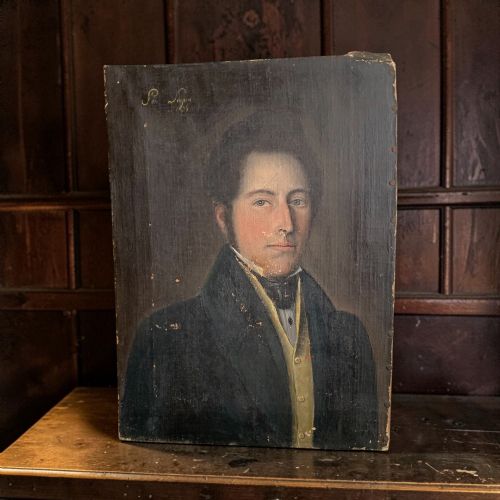
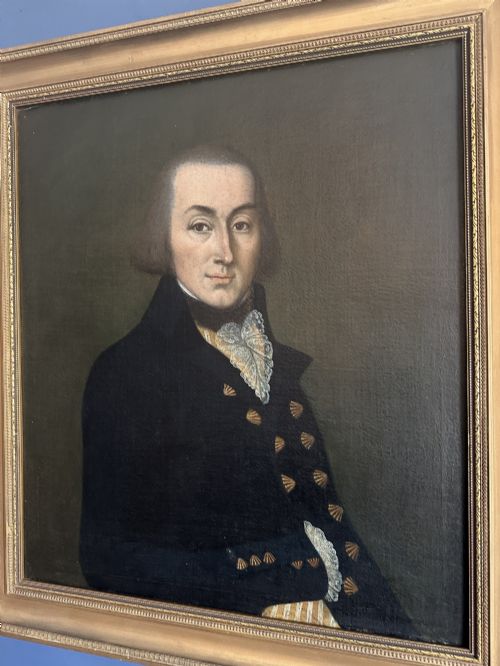
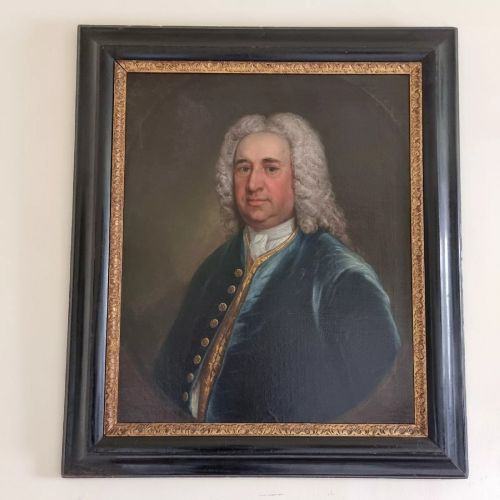
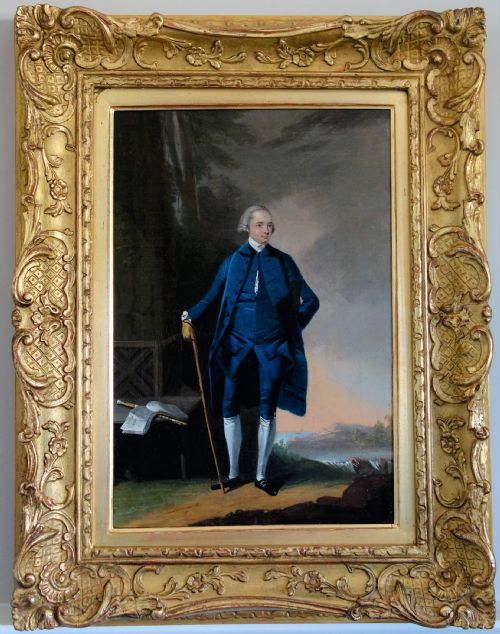
A blue coat male portrait captures gentlemen, physicians, and public figures primarily from the eighteenth and nineteenth centuries, rendered through oil on canvas or delicate pastel on paper. These works span Georgian, Regency, and Victorian aesthetics, offering a direct window into historical attire and societal standing.
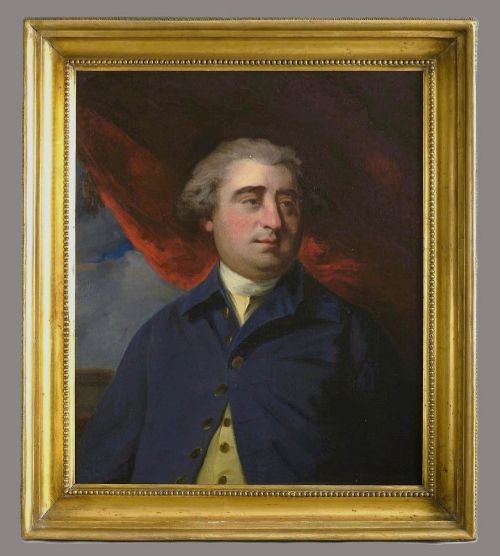
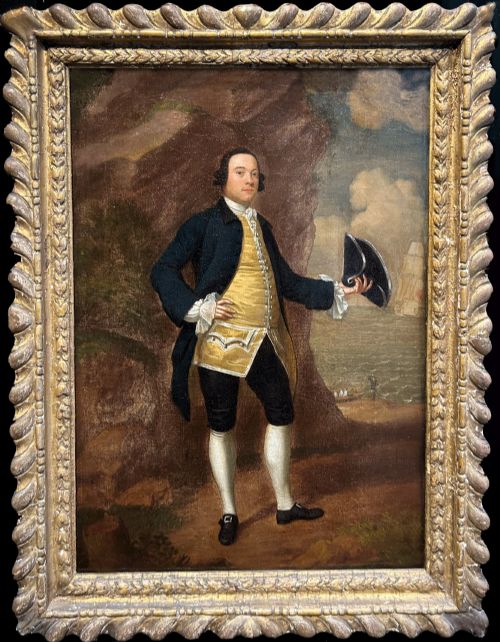
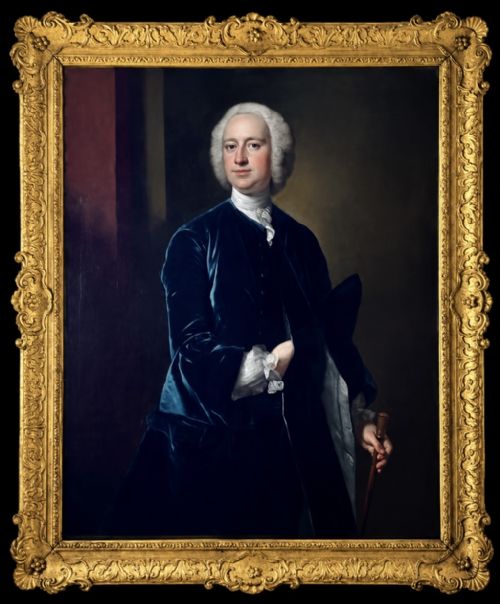
The version most commonly met on this page is the eighteenth-century oil painting on canvas, housed within its period giltwood frame. Such pieces frequently emerge from British or Scottish schools, portraying identifiable subjects or anonymous gentlemen with distinct sartorial choices.
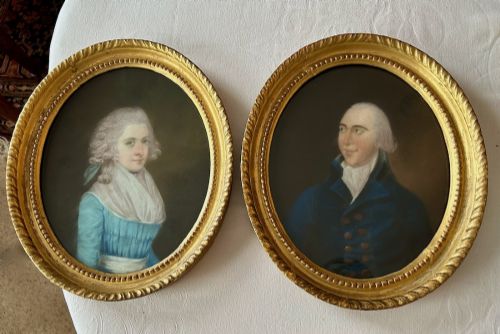
Collectors encounter diverse formats ranging from intimate pastel pairs to substantial framed oil paintings attributed to regional studios or known masters. Each piece preserves the distinct pigment choices and tailoring details characteristic of its specific decade.
Materials and construction
Painters applied oil pigments onto stretched canvas or worked with pastel on paper, building depth through layered brushwork and careful colour blending. These traditional media allowed artists to render the subtle sheen of fabric and the individual textures of contemporary coats.
Makers housed these works within timber frames, often utilising carved and gilded wood or simple giltwood mouldings to complement the painted surface. The combination of canvas, wood, and glass protected the delicate pigments from environmental wear.
At least one depicted gentleman is celebrated specifically for inventing the card game whist.
Distinguishing quality in portraiture
The preservation of the original canvas, the stability of the paint layer, and the authenticity of the accompanying giltwood frame heavily influence the standing of any given piece. Works retaining their early or original framing components demonstrate greater historical integrity.
Sir Joshua Reynolds·Thomas Hudson·Francis Hayman·Allan Ramsay·Lemuel Francis Abbott
The Blue Coat Male Portrait Glossary
- Pastel portrait
- A work executed using coloured chalk sticks on paper, prized for its soft texture and immediate pigment vibrancy. These pieces require glass protection to prevent the dusting of the medium.
- Giltwood frame
- A timber framing structure coated with a thin layer of gold leaf or gilt finish, commonly found encasing Georgian and Regency oils. Their decorative carvings often help date the artwork they enclose.
- School of
- A designation indicating that an artist worked in the style, manner, or direct tradition of a master without necessarily being that exact individual. It denotes stylistic proximity rather than direct autograph attribution.
- Attributed to
- A term applied when a painting shows strong stylistic evidence linking it to a specific named hand, though definitive documentary proof remains absent. It represents an expert scholarly opinion on authorship.
Blue Coat Male Portrait: Frequently Asked Questions
How do I date a blue coat male portrait?
Dating relies primarily on the cut of the subject's coat, the hairstyle, and the construction methods visible on the reverse of the canvas or frame. Pastel works and oils each exhibit stylistic shifts across the eighteenth and nineteenth centuries.
Examining archival records, artist signatures, and framing materials provides further chronological context for each individual painting.
Where should I hang an oil portrait?
These works suit dining rooms, studies, or hallways where steady lighting highlights the depth of the oil pigments and the detail of the giltwood frame. Avoid placing them in direct sunlight or areas of high humidity to protect the canvas.
Secure heavy framed pieces using appropriate wall anchors to ensure the weight of the timber and glass is safely supported.
What is the difference between oil and pastel?
Oil paintings utilise pigment suspended in drying oil on canvas, offering a durable surface that captures deep tones and glossy fabrics. Pastel portraits consist of powdered pigment bound lightly on paper, creating a matte appearance.
Pastels demand careful preservation behind glass to prevent the fragile chalk medium from shifting or flaking over time.
How do I identify a naive school painting?
Naive works display a charming simplicity in perspective, proportion, and anatomy, differing from the academic training seen in formal studio portraits. Artists operating outside major academies focused on direct expression rather than strict technical rules.
These pieces often feature flattened planes and direct gazes that give them an immediate, unpretentious character.