
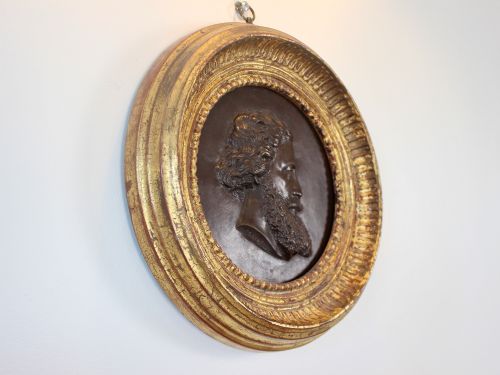


Victorian Portrait of Man
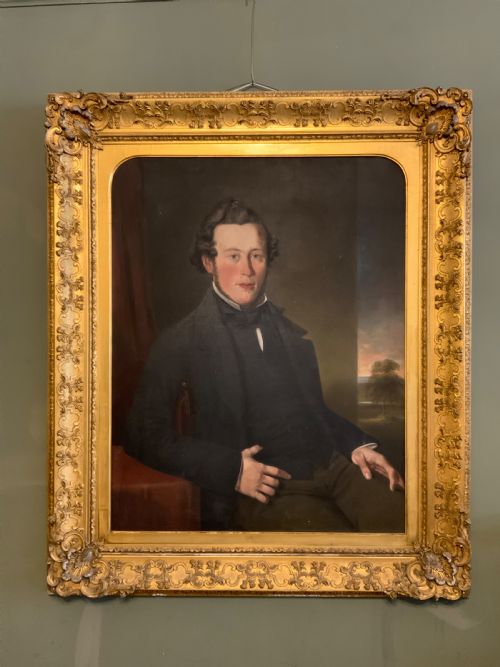
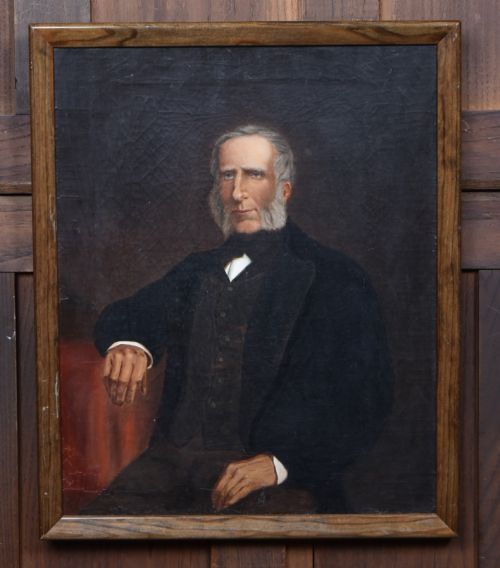
When choosing a victorian portrait of man, you select a distinct character study in oil, watercolour, or bronze that captures individual identity across the nineteenth century.
Victorian Portrait of Man
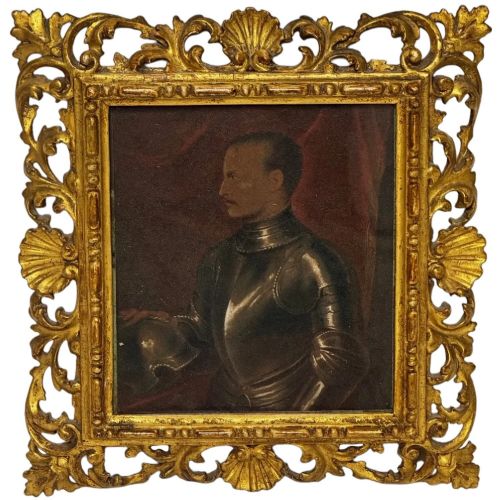
A victorian portrait of man typically depicts sitters ranging from seated gentlemen in clerical or military dress to named figures, engineers, and regional types. The selection spans formal oils on canvas, intimate watercolours, pencil drawings, and cast bronze or iron plaques.
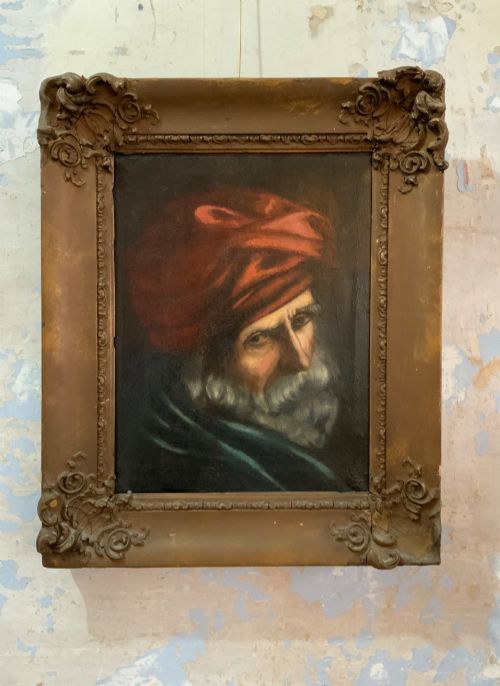
Most examples originate from the broader nineteenth century, encompassing Regency origins through to late Victorian and Edwardian periods. Works extend beyond domestic sitters to include orientalist studies and historical genre paintings.
Collectors encounter everything from naive folk art and primitive ancestor paintings to signed academic works by listed artists. Formats vary from framed wall art and miniature brooch mounts to three-dimensional busts and paperweights.
Materials and methods
Artists painted primarily with oil on canvas, wood panel, or board, alongside delicate watercolours and pencil on paper. Supporting structures incorporate traditional timber stretchers, heavy gilt gesso frames, and birdseye maple surrounds.
Sculptural likenesses utilise cast bronze, iron, and carved shell cameos set in gold mounts. Ambrotypes and photographic prints further record sitters using early photographic chemistry and glass supports.
Listings feature works executed in oil paint, watercolour, pencil, bronze, and cast iron across the nineteenth century.
Determining quality
Quality rests on the draughtsmanship and the artist's ability to render expression and psychological depth within the sitter's face. Academic competence in handling oil paint or watercolour distinguishes professional studio works from naive or primitive school pieces.
The integrity and preservation of the original framing, whether ornate gilt gesso or timber, contribute significantly to the standing of the piece. Attribution to a recorded artist or documented sitter elevates the historical interest of the work.
Frederick Goodall RA·Alfred Holst Tourrier·Sir Thomas Brock RA·William Robert Dickinson·Eden Upton Eddis
The Victorian Portrait of Man Glossary
- Canvas
- A heavy woven fabric stretched across a wooden frame to form the primary support for oil paintings. It provides a textured surface that holds layered pigment over centuries.
- Giltwood
- Timber carved and coated with a thin layer of gold leaf or metallic powder, commonly used to finish decorative nineteenth-century frames. This treatment enhances the visual weight of the artwork.
- Naive art
- Work produced by artists without formal academic training, characterised by flat perspective and direct expression. These pieces offer unvarnished charm compared to mainstream salon painting.
- Watercolour
- A painting method using pigment suspended in a water-soluble binder applied to paper. It creates luminous, translucent washes ideal for intimate portrait studies.
- Bronze
- An alloy of copper and tin utilised for sculptural portrait busts and plaques. It accepts fine chisel work and develops a rich patina with age.
Victorian Portrait of Man: Frequently Asked Questions
How do I date a painted portrait?
Dating relies on the sitter's clothing, hairstyle, and facial hair, alongside framing styles and stretcher construction. Artists' signatures or inscriptions on the reverse provide definitive chronological anchors.
Paint mediums and canvas preperation also shift across decades, helping distinguish Regency examples from late Victorian output.
Were these painted from life?
Many professional commissions recorded living sitters in formal studio settings over multiple sittings. Others utilised preliminary pencil sketches or early photographic references to complete the final canvas.
Travel subjects, such as orientalist studies, often stemmed from sketches brought back from expeditions abroad.
Where should I hang an oil portrait?
Display paintings away from direct sunlight and fluctuating heat sources to protect canvas integrity and prevent pigment degradation. Subdued wall lighting highlights the depth of dark varnishes and gilt frames effectively.
Ensure adequate wall fixings support heavy timber frames and cast bronze pieces securely.
What is historical genre painting?
This category places identifiable individuals or imagined historical characters within narrative domestic or occupational scenes. These works combine portraiture with storytelling elements like interiors or landscapes.
Figures are often captured mid-activity rather than posing rigidly for the camera or easel.