
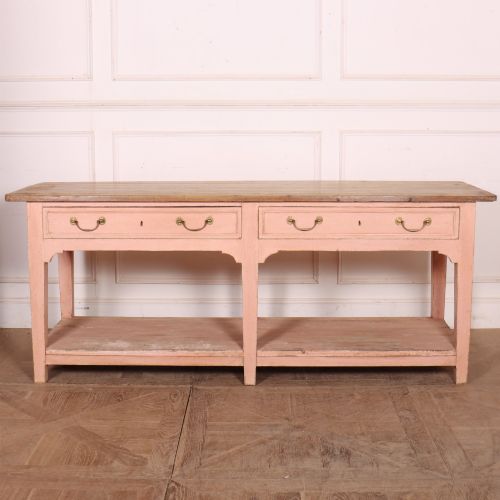
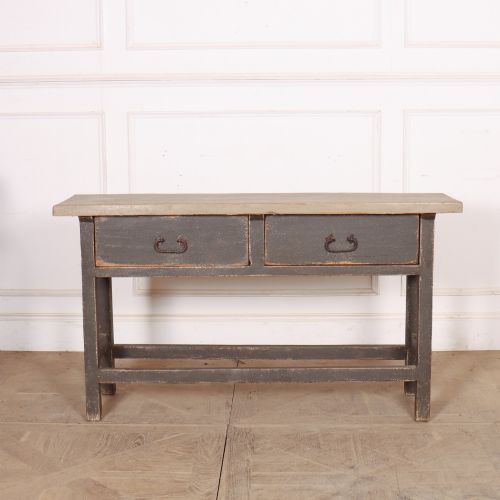
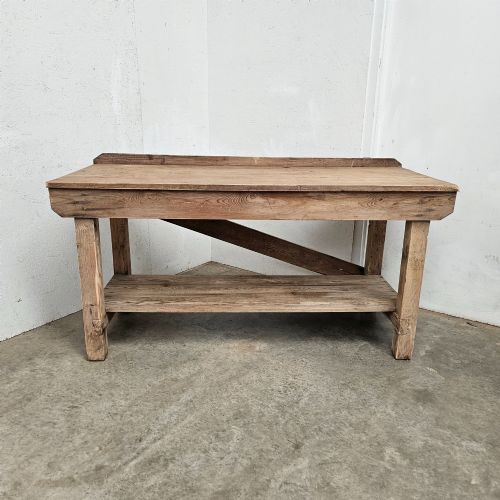
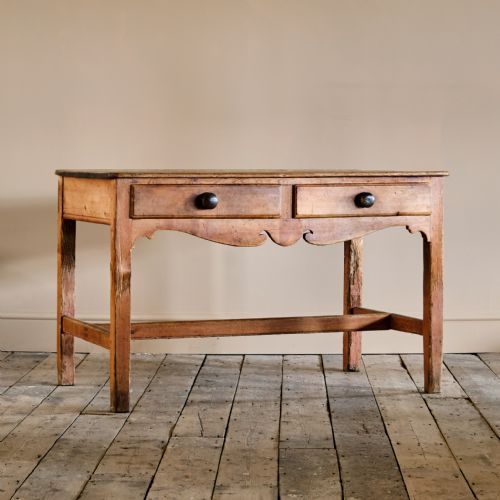



Traditional Pine Console Table
These pieces bring honest utility and warmth to a room, offering a traditional pine console table that grounds a hallway or living space with enduring character.
Traditional Pine Console Table
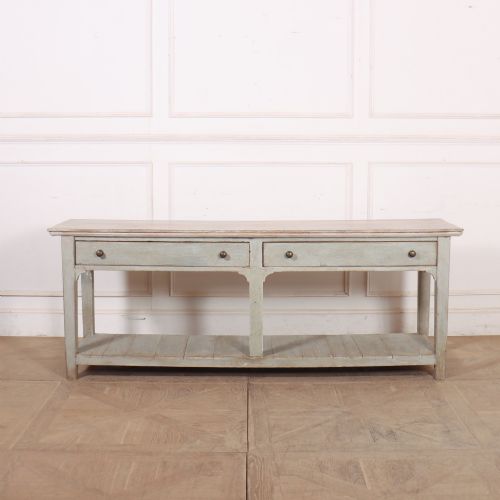
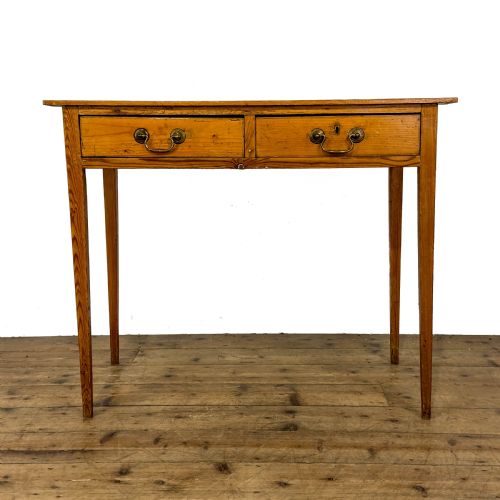
A traditional pine console table brings practical surface space and a warm domestic presence to hallways, living rooms, and dining spaces. These items derive from various forms including antique side tables, painted servers, and dresser bases shaped by utilitarian needs.
The selections available here span from the eighteenth century through the Victorian era and into the early twentieth century. English and Scottish country workshops produced these pieces using solid timber, often finished with historic paint layers that show decades of use.
Buyers frequently encounter side tables, serving tables, and potboard dresser bases adapted for modern placement. Their straightforward construction makes them versatile additions that fit narrow spaces while providing useful drawers or lower shelves.
How they were made
Joiners built these pieces primarily from solid pine, often selecting wide boards for tops and sturdy timbers for framing and legs. Construction methods relied on traditional joinery such as mortise and tenon joints to ensure stability under daily domestic workloads.
Many surfaces carry layers of old or original paint, applied as a protective and decorative finish over the bare wood. Iron and brass fittings, including drawer pulls and handles, were added to functional components like three-drawer arrangements and lower potboards.
Materials across the selection range from scrubbed deal and painted timber to structural iron and brass hardware additions.
What varies in quality
The distinction between ordinary utility items and finer examples lies in the integrity of the timber selection and the retention of original surface finishes. Pieces featuring untouched patinated paintwork or scrubbed deal tops display the natural ageing process valued by collectors.
Structural proportion and purposeful design differentiate a standard workshop build from a more substantial piece like a dresser base or serving table. Clean lines, well-proportioned legs, and the survival of original hardware elevate the presence of the furniture.
The Traditional Pine Console Table Glossary
- Pine
- A softwood commonly utilised in British country furniture for its accessibility and workability. It takes paint well and develops a rich patina through handling and cleaning over generations.
- Dresser Base
- A low sideboard or cabinet featuring surface space and frequently drawers or a lower shelf known as a potboard. These originated in kitchens and sculleries for storing domestic utensils.
- Potboard
- An open lower shelf beneath a dresser base or console, historically designed to hold pots and pans. It provides structural bracing while offering visible display space.
- Washstand
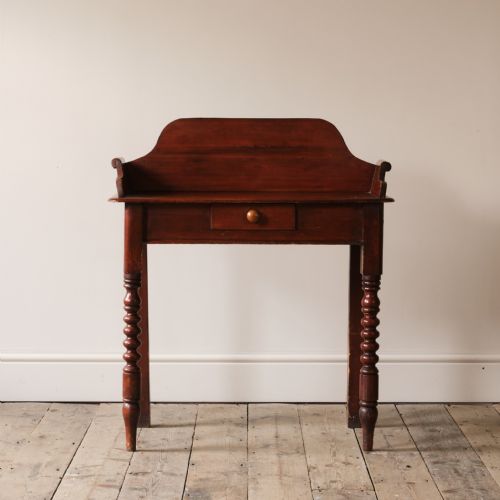
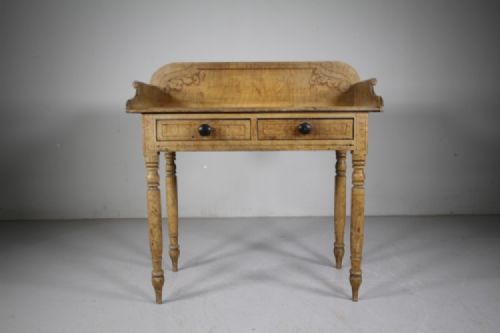
- A small table or cabinet designed to hold a basin and jug for personal washing before plumbed bathrooms became standard. They often feature protective splashbacks or lower tiers.
- Patina
- The surface appearance developed by wood and paint over time through use, light exposure, and polishing. It serves as an indicator of age and authenticity.
Traditional Pine Console Table: Frequently Asked Questions
How do I style a pine console?
Position the piece against a hallway wall or behind a sofa to provide a stable surface for lamps, books, or decorative objects. The neutral tone of the wood or painted finish allows it to complement both traditional and modern interiors.
Ensure the dimensions suit the clearance of your walkway, as these tables vary in depth from narrow side tables to deeper serving surfaces.
Are these tables solid wood?
The listings consist of solid timber construction, primarily using pine for the tabletops, frames, and drawers. Workshops relied on solid boards rather than veneers for durability in daily domestic service.
Secondary woods might occasionally appear in internal framing or drawer linings, consistent with period cabinetmaking practices.
How do I date a pine table?
Examine the construction methods, tool marks, and overall wear patterns to determine the approximate period. Hand-cut joints, original hardware, and timber shrinkage offer reliable clues to nineteenth-century or earlier origins.
Historic layers of paint or surface finish also help establish the timeline, showing the accumulated history of the piece.
Can I use a dresser base as a console?
Dresser bases function well as console tables in larger hallways or living areas, offering generous surface tops and storage drawers. Their sturdy build and lower potboards provide both aesthetic weight and practical utility.
Verify the depth of the specific base before purchase, as these pieces were originally designed for kitchen or dining room storage.